Integrated Spa: Stunning Luxury Pool Addition
May 9, 2026
Pool Pipes: Master Your Plumbing with Ease
May 13, 2026
- Your Essential Guide to Navigating Pool Permits and Regulations
- Why a Pool Permit is Non-Negotiable
- Decoding Pool Regulations: What You Need to Know
- The Pool Permit Application Process
- Common Pitfalls to Avoid
- Beyond the Build: Maintaining Compliance
- Conclusion
Your Essential Guide to Navigating Pool Permits and Regulations
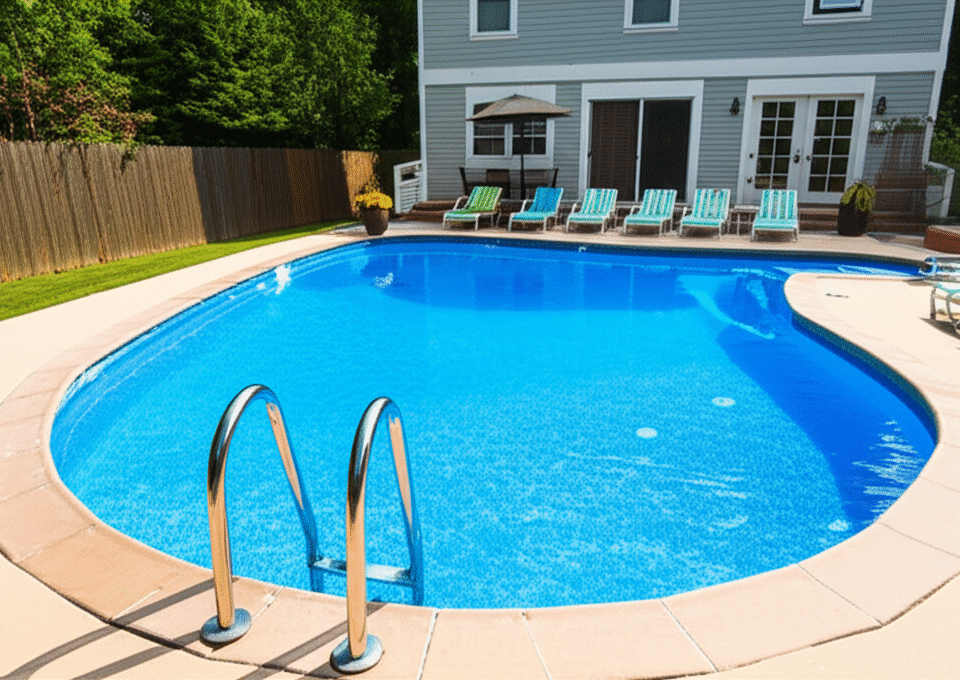
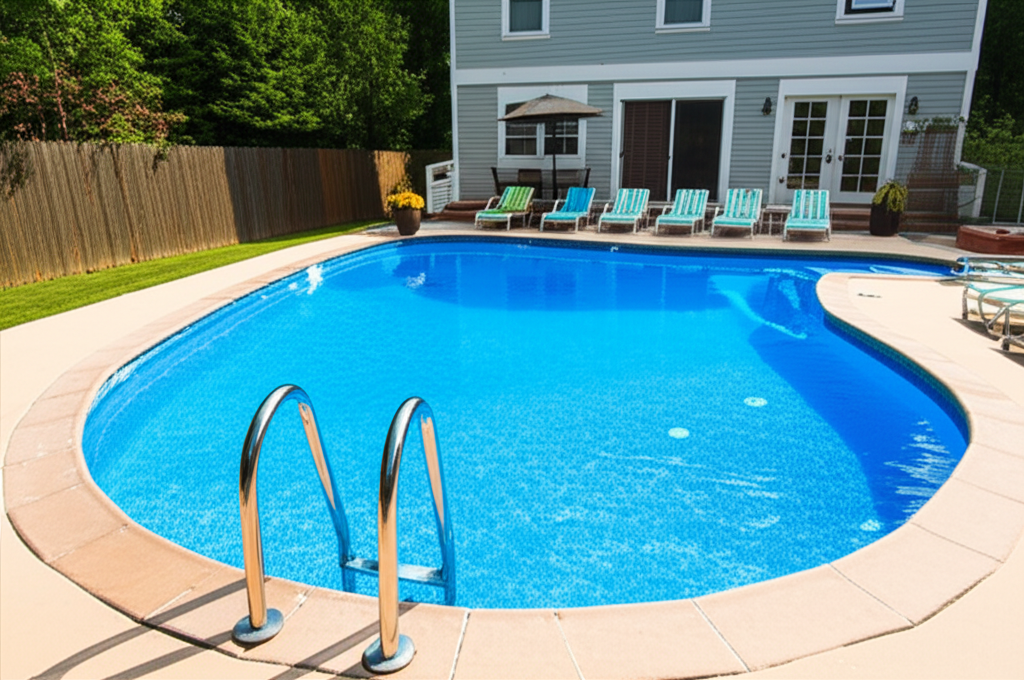
Pool Permit applications often seem like a daunting bureaucratic hurdle, but understanding them is the first step toward building the backyard oasis of your dreams safely and legally. Far from being mere red tape, these permits and the accompanying regulations are crucial for ensuring the safety of your family, neighbors, and property, while also protecting your investment. This guide will demystify the process, helping you navigate the essential building permit requirements and pool regulations with confidence and ease.
Why a Pool Permit is Non-Negotiable
Ignoring the need for a Building Permit for your new pool can lead to serious consequences, including hefty fines, mandatory demolition, increased insurance premiums, and even legal action in case of an accident. On the positive side, obtaining a permit guarantees that your pool construction adheres to local, state, and national safety and structural standards. This oversight ensures proper electrical wiring, secure fencing, adequate drainage, and structural integrity, protecting everyone who enjoys the pool. It also provides an official record for your property, which can be vital during future appraisals or sales. A properly permitted pool adds significant value and appeal to your home.
Decoding Pool Regulations: What You Need to Know
Pool Regulations are a comprehensive set of rules designed to ensure safety, environmental protection, and neighborhood harmony. These typically cover several key areas:
Zoning and Setbacks: Your property’s zoning classification dictates where on your lot a pool can be built. Setback requirements specify the minimum distance your pool must be from property lines, other structures, and utility easements. These are crucial for privacy, property access, and preventing damage to underground infrastructure.
Fencing and Barrier Requirements: This is perhaps the most critical safety regulation. Most jurisdictions mandate a non-climbable fence or barrier at least four to five feet high, equipped with self-closing, self-latching gates. These barriers are designed to prevent unsupervised access by small children, significantly reducing the risk of accidental drowning. Child safety alarms on doors and gates leading to the pool area may also be required.
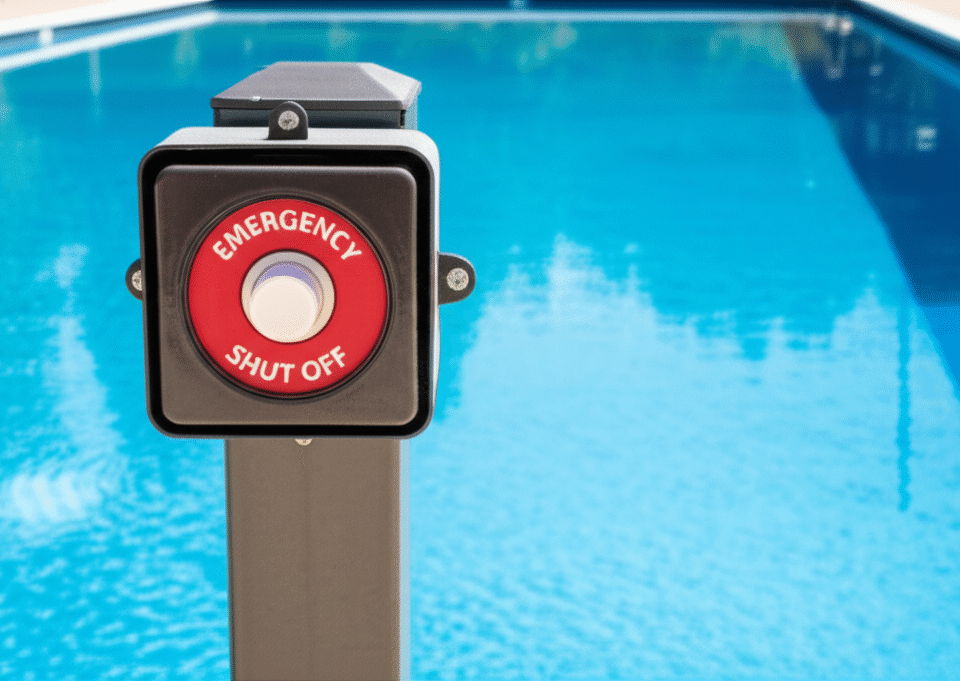
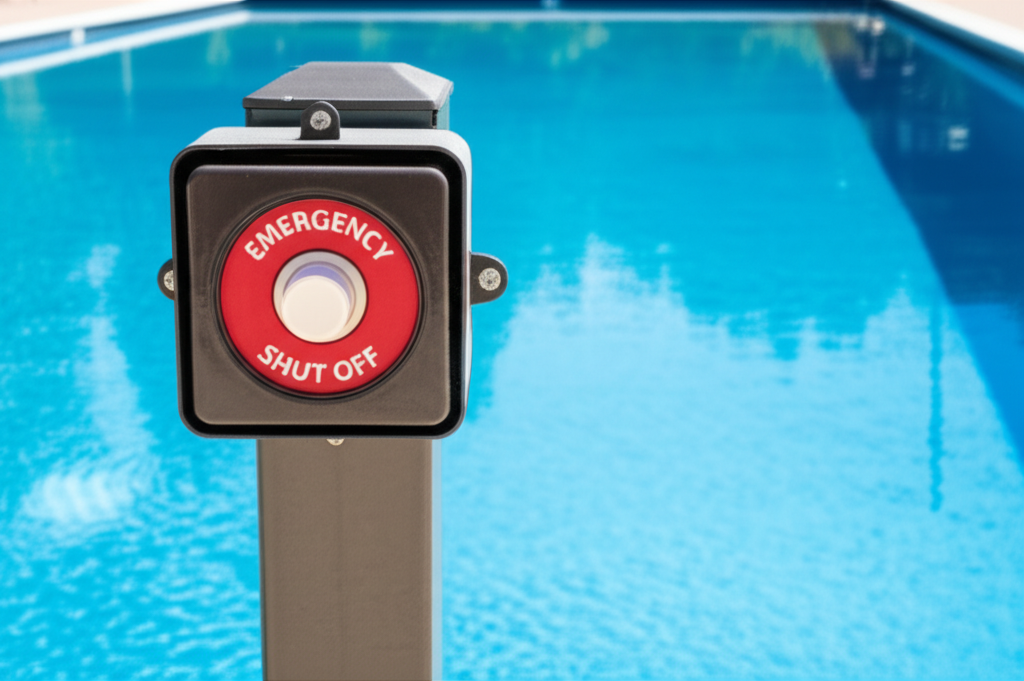
Safety Features: Beyond fencing, regulations often require other safety measures. These can include anti-entrapment drain covers, alarms that detect water disturbance, safety covers for when the pool is not in use, and emergency shut-off switches.
Electrical Codes: All electrical work associated with your pool, from pumps and heaters to lighting, must comply with strict electrical codes to prevent electrocution hazards. This includes proper grounding, GFCI protection, and conduit requirements.
Drainage and Water Runoff: How your pool is drained and how splash-out water is managed is also regulated. Proper drainage prevents water from accumulating on neighboring properties or causing damage to your own foundation.
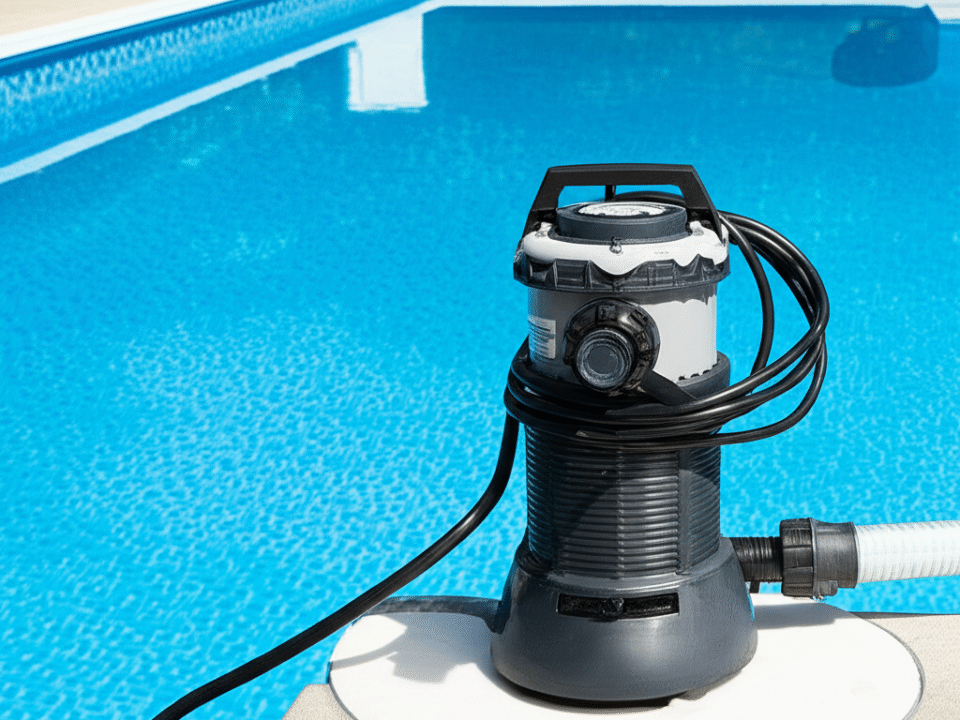
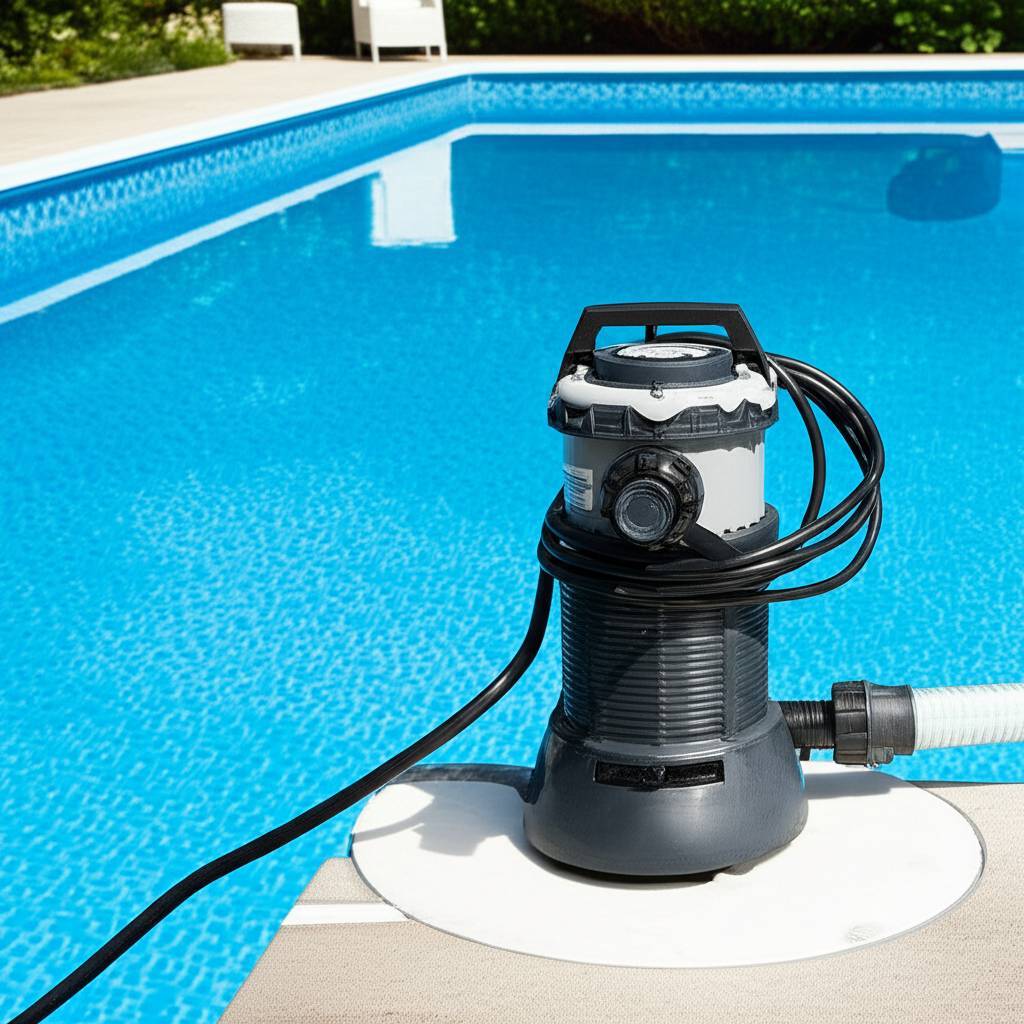
Filtration and Sanitation Systems: Regulations ensure that your pool’s filtration and sanitation systems (e.g., chlorinators, UV systems) are adequate to maintain clean and healthy water quality, preventing the spread of waterborne illnesses.
Due diligence in understanding these specific regulations for your area is paramount before any groundbreaking begins. Your local municipal planning or building department is the best resource for obtaining detailed information relevant to your location.
The Pool Permit Application Process
While specific steps vary by municipality, the general process for obtaining a Pool Permit typically involves:
1. Research Local Requirements: Before doing anything else, contact your local building department or planning office. They will provide a list of required documents, applicable codes, and the necessary application forms.
2. Develop Detailed Plans: You’ll likely need to submit professionally drawn plans for your pool. These plans should include the pool’s dimensions, depth, location on the property, fencing details, equipment pad location, electrical schematics, and drainage plans. Often, a licensed contractor or architect will help you prepare these.
3. Gather Supporting Documents: This might include a plot plan or survey of your property, homeowner’s association approval (if applicable), and contractor licensing and insurance information.
4. Submit Your Application: Once all documents are prepared, submit your application along with the required fees. The timeframe for permit approval can vary significantly, so plan accordingly.
5. Schedule Inspections: Throughout the construction process, various inspections will be required. These usually include foundation, electrical, plumbing, barrier, and final inspections. Do not proceed to the next phase of construction until the current inspection has been approved.
Common Pitfalls to Avoid
The biggest mistake homeowners make is attempting to build a pool without a permit. The immediate costs saved by avoiding the permit fee are almost always dwarfed by the fines and corrective actions required once discovered. Another common pitfall is failing to understand the scope of work required by the permits, leading to delays and additional costs during inspections. Choosing an unlicensed or uninsured contractor is also a significant risk, as they may not be familiar with local codes and could leave you liable for accidents or shoddy work. Always verify your contractor’s credentials and ensure they pull the necessary permits.
Beyond the Build: Maintaining Compliance
Even after your pool is built and approved, ongoing compliance with safety regulations and proper maintenance is essential. Regular pool maintenance ensures not only the longevity of your investment but also the health and safety of swimmers. This includes keeping up with proper chemical balances, ensuring your filtration system is running efficiently, and regularly inspecting your safety barriers for wear and tear. If you ever find yourself struggling with the consistency needed for maintaining pristine water quality or simply prefer to spend your time enjoying your pool rather than cleaning services, consider professional pool upkeep. Services found at resources like californiabluepool.com can provide the expert pool maintenance and pool cleaning services required to keep your pool sparkling and compliant year-round. Adhering to these ongoing responsibilities safeguards your investment and most importantly, ensures a safe environment for everyone.
Conclusion
Navigating the world of Pool Permit applications and Building Permit rules may seem complex, but it’s a critical journey for any aspiring pool owner. By understanding the regulations, preparing thoroughly, and working with reputable professionals, you can successfully create a safe, beautiful, and fully compliant swimming pool that provides years of enjoyment. Embrace the process, and you’ll soon be diving into your dream backyard oasis with peace of mind.