Pool Permit: Essential Guide to Simple Regulations
May 11, 2026
Pool Construction Timeline: Ultimate, Fast Guide
May 15, 2026
- The Lifelines of Your Aquatic Paradise: Understanding Your Pool Pipes System
- Skimmers: The First Line of Defense
- Drains: The Foundation of Circulation
- Common Challenges for Your Pool Pipe System
- Proactive Care: Maintaining Healthy Pool Pipes
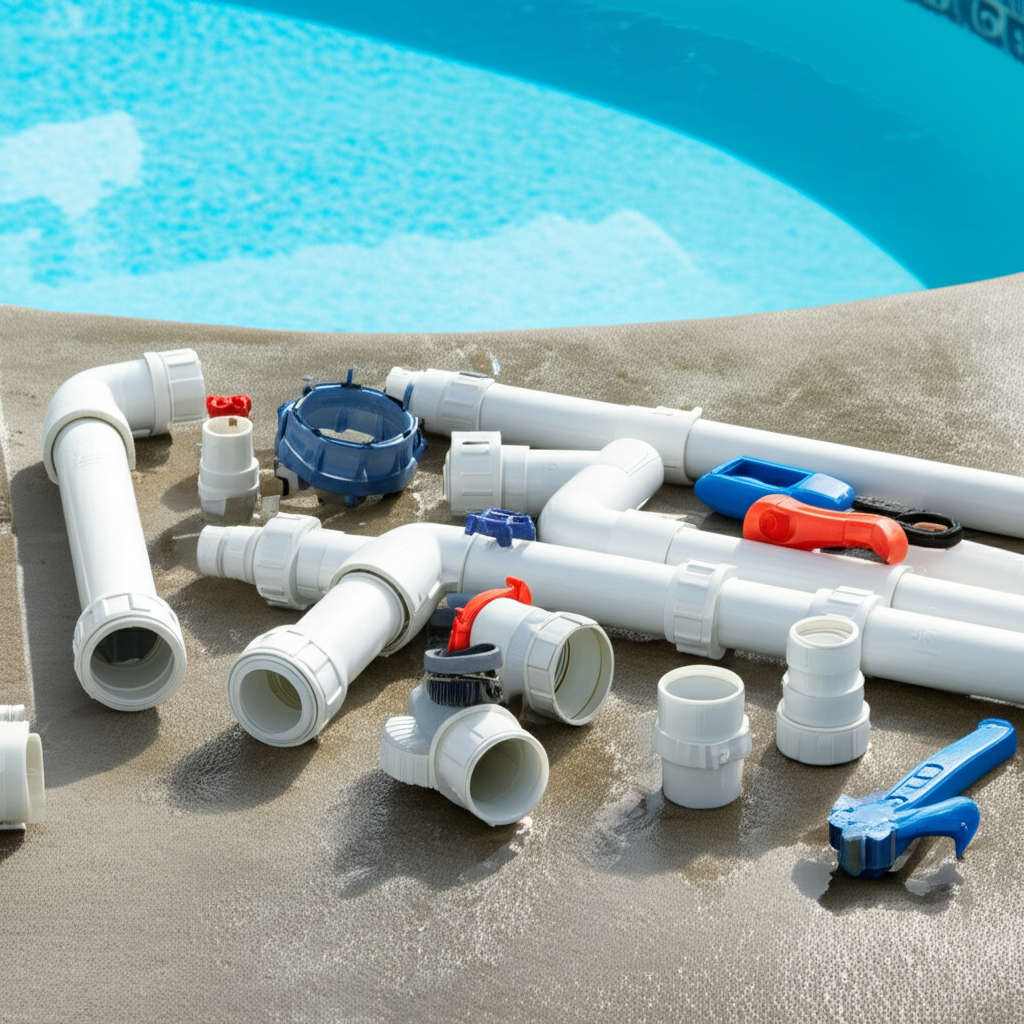
Pool Pipes are the intricate network beneath your swimming pool’s surface, the unsung heroes of its health and longevity. Far from being simple channels, these plumbing lines, in conjunction with crucial components like skimmers and drains, form a sophisticated system that ensures your water remains sparkling clean, safe, and inviting. Understanding how these vital elements work together is key to mastering your pool’s plumbing and maintaining a pristine aquatic oasis with ease.
The Lifelines of Your Aquatic Paradise: Understanding Your Pool Pipes System
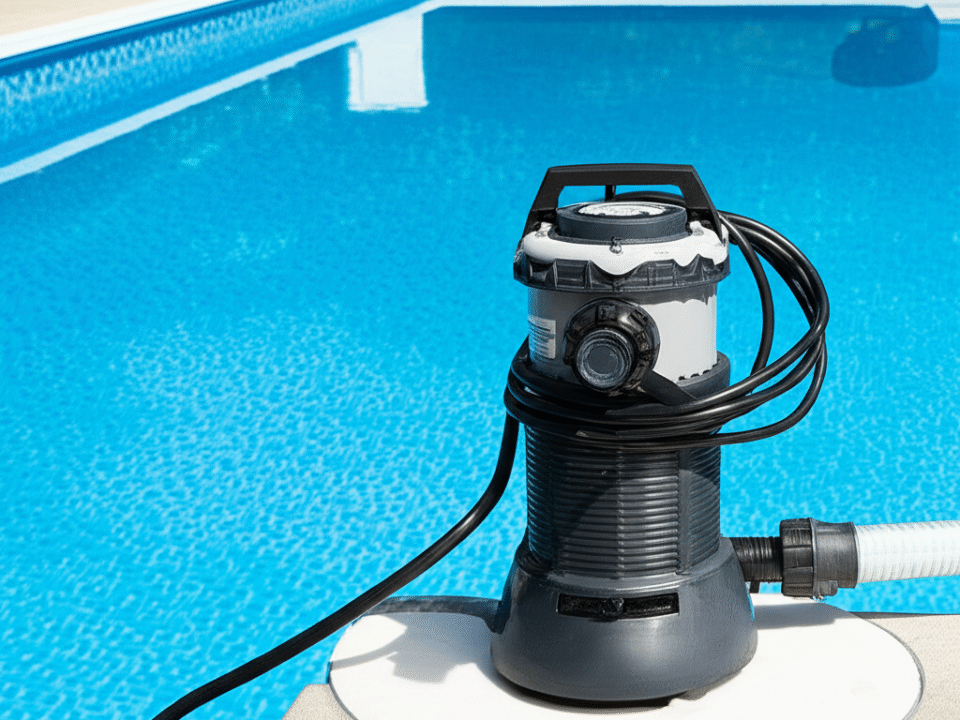
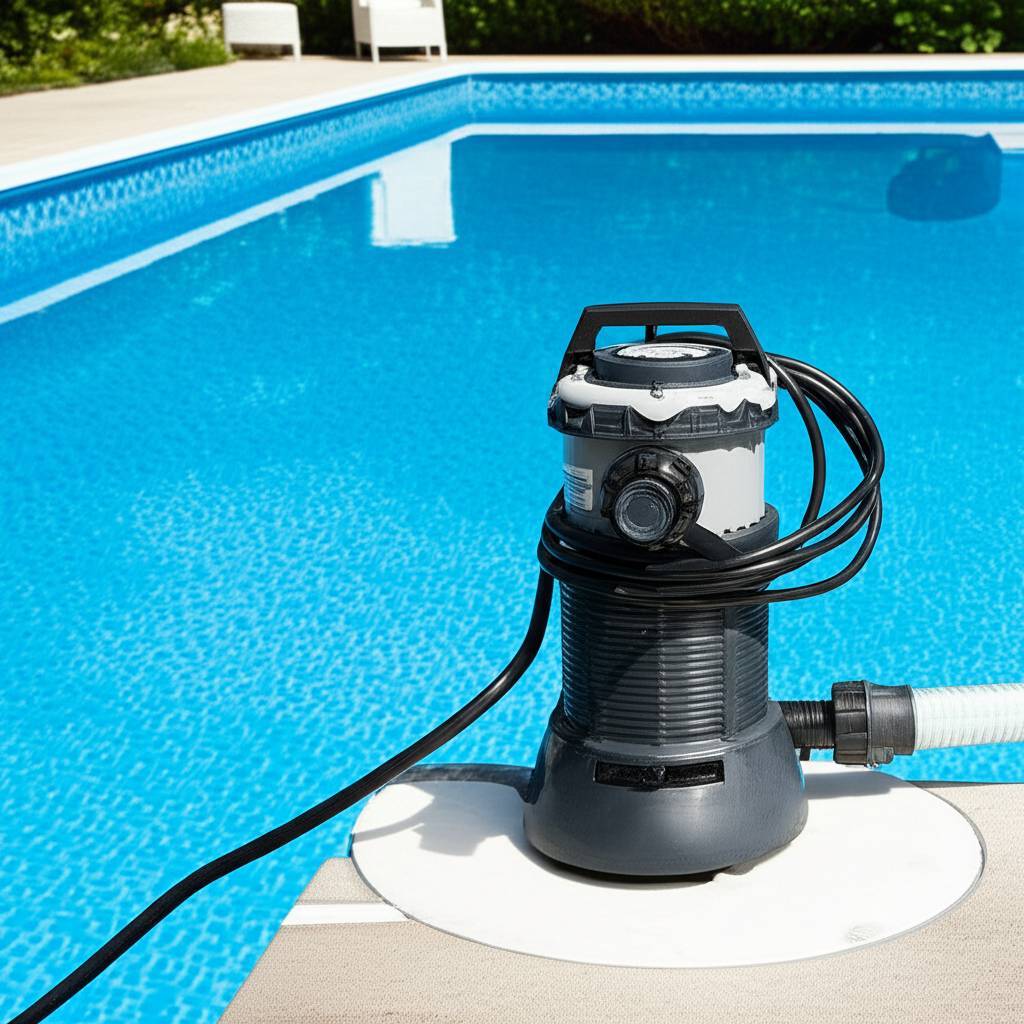
At its core, a swimming pool’s plumbing system is a closed loop designed for continuous water circulation. This process begins with water being drawn from the pool, through pool pipes, to the pump, then pushed through the filter, heater (if present), and finally returned to the pool.
There are primarily two sides to this system:
1. Suction Side: This is where water is pulled from the pool. It includes pipes connected to the skimmers and main drains, leading directly to the pump. These pipes operate under negative pressure (suction). Leaks on this side can draw air into the system, causing the pump to lose prime.
2. Pressure Side: After the water passes through the pump and filter, it enters the pressure side. These pipes carry the clean, filtered water back to the pool through return jets. They operate under positive pressure, and leaks on this side typically result in visible water loss.
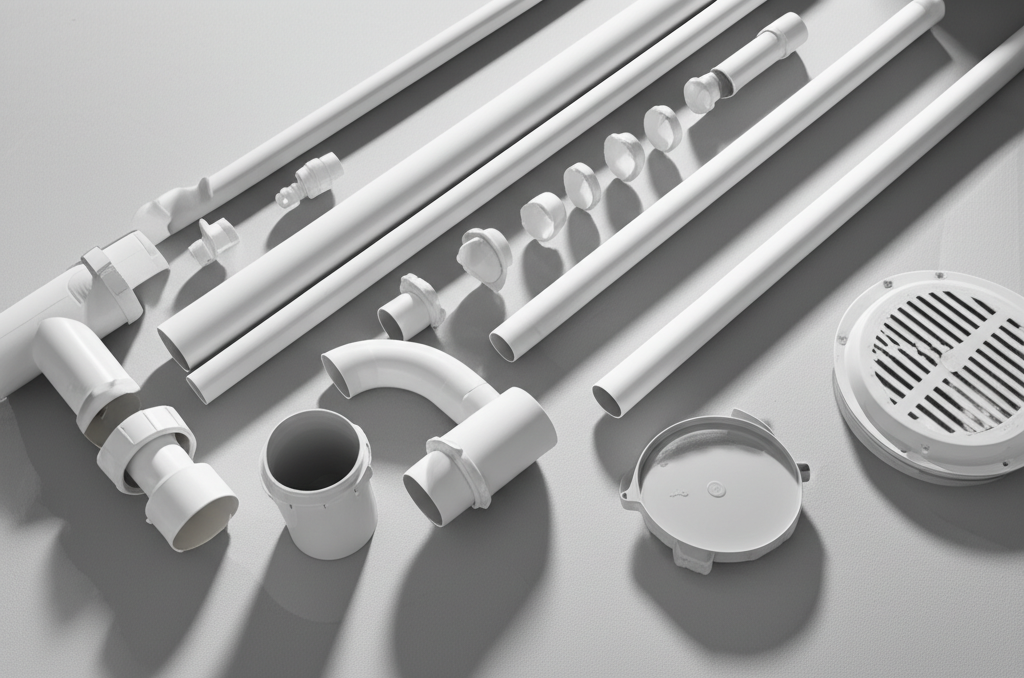
Most modern pool plumbing uses rigid PVC (Polyvinyl Chloride) pipes, known for their durability and resistance to chemicals. In some applications, flexible PVC is used for its ease of installation around curves. The sizing of these pipes is critical for efficient flow and pump performance, ensuring your system isn’t overworked or underutilized.
Skimmers: The First Line of Defense
Nestled along the waterline, skimmers are your pool’s primary defense against surface debris. These rectangular openings are designed to continuously draw water from the very top layer of the pool, where most leaves, bugs, sunscreen residue, and other floating contaminants reside.
Inside each skimmer, you’ll find a removable basket that traps larger debris before it can enter and potentially clog your pool pipes or pump. A hinged flap, known as a weir, floats at the opening, creating a controlled flow that maximizes debris collection while minimizing water turbulence. Regular emptying of skimmer baskets is paramount; a full basket can restrict water flow, straining your pump and reducing cleaning efficiency. For professional emptying and general care of your skimmers and surrounding area, look for dedicated pool cleaning services. Allowing debris to accumulate in skimmers isn’t just unsightly—it can also lead to blockages deeper in your system, affecting circulation and water quality.
Drains: The Foundation of Circulation
While skimmers handle surface contaminants, drains, specifically the main drains located at the deepest point of your pool, are essential for circulating water from the bottom. These drains pull heavier debris and sediment that has sunken, ensuring comprehensive water turnover throughout the entire pool volume.
Modern main drains are often designed with anti-vortex or multiple suction outlets to prevent dangerous suction entrapment. They typically connect to a shared suction line with the skimmers, feeding water to the pump. Proper functioning of main drains is crucial for several reasons: they prevent dead spots where water stagnates, help distribute chemicals evenly, and are often critical for efficient pool vacuuming operations. Maintaining your pool’s cleanliness, including regularly checking and brushing the areas around your drains, is an important part of overall pool hygiene.
Common Challenges for Your Pool Pipe System
Despite their robust nature, pool pipes, skimmers, and drains can encounter issues that compromise your pool’s health:
Leaks: These are perhaps the most common and frustrating problems. Leaks can occur in the pipes themselves (due to age, ground movement, or poor installation), at fittings, or around the skimmer and drain housings. Signs include unexplained water loss, wet spots around the equipment pad, or air continuously entering the suction side. Identifying and repairing leaks promptly is crucial to prevent water waste and potential structural damage. If you suspect a leak, professional leak detection services can pinpoint the problem efficiently.
Clogs: Debris that bypasses the skimmer basket, or accumulates over time in the pipes, can cause significant blockages. Hair, fine sand, plant matter, or even small toys can restrict water flow, putting undue strain on your pump and reducing system efficiency. Symptoms often include decreased water flow from the return jets, a struggling pump, or a dramatic drop in pressure at the filter. For persistent clogs, specialized clog removal expertise may be required.
Air Leaks: Primarily occurring on the suction side, air leaks manifest as excessive bubbles in the return jets, a noisy pump, or the pump repeatedly losing its prime. These can be caused by loose fittings, a cracked skimmer, a low water level, or a faulty pump lid O-ring.
Proactive Care: Maintaining Healthy Pool Pipes
Regular maintenance is the best defense against plumbing woes. Here’s how you can keep your pool pipes, skimmers, and drains in top condition:
Regular Inspections: Visually check your equipment pad, skimmers, and return jets for any signs of wear, leaks, or damage. Ensure skimmer baskets and main drain covers are intact and free of cracks.
Keep Skimmer Baskets Clear: Empty skimmer baskets frequently (daily during heavy use or windy conditions) and ensure the weir moves freely.
Maintain Water Chemistry: Balanced pool chemistry prevents corrosive or scaling conditions that can damage pipes and fittings over time. This also prevents excessive algae growth that can clog your system.
Clear Drain Areas: Periodically brush the area around your main drains to keep them free of debris that could obstruct flow.
Professional Assistance: Don’t hesitate to call in experts for complex issues. Services like comprehensive pool maintenance can handle everything from routine cleaning to diagnosing and repairing intricate plumbing problems, ensuring your pool’s system operates flawlessly.
By understanding the critical roles of pool pipes, skimmers, and drains, and by committing to regular maintenance, you empower yourself to keep your pool functioning at its best. A healthy plumbing system translates directly to a beautiful, clear, and immensely enjoyable swimming pool, ready whenever you are.