Fiberglass Pool: Effortless Gelcoat Care
February 8, 2026
Above Ground Pool: Essential, Effortless Care
February 11, 2026
- Understanding Your Pool's Plaster Finish
- The Foundation of Plaster Care: Water Chemistry
- Essential Routine Maintenance for Your Concrete Pool
- Deeper Dive into Plaster Care for Your Concrete Pool
- When to Call the Professionals
- Conclusion
Concrete Pool ownership offers unparalleled beauty and durability, creating a stunning centerpiece for any backyard. However, to truly enjoy its splendor for decades, understanding and implementing proper plaster care is paramount. A well-maintained plaster finish not only enhances your pool’s aesthetic appeal but also prevents costly damage, ensuring your aquatic oasis remains a source of joy, not stress. This guide will walk you through the simple, yet effective, steps to keep your concrete pool’s plaster looking pristine with minimal effort.
Understanding Your Pool’s Plaster Finish
The plaster finish is the vibrant skin of your concrete or gunite pool. Typically a mixture of white cement, marble dust, and water, it provides a smooth, inviting surface. While incredibly durable, plaster is also porous and reactive, making it susceptible to issues like staining, etching, and scaling if not properly cared for. The good news is that most of these problems are easily preventable with consistent, proactive maintenance.
The Foundation of Plaster Care: Water Chemistry
Balanced water chemistry is the single most critical factor in preserving your plaster. Imbalanced water can aggressively attack the plaster, leading to irreversible damage. Think of it as the bedrock upon which all other care practices rest.
pH Levels (7.4-7.6): This is paramount. Low pH (acidic water) will etch the plaster, dissolving its surface and making it rough. High pH (basic water) can lead to scaling and calcium deposits, which are unsightly and can harbor algae.
Total Alkalinity (80-120 ppm): Alkalinity acts as a buffer for pH, preventing wild fluctuations. Low alkalinity can cause pH to bounce erratically, while high alkalinity can lead to cloudiness and pH lock.
Calcium Hardness (200-400 ppm): This is vital for plaster longevity. Plaster is cement-based, containing calcium. If your pool water lacks sufficient calcium, it will aggressively “steal” it from your plaster, leading to etching, pitting, and a weakened surface. Keeping calcium hardness within the recommended range satiates the water’s need for calcium, protecting your plaster.
Cyanuric Acid (CYA – 30-50 ppm): Often called conditioner or stabilizer, CYA protects chlorine from degradation by UV rays. While not directly impacting plaster, proper CYA levels ensure your chlorine remains effective, preventing algae and bacteria that can stain plaster.
Chlorine (1-3 ppm): Essential for sanitization, preventing algae and bacteria that can adhere to and stain the plaster surface.
Test your water at least 2-3 times per week, especially during heavy use, and adjust chemicals as needed. Consistency here truly makes plaster care effortless in the long run.
Essential Routine Maintenance for Your Concrete Pool
Beyond water chemistry, regular physical maintenance plays a crucial role in maintaining your plaster’s integrity and appearance.
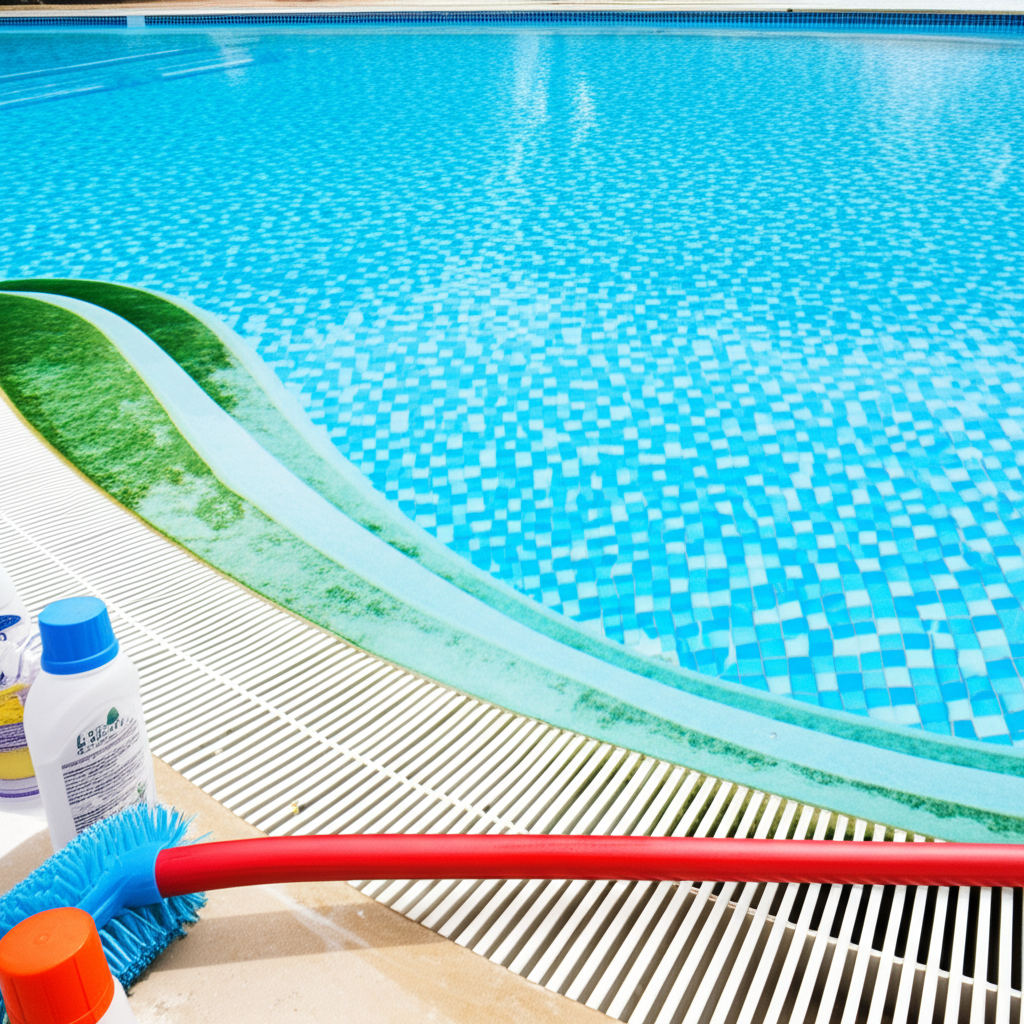
1. Brush Regularly: Brushing your pool’s plaster surface 2-3 times a week, especially when the pool is new, is non-negotiable. This prevents dirt, debris, and nascent algae from attaching to the porous surface. Pay special attention to corners, steps, and areas with poor circulation. Use a brush specifically designed for plaster finishes.
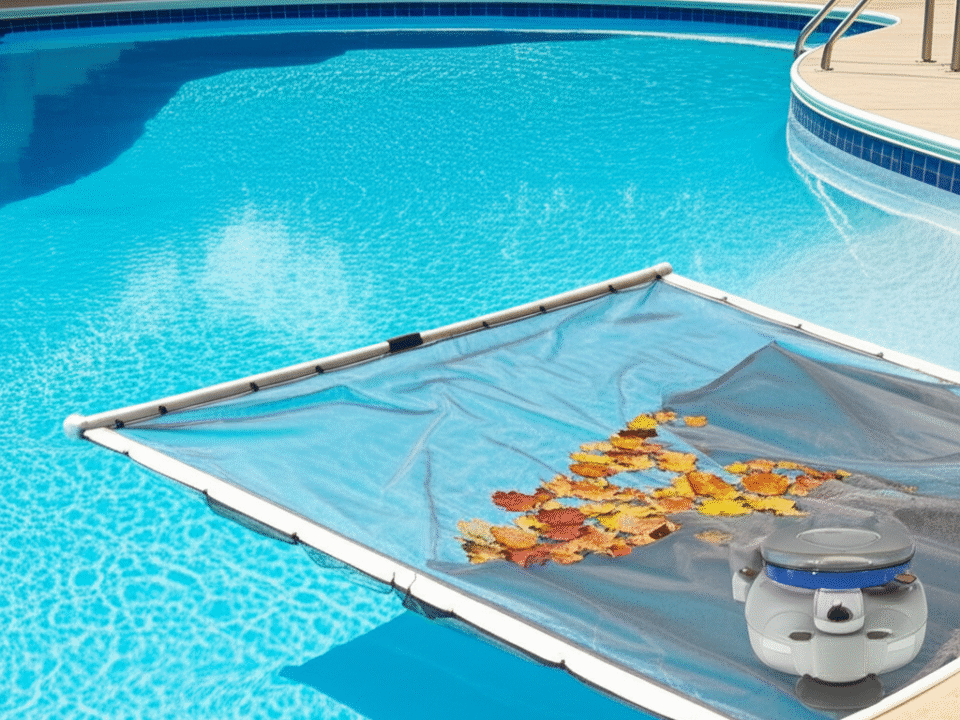
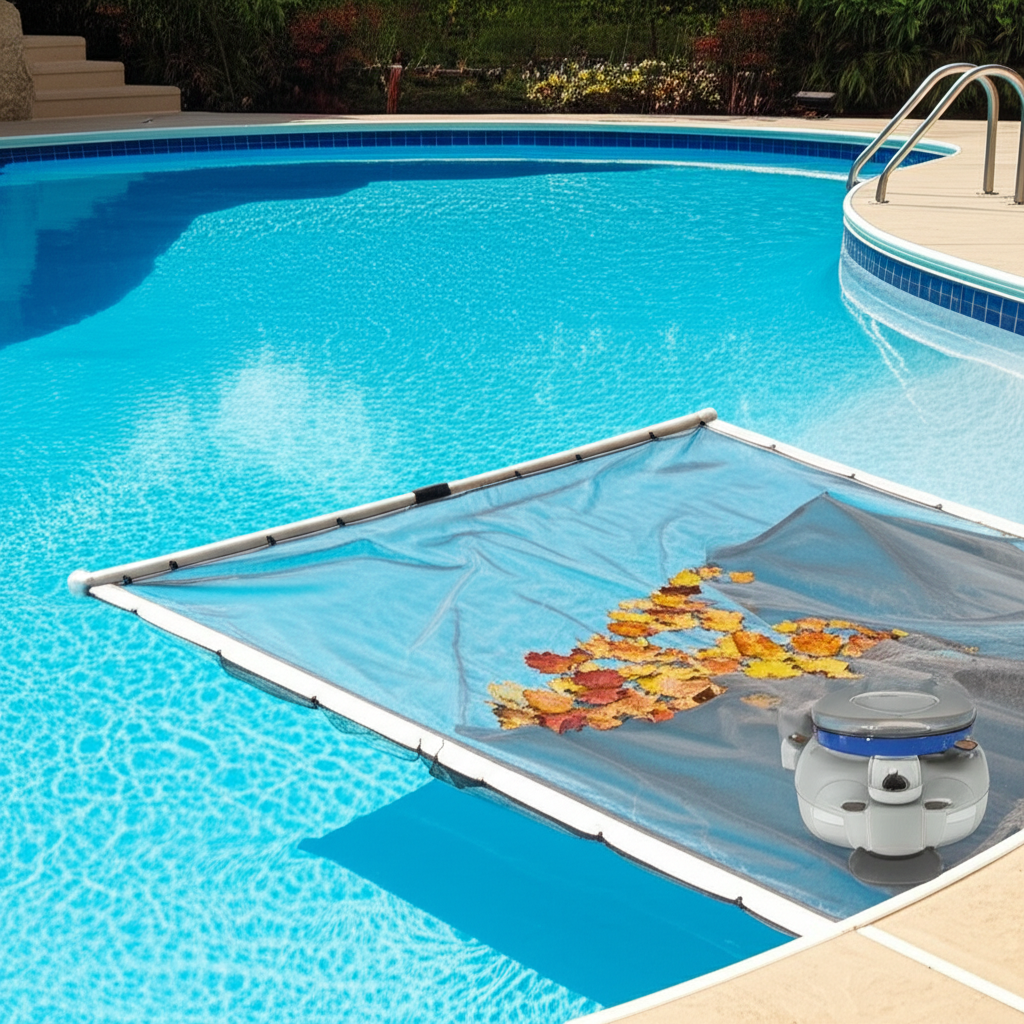
2. Skim and Vacuum: Remove leaves, insects, and other debris daily to prevent them from sinking and staining the plaster. A good vacuuming routine (manual or robotic) 1-2 times a week will remove settled particles that brushing alone might miss.
3. Clean Your Filter: A clean filter ensures optimal water clarity and chemical distribution, both of which support healthy plaster. Backwash sand filters or rinse cartridge filters regularly according to manufacturer guidelines.
Deeper Dive into Plaster Care for Your Concrete Pool
Sometimes, a little more focus is needed to address specific issues or prevent future ones.
Stain Management:
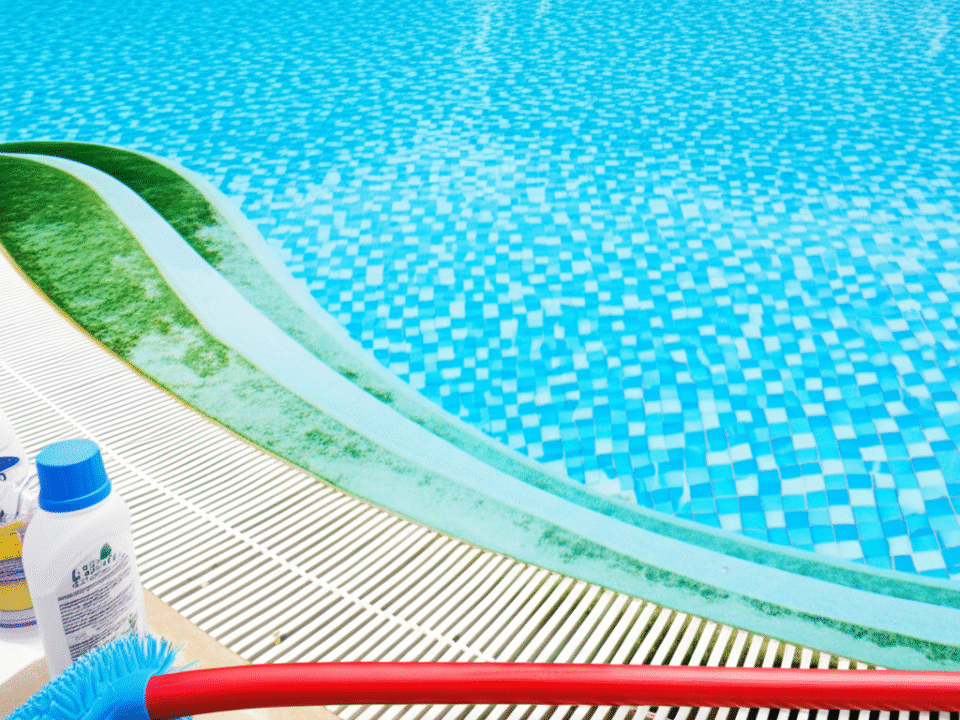
Organic Stains: Caused by leaves, berries, or algae. Often light brown or green. Regular brushing and adequate chlorine levels usually prevent them. For existing stains, shock treatments or specialized organic stain removers can help.
Metal Stains: Caused by dissolved metals (iron, copper) in the water. These show up as rust-colored, blue-green, or brown spots. Prevention involves testing for metals and using a sequestering agent. Professional stain removal might be necessary for stubborn metal stains.
Algae Prevention: Besides proper chlorine levels, ensure good circulation (run pump 8-12 hours daily) and brush regularly. If algae takes hold, it can stain the plaster. A shock treatment and thorough brushing are usually effective.
New Plaster “Start-Up” Care: For newly plastered concrete pools, the first few weeks are critical. This involves strict brushing and pH monitoring (often requiring acid additions) to cure the plaster properly and prevent mottling or dusting. Consult your pool builder or a professional for specific start-up procedures.
When to Call the Professionals
While consistent home maintenance will keep your pool in excellent condition, there are times when professional expertise is invaluable. If you’re struggling to balance your water chemistry, suspect a more complex plaster issue like severe etching or deep staining, or simply prefer to delegate the effort, a reputable pool cleaning service can provide the specialized care your pool needs. Experts in pool cleaning services can offer advanced diagnostics, specialized treatments, and routine maintenance that ensures your plaster remains in peak condition. For comprehensive services and expert advice on maintaining your concrete pool’s beautiful finish, consider reaching out to the professionals at California Blue Pool.
Conclusion
Maintaining the plaster finish of your concrete or gunite pool doesn’t have to be a daunting task. By committing to a few simple, consistent practices — meticulous water chemistry balancing, regular brushing, and timely debris removal — you can safeguard your pool’s beauty and structural integrity. These routine efforts transform potentially complex problems into effortlessly managed routines, ensuring your concrete pool continues to be a sparkling, inviting sanctuary for years to come.