
Variable Speed Pump: Unlock Massive Savings
March 4, 2026
Water Chemistry: Essential Guide for Flawless Pool Water
March 8, 2026
Dogs in Pool: Embracing Canine Joy with Ultimate Safety and Care
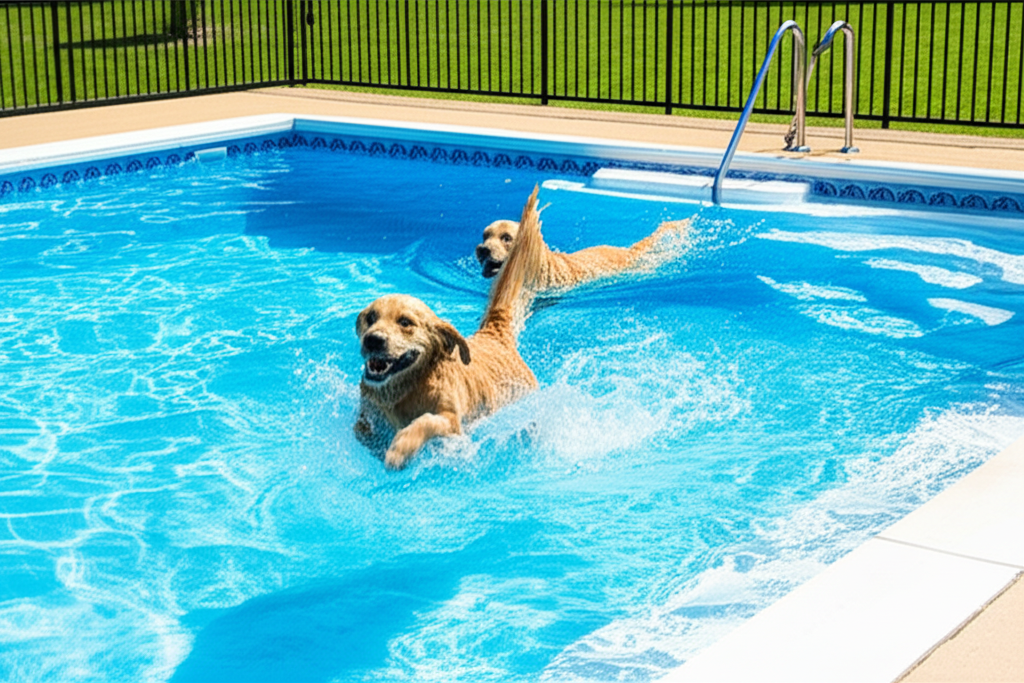
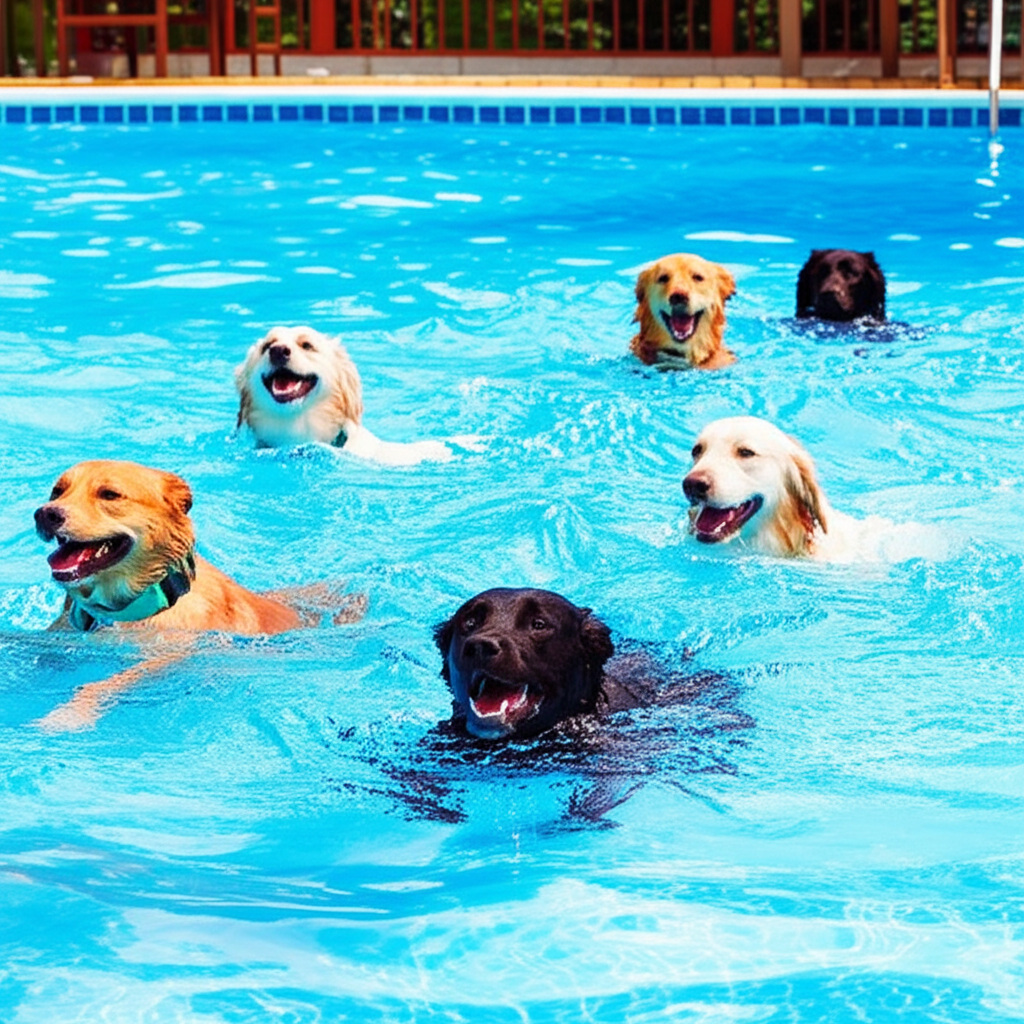
Dogs in Pool can be a source of immense joy and refreshing activity for our furry friends, especially during warmer months. Watching your dog paddle with delight or playfully splash around can be incredibly rewarding, offering both physical exercise and mental stimulation. However, this delightful pastime also comes with significant responsibilities, demanding careful attention to pet safety pool measures and diligent post-swim care. Ensuring your dog’s pool experience is not only fun but also completely safe and healthy requires understanding key precautions and consistent routines.
The Benefits of Pool Time for Your Canine Companion
Beyond the sheer enjoyment, swimming offers numerous health benefits for dogs. It’s an excellent low-impact exercise, ideal for dogs with joint issues, senior pups, or those recovering from injuries. Swimming helps build muscle strength, improves cardiovascular health, and provides a much-needed cooling mechanism on hot days. For high-energy breeds, it can be a fantastic way to burn off excess energy and prevent boredom, contributing to a calmer, happier dog.
Pet Safety Pool: Essential Considerations for Owners
Ensuring your dog’s safety around and in the pool should always be the top priority. A proactive approach can prevent accidents and ensure a positive experience for everyone.
Constant Supervision is Non-Negotiable: Never leave your dog unsupervised in or around the pool, even if they are strong swimmers. Accidents can happen quickly, from unexpected cramps to getting disoriented. Your presence is the most effective safety device.
Teach Entry and Exit Points: Dogs don’t instinctively know how to exit a human pool. Familiarize them with the steps, ramps, or shallow ends. Practice entering and exiting repeatedly, guiding them to the exit point. Consider specialized pet ramps designed to assist dogs in getting out safely.
Life Vests for Added Security: For novice swimmers, breeds with low body fat (like Greyhounds), those with short snouts (Brachycephalic breeds like Pugs and Bulldogs), or breeds with heavy chests and short legs (like Basset Hounds), a well-fitting dog life vest is crucial. It provides buoyancy and often includes a handle for easy retrieval.
Maintain Optimal Water Quality: Just as for humans, proper pool maintenance is vital for your dog’s health. Poorly balanced water can irritate their skin, eyes, and mucous membranes. Regular testing and treatment ensure the water is clean and free of harmful bacteria and algae, which can cause canine illnesses. For expert help in maintaining crystal-clear water safe for your pet, consider professional pool cleaning services from California Blue Pool.
Chemical Considerations: Dogs may inadvertently ingest pool water while swimming. Ensure chemical levels, especially chlorine, are within safe limits. Avoid using harsh chemicals right before your dog swims. If you’re unsure about your pool’s chemical balance, a professional service can provide peace of mind.
Pool Fencing and Cover: A secure fence around the pool with a self-latching gate is essential to prevent unsupervised access. A sturdy pool cover can also add an extra layer of protection when the pool is not in use.
Preparing Your Dog for Pool Time
Introducing your dog to the pool should be a gradual and positive experience. Start with short sessions in the shallow end, using treats and praise to create positive associations. Never force your dog into the water, as this can create fear and aversion. Allow them to explore at their own pace. Teaching basic commands like “come” and “stay” can also be invaluable around water.
Post-Pool Care: Keeping Your Dog Healthy
After a fun swim, a little extra care goes a long way in preventing common issues.
Thorough Rinsing: Immediately after swimming, rinse your dog thoroughly with fresh water. This removes chlorine, salt, or other chemicals that can irritate their skin and coat.
Ear Cleaning and Drying: Water trapped in the ears is a prime breeding ground for bacteria and yeast, leading to painful ear infections. Gently dry your dog’s ears with a towel and, if recommended by your vet, use an ear-cleaning solution designed for dogs after swimming.
Skin and Coat Care: Keep an eye out for any skin irritation or dryness. Some dogs with sensitive skin might benefit from a conditioning spray or balm. Regular brushing can help distribute natural oils and prevent matting, especially in longer-haired breeds.
Paw Pad Inspection: The rough surfaces around a pool can be abrasive on paw pads. Check their paws for any cuts, scrapes, or excessive dryness. Consider paw balms if needed.
* Offer Fresh Water: Always have fresh drinking water available. Dogs can get dehydrated even while swimming, and encouraging them to drink fresh water helps prevent them from ingesting too much pool water.
Maintaining Your Pool for Optimal Dogs in Pool Safety
A clean and well-maintained pool is fundamental to your dog’s safety and well-being. Regular pool cleaning removes debris, leaves, and pet hair that can clog filters and harbors bacteria. Monitoring and adjusting chemical levels are also crucial to prevent skin and eye irritation. If you find proper chemical balance or frequent cleaning challenging, consider outsourcing this task. For comprehensive pool cleaning services that ensure your water is safe for all family members, including your beloved pets, visit California Blue Pool. They can help maintain a pristine environment, so you and your dog can enjoy stress-free dips.
By integrating these safety measures and care routines, you can transform your pool into a fantastic retreat for your dog. With responsible ownership, pool time with your canine companion can be a source of endless delight and healthy activity for many years to come, solidifying the bond you share.