Saltwater Pool: Effortless Maintenance
February 6, 2026Concrete Pool: Effortless Plaster Care Guide
February 9, 2026
- The Undeniable Appeal of a Fiberglass Pool
- Understanding Your Fiberglass Pool's Gelcoat
- The Secrets to Effortless Gelcoat Care
- 1. Regular Cleaning Practices
- 2. Maintaining Optimal Water Chemistry: A Cornerstone of Gelcoat Care
- 3. Preventing and Addressing Stains
- 4. Protecting Against UV Damage
- 5. Seasonal Readiness
- When to Seek Professional Pool Cleaning Services
- The Joy of an Effortlessly Maintained Fiberglass Pool
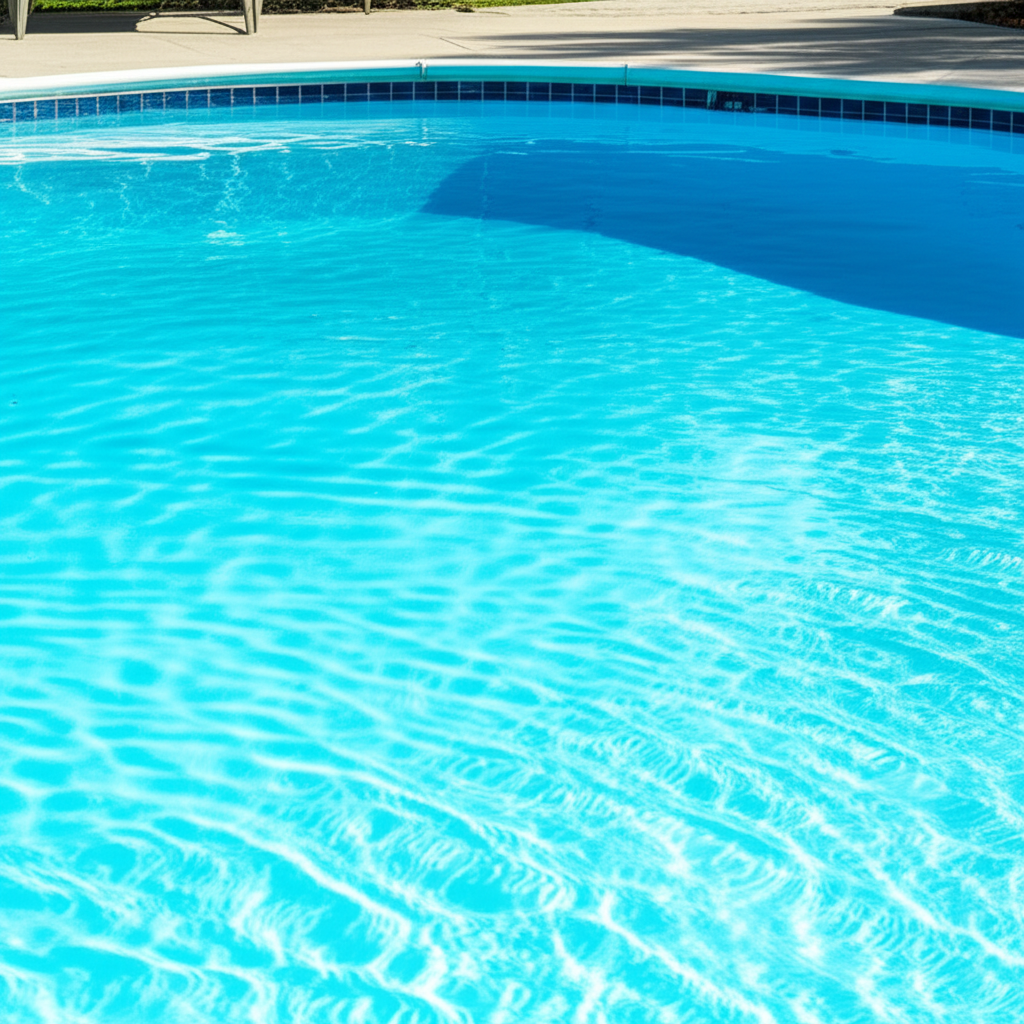
Fiberglass Pool: the very phrase evokes images of crystalline waters and endless summer days with minimal upkeep. At the heart of a fiberglass pool’s renowned durability and smooth, inviting surface lies its gelcoat. This protective outer layer is what you see and feel, and its proper care is paramount to maintaining your pool’s aesthetic appeal and longevity. Fortunately, gelcoat care is far less daunting than many imagine, proving itself to be an exceptionally effortless endeavor when approached with a few simple, consistent practices.
The Undeniable Appeal of a Fiberglass Pool
Before diving into the specifics of gelcoat maintenance, it’s worth appreciating why fiberglass pools have become a top choice for homeowners. Their smooth, non-porous surface not only feels luxurious underfoot but also actively resists algae growth. Coupled with rapid installation times and superior structural integrity, fiberglass pools offer a compelling package of convenience and enjoyment. This inherent low-maintenance nature is largely due to the robust and resilient gelcoat finish.
Understanding Your Fiberglass Pool’s Gelcoat
The gelcoat is not merely a paint layer; it’s a high-performance, colored resin material that is integral to the fiberglass shell. Applied during the manufacturing process, it serves multiple critical functions:
1. Aesthetics: It provides the vibrant, often shimmering color of your pool, from deep blues to serene grays.
2. Protection: It acts as a waterproof barrier, protecting the underlying fiberglass structure from water exposure, chemicals, and UV radiation.
3. Smoothness: Its non-porous nature creates a delightfully smooth surface that resists staining and algae adhesion, unlike the rougher texture of plaster.
4. Durability: It is designed to withstand the harsh pool environment, including changes in temperature and constant water exposure.
Understanding its purpose highlights why consistent, albeit effortless, gelcoat care is crucial for preserving these benefits year after year.
The Secrets to Effortless Gelcoat Care
Maintaining your fiberglass gelcoat doesn’t require specialized knowledge or intensive labor. It revolves around a few fundamental practices that, when made habitual, ensure your pool remains a sparkling oasis.
1. Regular Cleaning Practices
The simplest form of gelcoat care is regular cleaning. This includes:
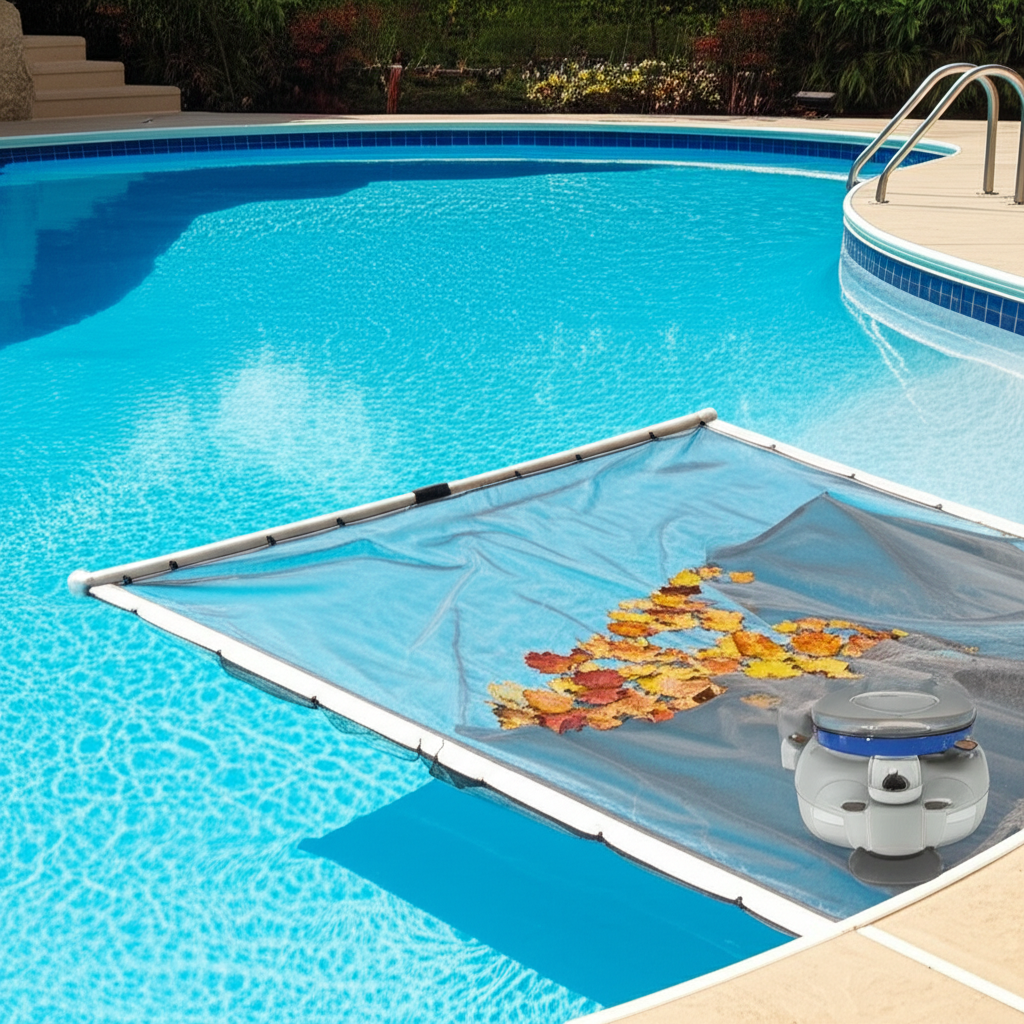
Skimming: Daily skimming of the surface removes leaves, insects, and other debris that can sink and stain.
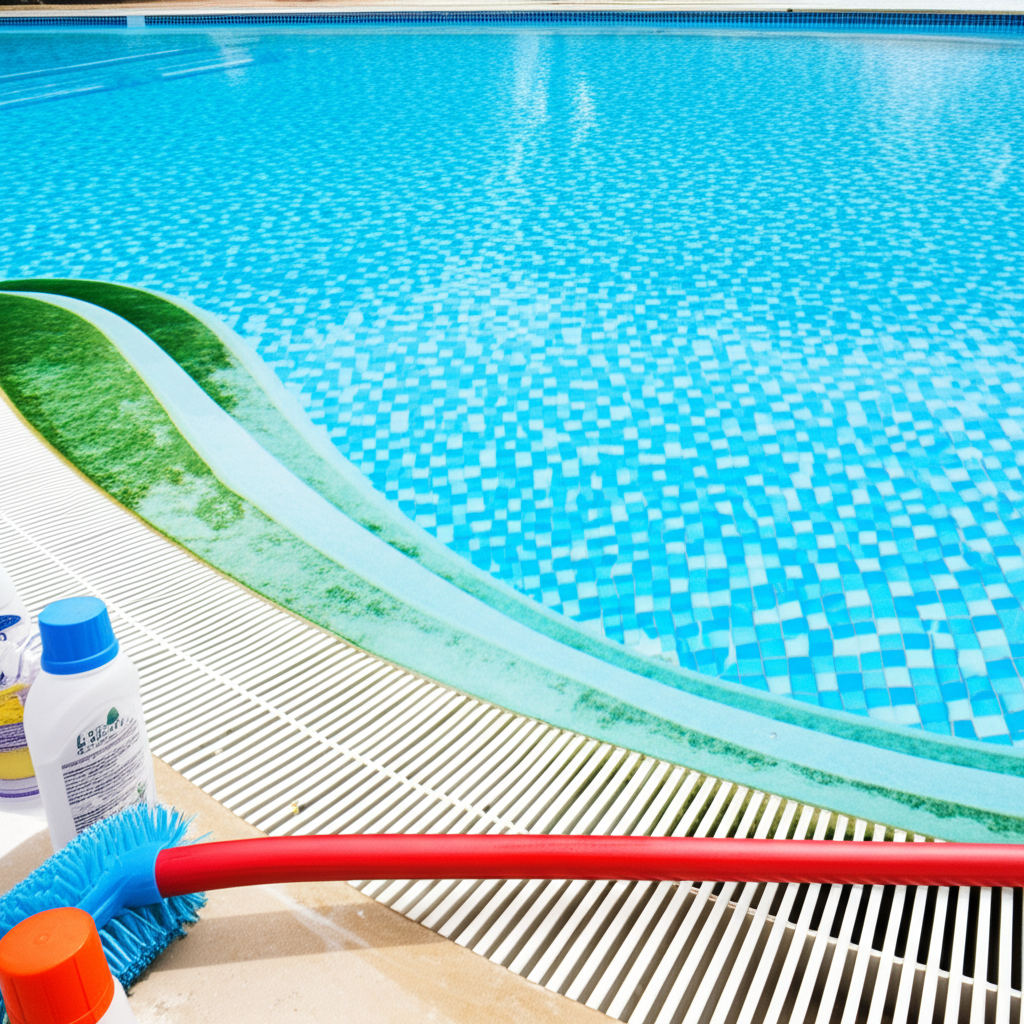
Brushing: Gently brush the walls and floor of your pool at least once a week. This dislodges any nascent algae growth and keeps the gelcoat smooth and free of buildup. Ensure you use a brush specifically designed for fiberglass pools to avoid scratching.
Vacuuming: Regular vacuuming, whether manual or with an automatic cleaner, prevents dirt and fine particles from settling and adhering to the gelcoat. Robotic cleaners are particularly excellent at keeping the surface spotless with minimal intervention from you. For comprehensive and hassle-free solutions, consider professional pool cleaning services to ensure your fiberglass pool remains immaculate without you lifting a finger.
2. Maintaining Optimal Water Chemistry: A Cornerstone of Gelcoat Care
This is arguably the most critical aspect of fiberglass pool gelcoat care. Imbalanced water chemistry can lead to dullness, staining, etching, and even premature degradation of the gelcoat.
pH Levels: Keep your pH between 7.4 and 7.6. This is crucial for both swimmer comfort and gelcoat integrity.
Alkalinity: Maintain total alkalinity between 80-120 ppm. This acts as a buffer for pH, preventing drastic fluctuations.
Calcium Hardness: Aim for 150-250 ppm. Low calcium can make the water corrosive to the gelcoat, while excessively high levels can lead to scaling.
Sanitizer Levels: Ensure appropriate levels of chlorine or your chosen sanitizer to prevent bacterial and algal growth.
Test your water regularly (2-3 times per week) and adjust chemicals as needed. Consistent adherence to these parameters will significantly extend the life and beauty of your gelcoat.
3. Preventing and Addressing Stains
Due to its non-porous nature, fiberglass gelcoat is highly stain-resistant, but it’s not entirely immune.
Immediate Removal: Address any visible debris or organic matter quickly. Fruit, leaves, or metal objects left on the surface can leave unsightly marks.
Spot Treatment: For common organic stains (e.g., from leaves), a gentle pool brush and a small amount of granular chlorine often suffice. For metallic stains (e.g., from rusty staples or rebar), specific stain removers designed for fiberglass pools can be used. Always follow product instructions carefully and test on an inconspicuous area first.
4. Protecting Against UV Damage
While gelcoats are formulated with UV inhibitors, prolonged, intense sun exposure can still lead to fading over many years.
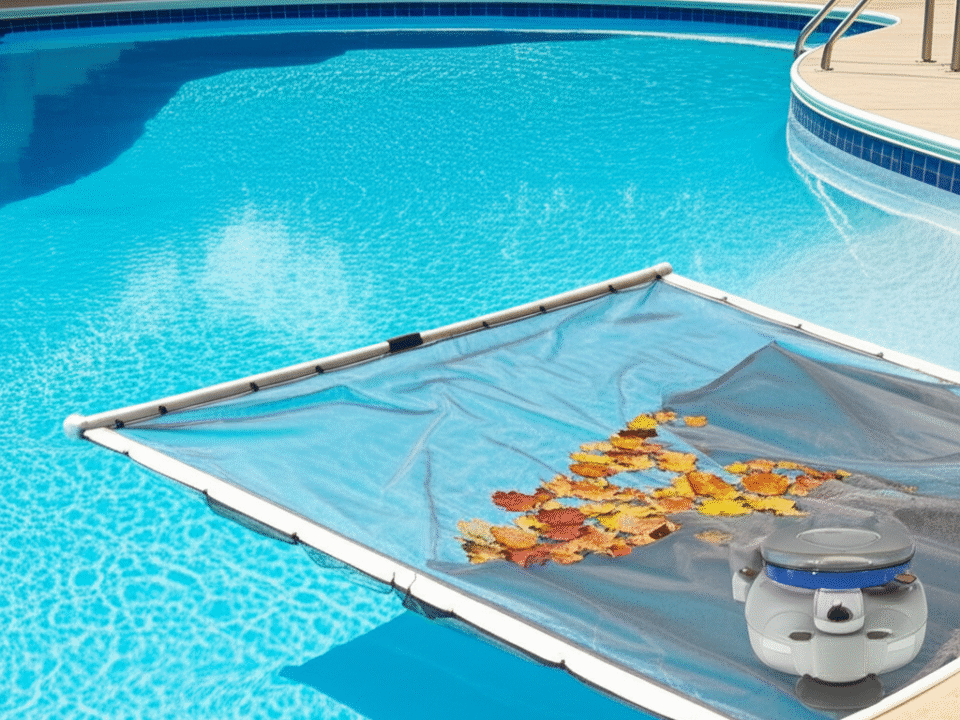
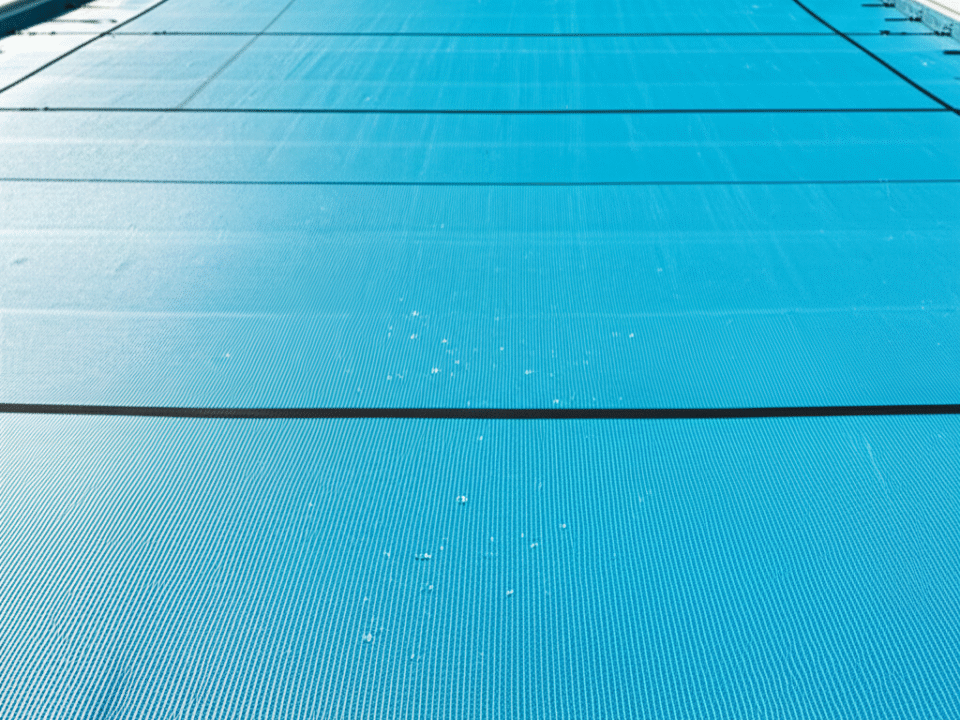
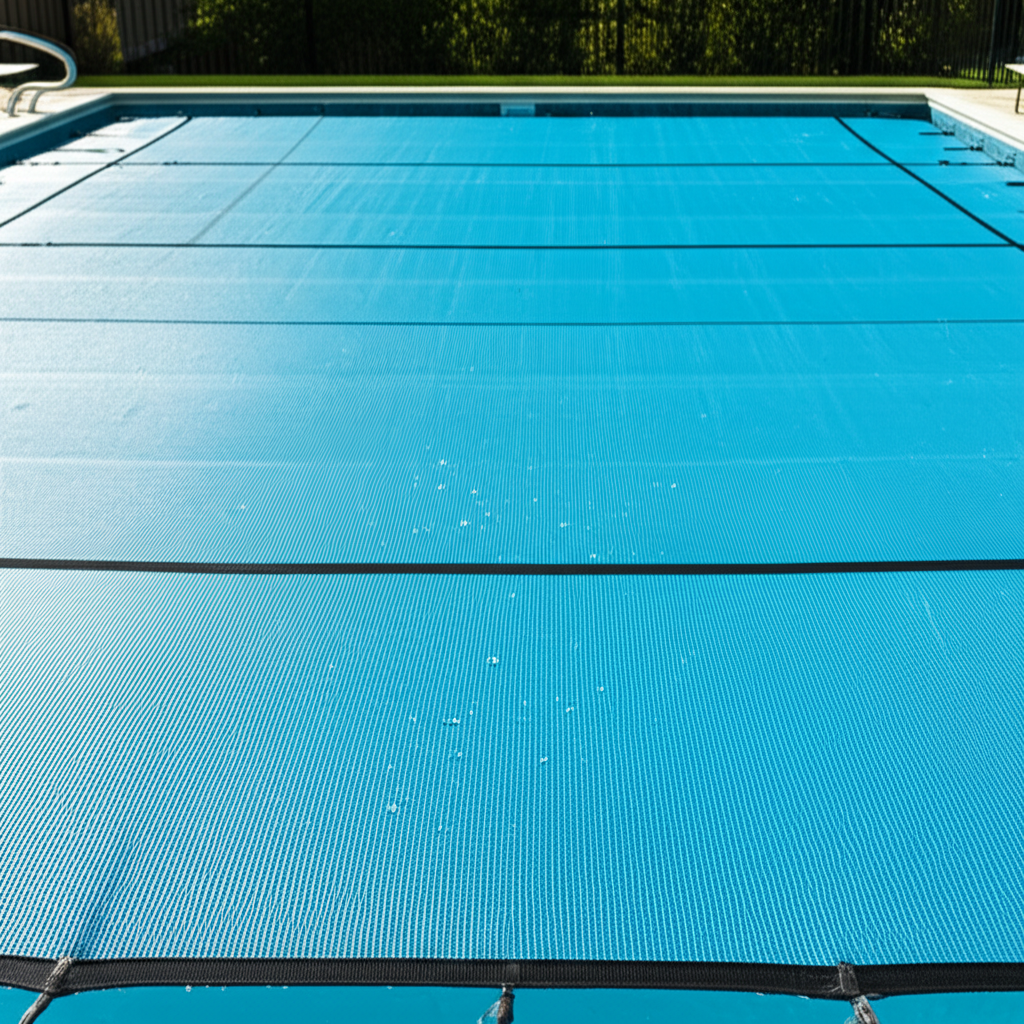
Pool Covers: Using a pool cover when not in use can significantly reduce UV exposure, as well as minimize debris and conserve heat.
* Water Chemistry: Counterintuitively, maintaining proper water chemistry helps the gelcoat resist UV degradation by preventing corrosion and surface erosion that make it more vulnerable.
5. Seasonal Readiness
Proper opening and closing procedures are vital. When winterizing, ensure the pool is thoroughly cleaned and chemically balanced before covering. In spring, a careful opening, including balancing water chemistry, sets the stage for a pristine summer.
When to Seek Professional Pool Cleaning Services
While the aforementioned steps make gelcoat care easily manageable for most homeowners, there are times when professional expertise is invaluable. If you encounter stubborn stains that resist your efforts, significant fading, surface scratching, or any other structural changes to your gelcoat (though rare), consult a reputable pool professional. They possess specialized tools and knowledge for more intensive treatments, such as polishing, minor gelcoat repair, or acid washing if absolutely necessary. For continuous peace of mind and to ensure your valuable investment is always in top condition, routine pool cleaning services are an excellent option. Professionals can handle the regular maintenance, freeing up your time and guaranteeing expert care for your fiberglass pool.
The Joy of an Effortlessly Maintained Fiberglass Pool
Ultimately, the allure of a fiberglass pool lies not just in its beauty but in the lifestyle it offers. By integrating simple, consistent habits into your routine, gelcoat care becomes genuinely effortless, ensuring your pool remains a vibrant centerpiece of your home. A little proactive attention goes a long way in preserving the smooth, inviting finish and extending the life of your swimming paradise, allowing you more time to simply relax and enjoy.