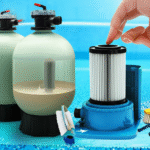
Filter Cleaning: Expert Tips for Best Pool Water
January 31, 2026
Pool Opening: Your Ultimate Guide for Easy Summer Prep
February 3, 2026
- What is Pool Backwashing and Why is it Essential?
- When to Perform Pool Backwashing
- Your Step-by-Step Guide to Effective Pool Backwashing
- Tips for Enhancing Filter Maintenance and Longevity
- Common Backwashing Issues and Troubleshooting
- The Benefits of Consistent Pool Backwashing
Pool Backwashing is a fundamental yet often misunderstood process crucial for maintaining a healthy and sparkling swimming environment. It’s the secret weapon in your arsenal against murky water and overworked equipment, essentially giving your pool filter a much-needed cleanse to ensure it continues to operate at peak efficiency. Understanding when and how to backwash your pool filter isn’t just about clearer water; it’s about extending the life of your equipment, improving water quality, and ultimately, saving you time and money on costly repairs or excessive chemical use.
What is Pool Backwashing and Why is it Essential?
At its core, pool backwashing is the process of reversing the flow of water through your pool’s filtration system. Your pool filter, whether it’s a sand or diatomaceous earth (DE) filter, works by trapping microscopic debris, dirt, and contaminants from your pool water. Over time, these trapped particles accumulate, clogging the filter media and hindering its ability to effectively clean the water. This buildup leads to increased pressure within the filter tank, reduced water flow back into the pool, and a strain on your pool pump, which has to work harder to push water through the clogged filter.
Backwashing addresses this problem by flushing out the accumulated debris. Instead of sending dirty water into the filter to be cleaned, backwashing sends clean water backwards through the filter, dislodging the trapped dirt and sending it out through a waste line. This process restores the filter’s capacity to capture new contaminants, thereby improving water clarity, reducing the workload on your pump, and maintaining optimal circulation. Ignoring this vital step can lead to persistently cloudy water, algae blooms, and premature wear and tear on your pool equipment.
When to Perform Pool Backwashing
Knowing when to backwash is as important as knowing how. Here are the key indicators:
1. Pressure Gauge Reading: Your filter has a “normal” operating pressure, typically established when the filter is clean. When the pressure gauge reads 8-10 PSI (pounds per square inch) above this normal clean pressure, it’s time to backwash. This indicates that the filter media is saturated with debris, causing increased resistance to water flow.
2. Reduced Water Flow: You might notice a decrease in the strength of water returning to your pool through the return jets. This is a direct consequence of a clogged filter restricting circulation.
3. Cloudy Pool Water: If your pool water starts to look cloudy or hazy despite balanced chemistry, a dirty filter could be the culprit.
4. Regular Schedule: During peak swimming season, or if your pool experiences heavy use or significant debris (e.g., after a storm), you might need to backwash every 1-2 weeks. Less frequently used pools might only need it monthly.
For optimal pool maintenance, it’s always a good idea to check your filter’s pressure gauge regularly, ideally several times a week during peak season.
Your Step-by-Step Guide to Effective Pool Backwashing
The process for backwashing is generally similar for sand and DE filters, though DE filters require an additional step.
For Sand and DE Filters (General Steps):
1. Turn Off the Pool Pump: This is critical to prevent damage to your filter’s multiport valve or pump impeller.
2. Adjust the Multiport Valve: Locate the large handle on top or side of your filter. Press down (if applicable) and rotate the handle to the “BACKWASH” position. Ensure the handle locks securely into place.
3. Turn On the Pool Pump: Let the pump run. You’ll typically see cloudy water flowing out of the waste line, usually through a clear sight glass mounted on the multiport valve.
4. Monitor the Sight Glass: Continue backwashing until the water in the sight glass runs clear (usually 2-3 minutes).
5. Turn Off the Pool Pump: Again, never change valve settings while the pump is running.
6. Adjust to “RINSE” Setting: Set the multiport valve to the “RINSE” position (also sometimes called “RE-RINSE”). This step flushes any remaining dirt from the filter lines into the waste, preventing it from going back into your pool.
7. Turn On the Pool Pump: Run the pump for 30-60 seconds, or until the water in the sight glass runs clear.
8. Turn Off the Pool Pump:
9. Return to “FILTER” Setting: Set the multiport valve back to the “FILTER” position.
10. Turn On the Pool Pump: Your filter is now ready to resume normal operation.
Special Considerations for Diatomaceous Earth (DE) Filters:
After completing the backwash and rinse cycles for a DE filter, you must replenish the DE powder. DE powder forms a fine, porous coating on the filter grids, making it highly effective at trapping tiny particles. Backwashing removes this coating.
1. Prepare DE Slurry: Consult your filter’s manual for the correct amount of DE powder, usually measured in pounds or scoops. Mix the specified amount of DE powder with water in a bucket to create a thin slurry.
2. Add DE to Skimmer: With the pump running on the “FILTER” setting, slowly pour the DE slurry into the pool skimmer closest to the pump. The DE will be sucked into the filter, recoating the grids.
If you are unsure about the proper procedures or quantities required for your specific filter type, especially when dealing with DE powder or complex pressure systems, professional pool cleaning services can provide expert assistance.
Tips for Enhancing Filter Maintenance and Longevity
Don’t Over-Backwash: Backwashing too frequently can be counterproductive, as it removes the beneficial “filter cake” that helps trap finer particles. Only backwash when indicators (like pressure) tell you to.
Keep Your Pool Chemistry Balanced: Proper pH and sanitizer levels prevent algae and other contaminants from putting unnecessary strain on your filter.
Regular Basket Cleaning: Routinely empty your skimmer and pump baskets. Large debris caught there won’t make it to your filter but will restrict flow if left to fester.
Consider Professional Filter Cleaning: Over time, especially for DE and sand filters, deeper cleaning or media replacement might be necessary. Sand needs to be replaced every 5-7 years, while DE grids might need acid washing or replacement. For questions about comprehensive filter maintenance or more involved professional pool services, it’s always wise to consult experts.
Common Backwashing Issues and Troubleshooting
Water Not Clearing: If your water remains cloudy after backwashing and adding DE (if applicable), check your chemical balance. Also, ensure you added the correct amount of DE.
Loss of DE Powder into Pool: If you see DE powder returning through your pool jets, it indicates a tear or damage to your DE filter grids. This requires professional inspection and repair.
Low Pressure After Backwash: If the pressure remains unusually low after a thorough backwash, it could indicate a problem with the pump, a clogged impeller, or an air leak in the system.
The Benefits of Consistent Pool Backwashing
The effort invested in regular pool backwashing pays dividends in many ways:
Crystal Clear Water: The most obvious benefit is a beautifully clear and inviting pool, free from visible debris and cloudiness.
Extended Filter Life: By regularly cleaning your filter, you prevent excessive buildup and strain, ensuring the filter media lasts as long as intended.
Efficient Pump Operation: A clean filter means your pump doesn’t have to work as hard, leading to less energy consumption and reduced wear and tear on this vital piece of equipment.
Improved Water Circulation: Optimal flow is critical for distributing sanitizers and ensuring heat is evenly dispersed throughout the pool.
Reduced Chemical Consumption: A properly functioning filter removes more contaminants, allowing your chemicals to work more effectively and potentially reducing the amount you need to add.
In conclusion, pool backwashing is more than just a chore; it’s an essential part of responsible pool ownership. By following this guide and paying attention to your filter’s signals, you’ll ensure your filtration system continues to perform flawlessly, contributing to a sparkling clean and healthy swimming experience for years to come. For any complex issues or professional assistance with your swimming pool filter or overall pool cleaning needs, remember that expert help is always available.