
Pool Opening: Your Ultimate Guide for Easy Summer Prep
February 3, 2026
Saltwater Pool: Effortless Maintenance
February 6, 2026
- Why Proper Pool Closing is Crucial for Winter
- The Essential Steps for a Flawless Pool Closing
- Step 1: Deep Cleaning and Debris Removal
- Step 2: Balancing Your Pool Chemistry
- Step 3: Lowering the Water Level
- Step 4: Draining and Winterizing Equipment
- Step 5: Removing and Storing Accessories
- Step 6: Installing Your Pool Cover
- Master the Art of Winterizing a Pool with Professional Help
Pool Closing: It’s more than just putting a cover over your backyard oasis; it’s a critical ritual that safeguards your investment and ensures a sparkling, problem-free start to next year’s swimming season. Many pool owners view winterization as a chore, but with the right approach and a few “stunning winter prep secrets,” you can transform this task into a strategic move that saves time, money, and headaches in the long run. Proper pool closing is the preventative medicine your pool needs to weather the colder months, protecting it from freezing temperatures, unsightly algae blooms, and corrosive chemical imbalances.
Why Proper Pool Closing is Crucial for Winter
Ignoring the importance of a thorough pool closing can lead to expensive and frustrating consequences. Water left in pipes or equipment can freeze, expand, and crack vital components like pumps, filters, heaters, and PVC plumbing. Beyond structural damage, poorly maintained winter water can become a breeding ground for algae and bacteria, turning your clear blue water into a murky green swamp by spring. This not only makes opening your pool a monumental task but can also stain the pool’s interior, requiring even more intensive and costly cleaning. By dedicating time and effort (or entrusting professionals) to the process now, you’re not just closing your pool; you’re securing its longevity and ensuring maximum enjoyment for years to come.
The Essential Steps for a Flawless Pool Closing
Preparing your pool for winter doesn’t have to be daunting. By breaking down the process into manageable steps, you can ensure every aspect is covered, leading to a pristine pool come spring.
Step 1: Deep Cleaning and Debris Removal
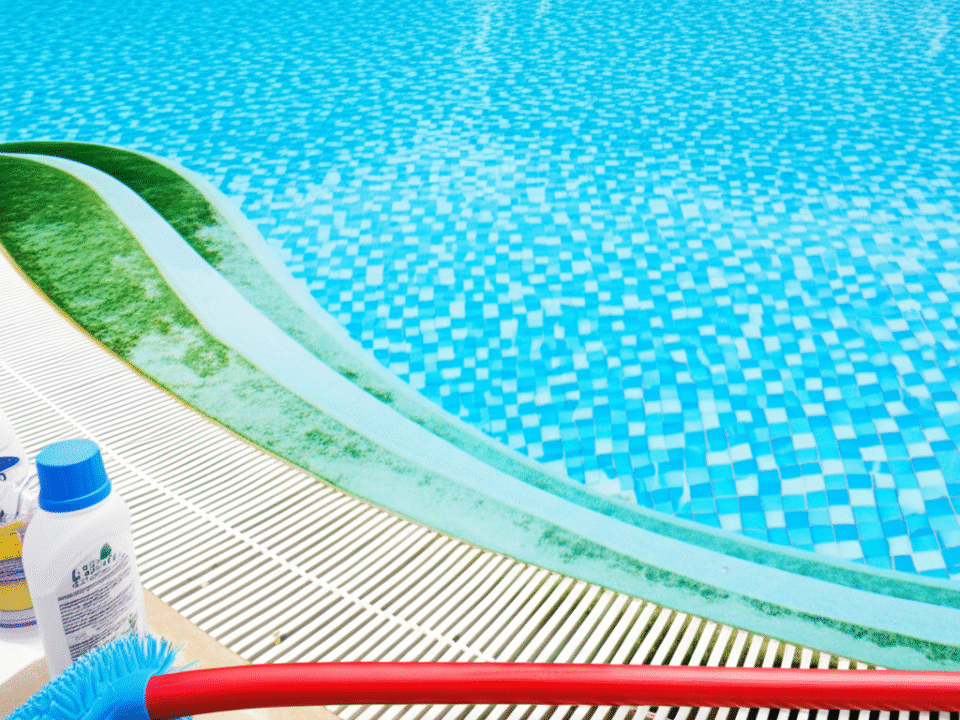
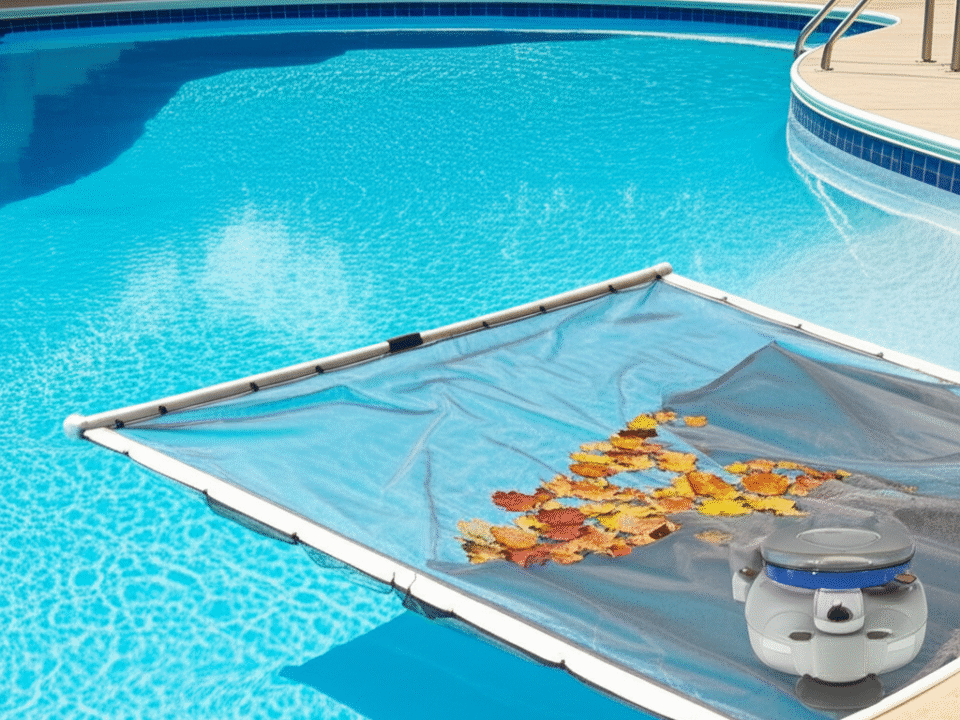
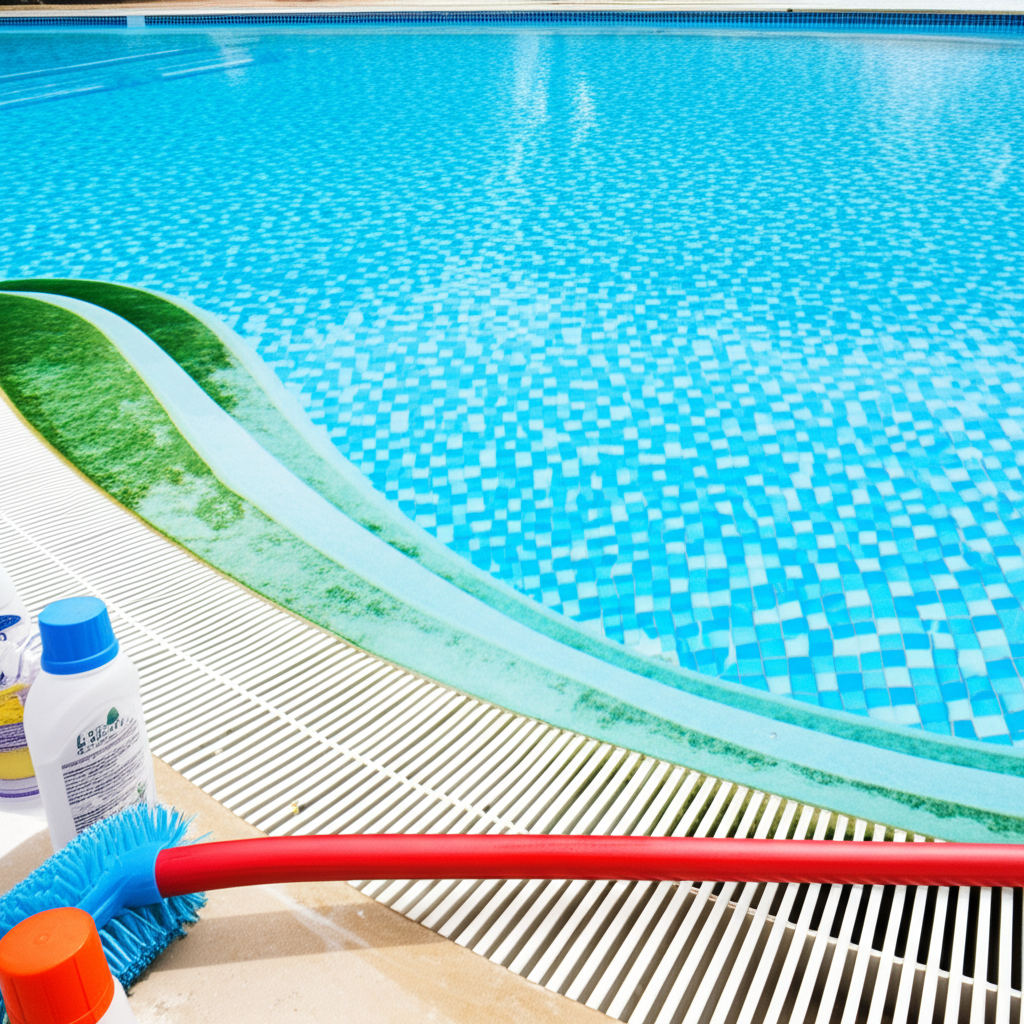
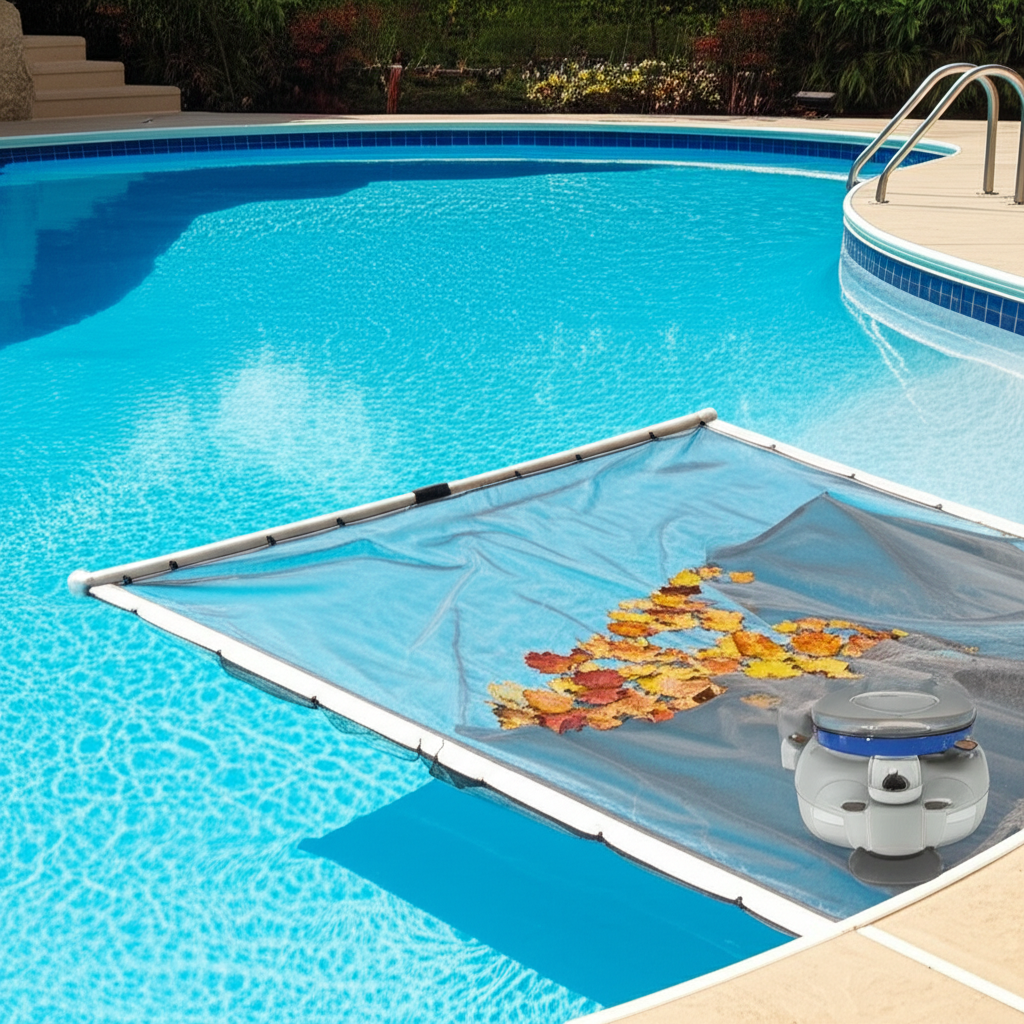
Before anything else, your pool needs to be impeccably clean. Skim all leaves, bugs, and floating debris. Thoroughly vacuum the pool floor and brush down the walls, paying special attention to areas where algae might start to cling. This deep clean is crucial because any organic material left in the pool can decompose over winter, fueling algae growth and staining the pool’s surface. For those who find this task particularly arduous or want a truly spotless start, professional pool cleaning services can provide the deep clean necessary to set the stage for successful winterization.
Step 2: Balancing Your Pool Chemistry
This is arguably one of the most vital “stunning winter prep secrets.” Balanced water prevents corrosion of equipment, protects the pool liner or plaster, and inhibits algae growth. Test your water’s pH, alkalinity, calcium hardness, and cyanuric acid levels. Adjust them to be within the ideal ranges:
pH: 7.4-7.6
Alkalinity: 80-120 ppm
Calcium Hardness: 200-400 ppm
Once balanced, shock your pool with a heavy dose of chlorine to kill any lingering bacteria or contaminants. Allow the chlorine level to drop before adding a winterizing algaecide and stain preventative, following product instructions carefully. If chemical balancing isn’t your strong suit, remember that professional pool cleaning services are adept at ensuring your water chemistry is perfectly dialed in for winter.
Step 3: Lowering the Water Level
The necessary water level reduction depends on your pool type and winter cover. For pools with a winter cover, lower the water below the skimmer opening (typically 4-6 inches below the bottom of the skimmer) to prevent water from entering the skimmer and freezing. If you have a solid safety cover, you might lower it below the return jets. Be cautious not to lower it too much, as the weight of the water can help support the pool cover and prevent structural issues in fiberglass or vinyl liner pools.
Step 4: Draining and Winterizing Equipment
This step involves safeguarding your plumbing and equipment from freezing damage.
Drain all water from pumps, filters (sand, cartridge, or D.E.), heaters, and chlorinators. Remove drain plugs and store them safely.
Blow out all water lines using a powerful air compressor to ensure no water remains in the plumbing. Plug the return lines and skimmer openings with winterizing plugs.
Add pool-grade anti-freeze to the skimmer and return lines (follow product instructions for quantity) as an extra precaution, particularly in colder climates.
* Disconnect and store any gauges, baskets, and chlorinator parts.
This intricate process is often best left to experienced technicians. Entrusting your pool closing services to professionals means peace of mind that every pipe and component is properly drained and protected.
Step 5: Removing and Storing Accessories
Take out all ladders, handrails, diving boards, toys, automatic pool cleaners, and solar blankets. Clean them thoroughly and store them in a dry, protected area away from the elements to prevent damage and extend their lifespan.
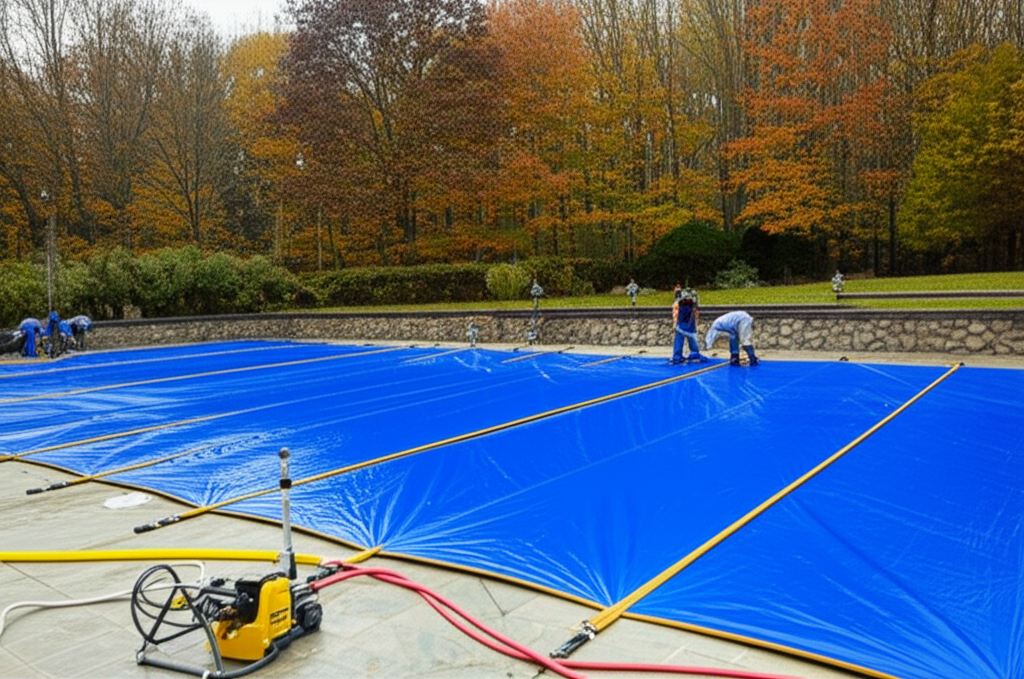
Step 6: Installing Your Pool Cover
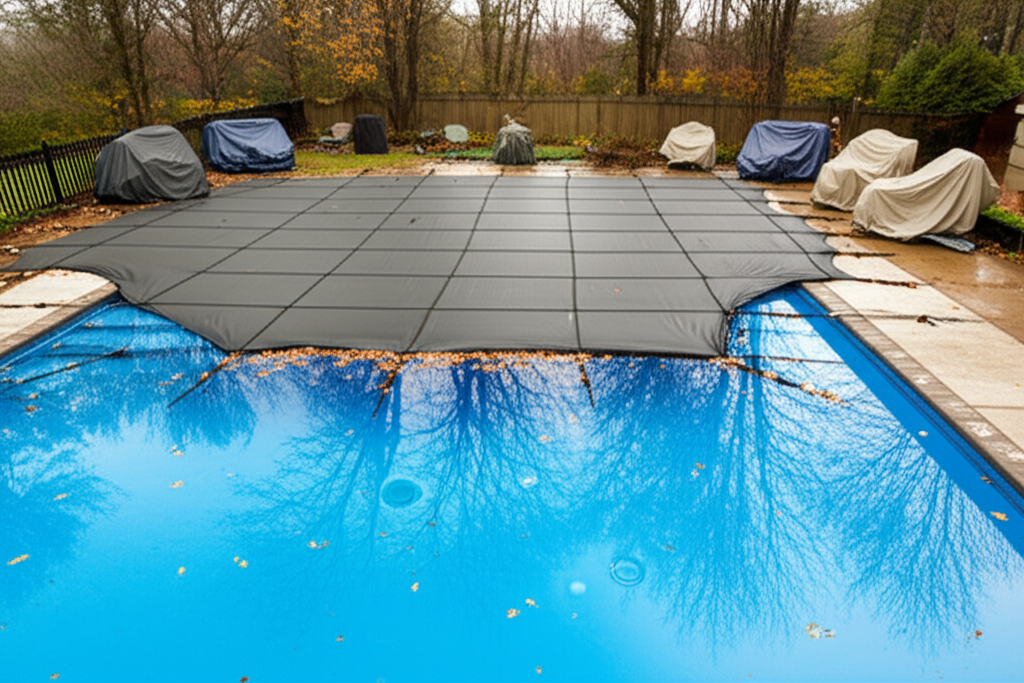
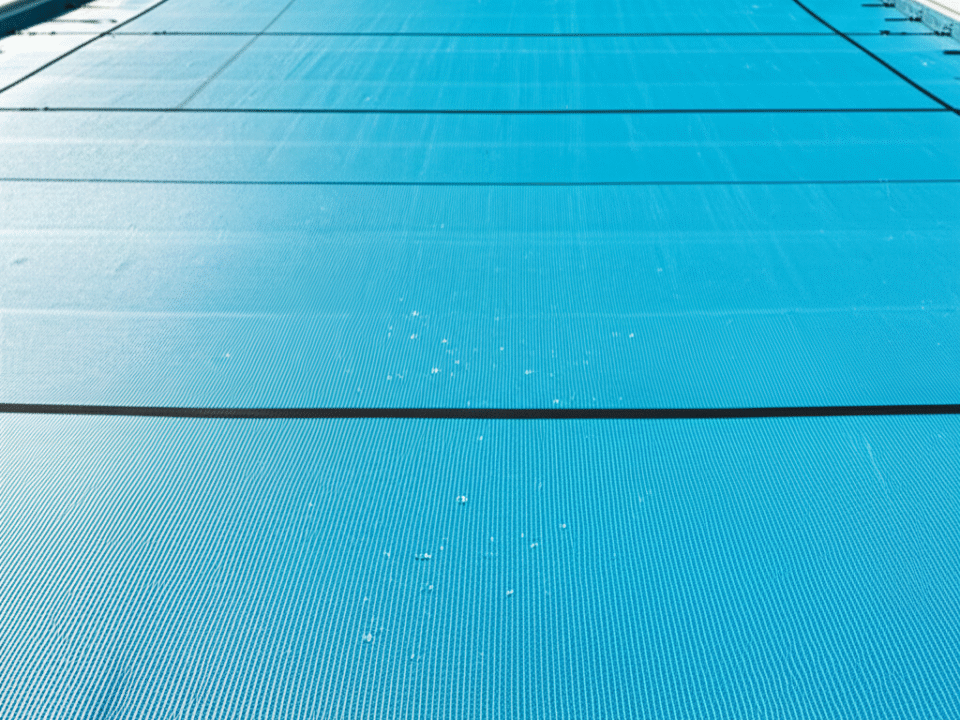
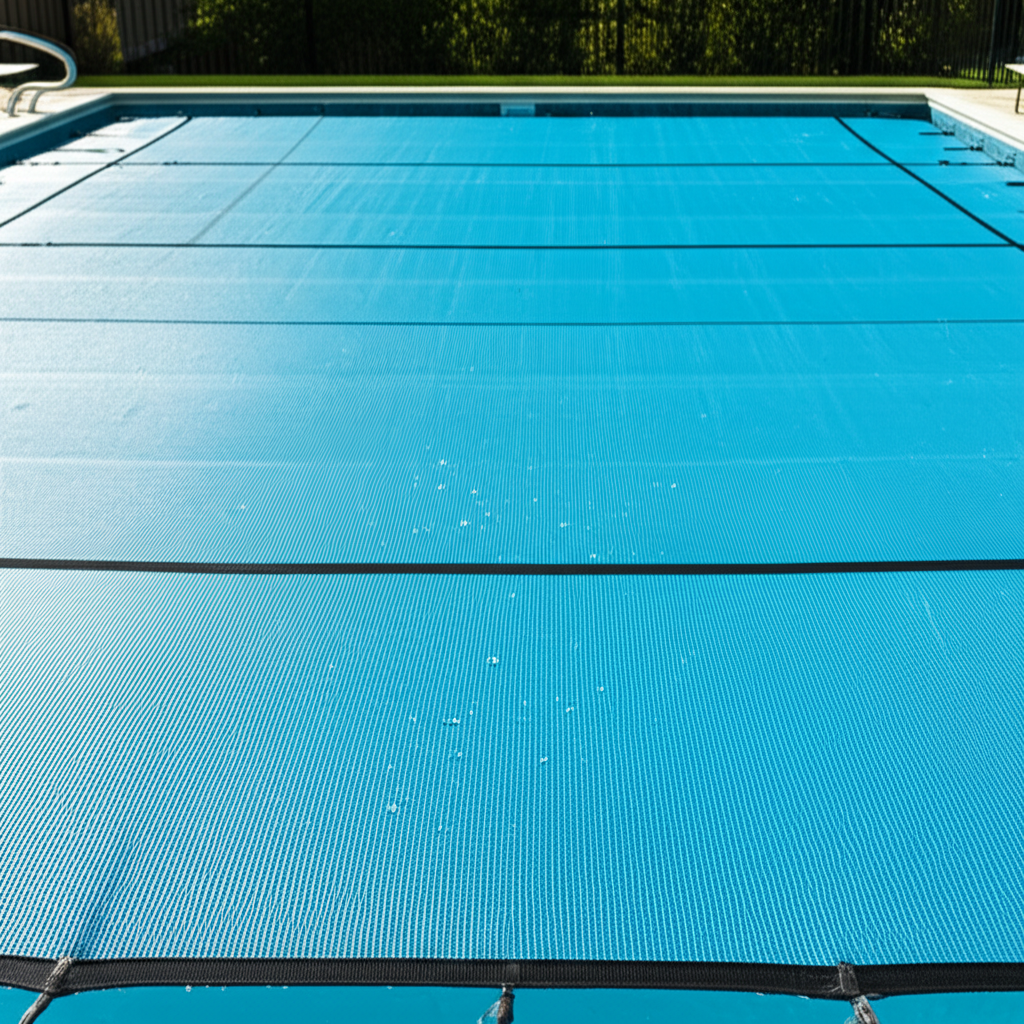
The final step in successful pool closing is installing your winter cover. Whether you use a mesh cover, a solid cover, or a safety cover, ensure it’s properly secured according to the manufacturer’s instructions. A well-installed cover will keep leaves, debris, and sunlight out of the pool, which helps prevent algae growth and keeps your water cleaner for spring opening. Adjust weights or anchor springs as needed to create a taut surface, preventing wind from getting underneath and dislodging it.
Master the Art of Winterizing a Pool with Professional Help
While the steps for winterizing a pool are clear, the execution can be complex, especially for first-time pool owners or those with intricate pool systems. The “stunning winter prep secrets” truly lie in the precision and thoroughness of each stage. Incorrect chemical balancing, incomplete draining of lines, or improper cover installation can all lead to costly repairs and a much harder spring opening.
For ultimate peace of mind and to guarantee your pool is perfectly prepared for the off-season, consider entrusting the entire process to expert pool cleaning services. Professionals have the equipment, expertise, and experience to handle every aspect of winterization, from deep cleaning and chemical balancing to intricate equipment preparation. This ensures your pool is protected against the elements, preventing potential damage and prolonging its life, so you can look forward to a quick, easy, and delightful spring opening.
By following these essential steps or relying on seasoned professionals, you’re not just closing your pool; you’re investing in its future. A properly winterized pool means less work and more enjoyment when the swimming season returns, ready for another year of cherished memories.