Pool Pump Schedule: Optimal, Effortless Runtime
February 28, 2026
Variable Speed Pump: Unlock Massive Savings
March 4, 2026
- Why Handrail Care is Non-Negotiable
- Common Foes of Pool Ladder Handrails
- The Ultimate Path to Sparkling Handrail Cleaning
- Preventative Measures for Lasting Shine
- When to Call the Professionals
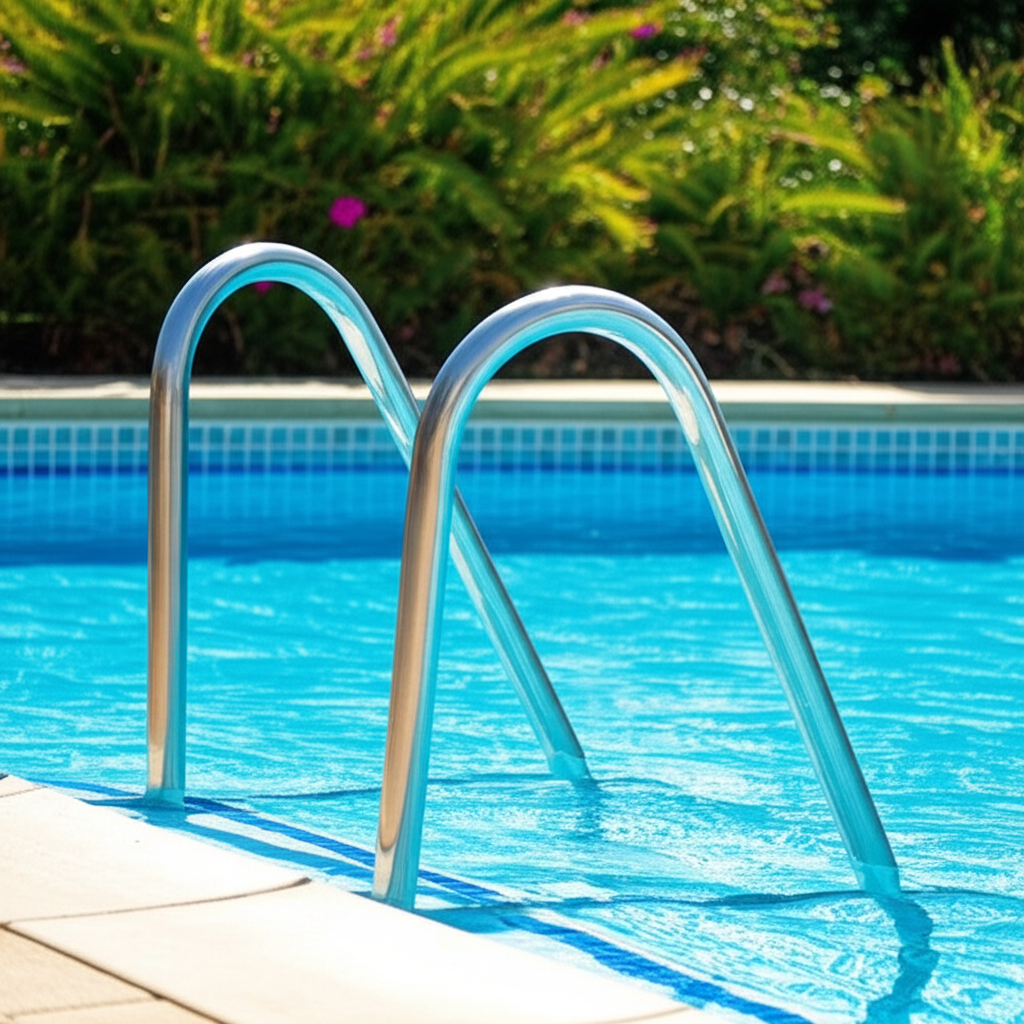
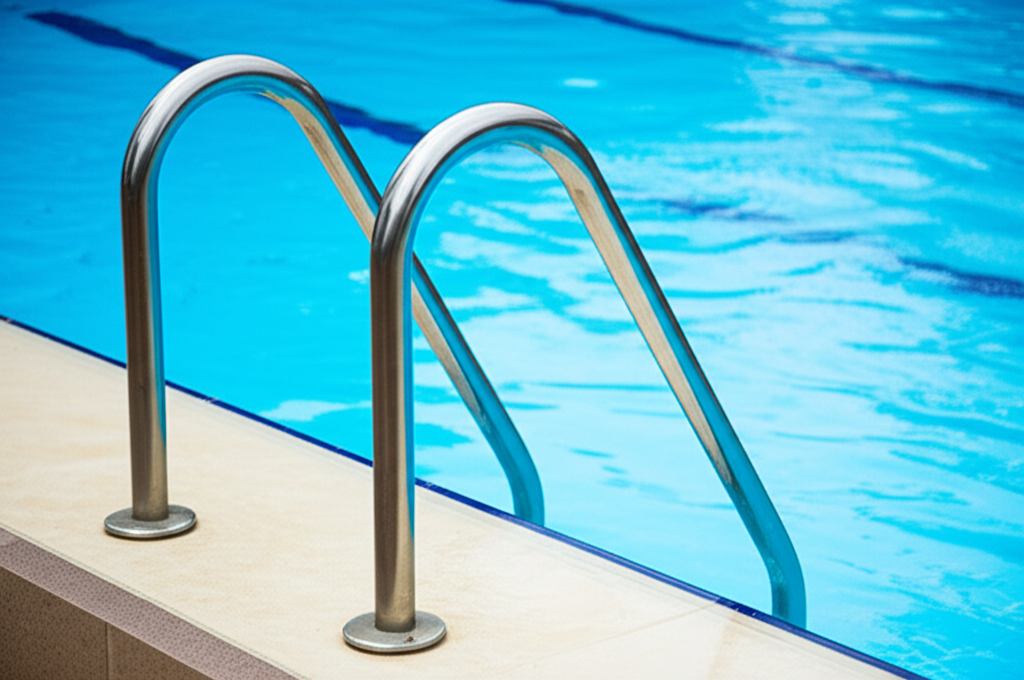
Pool Ladders are more than just functional components of your swimming area; they are crucial for safety, accessibility, and the overall aesthetic appeal of your pool. While often taken for granted, these essential fixtures require consistent attention, particularly their handrails, to ensure they remain safe, hygienic, and visually appealing. Neglecting their care can lead to slippery surfaces, unsightly corrosion, and even structural weakness, compromising the very purpose they serve. This guide delves into the ultimate, most effortless approach to handrail cleaning, ensuring your pool ladders remain a sparkling and secure entry and exit point for everyone.
Why Handrail Care is Non-Negotiable
The handrails on your pool ladders endure a constant barrage of elements: chlorinated water, UV radiation, body oils, sunscreen, environmental debris, and even mineral deposits from hard water. Over time, this exposure can lead to several undesirable outcomes:
Safety Hazards: Grimy, slimy, or corroded handrails can become incredibly slippery, posing a significant fall risk, especially for children or elderly swimmers.
Hygiene Concerns: Accumulations of oils, dirt, and biological growth (algae, mildew) create breeding grounds for bacteria, impacting the cleanliness of your pool environment.
Aesthetic Degradation: Rust stains, dull finishes, and mineral buildup detract from the clean, inviting look of your pool, making it appear poorly maintained.
Reduced Longevity: Continuous exposure to corrosive substances without proper cleaning can weaken the material of the handrails, shortening their lifespan and potentially costing more in replacements.
Common Foes of Pool Ladder Handrails
Understanding the challenges helps in tackling them effectively. Here are the most frequent issues:
Rust: Even “stainless steel” isn’t impervious to rust, especially in a chlorinated environment where scratches or prolonged contact with iron particles can initiate corrosion. Rust spots are not only unsightly but can also weaken the metal over time.
Grime and Scum: A combination of body oils, sunscreen, lotions, and general dirt often creates a noticeable brownish or grayish film on handrails, particularly near the water line.
Algae and Mildew: In humid conditions, or shaded areas, green or black biological growths can adhere to the handrails, making them slippery and unhygienic.
Mineral Scale: Hard water deposits can leave a white, chalky film on the handrails as water evaporates, which can be stubborn to remove if left unaddressed.
The Ultimate Path to Sparkling Handrail Cleaning
Achieving pristine handrails doesn’t require back-breaking labor; it simply needs the right approach and consistent effort.
1. Gather Your Arsenal:
Before you begin, ensure you have the necessary tools:
Rubber gloves (always protect your hands when dealing with chemicals)
Soft-bristle brush, non-abrasive sponge, or microfiber cloths
Mild dish soap or a dedicated pool-safe surface cleaner
White vinegar (for light mineral deposits)
Specialized rust remover (check for pool-safe formulations)
Lime, scale, and calcium remover (pool-grade)
Bucket of clean water
Garden hose
2. Initial Rinse and Gentle Scrub:
Start by thoroughly rinsing the handrails with a garden hose to remove loose dirt and debris. Then, mix a few drops of mild dish soap into a bucket of warm water. Using a soft-bristle brush or sponge, scrub the entire surface of the handrails, paying extra attention to areas with visible grime. This step handles most superficial dirt. Rinse again thoroughly.
3. Tackling Stubborn Stains: Targeted Treatment
For Grime and Scum: If the soap and water aren’t enough, consider a dedicated pool surface cleaner. Apply it according to the product instructions, allow it to dwell for the recommended time, and then scrub with your soft brush.
For Rust Spots: Apply a pool-safe rust remover directly to the affected areas. Many formulations rely on oxalic acid, which chemically dissolves rust. Always follow product directions precisely and take care to prevent the cleaner from dripping into the pool or onto surrounding decking inappropriately. For very light rust, some suggest a paste of baking soda and water, or even a lemon juice and salt paste, though dedicated removers are more effective for persistent spots.
For Algae and Mildew: A diluted solution of household bleach (1 part bleach to 10 parts water) can be effective. Apply with a cloth, let it sit for a few minutes, then scrub and rinse extremely well. Ensure adequate ventilation and avoid skin contact. Pool-specific algaecides or surface cleaners designed for microbial growth are also excellent options.
For Mineral Scale: White vinegar is surprisingly effective for light mineral deposits. For heavier scale, a pool-grade lime, scale, and calcium remover will be necessary. Apply directly, let it work, and then scrub away the softened deposits.
4. Thorough Rinsing and Drying:
This step cannot be overemphasized. After using any cleaning product, rinse the handrails profusely with fresh water from your garden hose. Any residual chemicals can cause further corrosion or staining if left to dry. Once rinsed, wipe the handrails dry with a clean cloth to prevent water spots and restore shine. For stainless steel, a quick polish with a dry microfibre cloth can enhance its luster.
Preventative Measures for Lasting Shine
Consistent, proactive care dramatically reduces the need for intensive deep cleaning:
Regular Wiping: A quick wipe-down with a clean cloth several times a week, especially after heavy pool use, can prevent most grime from building up.
Maintain Water Chemistry: Properly balanced pool water is less corrosive and less likely to cause mineral buildup or encourage algae growth on surfaces. Regularly check and adjust your pH, alkalinity, and sanitizer levels.
Consider Covers: When not in use, a pool cover can protect your ladders from environmental debris and reduce UV exposure.
Annual Inspection: Before opening your pool for the season or during routine maintenance, perform a thorough inspection of your ladders for any signs of wear, loose bolts, or early corrosion.
When to Call the Professionals
While routine handrail cleaning is manageable for most pool owners, there are times when professional intervention is wise. If you encounter severe, widespread corrosion, structural damage, persistent staining that you can’t remove, or if you simply prefer to delegate comprehensive “pool cleaning services” to experts, don’t hesitate to reach out. Professional pool cleaning services have specialized tools and industrial-grade cleaning agents that can restore even the most neglected pool ladders and ensure your entire pool environment is impeccably maintained. For expert assistance with your pool cleaning services, consider contacting California Blue Pool at https://californiabluepool.com, where experienced technicians can provide the ultimate care for your pool and its components.
By integrating these effortless handrail cleaning tips and committing to preventative maintenance, you ensure your pool ladders — and indeed, your entire pool — remain a safe, inviting, and sparkling oasis for years to come.