Pool Backwashing: Your Easy Guide to Flawless Filters
February 1, 2026
Pool Closing: Stunning Winter Prep Secrets
February 4, 2026
- Initial Steps: Uncovering Your Summer Sanctuary
- Assessing Your Pool's Systems and Equipment
- Mastering Your Pool Opening Water Chemistry
- The Deep Clean: Brushing, Vacuuming, and Shocking
- Reactivating Your Filtration System
- Final Touches and Enjoying Your Investment
- Conclusion
Pool Opening: Your Ultimate Guide for Easy Summer Prep
Pool Opening marks the official start of warm weather fun and endless days by the water. After months of being covered, your pool is eager to come back to life, but a successful season begins with careful and thorough preparation. This comprehensive guide will walk you through every essential step, ensuring your aquatic oasis is sparkling clean and inviting, ready for joyful splashes and relaxation all summer long. Proper Summer Pool Prep isn’t just about aesthetics; it’s about safeguarding your investment and ensuring a healthy swimming environment for everyone.
Initial Steps: Uncovering Your Summer Sanctuary
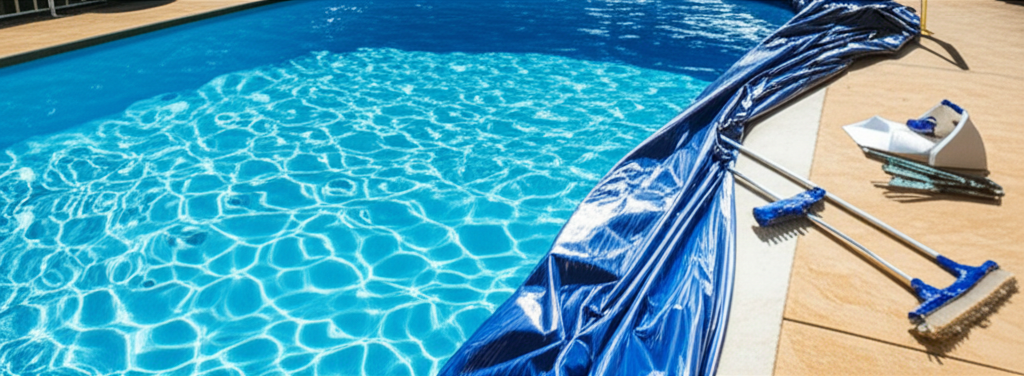
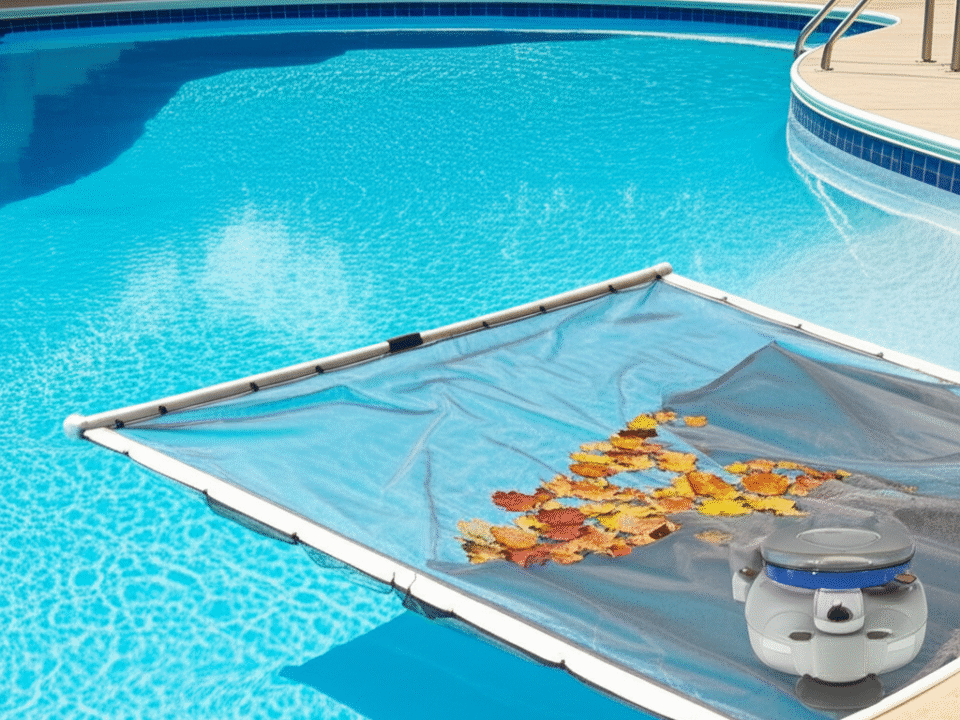
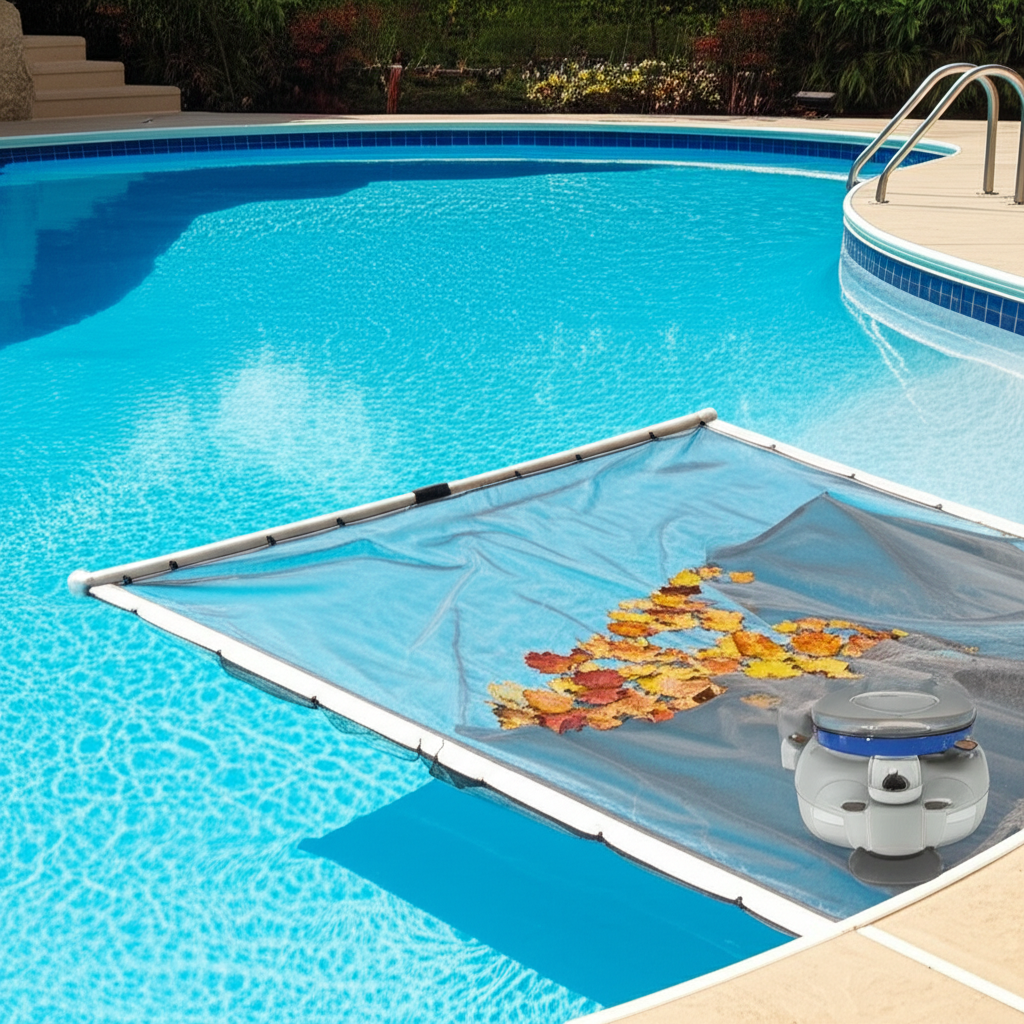
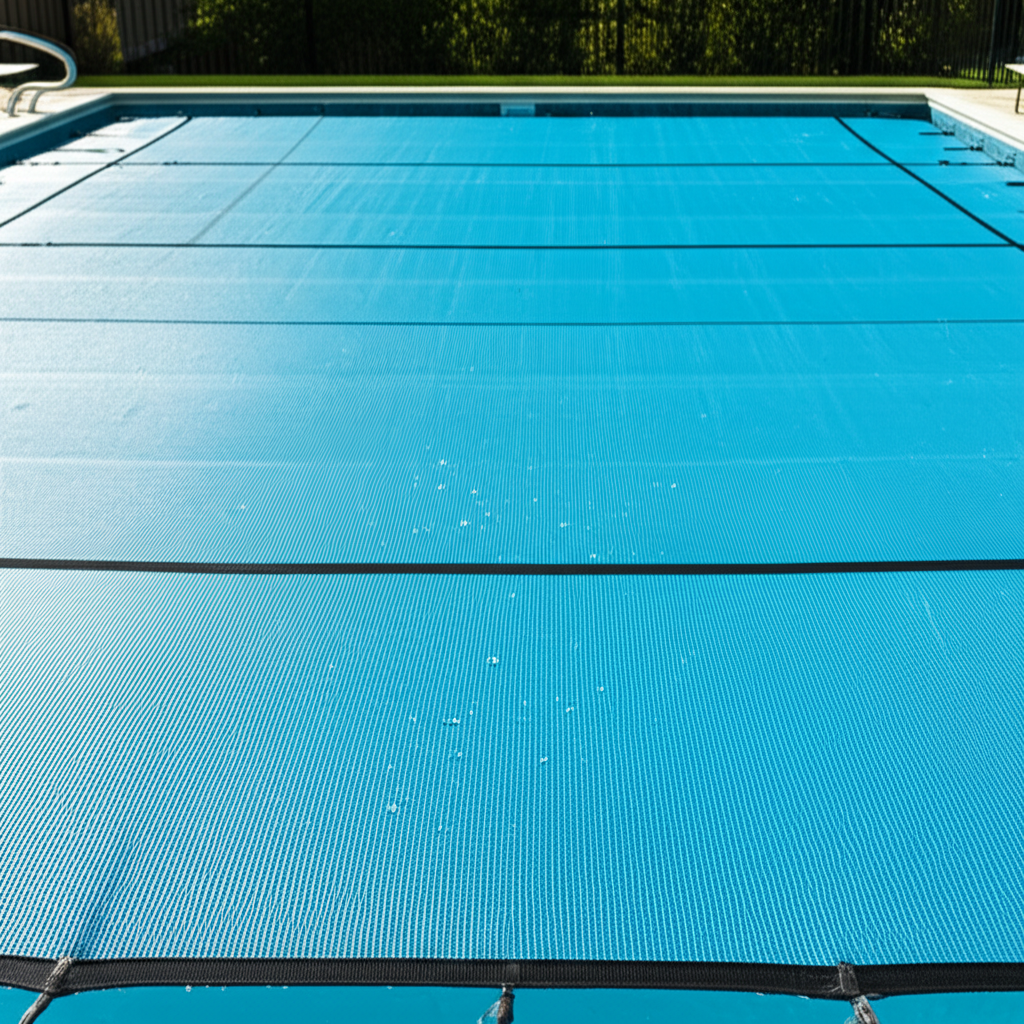
Your first major task in the Pool Opening process is safely removing the winter cover. Before taking it off, use a leaf net, broom, or pump to remove any accumulated debris, standing water, or sludge from the top. This crucial step prevents unwanted contaminants from entering your pristine pool water. Once the cover is clean, carefully detach it from its anchors, fold it neatly, and give it a thorough cleaning. Allow it to dry completely in the sun before storing it in a cool, dry place to prevent mildew and extend its lifespan. With the cover off, use a leaf skimmer to remove any large debris that may have found its way into the pool over winter. Focus on leaves, twigs, and any larger objects that settled on the bottom.
Assessing Your Pool’s Systems and Equipment
Before you even think about adding water or chemicals, take the time to inspect all your pool equipment. This includes your pump, filter, heater, skimmer baskets, and return jets. Look for any visible signs of damage, cracks, leaks, or wear and tear that might have occurred during the colder months. Ensure all plumbing connections are secure, and check O-rings for dryness or brittleness that could lead to leaks. Reinstall any drain plugs that may have been removed for winterization and lubricate any moving parts of valves.
If you encounter any significant issues, such as a cracked pump housing, damaged filter, or suspect a leak in your plumbing, or if you simply feel unsure about the integrity of your equipment, consulting professionals for pool cleaning services or repair is a wise decision. They can expertly identify potential problems, recommend necessary fixes, and even perform repairs, saving you headaches and potentially costly damage down the line. A properly functioning system is the backbone of a clear and healthy pool.
Mastering Your Pool Opening Water Chemistry
This is arguably the most crucial step for a healthy and safe pool, and it requires precision. Begin by taking a fresh water sample to your local pool store for a comprehensive analysis, or use a reliable home testing kit to gauge the current chemical levels. Key parameters to test include:
1. Total Alkalinity (TA): Aim for 80-120 parts per million (ppm). Adjust this first, as it acts as a buffer for pH.
2. pH (Potential Hydrogen): The ideal range is 7.4-7.6. This is crucial for sanitizer effectiveness and swimmer comfort.
3. Calcium Hardness (CH): Maintain 180-220 ppm. This prevents equipment corrosion in soft water or scale buildup in hard water.
4. Sanitizer (Chlorine/Bromine): Once other levels are balanced, you’ll shock the pool to reach a high sanitizer concentration and kill off any winter algae or bacteria.
Adjust these levels systematically. Always add chemicals slowly, one at a time, and allow for proper circulation (typically several hours or overnight) between additions. This ensures chemicals dissolve thoroughly and don’t overwhelm the water. If balancing your water chemistry seems daunting, or if you’re struggling to achieve the right levels, professional pool cleaning services offer comprehensive water balancing, ensuring optimal conditions from day one and freeing you to simply enjoy your pool.
The Deep Clean: Brushing, Vacuuming, and Shocking
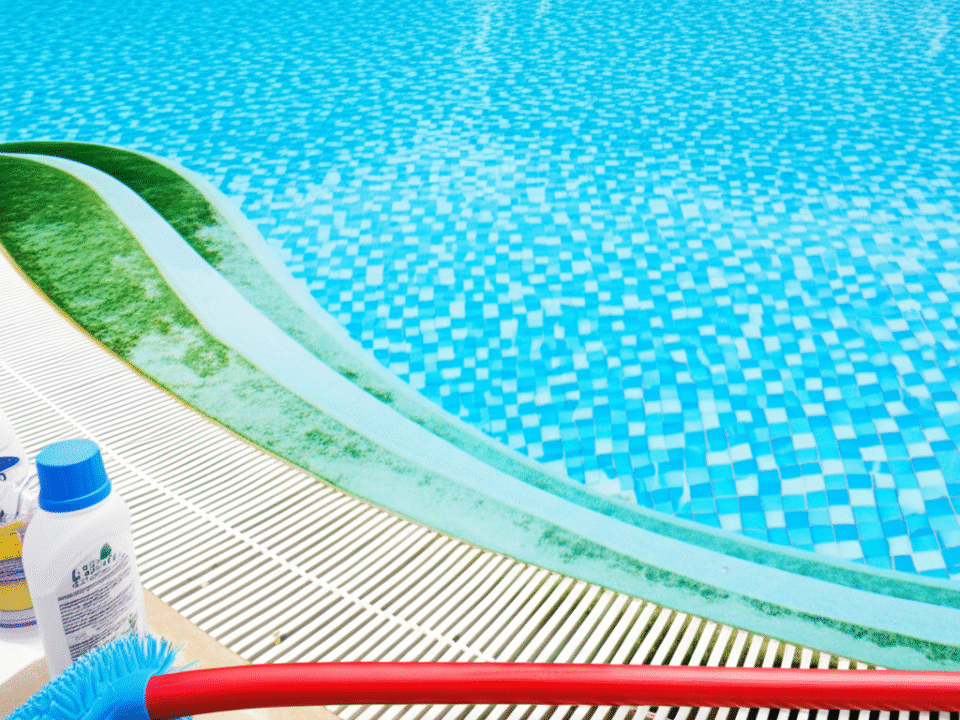
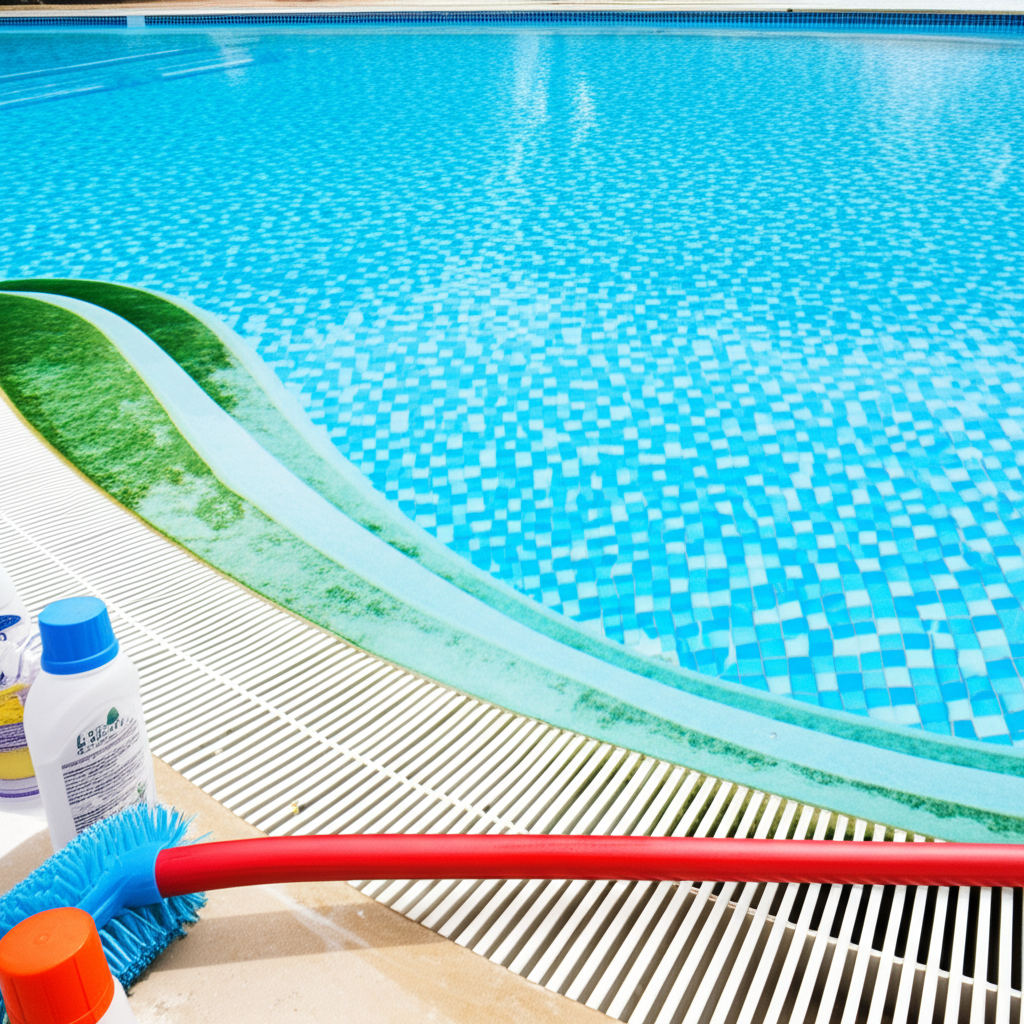
Even if your water looks relatively clear after balancing, a thorough physical cleaning is essential. Attach a sturdy brush head to your telescopic pole and meticulously scrub all pool surfaces – walls, floor, steps, and any built-in features – to dislodge any clinging algae or grime that accumulated under the cover. Pay special attention to corners and areas with poor circulation.
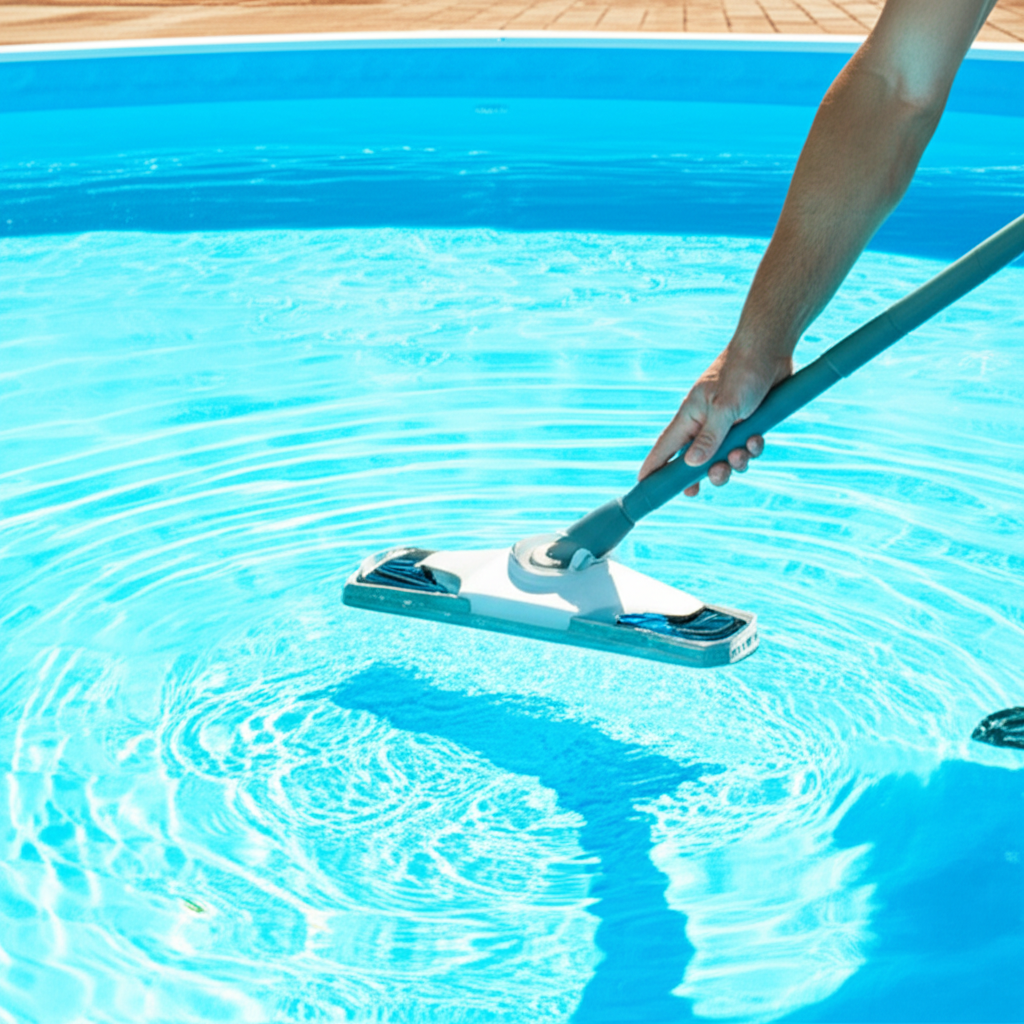
Once the loosened debris has had a chance to settle, connect your pool vacuum and meticulously clean the bottom of the pool. Take your time to ensure all fine particles and detritus are removed. After vacuuming, it’s time to shock your pool. This involves adding a concentrated dose of chlorine or a non-chlorine shock to kill lingering bacteria, algae spores, and other contaminants. Always follow product instructions carefully – typically, shocking is done in the evening to maximize effectiveness and minimize the impact of UV light on the chlorine. As an extra preventative measure, consider adding an algaecide specifically designed for spring startup. For those who prefer a hands-off approach to this labor-intensive part of Summer Pool Prep, professional pool cleaning services can handle all the scrubbing, vacuuming, and shocking, leaving your pool spotless and perfectly sanitized.
Reactivating Your Filtration System
With your water balanced and physically clean, it’s time to get your filter system back online and working effectively. Reinstall any filter grids or cartridges you removed for winter. For sand or DE filters, ensure they are properly loaded and backwash valves are in the correct operating position.
Before starting your pump, prime it by filling the pump basket with water. This prevents dry running, which can damage the pump motor and seals. Once primed, turn on your pump and allow it to run continuously for at least 24-48 hours. This allows the system to circulate the water thoroughly, distribute chemicals evenly, and filter out any remaining fine particles that might still be suspended. Monitor your pressure gauges; if the pressure rises significantly, it indicates your filter is collecting debris and may need a backwash (for sand/DE filters) or a cartridge cleaning.
Final Touches and Enjoying Your Investment
Once your water is crystal clear, your equipment is running smoothly, and all chemical levels are perfectly within range, you’re almost ready to dive in. Take a moment to reinstall any handrails, ladders, or diving boards, ensuring they are securely fastened and safe for use. Plug in your automatic pool cleaner, if you use one, and ensure it’s functioning correctly. Test any pool lights or water features to make sure they are operational.
The final step is often the most rewarding: take a deep breath, admire the results of your hard work, and invite friends and family over for the first swim of the season! This diligent Summer Pool Prep ensures your swimming pool is not only beautiful but also safe, healthy, and inviting for months of enjoyment ahead.
Conclusion
Successfully completing your Pool Opening is a significant step towards unlocking a season of aquatic bliss. While it requires attention to detail and a commitment to each step, the reward is a beautiful, safe, and inviting swimming environment for you and your loved ones. Remember, consistency in maintenance throughout the summer will keep your pool in pristine condition. If the thought of this extensive preparation feels overwhelming, don’t hesitate to reach out to local experts. Professional pool cleaning services can take the guesswork and effort out of your hands, ensuring your pool is perfectly prepared and ready for fun from day one. Dive into summer with confidence, knowing your pool is meticulously prepared!