Above Ground Pool: Essential, Effortless Care
February 11, 2026
Water Evaporation: Ultimate Pool Protection
February 14, 2026
- The Uninvited Guest: Understanding Calcium Scale on Your Pool Tile
- Why Your Pool Tile Needs More Than Just a Scrub
- Proactive Measures: The First Step in Effortless Calcium Scale Prevention
- DIY Solutions for Light to Moderate Calcium Scale Removal
- Tackling Tougher Buildup: When to Consider Professional Calcium Scale Removal
- Maintaining Your Pool's Sparkle After Calcium Scale Removal
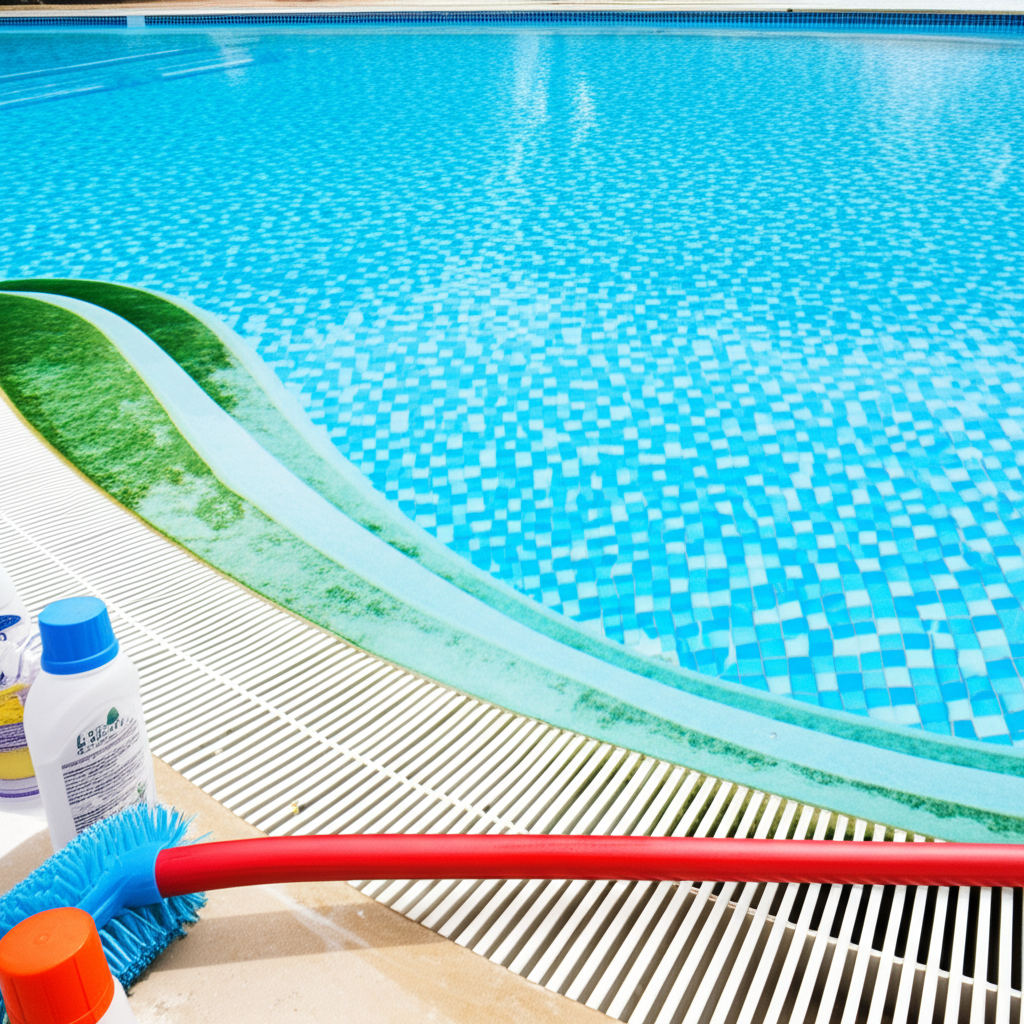
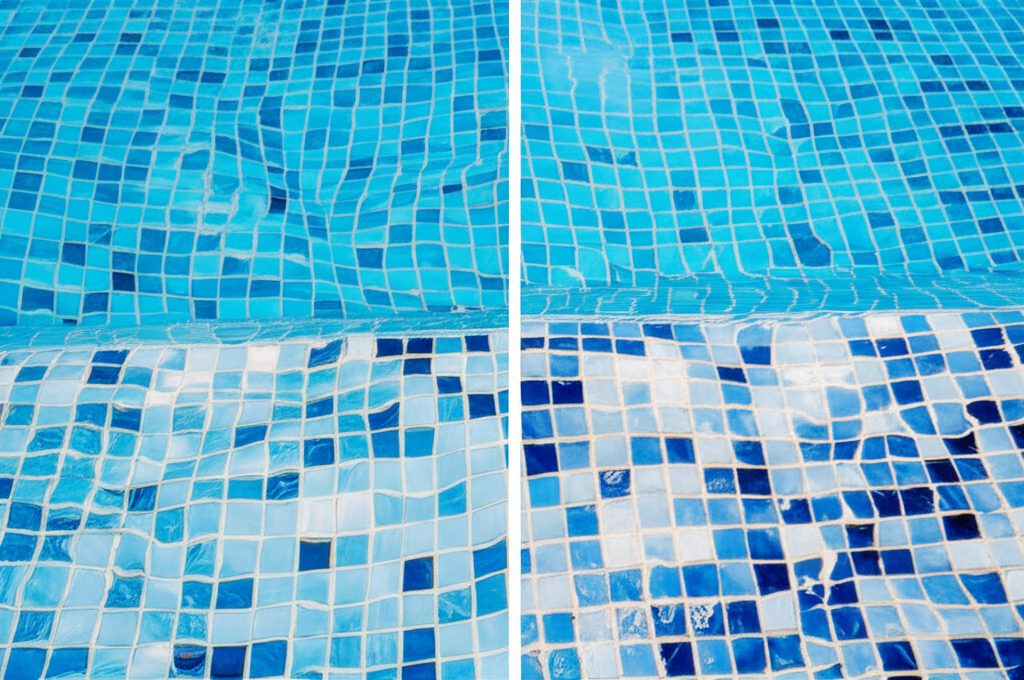
Calcium Scale Removal: While the inviting shimmer of a pristine pool is a joy, an unfortunately common intruder often mars its beauty: calcium scale. These unsightly white, chalky deposits clinging to your pool tiles can detract from your backyard oasis’s sparkle and, if left unchecked, can even lead to more significant issues. Thankfully, achieving an effortlessly clean and dazzling pool tile is entirely within reach with the right knowledge and techniques.
The Uninvited Guest: Understanding Calcium Scale on Your Pool Tile
Before diving into removal methods, it’s crucial to understand what causes this stubborn buildup. Calcium scale primarily forms when minerals, particularly calcium and magnesium, precipitate out of your pool water and crystallize on surfaces, especially at the waterline. This phenomenon is often exacerbated by:
Hard Water: Pools in regions with naturally hard water are more prone to scale.
High pH and Alkalinity: When your pool water’s pH (acidity/basicity) and total alkalinity are consistently high, calcium’s solubility decreases, encouraging it to deposit on surfaces.
Evaporation: As water evaporates, it leaves behind dissolved minerals, concentrating them at the waterline, where scale predominantly forms.
High Water Temperature: Warmer water can also contribute to mineral precipitation.
There are generally two types of pool scale: calcium carbonate (easier to remove, often white and flaky) and calcium silicate (harder, grayer, and more tenacious). Identifying the type can help determine the best approach for removal.
Why Your Pool Tile Needs More Than Just a Scrub
Beyond aesthetics, ignoring calcium scale can lead to several problems:
Degradation of Grout: Persistent scale can compromise the integrity of your grout lines, leading to crumbling and potential tile detachment.
Etching and Staining: Over time, scale can etch permanent marks on your tiles, especially if they are porous, and make them more susceptible to staining.
Reduced Equipment Efficiency: While primarily a tile issue, excessive mineral buildup can also affect filters and other pool equipment.
Bacterial Growth: The rough, porous surface of scale can become a breeding ground for algae and bacteria, impacting water quality.
Proactive Measures: The First Step in Effortless Calcium Scale Prevention
The easiest way to deal with calcium scale is to prevent it from forming in the first place. A few proactive steps can save you significant time and effort in the long run:
1. Water Chemistry Balance: Regularly test your pool water for pH (aim for 7.4-7.6), total alkalinity (80-120 ppm), and calcium hardness (200-400 ppm). Maintaining these levels prevents minerals from clinging to surfaces.
2. Regular Brushing: Routinely brushing your pool walls and tiles, especially the waterline, can dislodge nascent scale before it hardens.
3. Waterline Wiping: After swimming or if you notice residue, wipe down your waterline with a clean cloth. This simple act removes minerals left behind by evaporation.
4. Scale Inhibitors: Consider using a high-quality scale inhibitor product as part of your regular pool maintenance. These chemicals bind with calcium and magnesium, keeping them dissolved in the water and preventing them from precipitating.
DIY Solutions for Light to Moderate Calcium Scale Removal
If prevention wasn’t enough, or if you’ve inherited a pool with existing scale, several DIY methods can effectively tackle light to moderate deposits:
Acidic Solutions (Vinegar & Water): For minor calcium carbonate scale, a spray bottle filled with a 1:1 mixture of white vinegar and water can work wonders. Spray the affected area, let it sit for 15-30 minutes, and then scrub with a stiff brush or a non-abrasive scouring pad. For tougher spots, undiluted vinegar can be used.
Pumice Stone: A wet pumice stone can be surprisingly effective on hard scale. The key is to keep both the stone and the tile wet to create a slurry that gently grinds away the scale without scratching the tile. This method requires careful technique and should be tested on an inconspicuous area first, as it can scratch certain tile types.
Specialized Scale Removers: Many commercial products are specifically designed to dissolve calcium scale. Always follow the manufacturer’s instructions carefully, paying close attention to safety precautions and whether the product is suitable for your specific tile material.
Melamine Foam Erasers (Magic Erasers): These can work well on lighter deposits and fine stubborn lines, offering a gentler abrasive action.
Tackling Tougher Buildup: When to Consider Professional Calcium Scale Removal
While DIY methods are great for many situations, some scale buildup is simply too extensive, thick, or stubborn for a homeowner to tackle effectively. This is where professional expertise becomes invaluable. Expert calcium scale removal services employ specialized tools and techniques that are far more powerful and precise than typical DIY approaches.
Professional pool care providers often utilize:
Bead Blasting/Soda Blasting: This is a highly effective method where fine, pressurized media (like glass beads, soda ash, or salt) is precisely applied to the scaled areas. This process gently but thoroughly removes scale without damaging the underlying tile or grout.
Specialized Acid Washes: Professionals have access to stronger, highly concentrated acid solutions and the expertise to apply them safely and effectively, neutralizing the chemicals afterward to protect your pool and its environment.
Expert Equipment: From powerful brushes designed for specific tile types to specialized pressure washing equipment, professionals have the right tools to get the job done efficiently and safely.
If you’re dealing with extensive scale across a large area, have delicate or expensive tiles, or simply lack the time and patience, contacting reputable pool cleaning services is often the most cost-effective and least stressful solution. Professionals are equipped to handle even the most challenging scale, ensuring your pool tile is restored to its original splendor without risk of damage. For a sparkling, scale-free pool, consider reaching out to the experts at https://californiabluepool.com for professional pool maintenance and tile cleaning services.
Maintaining Your Pool’s Sparkle After Calcium Scale Removal
Once your pool tile is free from the grip of calcium scale, maintaining its pristine condition is key. Continue with the proactive prevention steps mentioned earlier:
Consistent Water Chemistry Monitoring: This remains your best defense against future scale.
Regular Waterline Cleaning: Make it a habit to wipe down the waterline weekly.
Use of Scale Inhibitors: Incorporate them into your routine, especially if you have hard water.
* Bi-Annual or Annual Professional Check-ups: Regular visits from a pool cleaning service can catch potential issues early, preventing significant scale from returning.
By understanding the causes, implementing preventive measures, and knowing when to seek professional help for tenacious deposits, you can ensure your pool tiles remain effortlessly clean and continue to enhance the beauty of your backyard for years to come.