
Pool Skimming: Effortless Steps to Sparkling Clean Pools
January 28, 2026
Filter Cleaning: Expert Tips for Best Pool Water
January 31, 2026
- Why Pool Vacuuming is Essential for a Pristine Pool
- Understanding the Different Pool Vacuuming Methods
- Mastering Manual Pool Vacuuming: A Step-by-Step Guide
- Maximizing Your Pool Vacuuming Efforts
- When to Call the Professionals
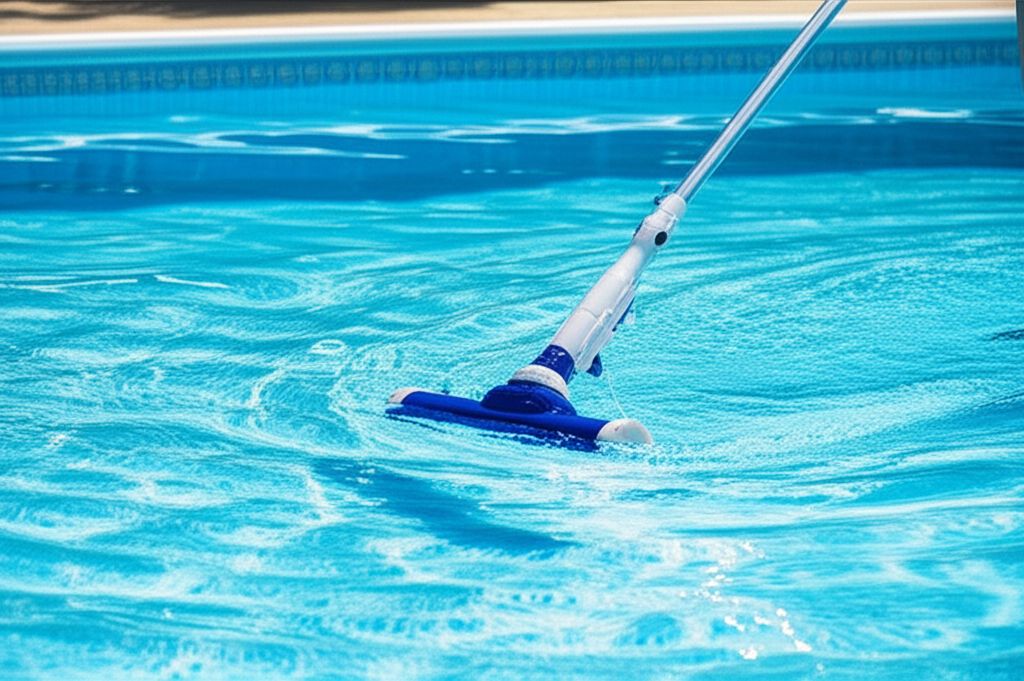
Pool Vacuuming is often the unsung hero in the quest for a sparkling, inviting swimming pool. While skimming removes surface debris and chemical balancing keeps the water healthy, it’s vacuuming that tackles the unseen grime and sediment resting on the bottom, transforming murky water into a crystal-clear oasis. Achieving stunning results effortlessly might sound too good to be true, but with the right approach and understanding, regular pool vacuuming can be a highly efficient and satisfying part of your pool maintenance routine.
Why Pool Vacuuming is Essential for a Pristine Pool
A swimming pool is a haven for relaxation and fun, but without proper care, it can quickly become an incubator for algae, dirt, and debris. While your filtration system works tirelessly to circulate and clean the water, heavier particles like sand, silt, leaves, and various organic matter eventually settle on the pool floor. If left undisturbed, these sediments not only make your pool look unappealing but also create several problems:
Compromised Water Quality: Settled debris can host bacteria and algae, impacting water chemistry and clarity, potentially leading to costly chemical adjustments.
Stains and Damage: Organic material left on the pool floor can decompose, leading to stubborn stains on your plaster or liner. Rough debris can also scratch surfaces over time.
Inefficient Filtration: A heavily soiled pool puts extra strain on your filter, requiring more frequent backwashing and potentially shortening its lifespan.
Bacterial Growth: Algae and bacteria thrive in stagnant, debris-filled environments, posing health risks to swimmers.
Regular pool vacuuming prevents these issues, ensuring your water remains clean, safe, and visibly appealing, extending the life of your pool and its equipment, and reducing the need for more intensive and expensive interventions down the line.
Understanding the Different Pool Vacuuming Methods
There are several ways to vacuum a pool, each offering different levels of convenience and effectiveness. Choosing the right method depends on your budget, time availability, and the specific needs of your pool.
1. Manual Pool Vacuuming: This traditional method involves a vacuum head attached to a telescopic pole, connected by a hose to your pool’s skimmer or a dedicated vacuum port. It requires direct human effort and attention.
2. Automatic Pool Cleaners: These devices handle the vacuuming largely on their own. They can be categorized into:
Suction-Side Cleaners: Connect to your pool’s skimmer or vacuum line, using the pool pump’s suction to move them around and pick up debris.
Pressure-Side Cleaners: Require a separate booster pump (or use the pool’s pressure in some models) to propel them and create suction, often having their own filter bag.
Robotic Pool Cleaners: These are self-contained, independent units that run on electricity. They have their own motor, pump, and filter, scrubbing and vacuuming the pool floor and walls with advanced navigation.
While automatic cleaners offer convenience, understanding Manual Pool Cleaning techniques is fundamental. For many, a combination of manual vacuuming for precision cleaning and an automatic cleaner for daily maintenance proves to be the most effective strategy. If you ever find your pool challenging to maintain, consider professional pool cleaning services for expert assistance.
Mastering Manual Pool Vacuuming: A Step-by-Step Guide
Even if you rely on an automatic cleaner most of the time, knowing how to manually vacuum your pool is invaluable for targeting specific problem areas or when your automatic cleaner needs a break. Here’s how to achieve pristine results:
1. Gather Your Tools:
Telescopic pole
Vacuum head (wheeled for concrete/gunite, brush for vinyl/fiberglass)
Vacuum hose (enough length to reach all parts of your pool)
Skimmer or vacuum port adapter (if needed)
2. Prepare Your System:
Connect: Attach the vacuum head to the telescopic pole. Connect one end of the vacuum hose to the vacuum head.
Prime the Hose: Hold the vacuum head and hose underwater, allowing the hose to fill completely with water. You’ll see air bubbles escape from the vacuum head. This expels air from the hose, which is crucial to prevent air pockets from damaging your pump.
Connect to Skimmer/Port: Once the hose is full, plug the free end into the skimmer’s suction port, or a dedicated vacuum port. If using a skimmer, ensure all other skimmer baskets are closed or blocked to maximize suction to your vacuum.
Set Valve (if applicable): If your pool system has plumbing valves, adjust them to direct full suction to the line you’re using for vacuuming (main drain or skimmer line).
Backwash First (Optional): If your filter pressure is already high, it’s a good idea to backwash your filter before you start vacuuming, especially if you anticipate a lot of debris.
3. The Vacuuming Technique:
Slow and Steady: Begin at the shallow end. Move the vacuum head slowly across the pool floor in long, overlapping strokes, similar to vacuuming a carpet. Avoid quick, jerky movements, as this can stir up debris, making it harder to collect.
Overlap: Ensure each pass slightly overlaps the previous one to avoid missing any spots.
Watch the Debris: Pay attention to areas with visible debris. For heavy dirt, you might need to make multiple passes.
Work Methodically: Start from one end and systematically work your way to the other, or work in sections.
Check PSI: Keep an eye on your filter’s pressure gauge. If it rises significantly during vacuuming (especially with a very dirty pool), you may need to stop and backwash your filter or clean your cartridge filter.
4. Finish Up:
Disconnect: Remove the hose from the skimmer/port, then detach it from the vacuum head and pole.
Clean: Rinse the vacuum head and hose, then store them properly.
Empty Skimmer Basket: Empty any collected debris from your skimmer basket.
Backwash/Clean Filter: After vacuuming, it’s almost always necessary to backwash your sand or DE filter, or clean your cartridge filter, to remove the dirt you’ve just collected.
Maximizing Your Pool Vacuuming Efforts
To truly achieve stunning pool vacuuming results and maintain a consistently clean pool, consider these additional tips:
Pre-Brush: Before you vacuum, use a pool brush to dislodge any stuck-on debris from the walls, steps, and corners, pushing it towards the main drain or into areas where your vacuum can reach.
Check Water Chemistry: Balanced chemistry helps prevent algae growth, which makes vacuuming more effective. Ensure your sanitizer levels are adequate.
Regular Skimming: Don’t underestimate the power of daily skimming to remove floating debris before it settles.
Optimal Filter Operation: Ensure your pump runs long enough each day to turn over the pool’s water sufficiently, aiding in filtration and settling debris for vacuuming.
Consistent Schedule: Establishing a consistent vacuuming schedule (e.g., once a week, or more often during heavy use or windy periods) is key to preventing major build-ups.
When to Call the Professionals
While DIY pool vacuuming is a rewarding task, there are times when professional help is invaluable. If your pool has significant algae blooms, persistent staining, complex equipment issues, or if you simply don’t have the time or expertise, don’t hesitate to reach out to local pool cleaning services. Experienced professionals can provide thorough seasonal cleanings, address specific problems, and offer comprehensive pool maintenance plans that ensure your pool remains sparkling year-round with minimal effort on your part.
Consistent and proper pool vacuuming is more than just a chore; it’s an investment in the longevity, beauty, and health of your swimming pool. By understanding the techniques and making it a regular part of your pool care routine, you’ll be well on your way to enjoying a consistently dazzling aquatic retreat that’s always ready for a refreshing dip.