Water Chemistry: Essential Guide for Flawless Pool Water
March 8, 2026
- What Exactly is Total Alkalinity (TA)?
- Why is Optimal Total Alkalinity So Crucial for Your Pool?
- Testing Your Pool's Total Alkalinity
- Adjusting Your Pool's Total Alkalinity Levels
- Low Total Alkalinity
- High Total Alkalinity
- The Interplay with pH
- When to Call the Professionals
- Conclusion
Total Alkalinity is a cornerstone of effective pool water chemistry, often overshadowed by its more famous counterpart, pH. Yet, understanding and maintaining optimal total alkalinity (TA) levels is absolutely essential for a sparkling clean, safe, and enjoyable swimming environment. It acts as a vital buffer, stabilizing your pool’s pH and preventing a cascade of common water chemistry problems.
What Exactly is Total Alkalinity (TA)?
In the context of your swimming pool, total alkalinity refers to the measure of all alkaline substances dissolved in the water. These substances, primarily bicarbonates, carbonates, and hydroxides, act as a buffer against drastic pH changes. Think of TA as your pool’s internal shock absorber. Without sufficient alkalinity, your pH levels would constantly fluctuate, leading to an unpredictable and challenging pool maintenance routine.
The ideal range for total alkalinity in most swimming pools is between 80 to 120 parts per million (ppm). Some pool experts might suggest a slightly tighter range, but staying within this general guideline will typically keep your water balanced and problem-free.
Why is Optimal Total Alkalinity So Crucial for Your Pool?
Maintaining the correct TA levels offers a multitude of benefits, directly impacting the health, safety, and longevity of your pool.
1. pH Stability: The Primary Role of Total Alkalinity
This is TA’s most critical function. Without adequate alkalinity, your pool’s pH would be highly susceptible to dramatic swings due to factors like rain, swimmer load, chemicals, and even sunlight. A stable pH, kept in check by TA, means your water stays within the ideal range of 7.4 to 7.6 (or 7.2 to 7.8, depending on specific guidelines). This stability is paramount for virtually every other aspect of pool water chemistry.
2. Maximizing Sanitizer Effectiveness
Your pool’s primary sanitizers, especially chlorine, are pH-dependent. If the pH is too high, chlorine becomes less effective at killing bacteria, algae, and other contaminants. If the pH drops too low, chlorine can become overly aggressive, leading to discomfort and corrosive issues. By stabilizing pH, total alkalinity ensures your sanitizers work efficiently, keeping your water crystal clear and germ-free.
3. Protecting Pool Surfaces and Equipment
Unstable pH, driven by low TA, can wreak havoc on your pool infrastructure.
Low pH/Low TA: Can lead to corrosive water, which slowly dissolves pool plaster, erodes grout, and damages metal components like heaters, ladders, and pump impellers. This can result in costly repairs over time.
High pH/Low TA (or rapidly shifting pH): While less common, extreme pH fluctuations can still contribute to scaling and water clarity issues.
By maintaining balanced alkalinity, you safeguard your investment and extend the lifespan of your pool’s surfaces and equipment.
4. Enhancing Swimmer Comfort
Pool water with an imbalanced pH can cause discomfort for swimmers. Water that is too acidic (low pH) can irritate eyes and skin. Water that is too alkaline (high pH) can also cause irritation and make the water feel “heavy” or “slimy.” A properly balanced pool, supported by stable total alkalinity, provides a much more pleasant swimming experience.
Testing Your Pool’s Total Alkalinity
Regular testing is the cornerstone of effective pool maintenance. You should test your total alkalinity at least once a week, and more frequently if your pool experiences heavy use, heavy rainfall, or if you’re actively adjusting other water parameters.
You can test TA using several methods:
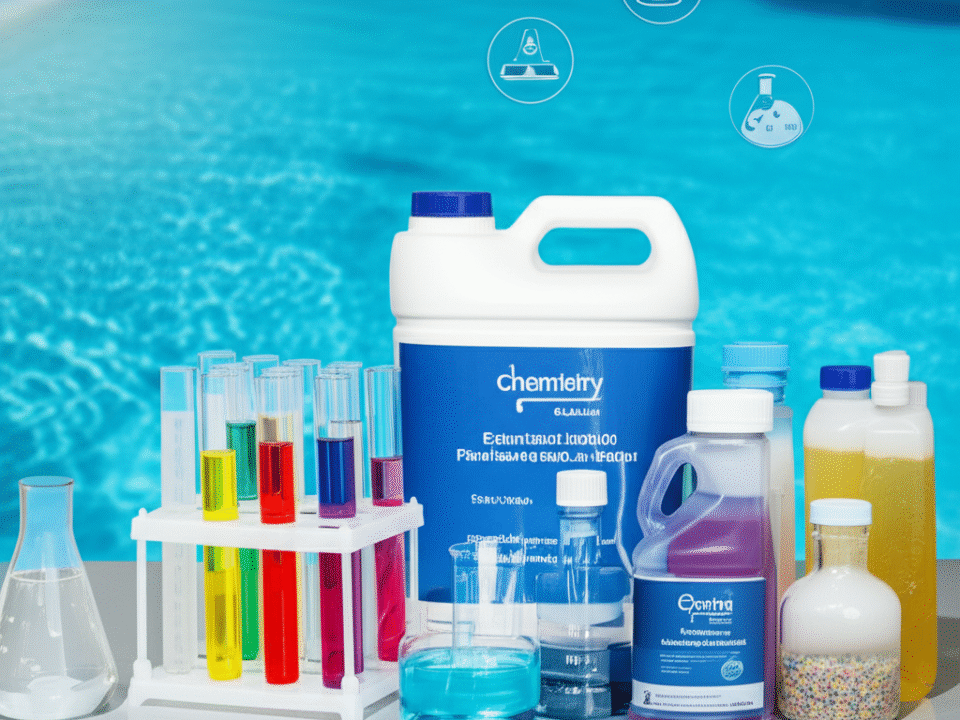
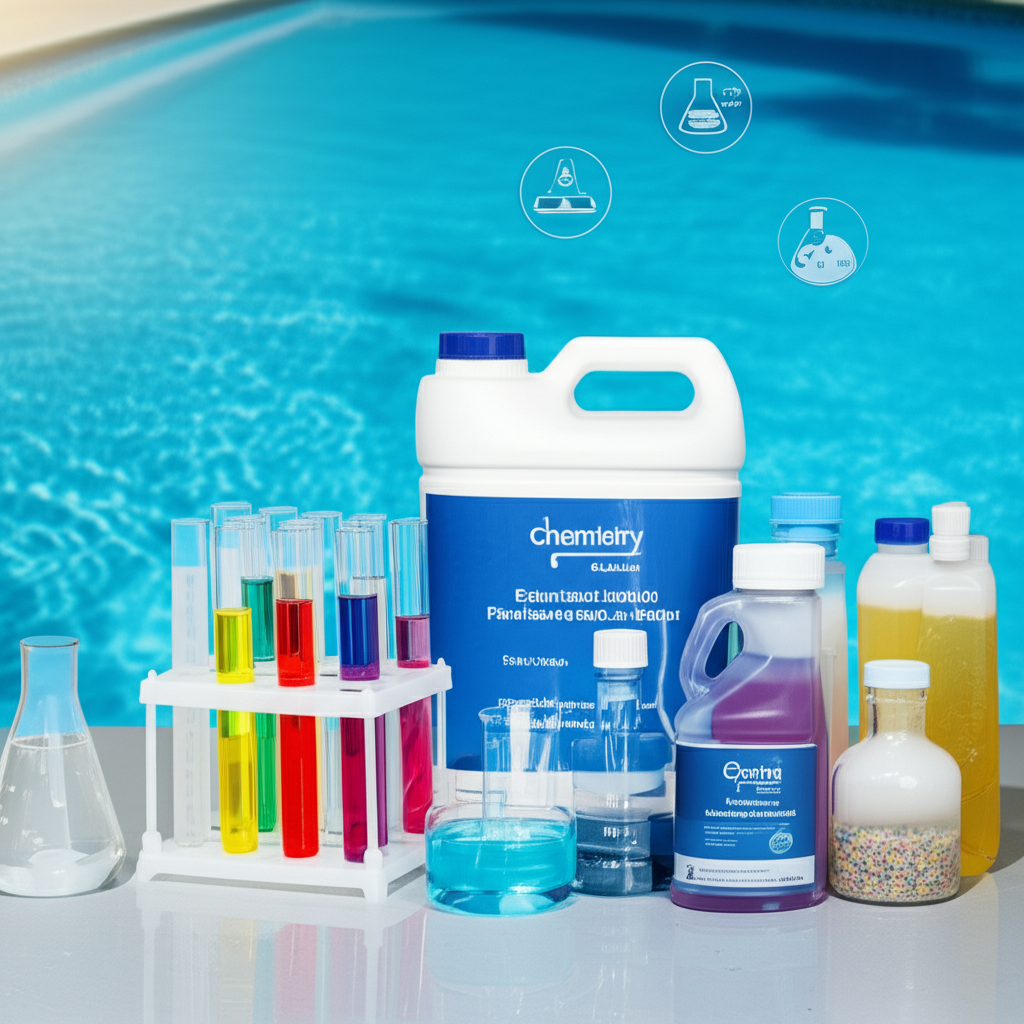
Test Strips: Quick and convenient, simply dip a strip into the water and compare the color change to a chart.
Liquid Test Kits: Generally offer more precise readings and are preferred by many pool professionals. They involve adding drops of reagents to a water sample and observing color changes.
Always follow the specific instructions provided with your chosen test kit for the most accurate results.
Adjusting Your Pool’s Total Alkalinity Levels
Once you’ve tested your water, you’ll know if your total alkalinity is too low, too high, or within the ideal range.
Low Total Alkalinity
If your TA falls below 80 ppm, you’ll likely notice rapid pH swings, making it difficult to maintain balance.
Symptoms: pH bounce, cloudy water, eye/skin irritation, reduced sanitizer effectiveness.
How to Raise It: The easiest and most common way to increase total alkalinity is by adding an alkalinity increaser, which is essentially sodium bicarbonate (baking soda).
Procedure: Calculate the amount needed based on your pool volume and current TA level. Typically, 1.5 pounds of sodium bicarbonate per 10,000 gallons of water will raise TA by approximately 10 ppm.
Dissolve the powder in a bucket of pool water first, then slowly pour the solution into the deep end of your pool with the pump running. Wait several hours (or overnight) before retesting. Avoid adding too much at once, as it can temporarily raise your pH significantly.
High Total Alkalinity
If your TA surpasses 120 ppm, you might experience a pH that’s “locked” at a high level or struggle with cloudy water and scale formation.
Symptoms: High pH that’s hard to lower, cloudy water, scaling on pool surfaces and equipment.
How to Lower It: Lowering TA is a slightly more delicate process, often involving the cautious addition of an acid, such as muriatic acid or sodium bisulfate. These acids typically lower both pH and TA simultaneously.
* Procedure: Always add acid slowly and in small increments, following the manufacturer’s instructions. Distribute it evenly across the pool surface, or add it to the deep end. Ensure good ventilation if using muriatic acid. Let the water circulate for several hours before retesting and making further adjustments. Be patient, as it can take multiple attempts to bring TA down safely without overshooting.
The Interplay with pH
Remember, total alkalinity and pH are intrinsically linked. Adjusting one will invariably affect the other. When you raise alkalinity, pH tends to rise. When you lower alkalinity, pH often drops. It’s usually recommended to adjust alkalinity first, and then fine-tune your pH. This is because a stable TA provides the necessary foundation for stable pH.
When to Call the Professionals
While understanding and managing your pool’s chemistry can be a rewarding DIY task, there are times when it’s best to call in the experts. If you’re struggling with persistent water chemistry issues, have complex equipment, or simply lack the time to dedicate to detailed pool maintenance solutions, professional help is invaluable. For comprehensive pool cleaning services and expert advice, consider reaching out to experienced professionals who can handle all your pool care needs, ensuring your pool remains a pristine oasis. You can find professional help and services at https://californiabluepool.com.
Conclusion
Total alkalinity might not be the most glamorous aspect of pool care, but its role is undeniably fundamental. By providing a stable buffer for your pool’s pH, optimal TA levels ensure your sanitizers work effectively, protect your pool’s infrastructure from damage, and guarantee a comfortable swimming experience for everyone. Regular testing and informed adjustments are key to harnessing the power of total alkalinity, leading to a consistently clear, clean, and perfectly balanced swimming pool season after season.