Pool Tile Cleaning: Effortless Calcium Scale Removal
February 12, 2026
Skimmer Basket: Essential Guide to Easy Pool Care
February 16, 2026
- Beyond the Vanishing Act: Understanding Water Evaporation and Protecting Your Pool
- The Science Behind Pool Water Evaporation
- Impact on Pool Water Level and Chemical Balance
- The Hidden Costs and Environmental Impact
- Strategies for Ultimate Pool Protection Against Evaporation
- Embracing Proactive Pool Care
Beyond the Vanishing Act: Understanding Water Evaporation and Protecting Your Pool
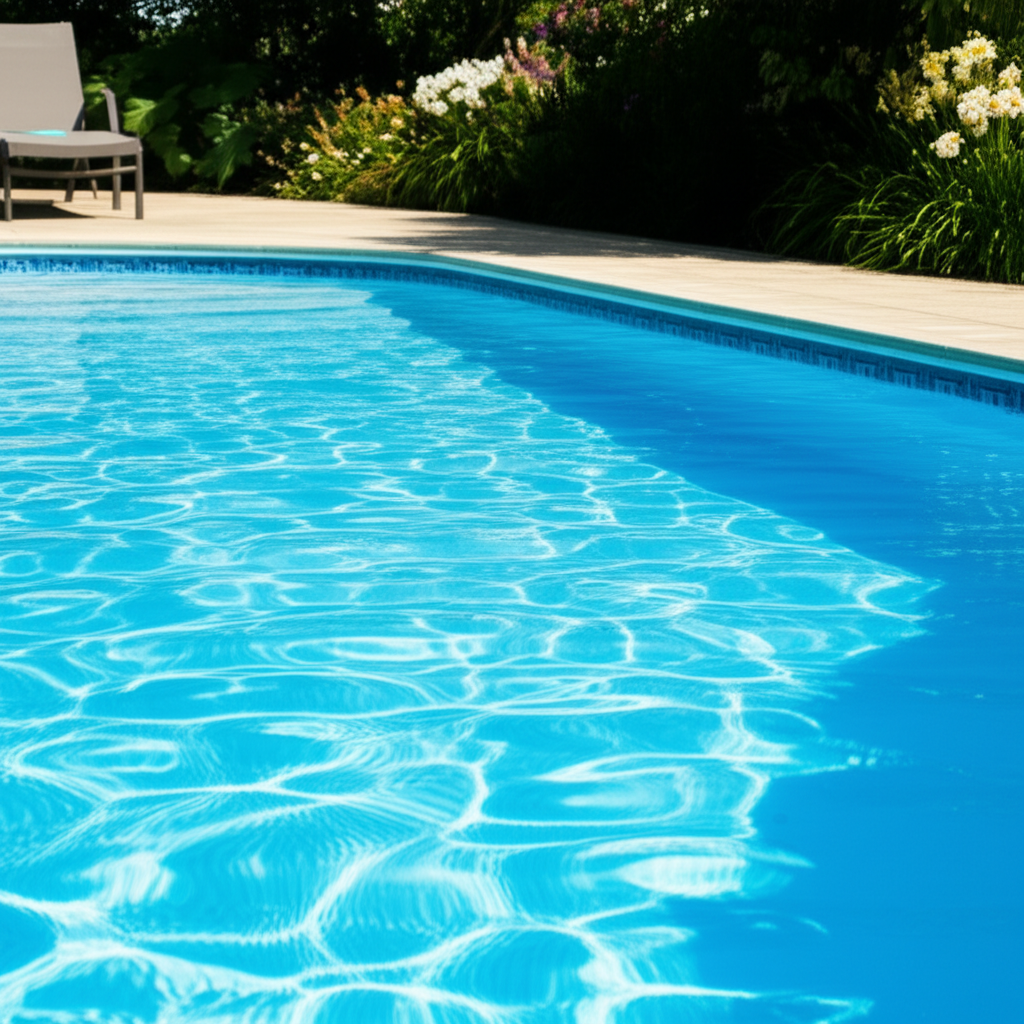
Water Evaporation is a continuous, often overlooked process that significantly impacts your swimming pool. While it might seem like a minor inconvenience – just adding a bit more water now and then – understanding its dynamics is crucial for maintaining your pool’s health, preserving its equipment, and controlling operating costs. Far from just a disappearing act, managing evaporation is a core strategy for ultimate pool protection.
The Science Behind Pool Water Evaporation
Every day, a portion of the water in your pool transforms from a liquid into a gas and ascends into the atmosphere. This natural phenomenon is primarily driven by several environmental factors:
Sunlight: The sun’s radiant energy heats the water, accelerating the evaporation process. The warmer the water, the faster it evaporates.
Wind: A breezy day might feel refreshing, but it acts like a giant hair dryer over your pool’s surface, whisking away moisture-laden air and allowing more water molecules to escape.
Humidity: The amount of moisture already present in the air dictates how much more it can hold. On dry days, evaporation rates are higher than on humid days.
Water Surface Area: The larger the exposed surface of your pool, the more water can evaporate.
On average, a pool can lose anywhere from 1/4 to 1/2 inch of water per day due due to evaporation, varying significantly with local climate and conditions. Recognizing this baseline helps distinguish normal daily loss from a potential leak, which requires a different course of action.
Impact on Pool Water Level and Chemical Balance
The most immediate and obvious consequence of water evaporation is a noticeable drop in your pool’s water level. Consistent topping off becomes a regular chore. However, the implications extend far beyond just refilling. When water evaporates, the dissolved chemicals in your pool do not. This means that as the water volume decreases, the concentration of chemicals – sanitizers, pH balancers, alkalinity adjusters, and calcium hardeners – increases.
A shift in chemical balance can lead to a host of problems:
Sanitizer Imbalance: High concentrations of chlorine can irritate skin and eyes, while low levels (due to frequent refilling with unchlorinated water) allow algae and bacteria to flourish.
pH and Alkalinity Issues: Improper pH can lead to cloudy water, scale formation, or corrosion of equipment and surfaces.
Calcium Hardness: Elevated calcium levels due to evaporation can cause unsightly scale to build up on your pool surfaces, equipment, and plumbing, shortening their lifespan.
Maintaining the ideal Pool Water Level is therefore intrinsically linked to maintaining perfect water chemistry.
The Hidden Costs and Environmental Impact
Ignoring significant water evaporation can hit your wallet harder than you might think:
Increased Water Bills: Constantly replacing evaporated water adds up on your utility statements.
Higher Chemical Expenses: You’ll spend more on chemicals to correct imbalances caused by concentrated solutions or to re-establish proper levels after frequent refilling.
Energy Consumption: If you heat your pool, evaporation is a major culprit for heat loss, forcing your heater to work overtime and consume more energy to maintain desired temperatures.
Equipment Strain: Low water levels can strain crucial equipment like pumps and filters. If the pump runs dry, it can lead to costly damage or premature failure.
Beyond the financial implications, excessive water loss from pools contributes to water waste, an important environmental consideration, especially in regions prone to drought.
Strategies for Ultimate Pool Protection Against Evaporation
Fortunately, there are several effective strategies you can implement to dramatically reduce water evaporation and protect your pool:
1. Utilize Pool Covers:
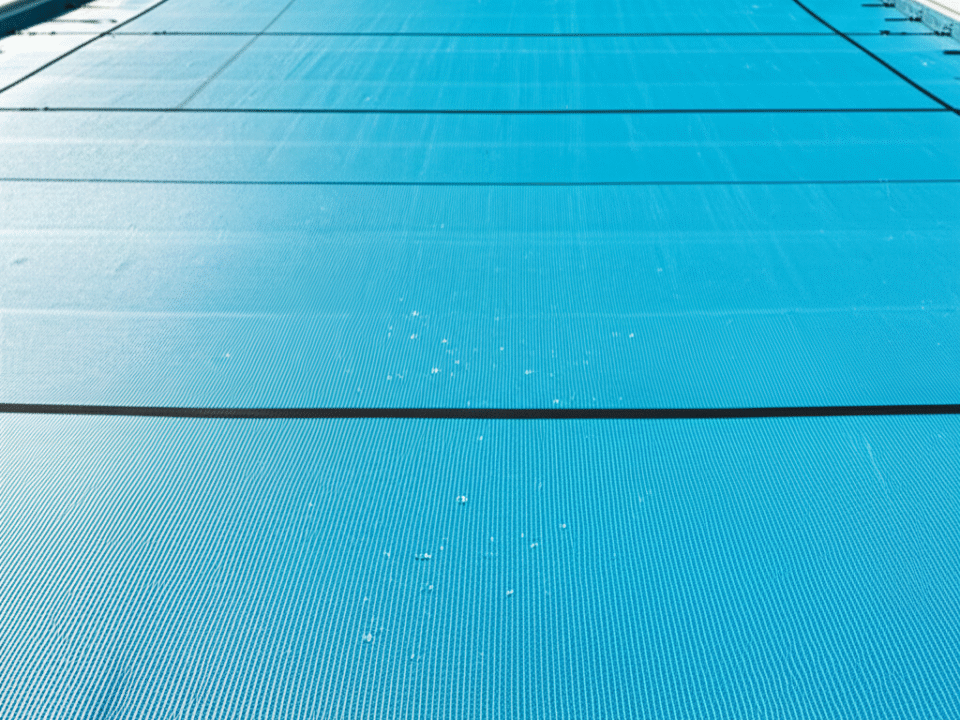
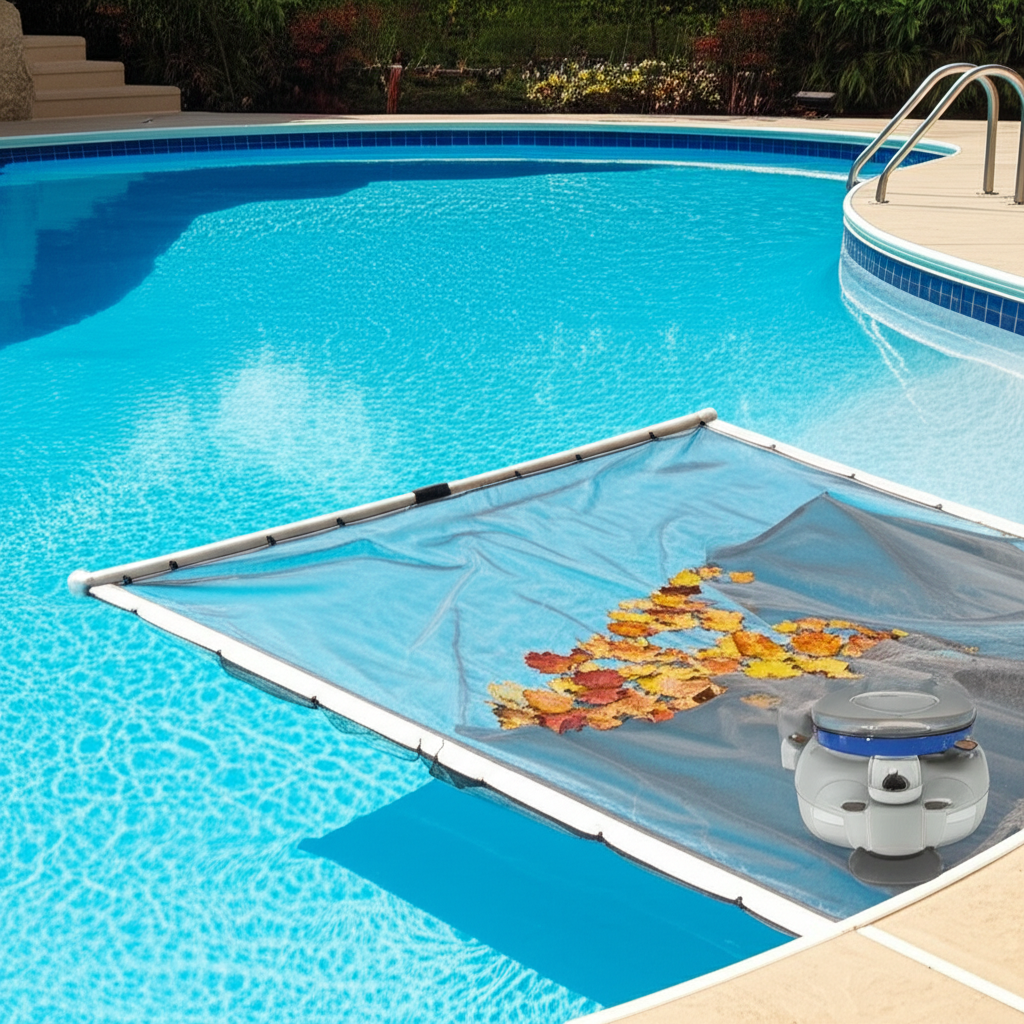
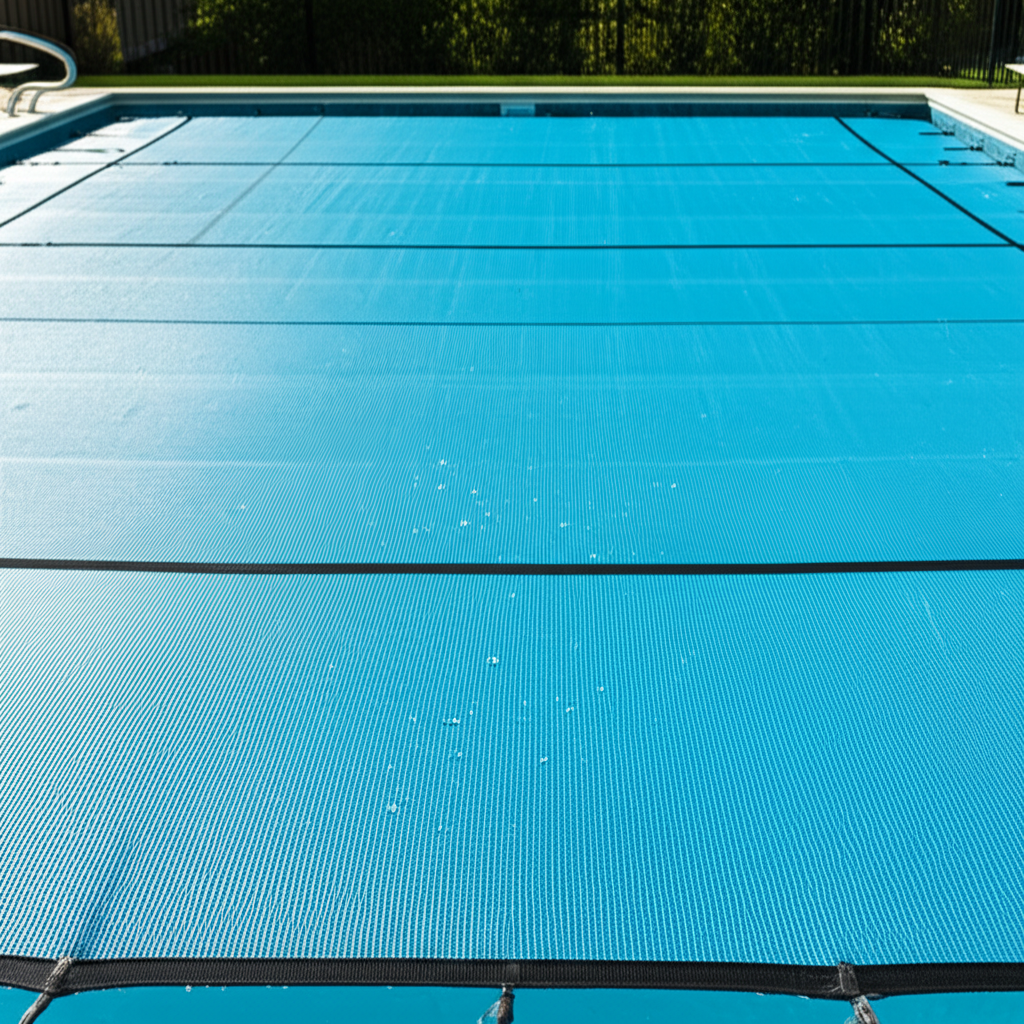
Solar Covers: These floating blankets lie directly on the water’s surface, significantly reducing evaporation by acting as a barrier. They also absorb solar energy, helping to heat the water and retain heat overnight.
Automatic Safety Covers: While primarily designed for safety, these robust covers offer superior evaporation control and heat retention when the pool is not in use.
Liquid Solar Covers: These products form an invisible, ultra-thin monolayer on the water’s surface that helps inhibit evaporation without the fuss of a physical cover.
2. Install Windbreaks: Fences, hedges, and strategic landscaping can act as effective windbreaks, reducing the amount of air moving across the pool’s surface and thereby decreasing evaporative loss.
3. Provide Shade: Shading your pool, especially during the hottest parts of the day, can significantly reduce water temperature and, consequently, evaporation. Consider umbrellas, shade sails, or pergolas.
4. Lower Water Temperature: While you want your pool to be comfortable, every degree cooler can translate to less evaporation. If comfort allows, slightly lowering the thermostat can make a difference.
5. Regular Monitoring and Maintenance: Develop a habit of regularly checking your Pool Water Level. Understanding what constitutes normal evaporation versus potential leaks is vital. A simple bucket test (placing a bucket of water next to the pool for 24-48 hours and comparing water loss) can help determine if you have an abnormal loss indicative of a leak. If you suspect a leak or need assistance with maintaining optimal chemical balance amidst water loss, professional pool cleaning services can provide expert assessment and care. From leak detection to regular chemical adjustments that account for evaporation, professional help ensures your pool stays healthy.
Embracing Proactive Pool Care
Managing water evaporation is more than just conserving water; it’s a fundamental aspect of proactive, responsible pool ownership. By enacting these simple strategies, you not only save money on water, chemicals, and energy but also extend the life of your pool’s surfaces and equipment. A well-maintained Pool Water Level and balanced chemistry mean a cleaner, safer, and more enjoyable swimming experience for everyone. For comprehensive support with your pool’s specific needs, including advanced leak detection, routine maintenance, and expert chemical balancing, don’t hesitate to reach out to professional pool cleaning services. Investing in smart evaporation control is an investment in the longevity and pleasure of your backyard oasis.