Pool Care Errors: Avoid Costly Mistakes
February 27, 2026
Pool Ladders: Ultimate, Effortless Handrail Care
March 2, 2026
- Why Your Pool Pump Schedule is Crucial
- Decoding Your Pool's Specific Runtime Needs
- Crafting Your Optimal Pool Pump Schedule
- Beyond the Schedule: Enhancing Pool Health and Efficiency
Pool Pump Schedule: The unseen hero of a crystal-clear swimming pool. It’s not just about turning your pump on and off; it’s about finding that sweet spot where pristine water meets optimal energy efficiency and equipment longevity. Mastering your pool pump’s runtime is a fundamental aspect of pool ownership that homeowners often underestimate, yet it holds the key to significant savings, healthier water, and less hassle.
Understanding and implementing the right pump schedule transforms pool maintenance from a chore into an effortless routine. This guide will walk you through everything you need to know to create an optimal, automatic, and truly efficient runtime for your swimming pool.
Why Your Pool Pump Schedule is Crucial
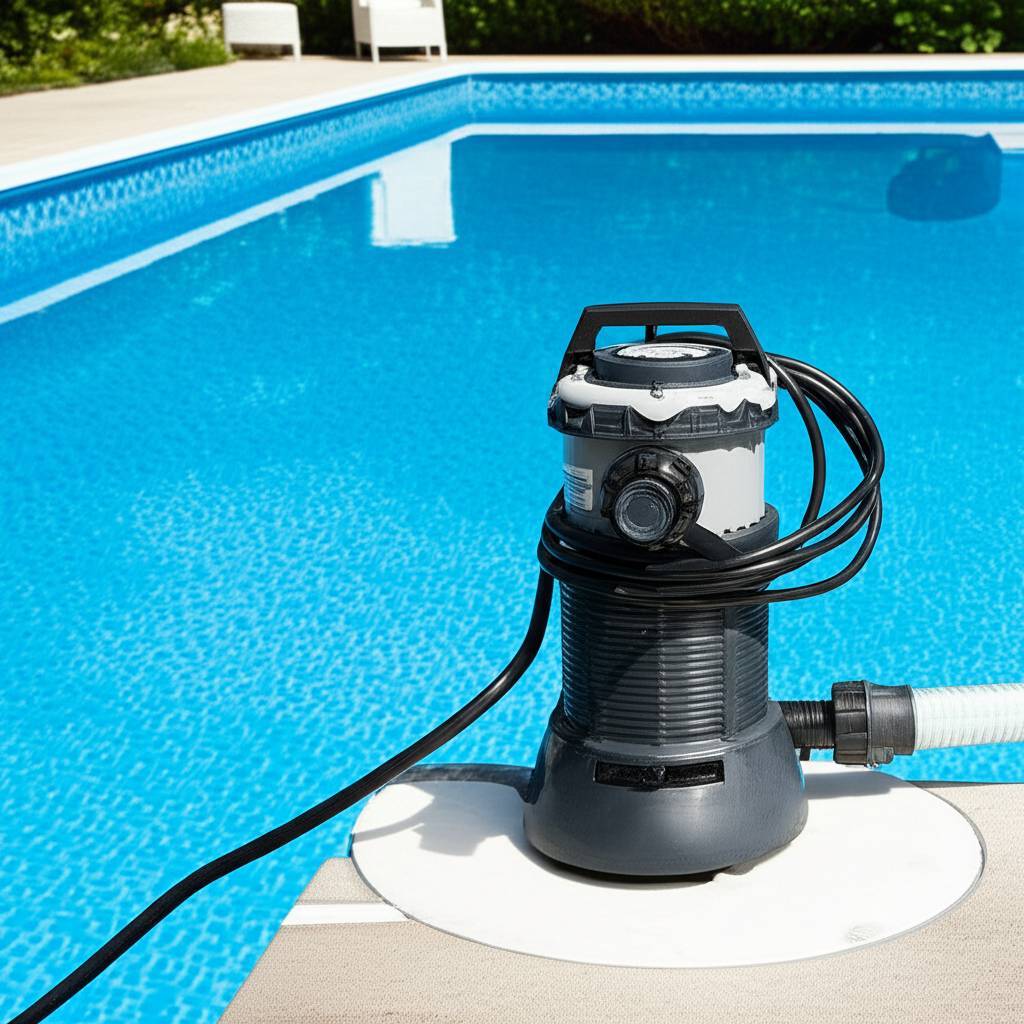
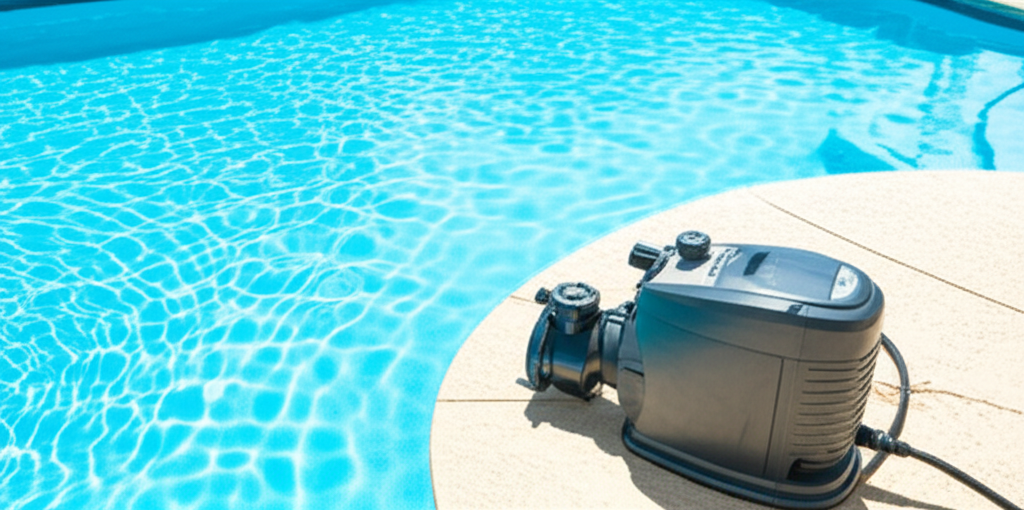
The pool pump is the heart of your pool’s circulation system, pushing water through the filter, heater, and sanitization equipment. An effective pool pump schedule directly impacts several critical areas:
Water Filtration: Adequate pump runtime ensures all the water in your pool passes through the filter, removing dirt, debris, and microscopic contaminants. Without proper circulation, water becomes stagnant, leading to cloudy water and algae growth.
Chemical Distribution: The pump circulates chemicals like chlorine, pH balancers, and algaecides throughout the entire pool. This even distribution is essential for effective sanitation and maintaining proper water chemistry, preventing hot spots or areas where chemicals are less effective.
Energy Consumption: The pool pump is often one of the largest energy consumers in a household. An inefficient pump runtime can lead to shockingly high electricity bills. Optimizing the schedule, especially with modern pump technology, can drastically reduce these costs.
Equipment Lifespan: Running your pump too little can strain the system with excessive debris, while running it unnecessarily long at high speeds can lead to premature wear and tear. A balanced schedule reduces stress on the pump, filter, and other components, extending their lifespan.
Decoding Your Pool’s Specific Runtime Needs
There’s no one-size-fits-all answer for the perfect pump runtime. Several factors come into play:
Pool Size: Larger pools require more time for the water to fully circulate and filter.
Bather Load: More people swimming means more sweat, oils, and other contaminants entering the water, necessitating longer filtration times.
Environmental Factors: Pools in dusty areas, surrounded by trees, or exposed to heavy rain might need extended run times to combat increased debris and pollutants.
Type of Pump: This is perhaps the most significant factor.
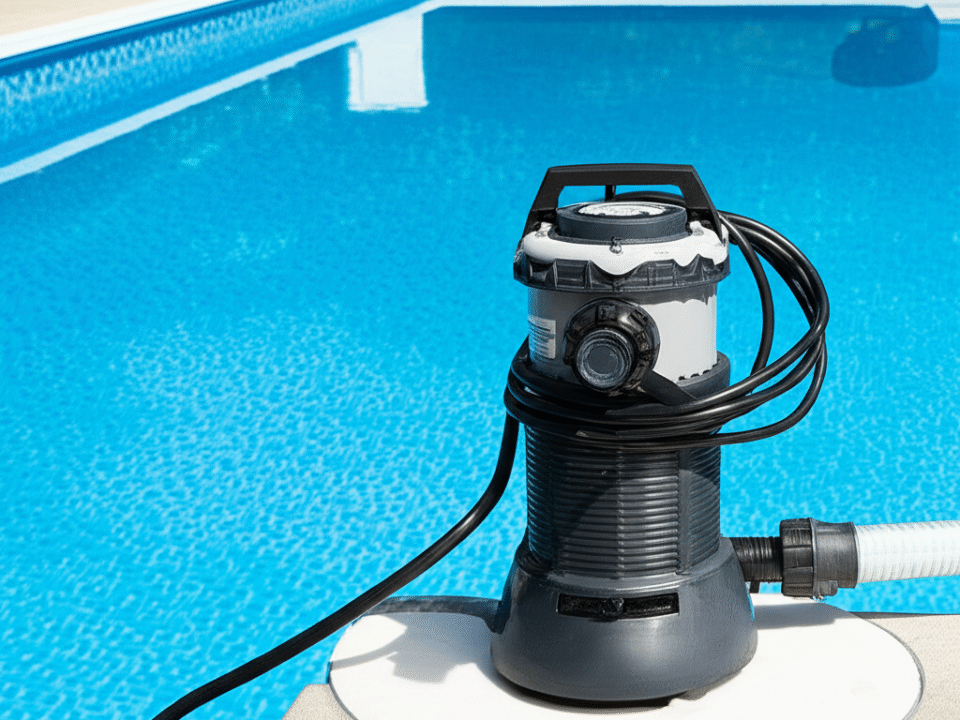
Single-Speed Pumps: These run at one consistent speed (high), consuming a lot of energy. Their runtime needs to be carefully managed to avoid excessive bills.
Dual-Speed Pumps: Offer two speeds (high and low), providing some flexibility.
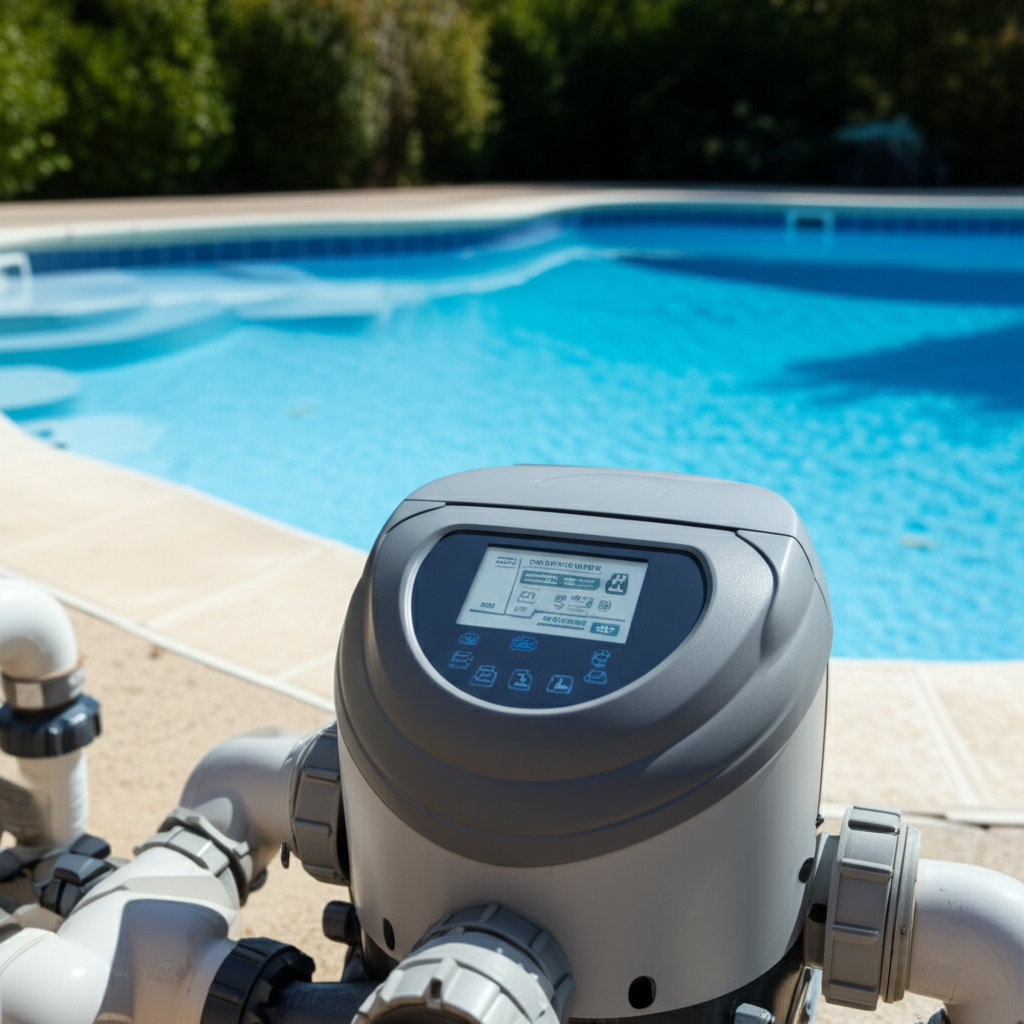
Variable-Speed Pumps (VSPs): These are the most energy-efficient. They can be programmed to run at various speeds for different durations, often running longer at lower, energy-saving speeds.
Crafting Your Optimal Pool Pump Schedule
The primary goal of any pump schedule is to achieve at least one — and ideally two — full “turnovers” of your pool’s water every 24 hours. A turnover means all the water in the pool has passed through the filter system.
1. Calculate Your Pool Volume:
For rectangular pools: Length x Width x Average Depth x 7.5 (gallons per cubic foot)
For round pools: Pi (3.14) x Radius² x Average Depth x 7.5
2. Determine Your Pump’s Flow Rate:
Your pump’s manual or specification plate will provide a GPM (gallons per minute) or GPH (gallons per hour) rating. Factor in any resistance from plumbing or filters, which can reduce actual flow.
3. Calculate Required Runtime:
(Pool Volume in Gallons) / (Pump Flow Rate in GPH) = Hours for One Turnover
Aim for 1-2 turnovers daily. For example, if one turnover takes 8 hours, you might schedule 8-16 hours of pump runtime.
General Guidelines Based on Pump Type:
Single-Speed Pumps: Due to their high energy consumption, aim for the minimum effective run time, typically 8-12 hours per day. Consider running during off-peak electricity hours if your utility offers them.
Dual-Speed Pumps: Run on low speed for the majority of the day (12-16 hours) for filtration and chemical distribution, then switch to high speed for a few hours (e.g., during backwashing or heavy use) for faster cleaning.
Variable-Speed Pumps (VSPs): This is where true optimization shines. VSPs are designed to run for longer periods at very low speeds, consuming significantly less energy. You can often run a VSP for 18-24 hours a day at its lowest effective setting, achieving multiple turnovers for a fraction of the cost of a single-speed pump running 8 hours. This prolonged runtime at lower speeds also provides superior filtration and chemical distribution.
Beyond the Schedule: Enhancing Pool Health and Efficiency
While an optimal pump runtime is paramount, it’s part of a larger ecosystem of pool care:
Regular Cleaning: Even with the best filtration, manual cleaning is essential. Skimming debris, brushing walls and floors, and regular vacuuming significantly reduce the load on your pump and filter. For those seeking professional assistance with maintaining their pool’s pristine condition, expert pool cleaning services can provide thorough and consistent care.
Chemical Balance: Consistently testing and adjusting pH, alkalinity, calcium hardness, and sanitizer levels is vital. Proper chemical balance enhances filtration efficiency and prevents issues like cloudy water or algae blooms.
Filter Maintenance: Keeping your filter clean is critical. Backwash sand and DE filters regularly, and clean cartridge filters according to manufacturer recommendations. A dirty filter restricts flow, making your pump work harder and less efficiently. Don’t hesitate to consult professionals for comprehensive pool maintenance needs.
Achieving an optimal pool pump schedule is a balancing act between maintaining impeccable water quality, conserving energy, and preserving your investment in pool equipment. By understanding your pool’s specific needs, utilizing the right pump technology, and pairing your schedule with consistent maintenance, you can enjoy a sparkling clean pool with minimal effort and maximum savings. If you ever find yourself needing expert advice or comprehensive pool cleaning services, remember that dedicated professionals are just a click away at https://californiabluepool.com to ensure your pool remains a source of joy, not stress.