
Cloudy Pool: Instantly Solve Post-Shock Problems
August 9, 2026
Homeowners Insurance: Best Pool Liability Protection
August 13, 2026
- When to Drain a Pool: Key Scenarios That Demand Attention
- Before You Begin: Critical Considerations
- How to Drain a Pool: A Step-by-Step Guide for an Effortless Result
- After the Drain: Refilling and Rejuvenation
When to Drain a Pool: It’s a question many pool owners ponder, often with a mix of trepidation and curiosity. While typically not a routine task performed annually, understanding the specific circumstances that necessitate emptying your pool, along with the correct procedure, is crucial for maintaining its longevity and ensuring crystal-clear water. Draining your pool isn’t just about emptying water; it’s a significant maintenance event that, when done correctly, can resolve persistent issues and extend the life of your pool’s vital components.
When to Drain a Pool: Key Scenarios That Demand Attention
Draining your pool should only be undertaken when absolutely necessary due to the effort involved and the potential for damage if mishandled. Here are the primary situations that typically call for a full drain:
1. High Total Dissolved Solids (TDS): Over time, minerals, chemicals, and contaminants accumulate in your pool water. While some evaporation occurs, leaving behind higher concentrations, these dissolved solids can lead to cloudy water, inefficient chemical usage, and even scale formation. When TDS levels exceed roughly 1,500-2,000 ppm above your tap water’s initial TDS, a drain and refill is often the most effective solution for resetting your water chemistry.
2. Severe Algae Bloom or Contamination: A persistent black algae infestation or a major contamination event (like sewage runoff) can be incredibly difficult to resolve with standard chemical treatments alone. In such severe cases, draining, cleaning, and sanitizing the pool’s surfaces thoroughly before refilling can be the only way to achieve a truly clean slate.
3. Major Repairs or Resurfacing: For significant structural repairs, patching cracks, replastering, regrouting, or installing new tiles, the pool must be completely empty. This also applies to major plumbing overhauls that require access to the main drain or dedicated lines.
4. Over-Stabilization (Cyanuric Acid Too High): Cyanuric acid (CYA) helps protect chlorine from UV rays, but too much can render chlorine ineffective, making sanitation a constant struggle. If your CYA levels are excessively high (e.g., above 80-100 ppm), the only way to reduce them is by diluting the water, which often means draining a significant portion, or even all, of your pool.
5. Relocation or Long-Term Winterization: If you’re moving a portable pool or preparing an inground pool for an extended period of non-use in a region with extremely harsh winters (though less common for inground pools in many areas), draining can be part of the decommissioning process.
Before You Begin: Critical Considerations
Before you grab a pump, there are several vital steps and precautions to take:
Check Local Regulations: Many municipalities have strict rules about where pool water can be discharged due to chemical content (chlorine, salt, etc.). Discharging directly into storm drains or natural bodies of water is often illegal and harmful to the environment. Ensure you have a designated, safe place for the wastewater, such as a sanitary sewer system or an approved area on your property where it can slowly permeate the soil.
Time of Year and Weather: Avoid draining your pool during extreme heat or cold. High temperatures can cause pool plaster to crack or even “pop” out of the ground in high water table areas if left empty for too long. Freezing temperatures can damage pipes and equipment. Aim for moderate weather conditions.
Water Table Awareness: Be extremely cautious if your property has a high water table. An empty pool shell can float or “pop” out of the ground due to hydrostatic pressure from underground water, causing irreparable structural damage. In such cases, professional advice is essential, and often involves keeping the water level a few feet above the floor to counteract the pressure.
Disconnect Power: Always turn off the power to your pool pump and any associated equipment (heaters, lights) at the breaker before you begin to drain. Running a pump dry can cause severe damage.
How to Drain a Pool: A Step-by-Step Guide for an Effortless Result
Once you’ve determined that draining is necessary and you’ve taken the initial precautions, follow these steps for a smooth process:
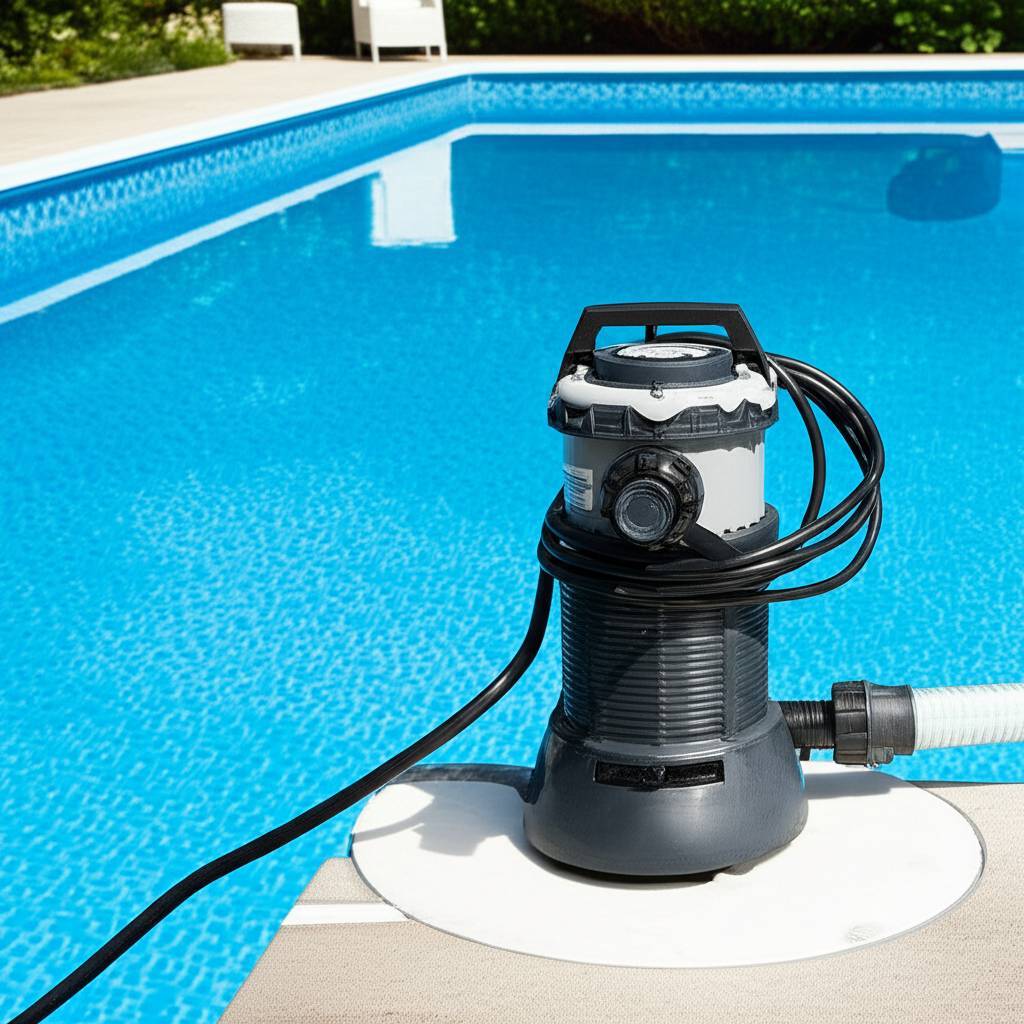
1. Gather Your Equipment: You’ll typically need a submersible pump (rentable from a hardware store if you don’t own one), sufficient length of discharge hose, hose clamps, and potentially a shop vac for the final inches of water.
2. Identify the Discharge Point: Connect your discharge hose to the submersible pump and guide the other end to your approved draining location. Ensure the hose is secure and won’t whip around or shift during draining.
3. Position the Submersible Pump: Place the submersible pump at the deepest point of your pool. If your pool has a main drain, you can also use your existing pool pump’s “waste” setting, but a submersible pump is often faster and more efficient for a full drain.
4. Begin Draining: Turn on the submersible pump. Monitor the water level. As the water level drops, you may need to reposition the pump to ensure it continues to operate effectively.
5. Clean While Draining (Optional): If you are performing repairs or resurfacing, it’s a good opportunity to scrub down the exposed pool surfaces as the water level drops. This prevents dirt and grime from drying onto the walls. For general pool cleaning service inquiries or assistance during this process, consider reaching out to professionals.
6. Monitor Hydrostatic Plugs (If Applicable): If your pool has hydrostatic relief plugs in the main drain, they are designed to open automatically when the water pressure inside the pool drops below the external groundwater pressure, allowing groundwater to enter the pool to prevent floating. Be aware of this and avoid letting the pool sit empty too long, especially in high water table areas.
7. Remove Remaining Water: Once the submersible pump can no longer draw water, use a shop vac to remove the last few inches from the bottom of the pool. This ensures a completely dry surface for any work to be done.
After the Drain: Refilling and Rejuvenation
Once your pool is completely empty and any necessary work is completed, it’s time to refill and restart:
1. Inspect and Clean: Before refilling, give the interior surfaces a thorough inspection for any loose plaster, cracks, or debris. A quick sweep or pressure wash can prepare the surface. For post-drain cleaning, consider professional pool cleaning services to ensure everything is perfect.
2. Refill Slowly: Begin refilling the pool using a garden hose. Avoid blasting the water directly onto the plaster, as this can etch or damage it. Many recommend placing an empty bucket or soft item at the fill point to diffuse the water stream.
3. Monitor Water Level: Keep an eye on the water level as it rises. If you performed repairs, inspect them for leaks.
4. Rebalance Chemicals: This is perhaps the most crucial step after refilling. Fresh tap water will have its own unique chemistry. You’ll need to test and adjust pH, alkalinity, calcium hardness, and add chlorine and stabilizer. Getting the water chemistry just right can be complex; for expert guidance or to have it done professionally, contacting a specialist for pool maintenance and chemical balancing is highly recommended. For comprehensive pool care, including start-up services after a drain, visit California Blue Pool.
By understanding when to drain a pool and diligently following the correct procedures for how to drain it, you can effectively address persistent water issues, facilitate essential repairs, and ultimately extend the life and beauty of your swimming oasis. While it’s not a task to be taken lightly, careful planning and execution will lead to an effortlessly refreshed and sparkling pool, ready for enjoyment.