Total Alkalinity: Essential for Optimal Pool Water
March 10, 2026
Calcium Hardness: Essential Fix for Perfect Pools
March 13, 2026
- Understanding the Nuances: Free Chlorine vs. Total Chlorine
- Achieving Pristine Pools with Ideal Free Chlorine
- The "Effortless" Part: Easy Maintenance of Free Chlorine Levels
- Beyond Chlorine: Comprehensive Pool Care
- The Reward: A Consistently Stunning Pool
Free Chlorine is the unsung hero behind every sparkling, inviting swimming pool. It’s the active form of chlorine in your water, diligently working to sanitize, purify, and keep your swimming environment safe and pristine. Achieving effortless levels of this crucial chemical isn’t just about dumping chemicals into the water; it’s about understanding its role, monitoring it consistently, and implementing smart pool care practices. When managed correctly, you unlock the secret to a stunning pool that’s a joy to behold and a pleasure to swim in, free from the worries of bacteria, algae, and other unwanted contaminants.
Understanding the Nuances: Free Chlorine vs. Total Chlorine
To truly master your pool chemistry, it’s essential to distinguish between Free Chlorine and Total Chlorine.
Free Chlorine (FC): This is the chlorine actively available to sanitize your pool water. It’s the portion that’s still potent and ready to kill bacteria, viruses, algae, and oxidize organic contaminants. Think of it as your pool’s frontline defense system. An ideal range for residential pools is generally 1-3 parts per million (ppm).
Combined Chlorine (CC): When Free Chlorine has done its job of sanitizing and neutralizing contaminants, it binds with those contaminants, forming chloramines. This bound chlorine is called Combined Chlorine. It’s largely ineffective as a sanitizer and is often responsible for that strong, unpleasant “chlorine” smell often mistaken for too much chlorine. In reality, that smell indicates a lack of effective Free Chlorine and a buildup of chloramines. You want your Combined Chlorine levels to be as close to 0 ppm as possible, ideally not exceeding 0.2-0.5 ppm.
Total Chlorine (TC): This is simply the sum of Free Chlorine and Combined Chlorine (TC = FC + CC).
By regularly testing your water, you can determine your Free Chlorine, and by subtracting it from your Total Chlorine reading, you can find out your Combined Chlorine level. This insight is incredibly valuable for maintaining a truly clean and odor-free pool.
Achieving Pristine Pools with Ideal Free Chlorine
Maintaining optimal levels of Free Chlorine is paramount for several reasons:
1. Superior Sanitation: At its core, chlorine is a powerful pool sanitizer. Free Chlorine actively breaks down and eliminates harmful bacteria, viruses, and pathogens that can cause recreational water illnesses. It also plays a vital role in preventing the growth of unsightly and slippery algae.
2. Crystal-Clear Water: Adequate Free Chlorine ensures your water remains sparkling and clear. Without it, organic matter and microscopic particles can quickly lead to cloudy or murky water, diminishing your pool’s appeal.
3. Swimmer Comfort and Health: Proper Free Chlorine levels minimize the formation of irritating chloramines, leading to a much more pleasant swimming experience. Less irritation to eyes and skin means more enjoyment for everyone. Moreover, it actively protects swimmers from the health risks associated with contaminated water.
The “Effortless” Part: Easy Maintenance of Free Chlorine Levels
Achieving effortless Free Chlorine levels doesn’t mean no work at all; it means consistent, informed practices that prevent major issues.
1. Regular Testing is Key: Invest in a reliable test kit – whether it’s test strips or a liquid reagent kit. Test your Free Chlorine levels at least 2-3 times a week, and more frequently during heavy use or after a significant weather event.
2. Know Your Target Range: For most residential pools, a Free Chlorine level of 1-3 ppm is ideal. If your pool uses a chlorine stabilizer like Cyanuric Acid (CYA), this range might be adjusted slightly. CYA protects Free Chlorine from degrading too quickly under UV light, but too much CYA can also make chlorine less effective.
3. Daily Dosing vs. Shocking:
Daily Dosing: For routine maintenance, add chlorine products (tablets, granular, or liquid) as needed to maintain your target FC level. Automatic feeders and salt chlorine generators can make this process quite hands-off.
Shocking: If your FC drops too low, or if your Combined Chlorine goes above 0.2-0.5 ppm (indicating a buildup of chloramines), it’s time to “shock” the pool. This involves adding a large dose of unstabilized chlorine to rapidly raise FC levels and break apart chloramines.
4. Understand Influencing Factors:
Bather Load: More swimmers mean more contaminants and a faster depletion of Free Chlorine.
Sunlight: UV rays destroy unstabilized chlorine. This is where CYA comes in handy.
Temperature: Warmer water consumes chlorine more rapidly.
Rain/Debris: Introduces new contaminants that consume chlorine.
Other Chemicals: Imbalanced pH or alkalinity can impact chlorine’s effectiveness.
Beyond Chlorine: Comprehensive Pool Care
While Free Chlorine is undoubtedly vital, it’s just one piece of the puzzle. A truly stunning and healthy pool requires balanced chemistry across the board. This includes:
pH: The acidity or alkalinity of your water (ideal range 7.4-7.6).
Alkalinity: Buffers your pH, preventing wild swings (ideal range 80-120 ppm).
Calcium Hardness: Prevents plaster damage or scaling (ideal range 200-400 ppm).
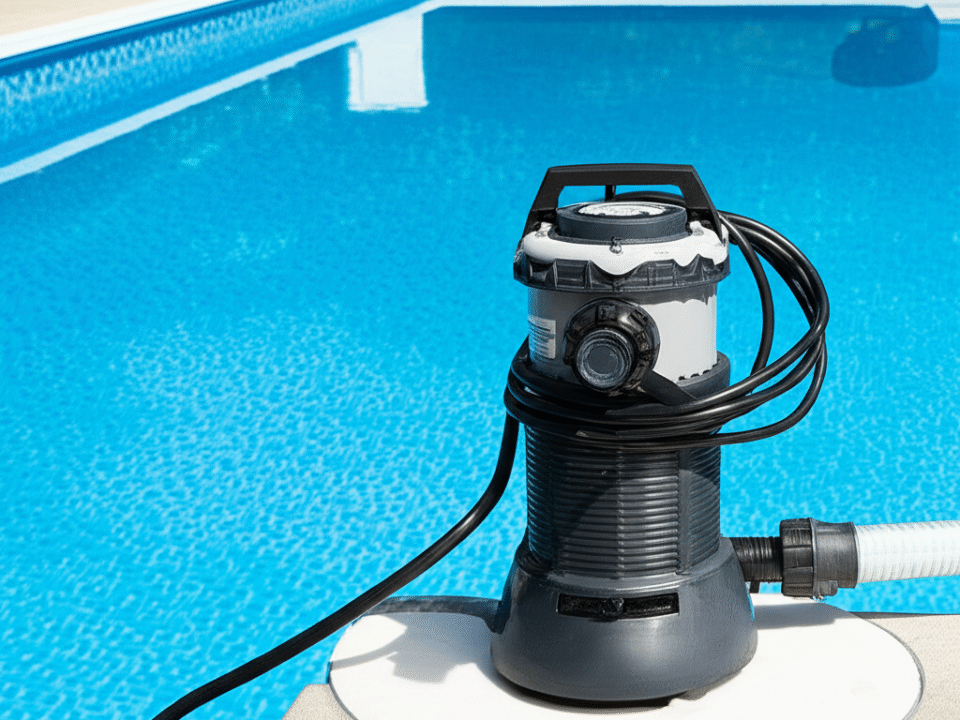
Filtration: A clean and properly functioning filter removes impurities that chlorine cannot.
* Circulation: Ensures every part of your pool water is treated and filtered.
If the task of balancing all these elements feels overwhelming, remember that professional guidance is readily available. For those seeking consistent reliability and expertise in pool cleaning services, local specialists can take the guesswork out of maintaining your pool’s pristine condition. Professional pool sanitizer management, alongside regular cleaning and equipment checks, ensures your pool remains healthy and beautiful without you having to lift a finger. They can not only implement efficient methods for managing your Free Chlorine but also handle all other aspects of pool maintenance, allowing you to simply enjoy your investment. To explore options for professional pool cleaning services and ensure your pool is always at its best, visit https://californiabluepool.com.
The Reward: A Consistently Stunning Pool
Dedicating a little time to understand and manage your Free Chlorine levels pays dividends in the form of a consistently clean, clear, and healthy swimming pool. By staying proactive with testing and adjustments, you demystify pool chemistry and transform a potentially complex chore into an effortless routine. The result is a stunning backyard oasis that’s always ready for a refreshing dip, proving that a little knowledge and consistent effort can lead to truly effortless pool perfection.