Iron Stains Pool: Ultimate Removal, Easy Fix!
April 7, 2026
Hard Water Effects: Devastating Pool Scale Truth
April 11, 2026
- What is Pool Flocculant and How Does It Work?
- Understanding Pool Clarifier
- Pool Flocculant vs. Pool Clarifier: Choosing Your Weapon
- When to Call the Professionals
- Tips for Maintaining Crystal Clear Water
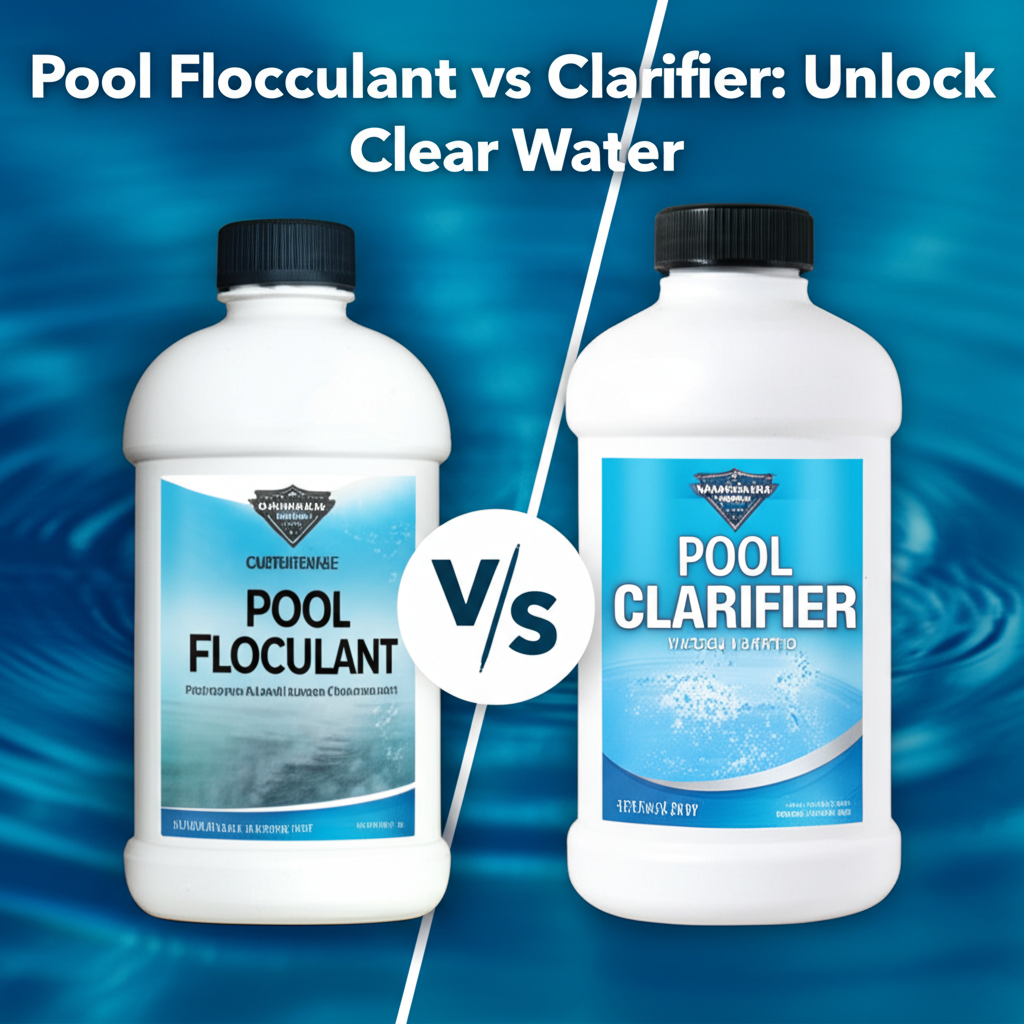
Pool Flocculant is a potent chemical treatment designed to combat severely cloudy or murky swimming pool water. It’s often the go-to solution when your pool has turned from an inviting oasis into an opaque mystery, typically due to a sudden influx of dirt, algae bloom aftermath, or very fine suspended particles that your filter simply can’t catch. Understanding how flocculants differ from clarifiers, and when to use each, is crucial for maintaining crystal-clear water.
What is Pool Flocculant and How Does It Work?
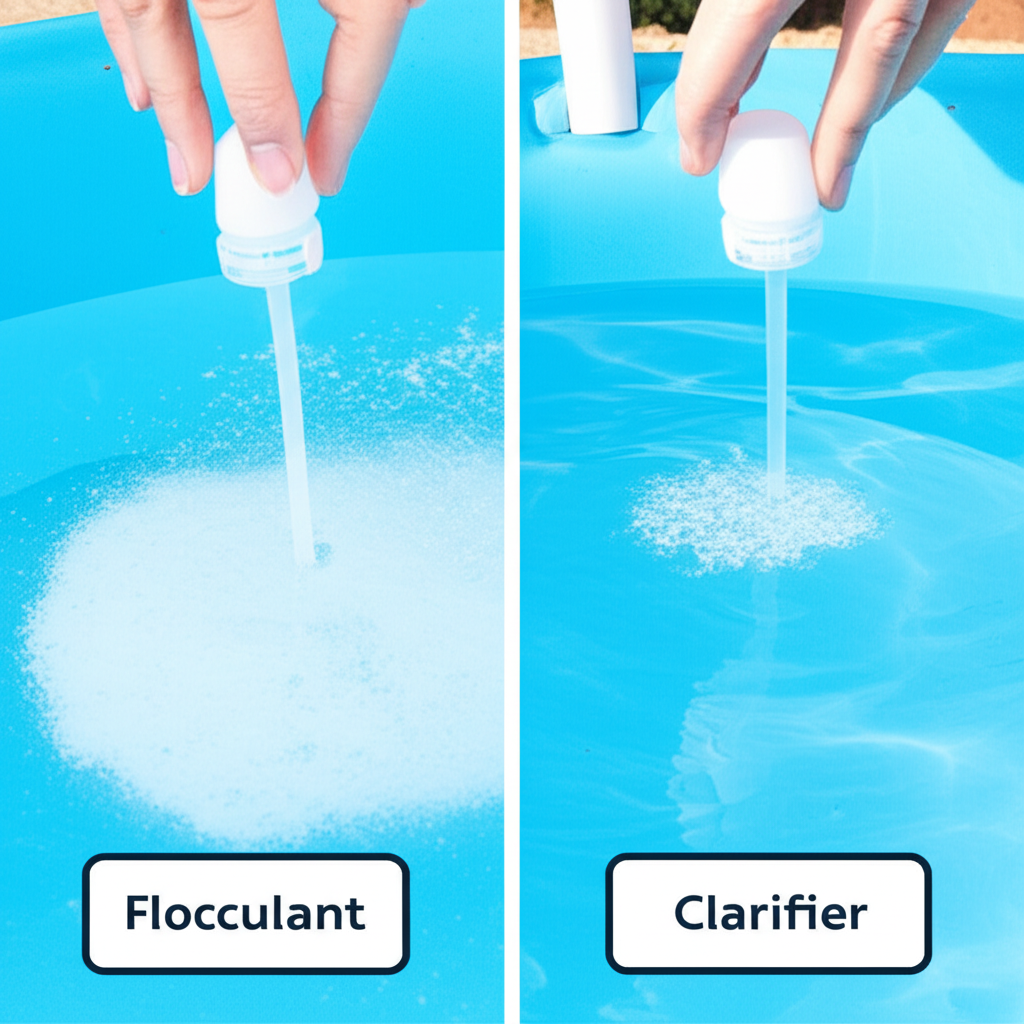
Imagine thousands of microscopic particles too small for even the finest pool filter to trap, floating endlessly in your water, making it cloudy. This is where a flocculant comes in. A flocculant works by a process called coagulation and flocculation. When added to the water, it causes these tiny suspended particles—such as dirt, dead algae, dust, and other organic matter—to clump together. These newly formed clumps, called “floc,” become heavy enough to sink rapidly to the bottom of the pool.
This process is highly effective for rapid clearing. However, it’s not a set-it-and-forget-it solution. Once the floc has settled on the pool floor, usually within 12-24 hours, it must be removed. This removal process requires careful vacuuming directly to waste, bypassing your filter. If you vacuum the heavy sediment through your filter, it can clog the filter system almost instantly, rendering it ineffective.
When to Use Pool Flocculant:
Severe Cloudiness: When you can barely see the bottom of your pool.
Post-Algae Treatment: After killing a significant algae bloom, when much dead algae remains suspended.
Major Debris Accumulation: After a storm or significant event that introduced a lot of particulate matter.
Application Process (General Guidelines – always follow product instructions):
1. Balance Chemicals: Ensure pH and alkalinity are within optimal ranges for the flocculant to work effectively.
2. Add Flocculant: Disperse the recommended amount evenly over the pool surface, often with the pump running for a short period to mix.
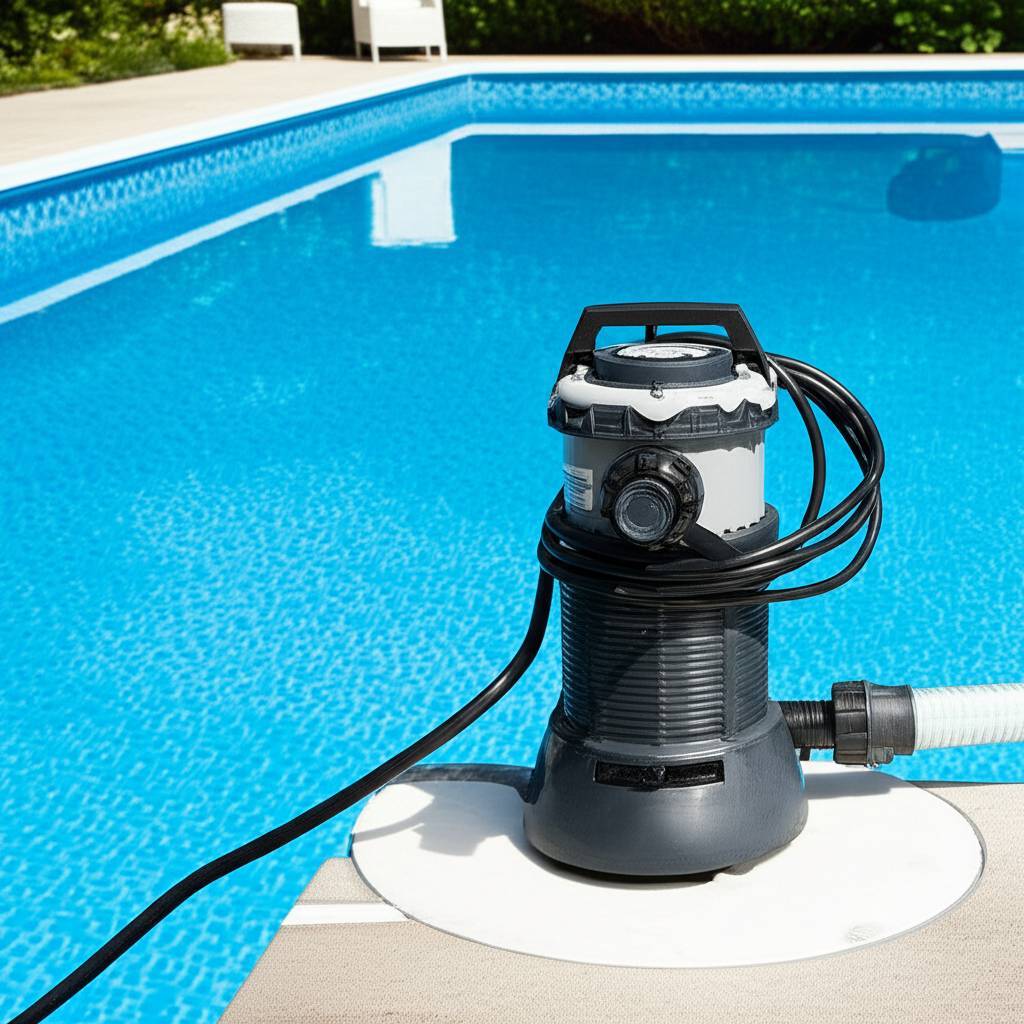
3. Circulate and Shut Off: Allow the pump to run for 1-2 hours to ensure good mixing, then turn off your pump and filter completely.
4. Allow to Settle: Let the pool sit undisturbed for 8-24 hours, giving the floc sufficient time to settle.
5. Vacuum to Waste: Carefully vacuum the settled debris directly to waste, bypassing your filter. This will lower your pool’s water level, so be prepared to add fresh water.
6. Balance and Restore: Once vacuumed, test and rebalance chemicals, then turn your filter back on.
Understanding Pool Clarifier
In contrast to flocculants, a pool clarifier is a gentler, often slower-acting chemical designed for milder cloudiness and ongoing water maintenance. Instead of making particles heavy enough to sink, a clarifier works by enhancing your filter’s ability to capture them.
Clarifiers contain polymers that, like flocculants, cause tiny particles to stick together. However, these clumps are much smaller and less dense than floc. They remain suspended in the water, but become large enough for your existing pool filter (sand, cartridge, or diatomaceous earth) to trap them effectively. This means you don’t need to vacuum to waste; your filter does the heavy lifting.
When to Use Pool Clarifier:
Mild to Moderate Cloudiness: When the water has a slight haze but you can still see the bottom.
Preventative Maintenance: Regular use can help prevent cloudiness from developing.
After Heavy Bather Load: To quickly re-clarify water after a pool party.
To Boost Filter Performance: When your filter seems to be struggling to keep the water pristine.
Application Process (General Guidelines – always follow product instructions):
1. Balance Chemicals: Ensure proper water chemistry for optimal clarifier performance.
2. Add Clarifier: Dilute the recommended amount in a bucket of pool water, then pour it evenly around the pool, particularly in front of return jets.
3. Circulate: Leave your pump running for at least one full cycle (typically 8-12 hours, or constantly).
4. Clean Filter: Backwash or clean your filter as recommended by its manufacturer after a few days, as it will have collected more debris.
Pool Flocculant vs. Pool Clarifier: Choosing Your Weapon
The core difference between these two products lies in the severity of the problem and the method of particle removal.
Severity of Cloudiness:
Pool Flocculant: Best for severe cloudiness, pea-soup green water, or instances where clarity is extremely low. It’s a “shock treatment” for clarity.
Pool Clarifier: Ideal for mild to moderate haziness or as a preventative measure. It’s more of a maintenance product.
Speed of Results:
Pool Flocculant: Can clear water dramatically faster, often within 24-48 hours from application to vacuuming.
Pool Clarifier: Works more slowly, typically over several days as the filter gradually removes the aggregated particles.
Effort and Water Waste:
Pool Flocculant: Requires significant manual effort (vacuuming to waste) and results in water loss that needs to be refilled.
Pool Clarifier: Requires minimal effort; simply add to the water and let the filter do its job. There’s no significant water waste beyond routine backwashing.
Filter System Compatibility:
Pool Flocculant: Requires you to bypass your filter entirely during the settling and vacuuming process. Not suitable for pools without a “waste” setting on their multiport valve or a way to bypass the filter for vacuuming.
Pool Clarifier: Works with your filter system.
Ultimately, your choice depends on the specific situation: is your pool just slightly hazy, or is it a cloudy mess? Do you need a quick fix, or are you looking for ongoing maintenance?
When to Call the Professionals
While understanding these treatments can empower you to tackle many common pool issues, there are times when expert intervention is invaluable. If you’ve tried both flocculant and clarifier, diligently maintained your water chemistry, and still struggle with persistent cloudiness, or if you simply prefer to leave the complex tasks to experts, professional assistance is the smart choice. Experienced pool cleaning services can diagnose underlying issues, from filtration problems to imbalances that aren’t easily corrected, ensuring your pool stays pristine. Companies like California Blue Pool offer comprehensive solutions for all your pool care needs.
Tips for Maintaining Crystal Clear Water
Beyond using flocculants or clarifiers when needed, consistent maintenance is key:
Regular Brushing and Skimming: Remove surface debris and scrub walls to prevent buildup.
Proper Chemical Balance: Test and adjust pH, alkalinity, sanitizer levels (chlorine, etc.) frequently.
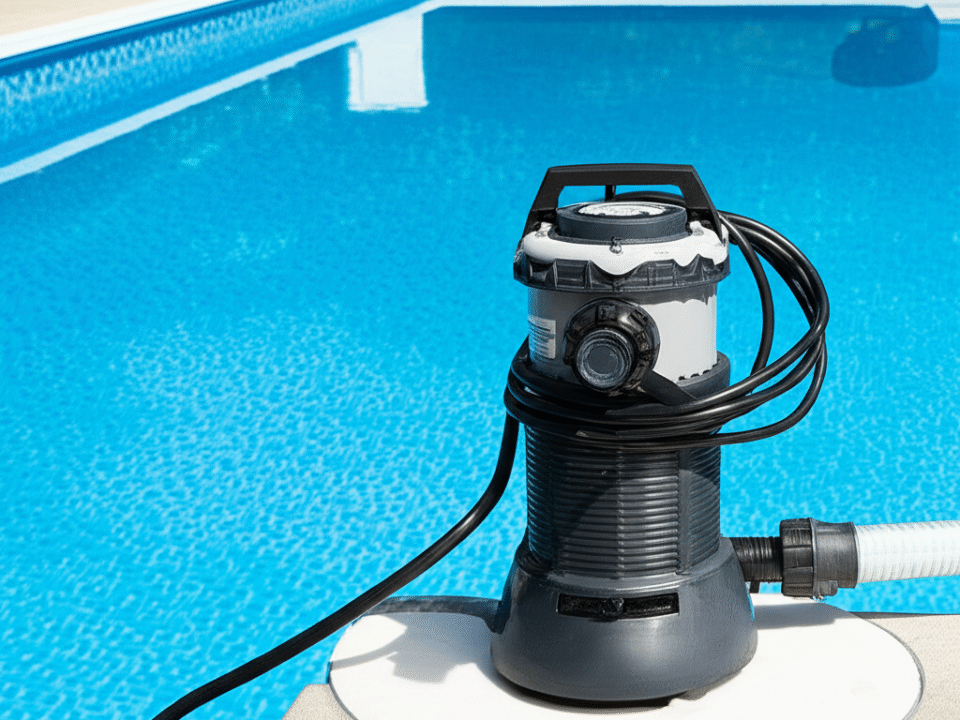
Routine Filter Cleaning: Backwash sand filters, rinse cartridge filters, or recharge D.E. filters regularly as per manufacturer guidelines. A clean filter is an efficient filter.
Adequate Circulation: Ensure your pump runs long enough each day to turn over the entire volume of pool water multiple times.
Algae Prevention: Use algaecides as a preventative measure, especially during warm weather.
By understanding the distinct roles of pool flocculant and pool clarifier, and incorporating them into a comprehensive pool maintenance routine, you can effectively banish cloudy water and enjoy a consistently sparkling, inviting swimming pool. For persistent challenges or simply to ensure your pool is always at its best, don’t hesitate to reach out to professional pool cleaning services.