
Smart Pool: Must-Have Automated Controls
June 1, 2026
Pool Inspection: Your Essential Buying Guide
June 4, 2026
- The Geographic Factor: Where Climate is King
- The Pool Itself: Quality, Type, and Condition
- Usable Yard Space: A Delicate Balance
- Target Demographics and Neighborhood Norms
- Does a Pool Add Value? The Financial Reality of Home Resale
- Smart Strategies for Resale
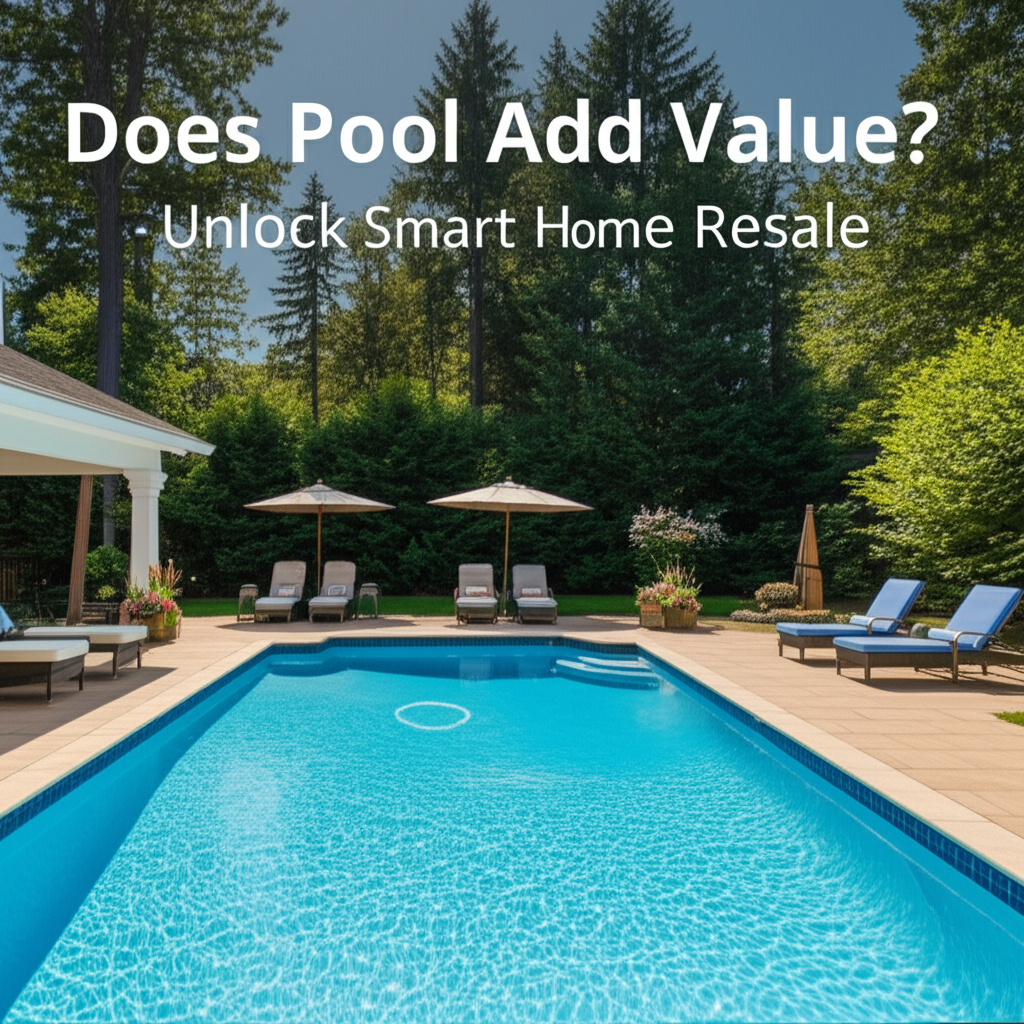
Does a Pool Add Value to your property, especially when considering a future home resale? It’s a question that echoes through the minds of countless homeowners and prospective buyers alike, often met with conflicting answers. While the shimmering allure of a personal oasis can be incredibly tempting, its impact on your home’s market value is far from a simple yes or no. The truth is, whether a pool enhances or detracts from your property’s worth hinges on a multifaceted interplay of factors, from geographical location to the pool’s condition and the prevailing market trends. Understanding these nuances is crucial for any homeowner looking to make a smart investment or prepare their property for sale.
The Geographic Factor: Where Climate is King
Perhaps the most significant determinant of a pool’s value is your geographic location and its climate. In regions blessed with long, hot summers and mild winters, such as California, Florida, or Arizona, a swimming pool is often seen as a desirable, even essential, amenity. Here, a pristine pool can genuinely enhance living enjoyment and attract a wider pool of buyers, potentially adding a measurable percentage to your home’s value. It caters to a lifestyle expectation—a private resort experience right in your backyard.
Conversely, in colder climates with shorter swimming seasons, a pool might be viewed more as a costly liability than an asset. The expense of opening, closing, and maintaining a pool for only a few months of use can outweigh the perceived benefits for many buyers, potentially narrowing your market and even leading to a slight depreciation in value for some segments of buyers.
The Pool Itself: Quality, Type, and Condition
Not all pools are created equal. The type, quality, and condition of your pool play a pivotal role in its impact on home resale. An inground pool, especially one that is well-designed, modern, and integrates seamlessly with professional landscaping, is far more likely to add value than an older, above-ground model. Features like a spa, waterfall, automatic covers, or energy-efficient heating systems can further enhance its appeal.
However, a pool that is poorly maintained, structurally unsound, or aesthetically dated can quickly become a significant detractor. No buyer wants to inherit a money pit. A neglected pool with cracked tiles, cloudy water, or faulty equipment signals immediate repair costs and hassle, often making potential buyers run for the hills. For this reason, ensuring your pool is in immaculate condition, with crystal-clear water and fully functional systems, is paramount if you hope for it to be an asset. Regular, professional pool cleaning services can make all the difference, transforming a potential liability into a shining feature that attracts buyers. If you’re in need of top-tier care to ensure your pool always looks its best, visit https://californiabluepool.com.
Usable Yard Space: A Delicate Balance
Even in favorable climates, a pool’s impact isn’t solely about its presence; it’s also about its integration into the overall property. If a pool consumes nearly all of the usable backyard space, leaving little room for children to play, pets to roam, or for other outdoor living areas like a garden or patio, it can inadvertently reduce value. Many buyers, especially families, seek a versatile outdoor space that accommodates various activities. A pool should ideally complement, not overwhelm, the rest of the yard.
Target Demographics and Neighborhood Norms
Understanding your neighborhood and potential buyer demographics is key. In upscale communities where pools are a common fixture, not having one might actually put your home at a disadvantage. Conversely, in a neighborhood where pools are rare, installing one might be an “over-improvement” that you won’t fully recoup.
Consider who your likely buyers are. Families with young children often appreciate a pool for entertainment and exercise. Empty nesters or young professional couples, however, might view a pool primarily as a source of maintenance costs, increased insurance premiums, and safety concerns, actively seeking homes without one. Your real estate agent’s insights into local market preferences are invaluable here.
Does a Pool Add Value? The Financial Reality of Home Resale
When it comes to the dollar value, most real estate experts agree that a pool rarely offers a 100% return on investment. While it might add a percentage to your home’s asking price—typically between 5% and 8% in ideal conditions—this often doesn’t fully cover the initial investment and ongoing maintenance costs. The real value often lies not in a direct dollar-for-dollar return, but in its ability to:
Increase Marketability: A well-maintained pool can make your home stand out in a competitive market, attracting more showings and generating greater interest.
Reduce Days on Market: Homes with desirable amenities tend to sell faster, which can be a significant advantage in a slow market.
* Enhance Lifestyle: For current homeowners, a pool offers undeniable joy and a venue for family memories, which, while not monetary, is a powerful form of value.
However, potential downsides include higher property taxes, increased utility bills (for heating and pumps), and potentially higher homeowners insurance premiums due to perceived liability risks. These ongoing costs must be factored into the overall value proposition.
Smart Strategies for Resale
If you currently own a home with a pool or are considering adding one with an eye on future resale, here are some smart strategies:
1. Prioritize Maintenance: This is non-negotiable. Before listing your home, ensure your pool is in immaculate, sparkling condition. Address any repairs, update outdated equipment if necessary, and ensure all safety features are operational. A spotlessly clean pool is an undeniable asset. For professional assistance with all your swimming pool needs, including routine care and deep cleaning, consider reaching out to the experts at https://californiabluepool.com to make sure your pool is always show-ready.
2. Landscaping Integration: Integrate the pool beautifully into your landscape. Thoughtful planting, attractive decking, and appealing outdoor living spaces around the pool create a cohesive, inviting experience that adds significant appeal.
3. Highlight Lifestyle: When marketing your home, focus on the lifestyle benefits the pool offers. Paint a picture of summer gatherings, relaxation, and family fun, rather than just listing it as a feature.
4. Consult Local Experts: A local real estate agent can provide specific data on how pools impact home values in your particular neighborhood and price range.
In conclusion, the question “Does a Pool Add Value?” for home resale is complex and without a universal answer. While it can certainly enhance marketability and provide significant lifestyle benefits, its financial return is highly dependent on climate, design, condition, location, and the specific dynamics of your local real estate market. For a pool to truly be an asset, it must be well-maintained, aesthetically pleasing, and suited to its environment, transforming from mere water and concrete into a cherished element of your property’s overall appeal.