Hard Water Effects: Devastating Pool Scale Truth
April 11, 2026
Chemical Storage: Foolproof Pool Safety
April 15, 2026
- Mastering the Elements: Your Guide to Pristine Pool Water
- The Everlasting Battle: Sun vs. Chlorine
- The Impact of Rain and Pool Water
- Post-Rainfall Protocol: What to Do After a Storm
- Balancing Act: Sun and Chlorine Management Strategies
- The Foundation of a Flawless Pool: Regular Maintenance
Mastering the Elements: Your Guide to Pristine Pool Water
Sun and chlorine are the dynamic duo at the heart of sparkling clean pool water, yet they also present constant challenges for pool owners. While chlorine is essential for sanitization, the sun’s relentless UV rays actively break it down, making consistent maintenance a continuous balancing act. Add to this the unpredictability of weather, particularly rain, and managing your pool’s chemistry can feel like a complex science experiment. This article will demystify the interplay of these forces, providing vital tips to ensure your pool remains an inviting oasis year-round.
The Everlasting Battle: Sun vs. Chlorine
Chlorine, in its various forms, is your pool’s primary defense against bacteria, algae, and other microscopic invaders. It sanitizes the water, keeping it safe and clear. However, without proper protection, as much as 90% of your pool’s chlorine can be destroyed by the sun’s ultraviolet (UV) rays within just a few hours. This rapid depletion means your pool can quickly become vulnerable, leading to cloudy water, algae growth, and an increased demand for costly chemicals.
The superhero in this scenario is cyanuric acid (CYA), often referred to as a “stabilizer” or “conditioner.” CYA bonds with chlorine molecules, shielding them from UV degradation. Maintaining the correct CYA level – typically between 30-50 ppm (parts per million) for most residential pools – is crucial for making your chlorine more efficient and long-lasting. Too little CYA, and your chlorine dissipates quickly; too much, and your chlorine can become “locked up,” making it less effective at sanitizing. Regularly testing your CYA levels, alongside free chlorine, pH, and alkalinity, is a cornerstone of effective pool management. For those who prefer professional oversight of their chemical balancing, comprehensive pool cleaning services can provide expert care, ensuring your water is always perfectly calibrated.
The Impact of Rain and Pool Water
Nature’s elements don’t just stop at the sun. When it comes to pool maintenance, rain and pool water have a unique relationship that requires careful monitoring. A sudden downpour might seem like harmless added water, but it can significantly disrupt your pool’s delicate chemical balance and introduce new contaminants.
Firstly, rainfall dilutes the water, which in turn dilutes your existing pool chemicals. This means lower concentrations of chlorine, decreased alkalinity, and a potential shift in pH. Secondly, rainwater itself often has a naturally lower pH, tending to be acidic. A prolonged rain shower can therefore lower your pool’s pH, making the water more corrosive and less comfortable for swimmers.
Beyond chemistry, rain washes a myriad of external pollutants into your pool. Airborne debris like pollen, dust, dirt, leaves, and even fertilizer runoff from surrounding landscapes can quickly turn crystal-clear water murky. These organic materials not only consume chlorine but also serve as food sources for algae, paving the way for unsightly green growth if not addressed promptly.
Post-Rainfall Protocol: What to Do After a Storm
After any significant rainfall, proactive steps are essential to restore your pool’s pristine condition:
1. Skim and Brush: Immediately remove any visible debris, leaves, and organic matter from the surface and floor of your pool. Brush the walls and floor to dislodge any clinging dirt or algae spores.
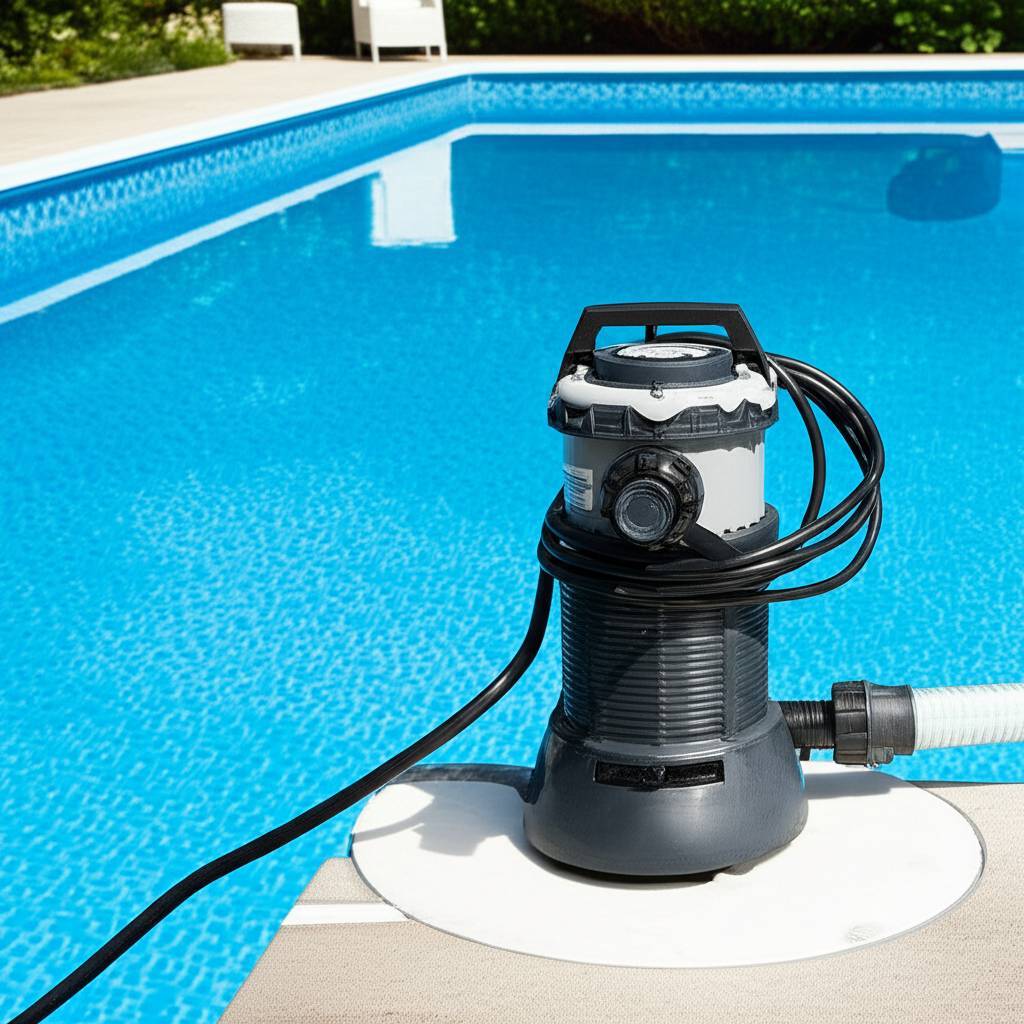
2. Clean Filters: All the extra debris and diluted chemicals mean your filter system has worked overtime. Backwash or clean your pool filter as needed to ensure optimal circulation and filtration performance.
3. Test and Balance: This is the most critical step. Use your test kit or strips to check your pool’s pH, alkalinity, calcium hardness, and, most importantly, free chlorine levels. Adjust each chemical as needed to bring them back within their ideal ranges. You’ll likely need to add more chlorine to replenish what was diluted and consumed, and possibly pH increaser or alkalinity increaser. If you’re unsure about the precise chemical adjustments, professional pool cleaning services can accurately assess and balance your water chemistry, preventing costly issues down the line.
4. Run the Pump: Continue running your pool pump for an extended period after a storm to ensure thorough filtration and circulation of newly added chemicals.
Balancing Act: Sun and Chlorine Management Strategies
To effectively manage the challenges posed by sun and chlorine, particularly during peak swimming season, consider these proactive strategies:
Consistent Testing: Make pool water testing a regular habit. Daily or every other day testing for free chlorine and pH is crucial, especially when the sun is strong. Check CYA, alkalinity, and calcium hardness weekly.
Shocking Regularly: Superchlorination, or “shocking,” is vital to break down chloramines (spent chlorine compounds that cause that “chlorine smell” and skin irritation) and kill off resistant contaminants. During hot, sunny periods with heavy pool usage, shocking once a week or every two weeks is often recommended.
Use Stabilized Chlorine: Opt for chlorine products that already contain CYA, such as trichlor or dichlor. Be mindful, however, that these can increase your CYA levels over time, requiring occasional partial draining and refilling to maintain optimal balance.
Consider a Pool Cover: A solar cover or a safety cover can significantly reduce chlorine loss due to UV rays when the pool is not in use. It also helps retain heat and keeps debris out, reducing the workload for your filter and chemical demands.
* Automated Feeders: Invest in a reliable automatic chlorine feeder (chlorinator) or a salt chlorine generator. These devices can help maintain a more consistent chlorine residual, making daily adjustments less frequent.
The Foundation of a Flawless Pool: Regular Maintenance
Beyond chemical adjustments, consistent physical maintenance is the bedrock of beautiful pool water. Regularly skimming, brushing, and vacuuming your pool removes physical contaminants before they can break down and consume your precious chlorine. Keeping your filter clean and ensuring proper water circulation through your pump are equally vital. A professional pool cleaning service can provide these essential tasks consistently, giving you peace of mind and more time to enjoy your perfectly clean pool.
In conclusion, achieving and maintaining crystal-clear pool water is a continuous process that involves understanding the delicate balance between environmental factors and chemical applications. By actively managing the impact of the sun’s UV rays on chlorine, swiftly addressing the effects of rain, and maintaining a robust routine of testing and physical cleaning, you can ensure your pool remains a sparkling haven for endless enjoyment.