
Sun and Chlorine: Vital Tips for Perfect Pool Water
April 13, 2026
Building a Pool: Ultimate Effortless Guide
April 17, 2026
- Why Prioritizing Proper Chemical Storage is Non-Negotiable
- The Golden Rules of Foolproof Chemical Storage
- Chemical Storage: Segregate for Safety
- Choose the Right Location
- Original Containers Only
- Handle with Utmost Care
- Inventory and Responsible Disposal
- Essential Equipment and Practices for Enhanced Safety
- When to Call the Professionals
- Conclusion
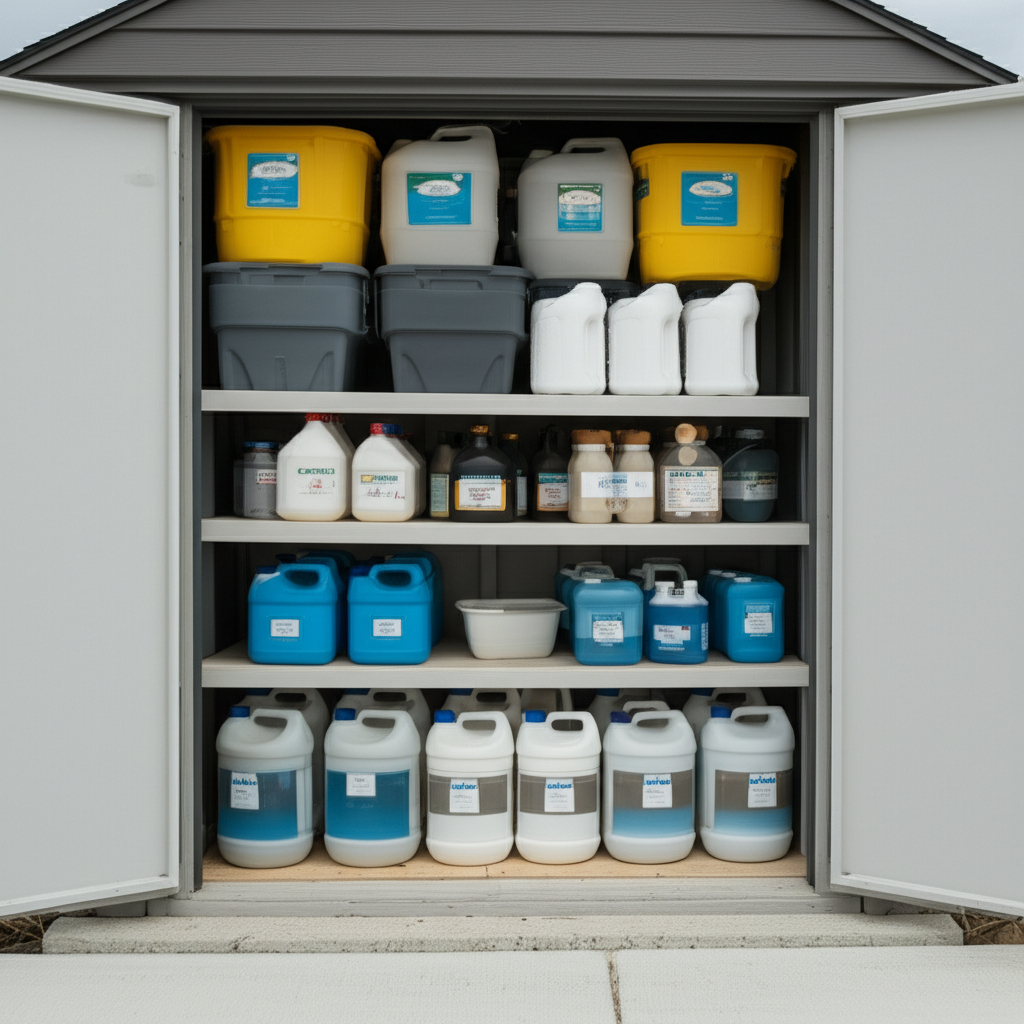
Chemical Storage is a critical aspect of responsible pool ownership, often underestimated in its importance for ensuring comprehensive pool safety. While the allure of a sparkling blue pool is undeniable, maintaining that pristine condition requires the use of potent chemicals. Improper storage of these necessary substances can transform your backyard oasis into a significant hazard, posing risks of chemical burns, respiratory issues, fires, and even explosions. Understanding and implementing foolproof chemical storage practices isn’t just a recommendation; it’s a non-negotiable step toward protecting your family, your pets, and your property.
Why Prioritizing Proper Chemical Storage is Non-Negotiable
The power that pool chemicals wield to keep algae at bay and bacteria neutralized also means they can be incredibly dangerous if mishandled. Pool chemicals like chlorine, pH adjusters, and algaecides are often highly reactive. Storing them incorrectly can lead to a cascade of problems:
Accidental Reactions: Mixing incompatible chemicals, even inadvertently, can produce toxic fumes, cause fires, or lead to explosive reactions.
Health Hazards: Improperly sealed containers or poor ventilation can release chemical fumes that irritate the eyes, skin, and respiratory system. Direct contact can cause severe burns.
Child and Pet Safety: Curious children and pets are naturally drawn to colorful containers. Chemicals stored within their reach are an accident waiting to happen, with potentially fatal consequences.
Environmental Damage: Spills can contaminate soil and groundwater, harming local ecosystems.
Property Damage: Corrosive chemicals can damage storage containers, shelving, and even the structural integrity of your storage area over time.
The Golden Rules of Foolproof Chemical Storage
Ensuring the safety of your pool chemicals boils down to a few fundamental principles. Adhering to these guidelines will significantly mitigate risks.
Chemical Storage: Segregate for Safety
One of the most crucial rules is never to mix different types of pool chemicals. This even applies to empty containers. Always store chemicals separately:
Oxidizers (like chlorine) must be kept away from acids, bases, and organic materials. Combining chlorine with products like muriatic acid, for instance, can release dangerous chlorine gas.
Use dedicated, clearly labeled storage containers. Never transfer chemicals into unlabeled household containers like old food or drink bottles. This can lead to disastrous mix-ups.
Ensure a physical separation between different chemical types on shelves or in storage bins.
Choose the Right Location
Where you store your chemicals is just as important as how you store them. Ideal locations share several characteristics:
Cool, Dry, and Ventilated: Heat, humidity, and direct sunlight can degrade chemicals, making them less effective and potentially more volatile. A well-ventilated area prevents the buildup of corrosive fumes.
Out of Reach: Always store chemicals on high shelves or in locked cabinets, inaccessible to children and pets. This is paramount for preventing accidental ingestion or contact.
Away from Heat Sources: Keep chemicals far from water heaters, furnaces, grills, or any other source of ignition or intense heat.
Dedicated Space: Ideally, chemicals should have their own isolated storage area, separate from general household items, especially fuels, fertilizers, or other garden chemicals.
Original Containers Only
Always keep pool chemicals in their original, manufacturer-labeled containers. These containers are specifically designed for the chemical they hold and include vital information:
Product name and type
Handling instructions
Warning labels
First aid procedures
Expiration dates
Transferring chemicals to generic containers removes these crucial safeguards and can lead to dangerous errors. If a label becomes damaged, replace the container or re-label it clearly and accurately.
Handle with Utmost Care
Even when retrieving or returning chemicals to storage, caution is key:
Wear Protective Gear: Always wear chemical-resistant gloves and eye protection when handling pool chemicals.
Avoid Spills: Use caution when opening, pouring, or measuring chemicals. If a spill occurs, clean it up immediately according to the product’s instructions. Keep a spill kit handy.
Never Mix Directly: Always add chemicals to water, never water to chemicals, and introduce them one at a time, allowing for proper dilution and circulation in the pool.
Inventory and Responsible Disposal
Keep an inventory of your pool chemicals, noting purchase dates and expiration dates. Dispose of expired or unwanted chemicals responsibly. Never pour them down drains, into storm sewers, or directly into the environment. Contact your local waste management facility for guidelines on household hazardous waste disposal.
Essential Equipment and Practices for Enhanced Safety
Beyond the rules of segregation and location, a few practical additions can significantly enhance your pool chemical storage safety:
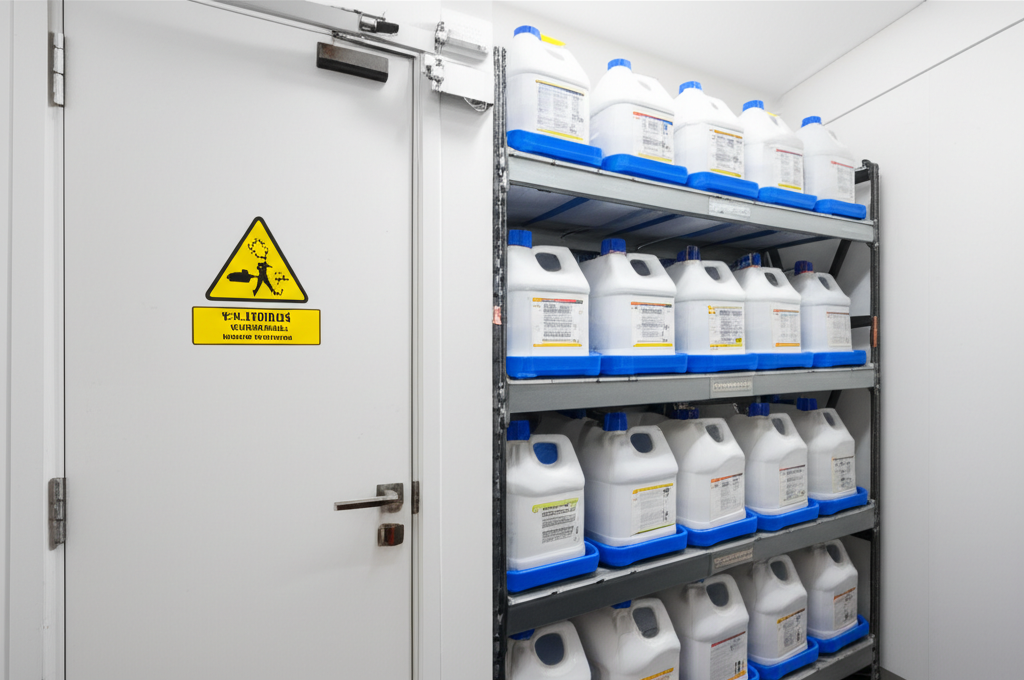
Sturdy Shelving: Invest in chemical-resistant shelving made from plastic or coated metal. Avoid wood, which can absorb spills and degrade over time.
Spill Containment: Consider using secondary containment trays or bins under your chemicals to catch any leaks or spills.
Emergency Information: Keep Material Safety Data Sheets (MSDS/SDS) or product labels readily accessible, along with a list of emergency contacts (Poison Control, local emergency services).
Eyewash Station/Source of Water: Ensure there’s a readily available source of clean water (like a garden hose) near your storage area for immediate rinsing in case of skin or eye contact.
When to Call the Professionals
While DIY pool maintenance is common, certain aspects, particularly those involving chemical handling and advanced pool cleaning services, are best left to experts. If you’re unsure about the proper handling of a particular chemical, discovering a substantial spill, or need guidance on complex pool maintenance routines, don’t hesitate to seek professional help. Experienced pool cleaning services can provide invaluable assistance, not just in keeping your pool sparkling and chemically balanced, but also in offering advice on safe chemical storage and overall pool hygiene. For comprehensive pool cleaning and maintenance solutions, professional providers like those available at https://californiabluepool.com are equipped to ensure your pool remains both beautiful and safe year-round. They can help you maintain optimal water chemistry, identify potential issues, and ensure your entire pool system is operating safely and efficiently.
Conclusion
Foolproof chemical storage is a cornerstone of overall pool safety. By committing to careful segregation, proper location, strict adherence to original containers, and cautious handling, you significantly reduce the risks associated with potent pool chemicals. These practices are not merely suggestions; they are vital responsibilities of every pool owner. Prioritizing safety through diligent chemical storage instills peace of mind, allowing you to fully enjoy your pool knowing that everyone who uses it is protected.