Fiberglass Pool: Ultimate Pros & Cons Guide
April 20, 2026
Modern Pool: Stunning Effortless Designs
April 23, 2026
- The Allure of Vinyl Liner Pools: A Deep Dive into Their Advantages and Considerations
- Unraveling the Benefits of a Vinyl Liner Pool
- Smooth & Gentle Comfort
- Design Flexibility and Aesthetic Appeal
- Cost-Effectiveness and Faster Installation
- Simplified Maintenance
- Understanding the Minor Drawbacks of Vinyl Liner Pools
- Liner Lifespan and Replacement
- Vulnerability to Punctures and Tears
- Chemical Sensitivity and Fading
- Navigating Pool Liner Types: Vinyl vs. Others
- Maximizing Your Vinyl Liner's Life
The Allure of Vinyl Liner Pools: A Deep Dive into Their Advantages and Considerations
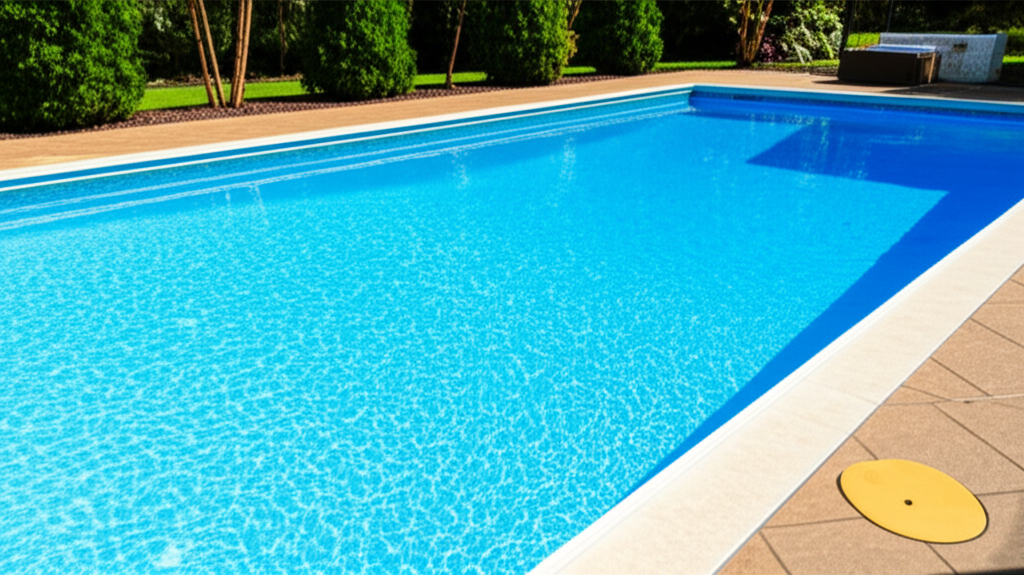
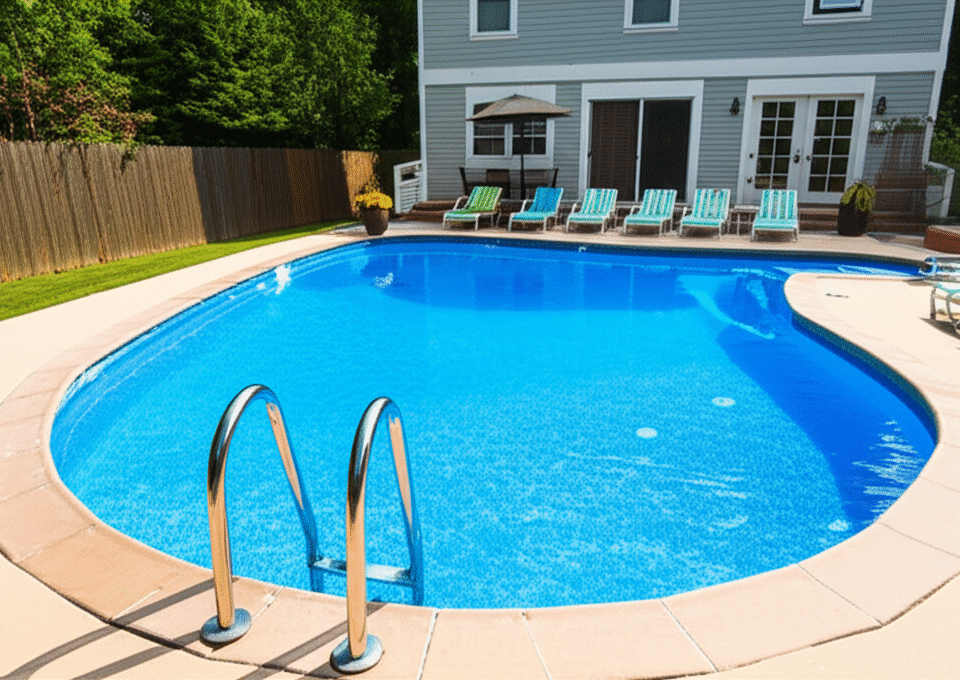
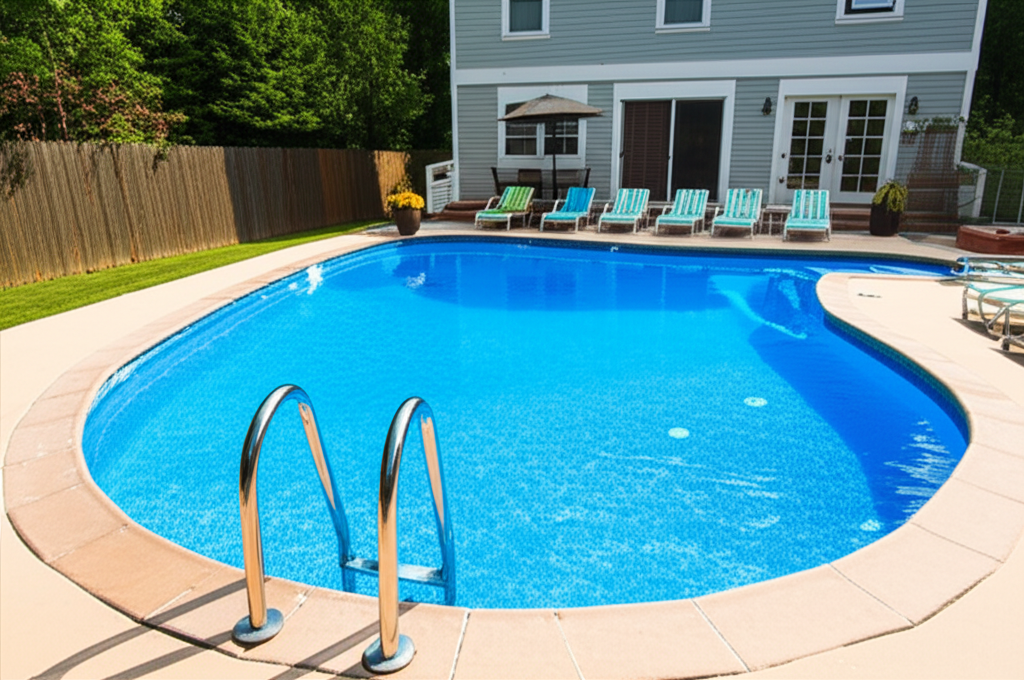
Vinyl Liner Pool construction represents a significant segment of the residential swimming pool market, offering a compelling blend of aesthetics, affordability, and comfort. For many homeowners dreaming of a backyard oasis, these pools present an attractive proposition. While they boast numerous benefits that make them incredibly popular, it’s also wise to understand their minor drawbacks to make an informed decision.
Unraveling the Benefits of a Vinyl Liner Pool
The popularity of vinyl liner pools isn’t accidental; it’s built upon a foundation of practical and aesthetic advantages.
Smooth & Gentle Comfort
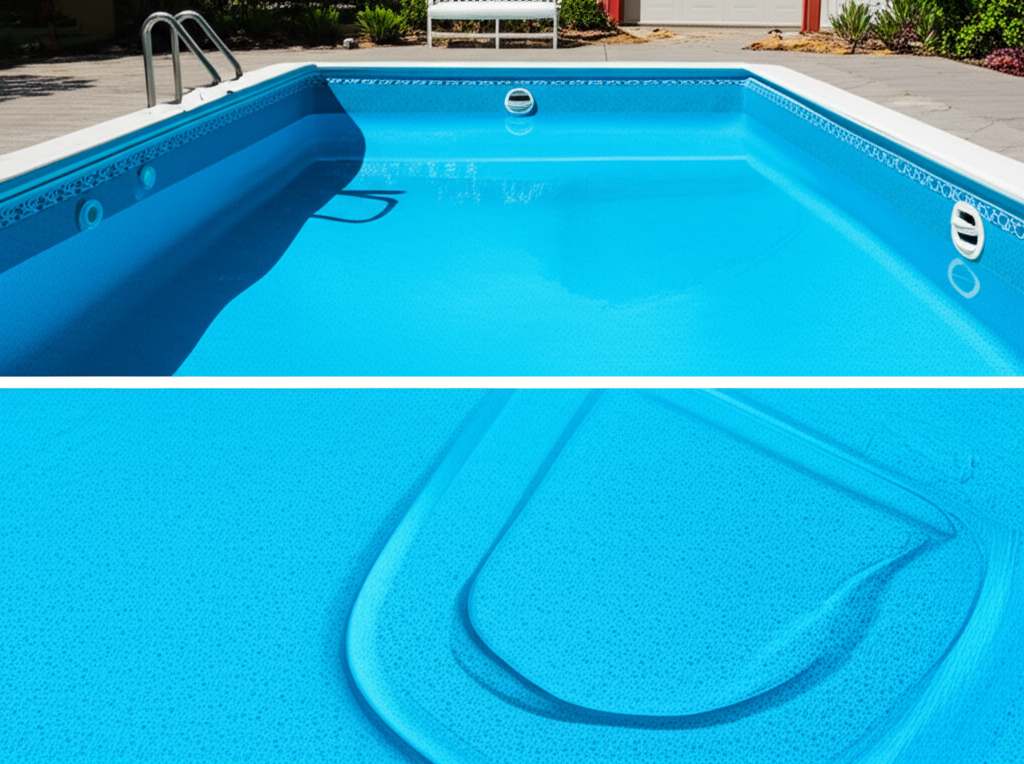
One of the most immediate benefits you’ll notice is the surface itself. Vinyl liners are inherently smooth, offering a soft, non-abrasive feel underfoot. Unlike some rougher concrete finishes, a vinyl liner provides a comfortable swimming experience, eliminating worries about scraped knees or snagged swimsuits. This makes them particularly appealing for families with young children or anyone seeking a gentler pool environment.
Design Flexibility and Aesthetic Appeal
Modern vinyl liners come in an astonishing array of patterns, colors, and textures, mimicking everything from natural stone to intricate mosaic tiles. This vast selection allows homeowners immense design flexibility, enabling them to customize their pool’s look to perfectly complement their backyard landscaping and personal style. Whether you desire a serene lagoon-like appearance or a vibrant, modern aesthetic, there’s a vinyl liner design to match. Furthermore, vinyl pools can be built in virtually any shape or size, from classic rectangles to elaborate freeform designs, offering endless possibilities for a truly unique swimming space.
Cost-Effectiveness and Faster Installation
Compared to their fiberglass or concrete counterparts, vinyl liner pools often boast a lower initial installation cost. This makes them a more accessible option for many first-time pool owners. Their construction process is also typically quicker. Once the excavation and wall installation are complete, the custom-cut vinyl liner is fitted relatively fast, meaning you can be enjoying your new pool much sooner than with other types.
Simplified Maintenance
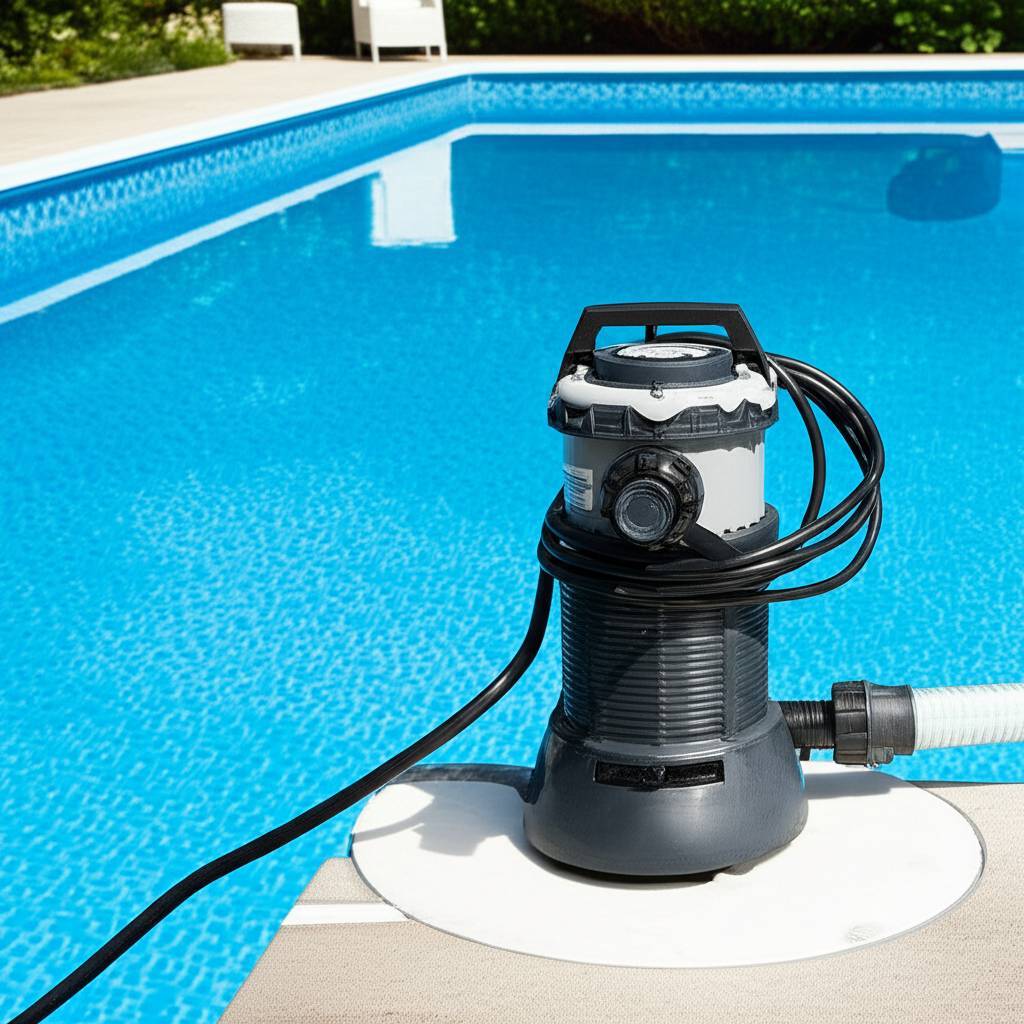
The smooth, non-porous surface of a vinyl liner is naturally resistant to algae growth. Unlike rougher plastered surfaces that can harbor algae in microscopic pores, vinyl provides fewer places for these unwelcome visitors to attach. This contributes to easier overall maintenance and can reduce the amount of chemicals needed to keep the water sparkling clean. While all pools require regular attention, the smooth surface simplifies tasks like brushing and vacuuming. For those who want to ensure their pool remains pristine without the hassle, exploring professional pool cleaning services can provide peace of mind and extend the life of your liner.
Understanding the Minor Drawbacks of Vinyl Liner Pools
While the advantages are significant, it’s equally important to consider the few potential downsides inherent to vinyl liner pools.
Liner Lifespan and Replacement
Vinyl liners are not a permanent feature; they have a finite lifespan. Typically, a quality vinyl liner will last anywhere from 8 to 12 years, though proper maintenance can sometimes extend this. Eventually, however, the liner will likely need to be replaced. This replacement cost, while not an annual expense, is a future consideration that homeowners should budget for. Over time, UV exposure and normal wear and tear can cause the liner to fade, thin, and become more susceptible to minor damage.
Vulnerability to Punctures and Tears
Despite their durability, vinyl liners can be susceptible to punctures or tears from sharp objects. Dropped tools, broken glass, or even pet claws can potentially damage the liner, leading to leaks. While small tears can often be patched underwater, larger or multiple punctures might necessitate a full liner replacement. Exercising caution around the pool and using appropriate cleaning tools are crucial for preventing such incidents. Regular inspections and prompt attention to any small issues can help avoid larger problems that might require more extensive pool cleaning services or repairs.
Chemical Sensitivity and Fading
Maintaining proper water chemistry is vital for any pool, but it’s especially important for vinyl liner pools. Imbalanced chemicals, particularly high chlorine levels or fluctuating pH, can prematurely age the liner, causing discoloration, fading, or even weakening the material. Continuous exposure to direct sunlight can also lead to fading over many seasons, especially in darker liner patterns.
Navigating Pool Liner Types: Vinyl vs. Others
When considering a new pool, understanding the differences between various pool liner types is crucial.
Vinyl Liner Pools offer a soft surface, extensive design options, and a relatively low initial cost. Their chief consideration is the need for liner replacement every 8-12 years.
Fiberglass Pools are known for their incredibly smooth, non-porous surface, which is highly resistant to algae and chemicals. They are quick to install and typically require less maintenance than other types. However, design options are typically limited to pre-fabricated shapes and sizes, and their initial cost can be higher than vinyl.
Concrete (Gunite/Shotcrete) Pools offer the ultimate in customization, allowing for any shape, size, or depth imaginable. They are extremely durable and can be finished with a variety of materials like plaster, tile, or aggregate. The trade-offs are higher initial costs, longer construction times, and a rougher surface that is more prone to algae and requires more rigorous pool cleaning and maintenance, including replastering every 10-15 years.
Maximizing Your Vinyl Liner’s Life
To get the most out of your vinyl liner pool, adhere to these simple maintenance tips:
Maintain Balanced Water Chemistry: Regularly test and adjust pH, alkalinity, calcium hardness, and sanitizer levels.
Use Gentle Cleaning Tools: Opt for brushes and vacuum heads designed for vinyl liners to avoid abrasions.
Avoid Sharp Objects: Keep sharp toys, tools, and pet claws away from the liner.
Proper Winterization: Ensure the pool is correctly closed for the off-season to protect the liner from freezing damage.
* Regular Cleaning: Consistent brushing and vacuuming, along with professional pool cleaning, will help prevent staining and algae growth, extending the liner’s beauty and lifespan.
In conclusion, a vinyl liner pool offers a fantastic blend of beauty, comfort, and affordability, making it an excellent choice for a wide range of homeowners. While prospective owners should be aware of the need for eventual liner replacement and the importance of careful handling, these minor drawbacks are often outweighed by the significant benefits. With proper care and attention, a vinyl liner pool can provide countless years of aquatic enjoyment and aesthetic pleasure.