Inground Pool Cost: Stunning Savings Revealed
April 18, 2026
Vinyl Liner Pool: Stunning Benefits, Minor Drawbacks
April 21, 2026
- What Exactly is a Fiberglass Pool?
- The Ultimate Pros of a Fiberglass Pool
- The Ultimate Cons of a Fiberglass Pool
- Is a Fiberglass Pool Right for You?
- Maintaining Your Fiberglass Pool
Fiberglass Pool: a shimmering oasis in your backyard, promising years of enjoyment with less fuss than many of its counterparts. But how does this popular option truly stack up? Choosing the right swimming pool for your home is a significant decision, involving considerations of cost, maintenance, durability, and aesthetics. This comprehensive guide will dive deep into the ultimate pros and cons of fiberglass pools, helping you determine if this innovative composite pool solution is the perfect fit for your lifestyle.
What Exactly is a Fiberglass Pool?
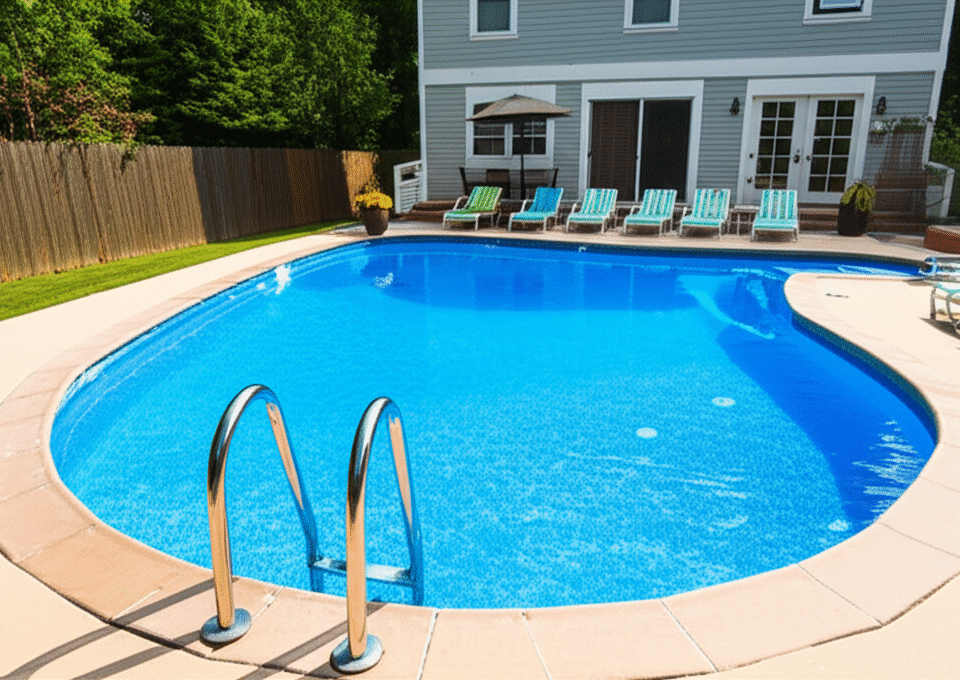
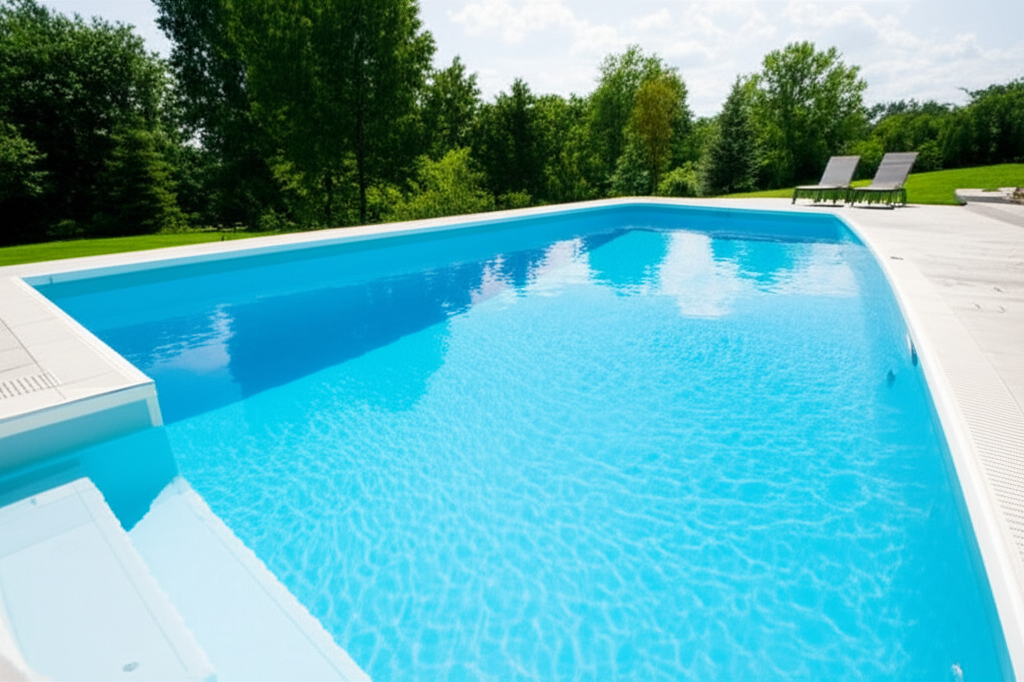
Before we explore the advantages and disadvantages, let’s understand what we’re talking about. A fiberglass pool is essentially a large, pre-formed shell crafted from multiple layers of fiberglass material, reinforced with resin, and finished with a smooth, gel coat surface. These shells are manufactured off-site and then transported to your home for installation. This differs significantly from concrete (gunite/shotcrete) pools, which are built on-site, or vinyl liner pools, which use a flexible liner over a frame. Each fiberglass pool shell is a single, monolithic structure, designed for strength and longevity.
The Ultimate Pros of a Fiberglass Pool
1. Exceptional Durability and Longevity:
Fiberglass is incredibly strong and flexible. Unlike concrete, which can crack due over time due to ground movement or freeze-thaw cycles, fiberglass can flex without damage. The smooth, non-porous gel coat finish is also highly resistant to algae growth, staining, and requires fewer harsh chemicals to maintain water balance. This means a longer lifespan for the pool structure itself and less frequent need for major repairs.
2. Low Maintenance Requirements:
Perhaps the most celebrated advantage of a fiberglass pool is its low maintenance. The smooth, non-porous surface prevents algae and other contaminants from adhering easily, meaning less scrubbing, fewer chemicals, and less time spent on routine pool cleaning services. Compared to rough concrete surfaces that invite algae, fiberglass is a dream for busy homeowners. This efficiency can lead to significant savings on chemicals and valuable time.
3. Rapid Installation Process:
Since the shell is manufactured off-site, the on-site installation of a fiberglass pool is remarkably quick. Once the excavation is complete and the base is prepared, the shell is typically lowered into place within a day. The entire project, including plumbing, decking, and landscaping, can often be completed in a matter of weeks, significantly faster than the months-long process often associated with concrete pools.
4. Superior Comfort and Safety:
The smooth, non-abrasive gel coat surface is gentle on feet and skin, making for a more comfortable swimming experience. There are no rough patches or sharp edges found in some other pool types. This smooth surface also means no snags for swimsuits or skin irritation, enhancing overall enjoyment and safety, especially for children.
5. Energy Efficiency:
The insulating properties of fiberglass material help to retain heat more effectively than concrete pools. This can translate into lower heating costs if you choose to warm your pool, extending your swimming season without breaking the bank.
6. Chemical Savings:
As mentioned, the non-porous surface deters algae growth. This means you’ll need to use fewer sanitizing chemicals like chlorine to keep your water sparkling clean, leading to significant cost savings over the lifetime of your pool.
The Ultimate Cons of a Fiberglass Pool
1. Higher Upfront Cost:
While fiberglass pools offer long-term savings, their initial purchase and installation cost can be higher than a vinyl liner pool, and sometimes comparable to or even slightly more than a basic concrete pool. The fact that the entire pool is pre-fabricated and shipped contributes to this cost.
2. Limited Sizes and Shapes:
Because fiberglass pools are pre-molded shells, you are restricted to the designs and sizes offered by manufacturers. If you have a specific, highly customized shape or an unusually large pool in mind, fiberglass might not be the best option. Concrete pools offer ultimate design flexibility, while vinyl liner pools can be shaped more easily on-site.
3. Potential for “Spider Cracks” or Osmotic Blistering:
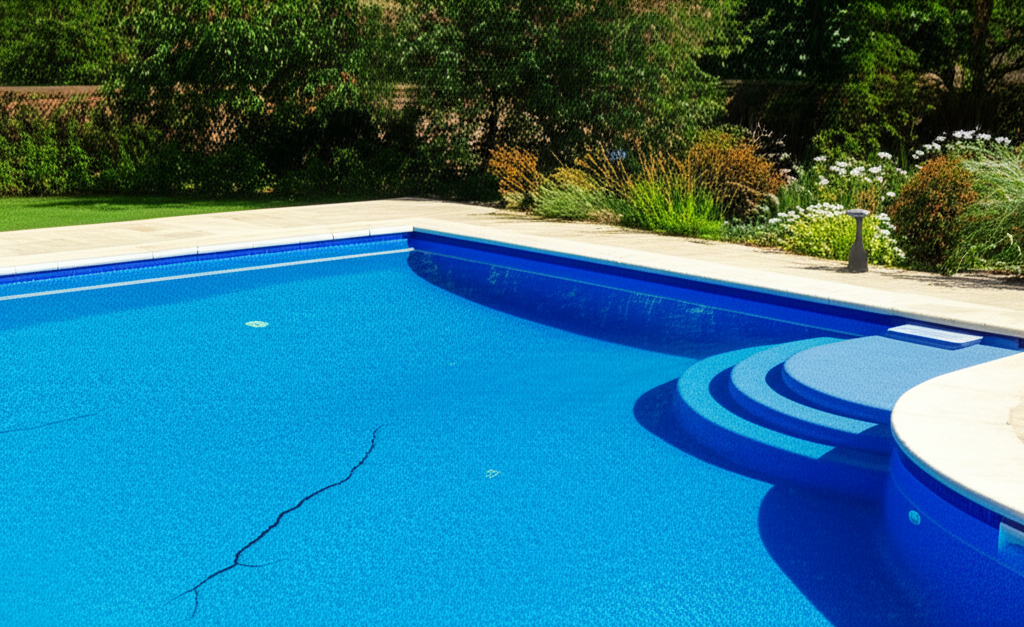
While rare, minor surface cracks (often called “spider cracks”) or osmotic blistering can occur in the gel coat over many years, particularly if the pool is improperly installed or if specific chemicals are mismanaged. These are typically cosmetic issues and don’t affect the structural integrity but can be costly to repair.
4. Surface Fading Over Time:
Just like any exterior finish exposed to sunlight and harsh chemicals, the gel coat of a fiberglass pool can fade or dull over several decades. While this doesn’t impact functionality, it might detract from its aesthetic appeal without restoration.
5. Transportation Challenges:
Getting a large, pre-fabricated fiberglass shell from the factory to your backyard can sometimes present logistical challenges, especially for homes with limited access. Large trucks and cranes are required, and tight turns or overhead obstacles can complicate delivery, potentially adding to installation costs.
6. Repair Limitations:
While patching small chips or cracks is possible, major repairs to the gel coat or structural damage can be more complex and may require specialized expertise to match the original finish seamlessly.
Is a Fiberglass Pool Right for You?
Considering the pros and cons, a fiberglass pool is an excellent option for homeowners prioritizing low maintenance, rapid installation, and long-term durability. It’s ideal for those who appreciate a smooth, comfortable swimming surface and are content with the wide range of excellent pre-designed shapes and sizes available.
However, if you dream of a truly bespoke pool with custom dimensions, unique features like infinity edges, or if your budget is extremely tight for the initial outlay, you might explore other options.
Ultimately, the decision comes down to your priorities. For many, the long-term savings in maintenance, chemicals, and reduced worry make a fiberglass pool an incredibly attractive and worthwhile investment.
Maintaining Your Fiberglass Pool
While fiberglass pools are known for their low maintenance, regular care is still essential to ensure their longevity and pristine appearance. This includes routine brushing, skimming, vacuuming, and consistent chemical balancing. While these tasks are generally simpler than with other pool types, they remain crucial. For those who prefer a hands-off approach to pool cleaning services, or need specialized maintenance and inspection to keep their fiberglass pool in top condition, professional help can be invaluable. Reputable companies can handle all aspects of routine cleaning, chemical balancing, and even opening and closing your pool for the season, ensuring your investment remains protected.
Choosing a fiberglass pool means investing in ease and enduring enjoyment. By understanding both its strengths and weaknesses, you can make an informed decision that will bring years of aquatic pleasure to your home.