
Poolside Kitchen: Stunning & Effortless Outdoor Living
May 18, 2026
Best Pool Location: Ultimate Yard Planning
May 21, 2026
- The Fundamentals of Pool Depth
- Understanding Pool Depth for Safe Diving
- Navigating Diving Board Depth Requirements
- Beyond the Board: Types of Dives and Their Depths
- Designing Your Deep End for Optimal Diving
- Maintaining Optimal Diving Conditions
- Conclusion
Pool Depth is a critical, often underestimated, factor in ensuring both safety and enjoyment in any aquatic environment, especially when it comes to diving. Understanding the nuances of pool depth isn’t just about avoiding a nasty bump; it’s about creating an optimal and secure experience for swimmers and divers alike. This guide will delve into what constitutes appropriate pool depth, particularly focusing on the requirements for safe diving, and how to navigate these considerations for your own peace of mind.
The Fundamentals of Pool Depth
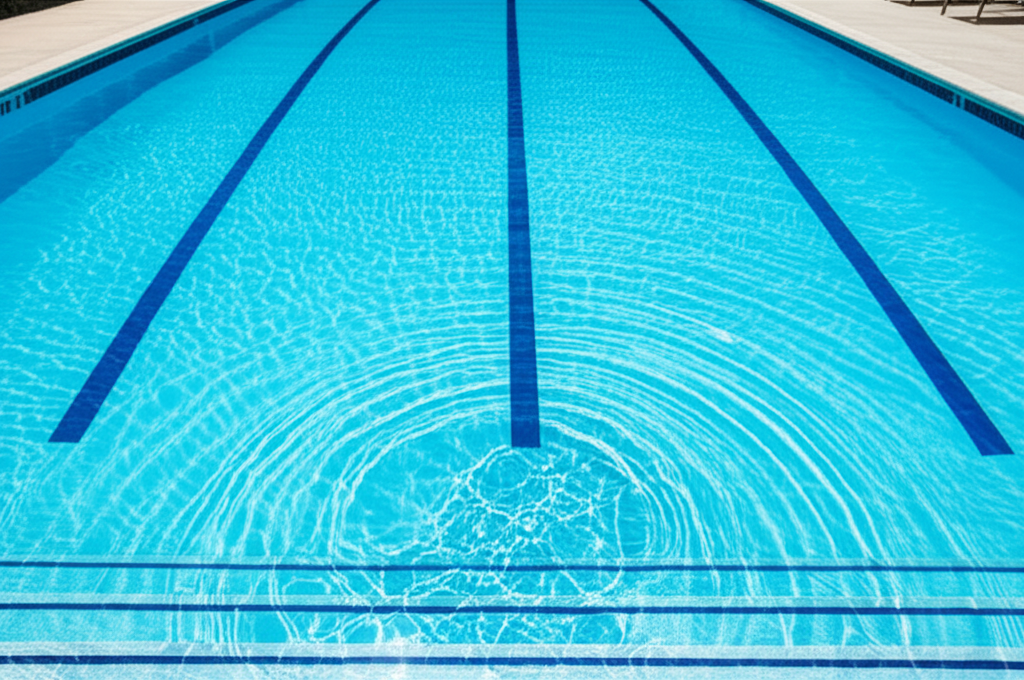
At its core, pool depth refers to the vertical measurement from the water’s surface to the bottom of the pool. While seemingly straightforward, pools rarely have a uniform depth. Most residential and commercial pools feature a gradual slope or distinct shallow and deep ends. Shallow ends are typically designed for younger children, wading, and general lounging, often ranging from 2 to 4 feet. Deep ends, on the other hand, cater to adult swimming, specific aquatic exercises, and, most importantly, diving. The transition between these depths must be clearly marked and easily identifiable to prevent accidents.
Beyond mere measurement, the purpose of a pool significantly dictates its ideal depth profile. A lap pool might have a fairly consistent depth averaging 4-5 feet, whereas a play pool designed for games and relaxation might stay within the 3-5 foot range. It is when we introduce the dynamic element of diving that depth becomes an absolute non-negotiable safety parameter.
Understanding Pool Depth for Safe Diving
The primary reason for meticulous attention to pool depth when diving is safety. Diving into water that is too shallow is exceedingly dangerous and can lead to severe, life-altering injuries, including broken bones, paralysis, and even death, often from head and spinal cord trauma. The impact force of a dive, even from a modest height, is substantial, and adequate water depth is crucial for decelerating the body safely before contact with the pool bottom.
For recreational diving, where individuals might jump from the deck or a low platform, a minimum depth of 7 to 8 feet is generally recommended. This allows sufficient space for the diver to enter the water and slow down before reaching the pool floor. However, true diving, especially from a diving board, requires even more stringent depth requirements.
Navigating Diving Board Depth Requirements
When installing or using a diving board, adhering to specific diving board depth standards is paramount. These standards are developed by organizations like the Association of Pool & Spa Professionals (APSP, now merged into PHTA – Pool & Hot Tub Alliance) and FINA (Fédération Internationale de Natation, the international governing body for aquatic sports) to ensure maximum safety. While competitive diving has very strict rules, even residential pools with diving boards should follow these guidelines closely.
For a standard 1-meter (approximately 39 inches) diving board, the generally accepted minimum requirements are:
Minimum Depth: At the very end of the diving board, the pool must be at least 8 feet deep, extending for a certain distance forward.
Minimum Depth for Recreational Use: Many guidelines suggest 9 to 10 feet for a wider margin of safety, especially anticipating varied skill levels.
Sloping Bottom: The deep end needs to maintain its depth for a specific distance (e.g., 16-20 feet depending on the board’s height and pool type) before gradually sloping upwards.
Transitional Depths: Even the slope leading up from the deepest point must meet specific angle requirements to prevent divers from impacting a rising floor.
For higher diving boards, such as 3-meter (approximately 10 feet) boards, the depth requirements become even more significant, often demanding a minimum depth of 12 feet or more, with an extended flatter bottom area. It’s not just about the deepest point; it’s about the entire profile of the deep end, ensuring adequate clearance from the sides and bottom throughout the dive’s trajectory. Always consult the manufacturer’s specifications for your specific diving board and local building codes.
Beyond the Board: Types of Dives and Their Depths
Not all dives are created equal, and some require more depth than others. A simple “cannonball” jump might be safer in slightly less depth than a head-first dive, but caution is always advised. Competitive divers execute complex maneuvers, flips, and twists, necessitating precise depth and ample clearance to avoid any obstruction. Recreational divers, while often less precise, still benefit immensely from generous depth. Even a simple flip turn in a lap pool requires enough room to avoid scraping the bottom or the wall. The general rule is: if you’re going head-first or from any elevation, ensure the water truly is deep enough.
Designing Your Deep End for Optimal Diving
If you’re planning a new pool with a diving feature, consider a “hopper bottom” or “diving well” design. This involves a specific shape in the deep end that accommodates the arc of a diver’s entry. These designs follow established geometric parameters to ensure adequate depth and clearance. Consulting with a qualified pool designer or builder is crucial to ensure your pool’s deep end meets professional and safety standards for diving. An L-shaped pool or a sport pool (which typically has two shallow ends and a deeper middle) can also be configured to allow for safe diving.
Maintaining Optimal Diving Conditions
Ensuring the correct pool depth is only one part of the equation for a safe diving environment. The water itself must be clean, clear, and properly balanced. Murky water hides the bottom, making it impossible to accurately judge depth, which increases the risk of accidents. Regular pool cleaning services are essential to keep the water pristine, ensuring visibility and preventing algae or debris from creating hazards. A reputable pool service can also ensure your chemical levels are balanced, protecting both swimmers and the pool’s infrastructure. For reliable pool cleaning services that uphold the highest standards of safety and clarity, consider visiting californiabluepool.com. Proper maintenance extends to checking your diving board for stability and any signs of wear and tear, ensuring it remains safe to use.
Conclusion
The allure of diving is undeniable, adding an exciting dimension to pool use. However, this thrill must always be tempered with a profound respect for safety, with pool depth standing as the cornerstone of that safety. Whether you’re a pool owner, a frequent swimmer, or enjoying a vacation, always verify that the water is sufficiently deep before attempting any dive. Prioritizing correct pool depth and maintaining a clean, well-serviced swimming environment ensures that diving remains a joyous and safe activity for everyone.