Pool Depth: Ultimate Guide to Best Diving
May 19, 2026Pool Loans: Effortless & Smart Financing Options
May 22, 2026
- Why Your Pool's Location is Paramount
- Key Factors for Determining the Best Pool Location
- Integrating Your Pool with Overall Yard Planning
- Best Pool Location: Practical Steps for Yard Planning
- Maintenance and Long-Term Considerations
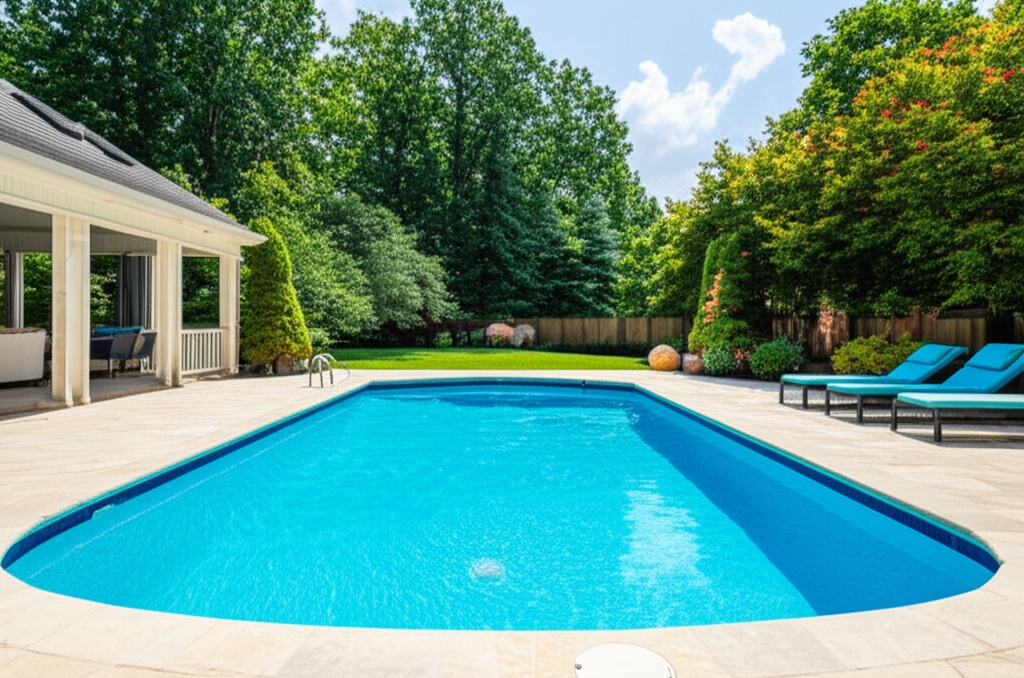
Best Pool Location is not merely a matter of picking a spot in your yard; it’s a strategic decision that shapes your entire outdoor living experience. Thoughtful yard planning ensures your pool is not only a fantastic amenity but also a seamless, functional, and beautiful extension of your home. Rushing this crucial step can lead to a host of future frustrations, from inconvenient access to excessive maintenance.
Why Your Pool’s Location is Paramount
Selecting the optimal spot for your swimming pool goes far beyond aesthetics. It impacts everything from construction costs and operational efficiency to safety, privacy, and long-term enjoyment. A poorly chosen location can lead to higher heating bills, constant debris, inadequate privacy, or even structural issues. Conversely, a well-planned position maximizes sun exposure, minimizes maintenance, enhances your landscape, and provides a safe, inviting environment for relaxation and recreation.
Key Factors for Determining the Best Pool Location
To truly achieve the Best Pool Location within your existing landscape, consider these critical elements:
Sunlight Exposure: This is perhaps the most vital factor. Position your pool in an area that receives ample direct sunlight throughout the day, especially during peak swimming hours. Maximum sun exposure naturally warms the water, extending your swimming season and reducing the need for costly external heaters. Observe sun patterns at different times of the day and year.
Wind Protection: Strong winds can significantly cool pool water through evaporation, increase debris, and make swimming less comfortable. Consider natural windbreaks like existing structures, fences, or strategically planted evergreen hedges and trees.
Privacy: A pool is often a personal sanctuary. Ensure your chosen location offers a good degree of privacy from immediate neighbors and street views. Fencing, landscaping, or clever architectural elements can create a secluded oasis.
Proximity to Your Home: Being too far from the house can be inconvenient for quick dips, bathroom breaks, or bringing out snacks. Too close, and it might dominate your outdoor space or create safety concerns. Aim for a comfortable balance that allows for easy access while integrating with your overall yard design. Consider also the path from the house to the pool – is it safe, non-slip, and well-lit?
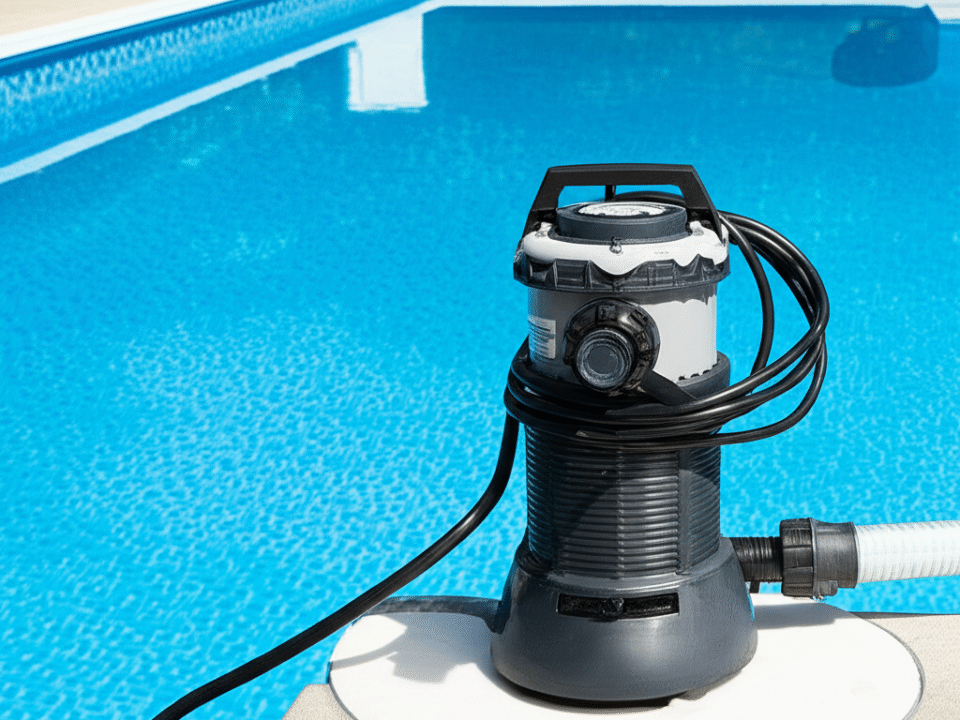
Utility & Infrastructure Access: Pools require electricity for pumps, filters, and lighting, and often gas for heaters. Easy access to these utility lines can save significant trenching and installation costs. Proper drainage is also essential to prevent water runoff and potential damage to your property.
Topography and Soil Conditions: A relatively flat area is ideal for pool construction, minimizing excavation and leveling costs. Sloped yards can be accommodated but may require retaining walls or more extensive grading. Understanding your soil type is also crucial for stability and proper drainage, which your pool builder will assess.
Existing Trees and Landscaping: While trees can provide beautiful shade, their proximity to a pool can be a double-edged sword. Falling leaves, seeds, and blossoms will increase the need for regular skimming and pool cleaning services, potentially clogging filters and affecting water chemistry. Moreover, aggressive root systems can damage pool structures over time. Carefully consider deciduous vs. evergreen trees and their root structures.
Local Regulations and Bylaws: Before any digging, thoroughly research local zoning laws, setback requirements (how far the pool must be from property lines or existing structures), fencing mandates, and permit processes. These regulations often dictate the feasible locations and designs for pools.
Integrating Your Pool with Overall Yard Planning
The best pool location isn’t an isolated decision; it’s part of a comprehensive yard plan. Think about how the pool will interact with other outdoor zones:
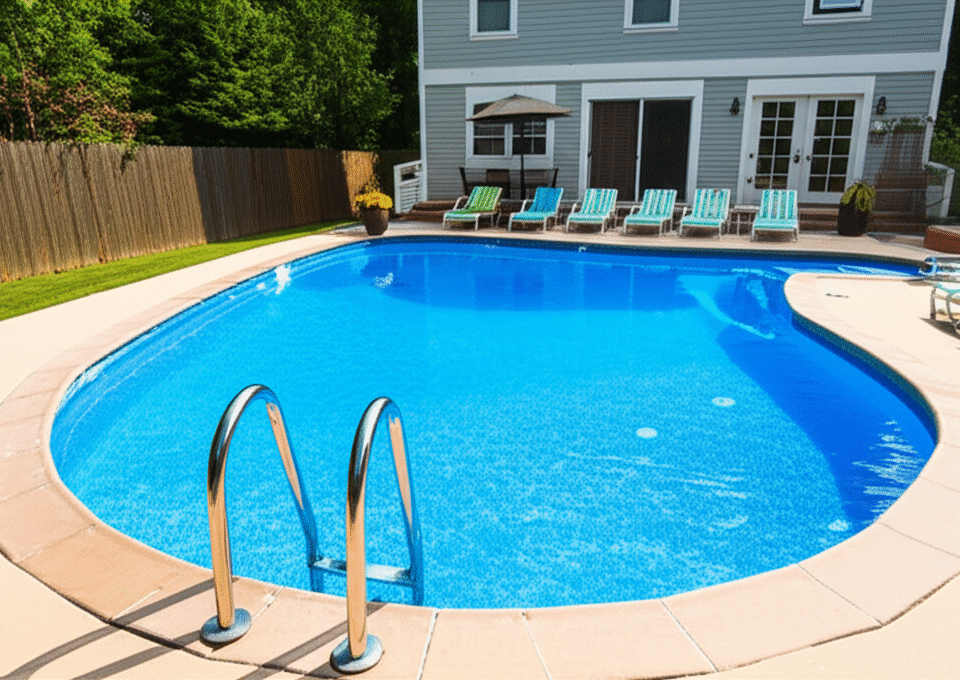
Lounging and Deck Space: Allocate ample space around the pool for lounging chairs, umbrellas, and towels. The material of your decking (pavers, concrete, wood) should be slip-resistant and comfortable underfoot.
Outdoor Kitchen or Dining Areas: If you envision entertaining, consider how the pool integrates with an outdoor kitchen, bar, or dining pergola. The flow between these areas should be natural and convenient.
Play Areas: If you have children, ensure designated play areas are safely separated from the pool, perhaps with fencing or landscaping.
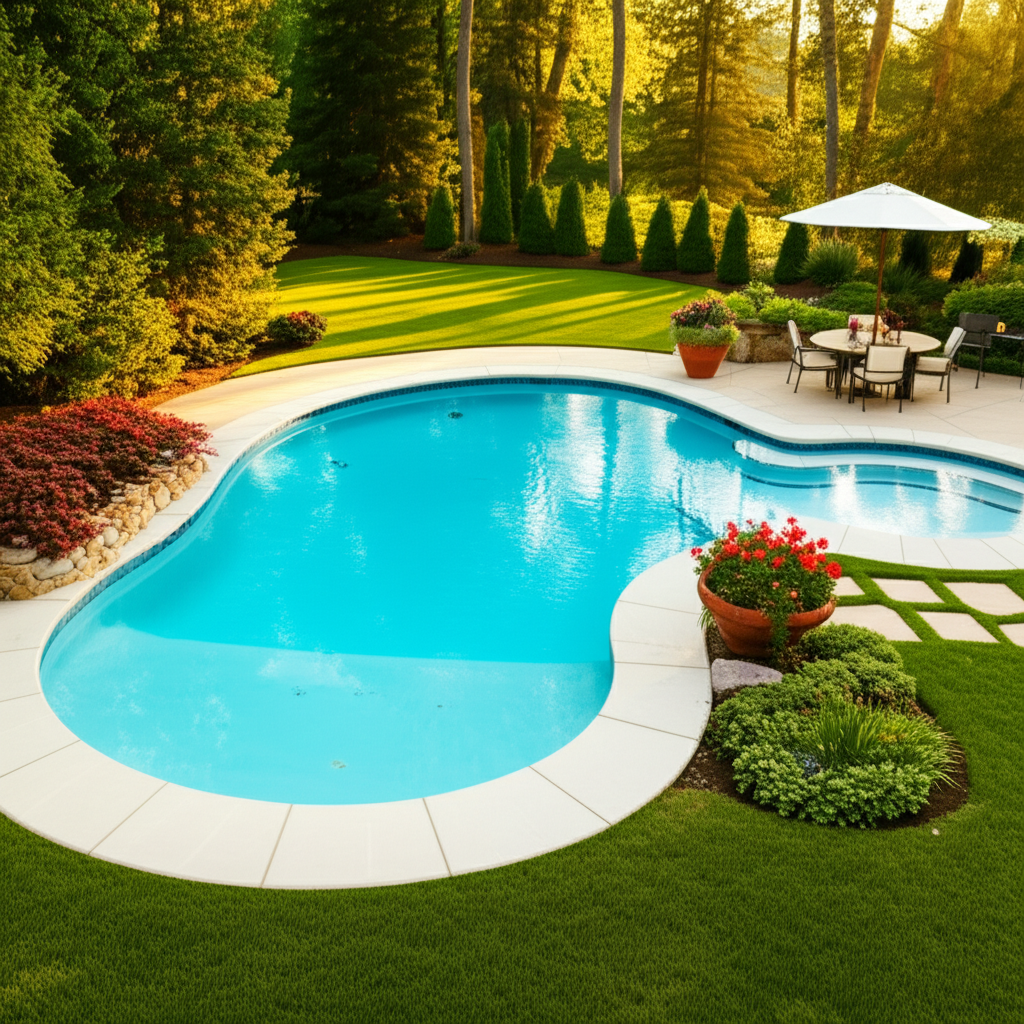
Landscaping: Thoughtful landscaping enhances the pool environment, providing beauty, shade, privacy, and wind protection. Choose plants that are low-debris, drought-tolerant, and complement the pool’s aesthetic.
Best Pool Location: Practical Steps for Yard Planning
Once you’ve considered the conceptual factors, here are some practical steps to define your best pool location:
1. Site Analysis: Spend time in your yard, observing sun paths, prevailing winds, natural gradients, and existing views (both desirable and undesirable). Mark potential locations with stakes or spray paint to visualize the scale and placement.
2. Professional Consultation: Engage a reputable pool builder or landscape architect early in the process. Their expertise in site assessment, design, and local regulations is invaluable. They can help you visualize possibilities, identify potential challenges, and ensure your plan is structurally sound and compliant.
3. Budget Allocation: Understand that location can influence costs significantly, from excavation and utility extensions to landscaping and fencing. Factor these into your overall budget.
Maintenance and Long-Term Considerations
Even the best pool location will require ongoing maintenance. Consider:
Accessibility for Maintenance: Ensure there’s enough space around the pool for routine tasks and for equipment like vacuums or automatic pool cleaners. Easy access for pool cleaning services is also crucial, especially if you plan to rely on professionals to keep your water pristine and balanced. A well-designed pool area makes it easier for them to do their job efficiently.
Winterization: If you live in a climate that requires winterizing your pool, consider how the location facilitates this process and protects the pool from harsh elements.
* Future Expansion: Even if you’re not planning it now, think about potential future additions like a pool house, outdoor shower, or a spa.
By meticulously considering these factors and engaging in thorough yard planning, you can transform your backyard into an impressive aquatic retreat that brings joy, relaxation, and value to your home for years to come.