Diving Board: Ultimate Safe Pool Fun
June 16, 2026
Pool Drain: Essential Safety & Optimal Flow
June 20, 2026
- Why a Pool Safety Alarm is Non-Negotiable
- Types of Pool Safety Alarms: Exploring Your Options
- Gate Alarms: The First Line of Defense
- Water Alarms: Detecting Unintended Entry
- Other Alarm Technologies
- Integrating Your Pool Safety Alarm with a Comprehensive Safety Plan
- Installation and Maintenance: Ensuring Your Pool Safety Alarm Works
- The Ultimate Peace of Mind
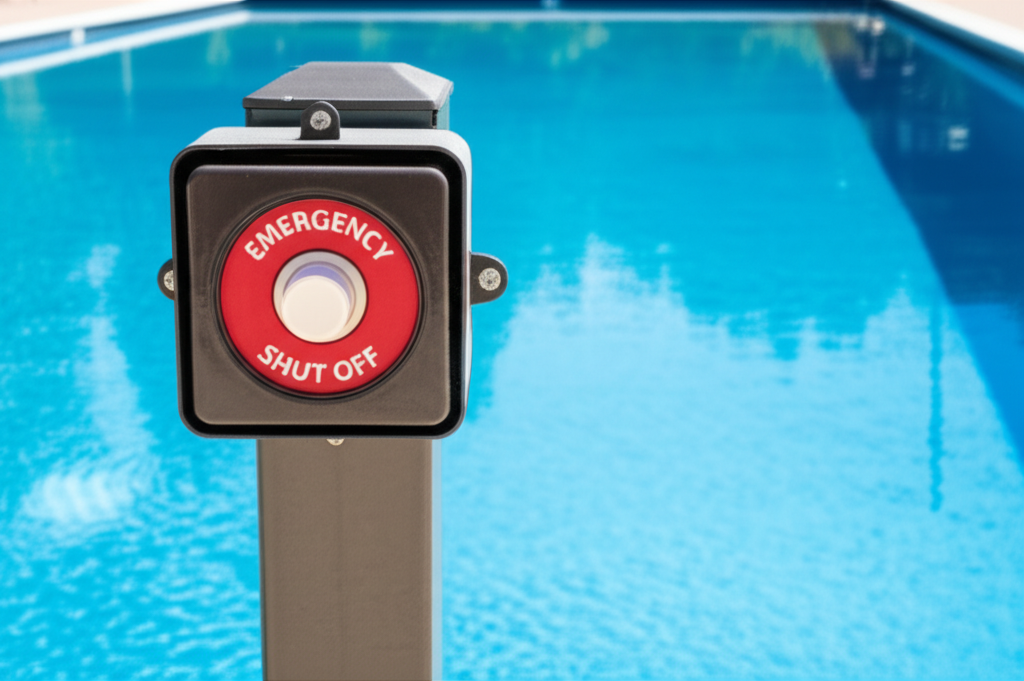
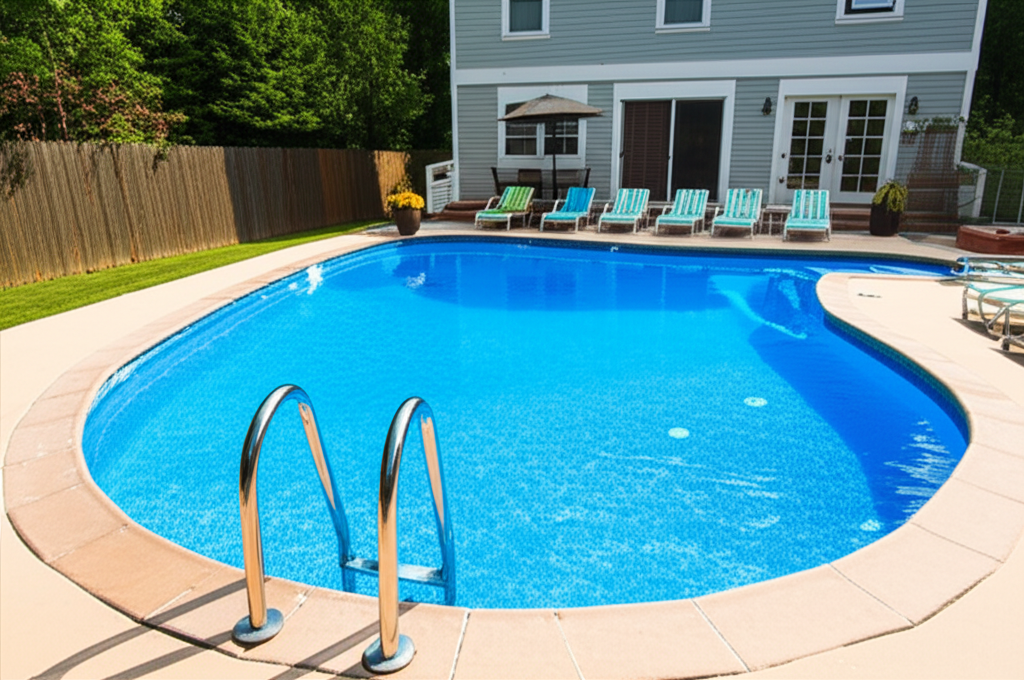
Pool Safety Alarm provides an indispensable layer of protection for any homeowner with a swimming pool. The allure of a backyard oasis is undeniable, offering endless fun, relaxation, and memorable moments. However, with the joy of pool ownership comes an immense responsibility: ensuring the safety of everyone, especially children and pets, who might be around it. Tragically, drowning remains a leading cause of accidental death for young children, highlighting the critical need for proactive safety measures. A robust pool safety alarm system isn’t just a recommendation; it’s a vital component of a comprehensive safety strategy, offering invaluable peace of mind.
Why a Pool Safety Alarm is Non-Negotiable
While fences, gates, and constant supervision are foundational to pool safety, even a moment’s lapse can have devastating consequences. This is where a pool safety alarm steps in as your silent, ever-vigilant sentinel. It acts as an immediate warning system, alerting you to potential dangers and giving you precious seconds – or even minutes – to respond. Whether it’s a curious toddler wandering too close, a pet accidentally falling in, or an uninvited guest attempting to access the area, an alarm system provides that critical heads-up. For families, the thought of their loved ones being safe around the pool is paramount, making an investment in reliable safety technology a clear priority.
Types of Pool Safety Alarms: Exploring Your Options
The market offers a variety of pool safety alarms, each designed to detect different types of intrusions and provide varying levels of protection. Understanding your options is key to choosing the system that best suits your pool’s layout, local regulations, and personal needs.
Gate Alarms: The First Line of Defense
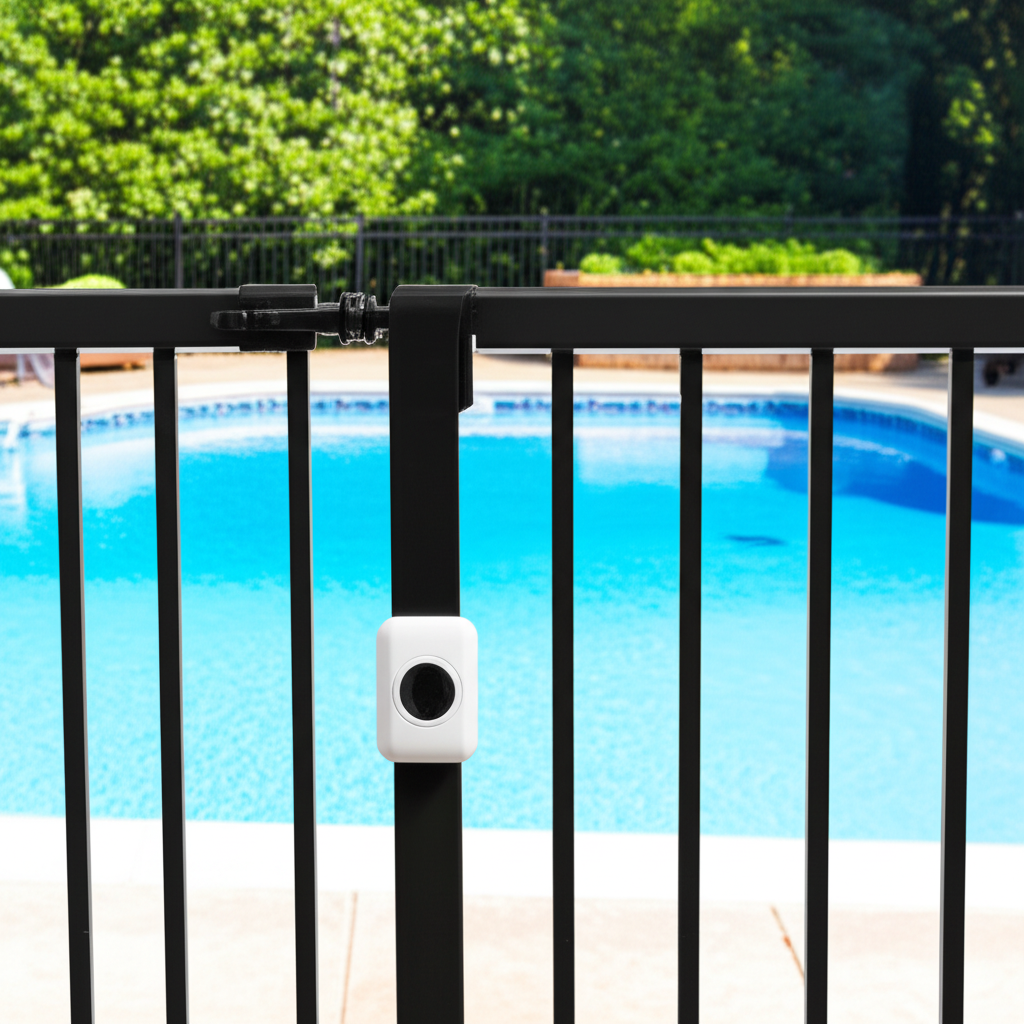
A gate alarm is often the first layer of defense in a multi-pronged pool safety approach. These alarms are installed directly on pool gates, signaling whenever the gate is opened or left ajar. Many gate alarms are equipped with an audible alert that sounds immediately upon opening and continues until manually reset or closed properly. Some models also feature a child-proof latch that requires multiple actions to open, further deterring unauthorized access. The effectiveness of a gate alarm lies in its ability to prevent entry to the pool area in the first place, making it an essential component of any secure pool fence system.
Water Alarms: Detecting Unintended Entry
Water alarms (also known as pool alarms or immersion alarms) are designed to detect disturbances on or in the pool’s surface, triggering an alert if someone or something larger than a small animal breaks the water’s tension. There are a few main types of water alarms:
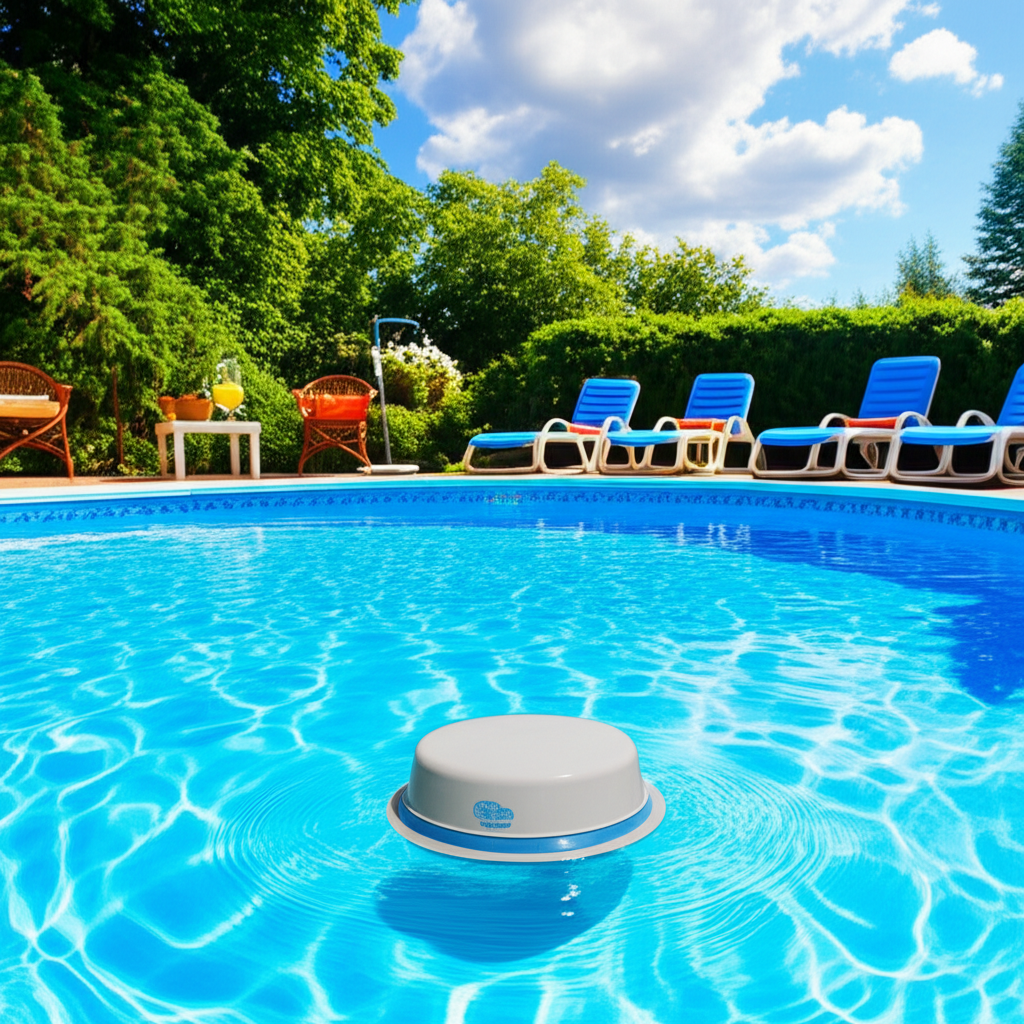
Floating Alarms: These devices float on the pool’s surface and sense wave action. They are compact, relatively easy to install, and can be moved.
Subsurface Alarms: Installed below the water line, these alarms use sensors to detect pressure changes or movement within the water. They are generally less prone to false alarms from wind or rain compared to some floating models.
Perimeter Alarms: While not strictly “water alarms,” some systems use infrared beams or other sensors to create an invisible perimeter around the pool. If this beam is broken, the alarm sounds.
Each type of water alarm has its advantages, but all share the common goal of providing an immediate alert should an individual or pet unintentionally enter the water.
Other Alarm Technologies
While gate and water alarms are the most common, other technologies exist including:
Wristband Alarms: These wearable devices are designed for children or pets. If the wristband gets wet, it sends a signal to a central alarm unit indoors.
Door Alarms: Similar to gate alarms, these are installed on doors directly accessing the pool area from the house, alerting you if a child slips out unseen.
Integrating Your Pool Safety Alarm with a Comprehensive Safety Plan
It’s crucial to remember that a pool safety alarm, regardless of its sophistication, is an aid* to safety, not a replacement for vigilance. A truly secure pool environment relies on a multi-layered approach. This includes:
1. Isolation Fencing: A self-closing, self-latching fence that completely surrounds the pool, isolating it from the house and yard.
2. Constant Adult Supervision: Nothing substitutes for direct, active supervision, especially when children are near or in the pool. Designate a “water watcher” who is solely responsible for supervision.
3. Swim Lessons: Enroll children in age-appropriate swim lessons as soon as they are ready.
4. CPR Training: Adults who supervise children around the pool should be trained in CPR and first aid.
5. Pool Rules: Establish and enforce clear pool rules for everyone.
Layering these strategies, with your alarm system providing an additional audible warning, creates the safest possible environment.
Installation and Maintenance: Ensuring Your Pool Safety Alarm Works
The effectiveness of any pool safety alarm hinges on proper installation and regular maintenance. For perimeter and subsurface alarms, professional installation is often recommended to ensure correct calibration and optimal performance. DIY gate and floating alarms are generally straightforward to install, but always follow the manufacturer’s instructions meticulously.
Once installed, testing your alarm system regularly is paramount. Batteries should be checked and replaced according to the manufacturer’s recommendations. Periodically, test the alarm’s sound to ensure it’s loud enough to be heard from inside your home and other areas of the property. Ignoring maintenance can lead to a false sense of security, so make these checks a routine part of your pool care.
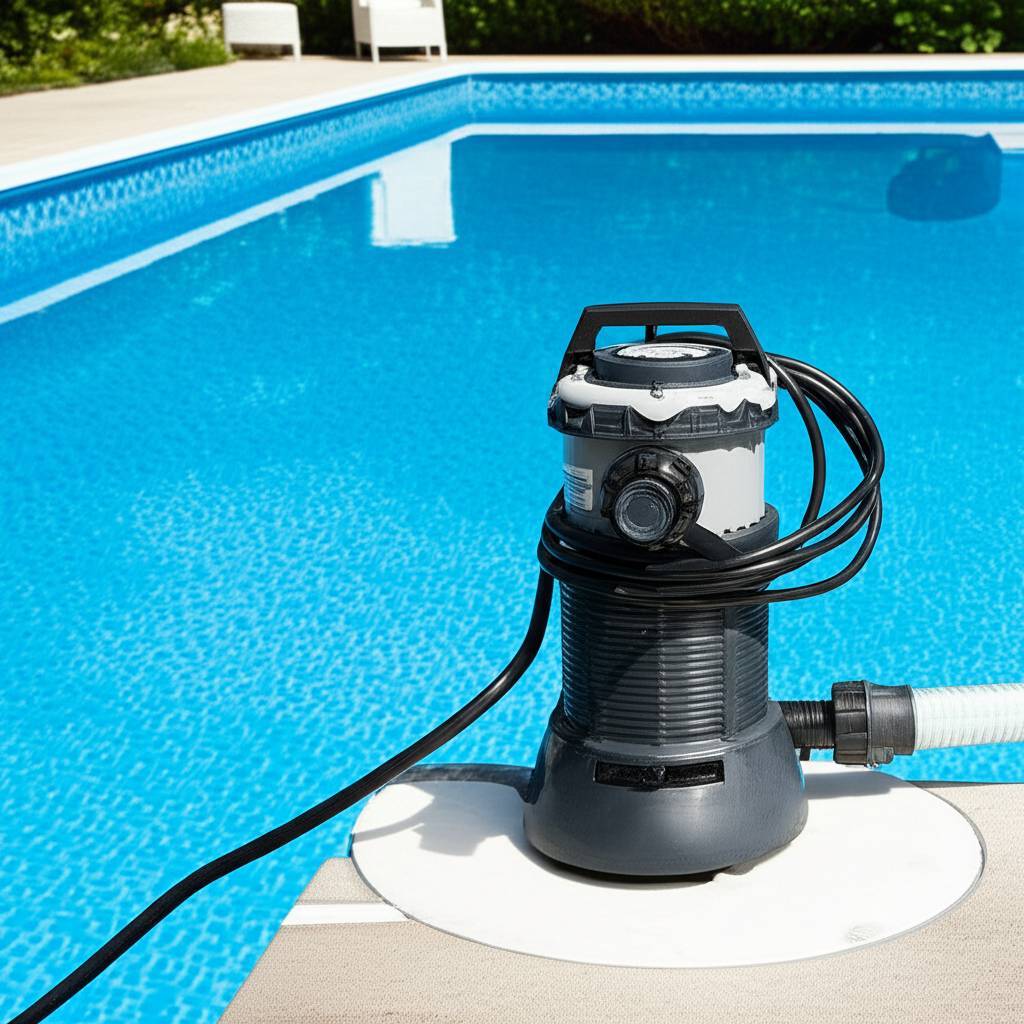
While your pool safety alarm provides critical monitoring, the overall safety and longevity of your pool also hinges on consistent, professional care. Services like thorough pool cleaning services can ensure your pool water is always sparkling and free from debris, reducing potential hazards and keeping your equipment running smoothly, further contributing to a safe swimming environment. A well-maintained pool is not only more enjoyable but also inherently safer, as clear water allows for better visibility, and well-functioning equipment prevents unforeseen issues.
The Ultimate Peace of Mind
Ultimately, a reliable pool safety alarm contributes significantly to the ultimate peace of mind for pool owners. Knowing that you have an active system constantly monitoring your pool area, ready to alert you at the first sign of trouble, allows you to relax and truly enjoy your investment. It’s about creating a safe haven where fun and relaxation can thrive without the constant burden of worry.
In conclusion, a pool safety alarm is not merely a gadget; it’s a critical investment in the well-being of your family and every individual who steps into your backyard. By understanding the types available, integrating them into a comprehensive safety plan, and committing to proper maintenance, you can ensure your pool remains a source of joy and refreshment, offering true peace of mind for years to come.