
Pool Accessories: Ultimate Fun & Games
June 25, 2026
Pool Filter Sizing: Master Effortless GPM Rating
June 29, 2026
- Why a Quality Vacuum Hose is Non-Negotiable
- Choosing the Right Pool Vacuum Hose
- Mastering Your Pool Vacuum Hose
- The Role of the Backwash Hose
- Extending the Life of Your Hoses
- When Professional Help is Best
Vacuum Hose: Your Essential Tool for a Pristine Pool
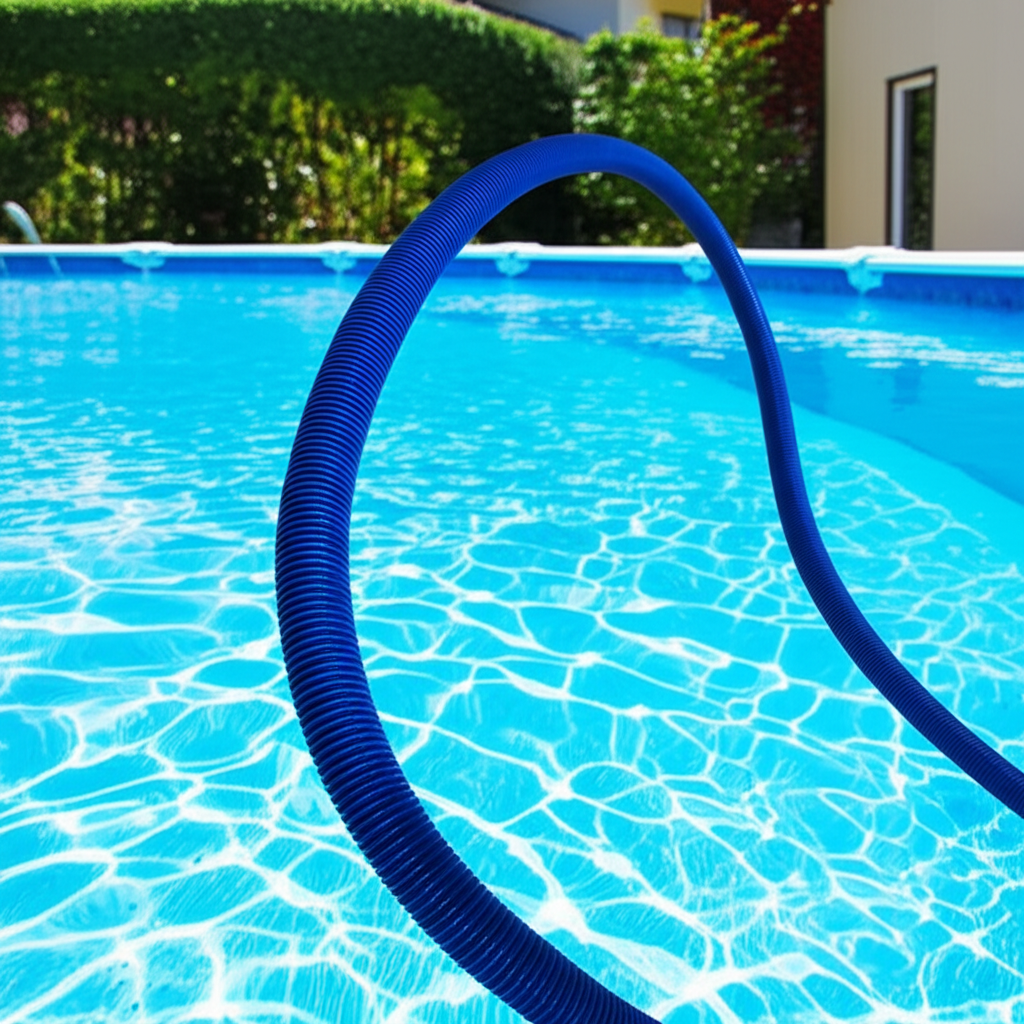
A vacuum hose is an indispensable piece of equipment for any pool owner seeking to maintain crystal-clear water and a debris-free swimming environment. While robotic cleaners offer convenience, the precision and thoroughness of a manual vacuum, powered by a reliable hose, remain unmatched for tackling stubborn dirt, fine silt, and areas larger cleaners might miss. Understanding how this humble accessory works, how to choose the right one, and how to use it effectively can significantly simplify your pool cleaning routine.
Why a Quality Vacuum Hose is Non-Negotiable
Even with the best filtration system and chemical balance, debris inevitably finds its way into your pool. Leaves, dirt, sand, and other particulates settle on the bottom, clouding the water and providing a breeding ground for algae. A manual vacuum, connected to your filtration system via a dedicated hose, directly sucks up these contaminants. This method offers several key advantages:
Precision Cleaning: You have direct control over where the vacuum head goes, allowing you to target specific dirty spots, corners, and steps that automatic cleaners might skip.
Deep Cleaning: Manual vacuuming can remove finer silt and dirt that might otherwise recirculate or clog your filter.
Extends Filter Life: By removing large quantities of debris directly, you reduce the workload on your filter, extending the life of your filter media and requiring less frequent backwashing.
Cost-Effective: While an initial investment, a good vacuum hose and head are far less expensive than many automated options and, with proper care, will last for years.
Choosing the Right Pool Vacuum Hose
Selecting the correct hose is crucial for efficient and struggle-free pool cleaning. Several factors come into play:
1. Length: The hose must be long enough to reach every part of your pool from the skimmer or vacuum port, plus an additional few feet for slack. Measure the diagonal distance from your skimmer to the furthest corner of your pool, and add about 3-5 feet. Having a hose that’s too short means constantly moving connections; too long means cumbersome handling.
2. Diameter: The most common diameters are 1.25 inches and 1.5 inches. Ensure your hose matches the diameter of your vacuum head and skimmer opening for a secure fit and optimal suction. A mismatch can lead to air leaks and reduced cleaning power.
3. Material and Durability: Look for hoses made from heavy-duty, UV-resistant EVA plastic. They should be flexible yet durable enough to resist kinking and crushing. Crush-proof designs are particularly valuable as they bounce back to their original shape if stepped on or bent sharply. Spiral-wound construction prevents kinks and maintains strong suction.
4. Connection Cuffs:
Swivel Cuffs: These rotate 360 degrees, preventing the hose from twisting and kinking during use, which makes maneuvering much easier. They are generally preferred for ease of use.
Fixed Cuffs: These are more economical but can lead to hose tangles.
Investing in a slightly more expensive, high-quality hose will save you frustration and replacement costs in the long run.
Mastering Your Pool Vacuum Hose
Using your pool vacuum hose effectively requires a simple process to ensure maximum suction and efficient cleaning:
1. Assembly: Attach your vacuum head to one end of the hose. If your model has a swivel cuff, ensure it’s at the vacuum head end for better maneuverability.
2. Priming the Hose: This is a critical step to remove air from the hose, as air in the line will break suction. Submerge the vacuum head into the water. Hold the other end (the skimmer connection end) over a return jet in your pool, allowing water to push all the air out. You’ll see bubbles stop escaping from the vacuum head when the hose is full of water. Alternatively, you can slowly feed the hose into the pool, allowing it to fill with water as it sinks.
3. Connecting to the Skimmer: Once primed, quickly and firmly insert the open end of the hose into your designated skimmer opening or a dedicated vacuum port in your pool. Ensure a tight seal. You should immediately hear a strong suction sound.
4. Vacuuming Technique: Vacuum slowly and deliberately, using overlapping passes, just like you would vacuum a carpet. Avoid quick, jerky movements, as these can stir up debris from the bottom, reducing visibility and efficiency. Work your way from the shallow end to the deep end.
5. Monitor Your Filter: Depending on how dirty your pool is, your filter pressure will likely rise during vacuuming as it collects debris.
After vacuuming, remember to check your filter pressure and perform a backwash or rinse if necessary to remove the collected debris.
The Role of the Backwash Hose
While the main vacuum hose is for cleaning the pool floor, another crucial hose in your arsenal is the backwash hose. This often-overlooked accessory is essential for maintaining your sand or D.E. filter.
When you backwash your filter (a process that reverses the water flow to flush out trapped debris), the dirty water needs to go somewhere. A backwash hose connects to your filter’s waste or backwash port and directs this grungy water away from your pool area, typically into a drain, an approved disposal area, or even onto your lawn (if the water chemistry is suitable).
Choosing a backwash hose involves similar considerations:
Length: Ensure it’s long enough to reach your designated disposal area.
Material: Durable, flexible vinyl is common. Look for lay-flat designs for easy storage.
Diameter: Must match your filter’s backwash port.
Proper use of a backwash hose prevents messy surroundings and ensures the efficient cleansing of your filter, which in turn helps your main vacuuming efforts be more effective.
Extending the Life of Your Hoses
To get the most out of your pool hoses and avoid frequent replacements:
Rinse After Use: Rinsing them with fresh water removes chemical residues and debris.
Store Properly: Coil them loosely in a cool, dry place, away from direct sunlight, which can degrade plastic. Hose reels are excellent for this.
Inspect Regularly: Check for kinks, cracks, tears, or leaks. A small leak can significantly reduce suction.
When Professional Help is Best
While excellent tools for regular maintenance, there are times when even the best vacuum hose can’t solve every problem. If you’re battling a severe algae bloom, have an unusually large amount of debris, or simply find the task of pool cleaning overwhelming and time-consuming, professional pool cleaning services can be a lifesaver. Expert technicians have industrial-grade equipment and advanced techniques to restore your pool to pristine condition quickly and efficiently, often diagnosing underlying issues you might miss. For reliable and thorough pool cleanup, consider reaching out to the experts at California Blue Pool.
In conclusion, the unassuming vacuum hose and its companion, the backwash hose, are fundamental to effective pool care. By understanding their purpose, making informed choices about their quality, and using them correctly, you empower yourself to keep your swimming pool sparkling clean, inviting, and ready for enjoyment all season long.