New Pool Pump: Effortless Upgrade, Best Performance
July 1, 2026
Pool Cover Types: Ultimate Winter Safety Guide
July 7, 2026
- Why a Smart Equipment Pad Design Matters
- Planning Your Pool Equipment Pad Layout
- Location, Location, Location
- Sizing It Right
- Foundation and Protection
- Pool Machinery: Essential Components and Their Placement
- The Art of Concealment and Integration
- Effortless Setup and Maintenance
- When to Call the Professionals
- Conclusion
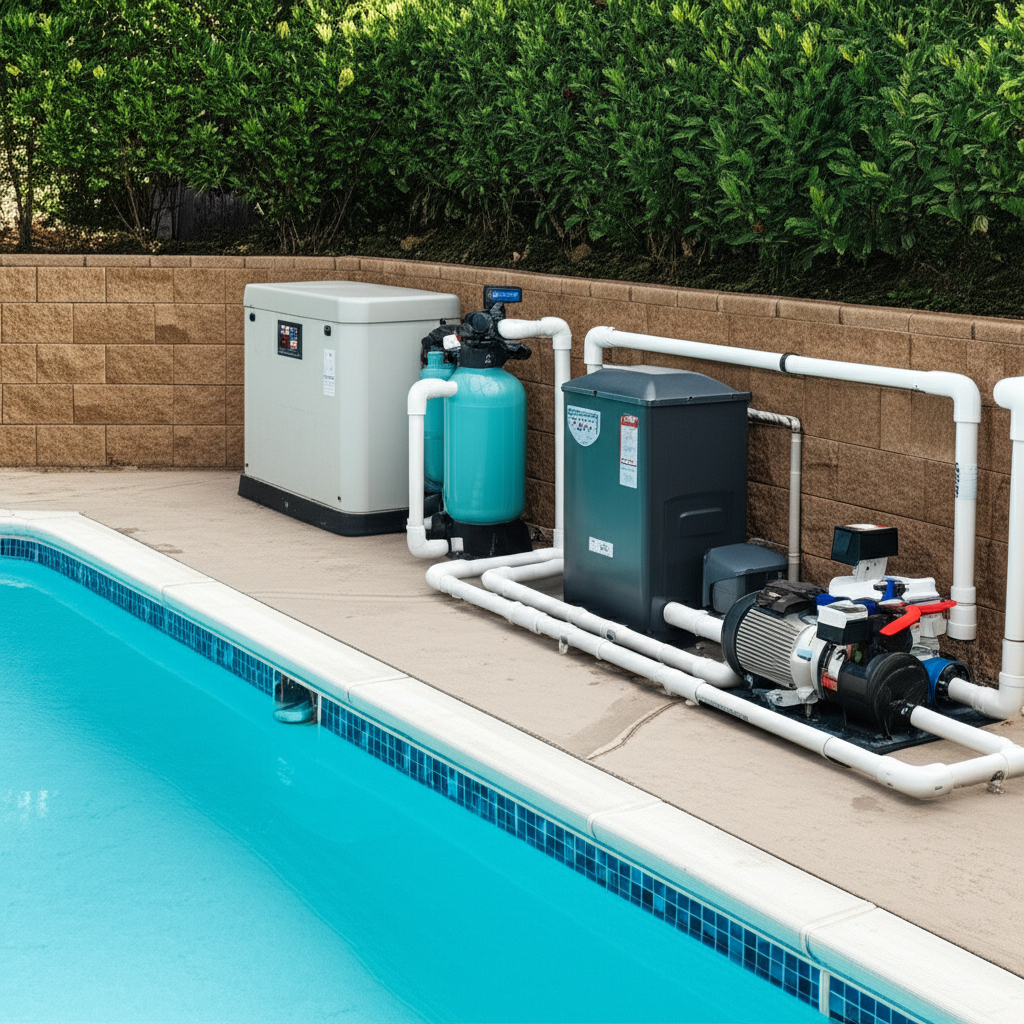
Equipment Pad Layout forms the bedrock of a beautiful, efficient, and easily maintained swimming pool. Far from being a mere afterthought, the design and setup of your pool equipment pad profoundly impact your entire pool ownership experience, transforming it from a potential headache into an effortless joy. A well-conceived equipment pad is the silent partner in your aquatic paradise, ensuring clarity, warmth, and a welcoming ambiance are always just a switch away.
Why a Smart Equipment Pad Design Matters
Imagine a symphony orchestra where every instrument is perfectly positioned for both sound and the ease of the musicians. Your pool’s equipment pad functions much the same way. A smart layout offers numerous advantages:
Aesthetics: Clutter is an eyesore. A thoughtful design integrates the necessary components discreetly, blending them into your landscaping or architecture rather than detracting from it.
Efficiency: Proper spacing and logical flow minimize plumbing runs and reduce pressure loss, leading to less energy consumption and lower utility bills.
Maintenance Ease: When pumps, filters, and heaters are easily accessible, routine checks, cleaning, and repairs become straightforward tasks instead of frustrating contortions. This can significantly reduce the time and effort required for pool cleaning services and general upkeep.
Longevity: Correct installation protects your investment from the elements and ensures each piece of equipment operates within its optimal parameters, extending its lifespan.
Safety: Proper ventilation, electrical wiring, and clearance around components are critical for safe operation and adherence to local building codes.
Planning Your Pool Equipment Pad Layout
The journey to an “effortless” equipment pad begins with meticulous planning. Here are key considerations:
Location, Location, Location
Proximity to Pool: Minimize plumbing runs to reduce friction loss and improve efficiency.
Noise Concerns: Place the pad away from bedrooms or quiet entertaining areas, especially if you have a noisy pump.
Utilities: Consider proximity to electrical panels and gas lines for heater connections.
Sunlight and Drainage: Position the pad to protect sensitive equipment from harsh direct sunlight. Ensure proper drainage away from the equipment to prevent rust and water damage.
Sizing It Right
Always err on the side of generosity. An undersized pad leads to cramped conditions, hindering maintenance and potentially causing equipment to overheat. A good rule of thumb is to allow at least 3 feet of clear space around the front and sides of major components for servicing. Also, factor in space for future additions like a salt system, automation panel, or a solar heating diverter.
Foundation and Protection
Most equipment pads benefit from a reinforced concrete slab, providing a stable, level surface. The pad should be slightly elevated to prevent water intrusion. Consider basic coverings or enclosures for protection from severe weather, but ensure adequate ventilation, especially for gas heaters.
Pool Machinery: Essential Components and Their Placement
The heart of your pool’s operation lies within its pool machinery. Each component has a specific role, and its placement impacts the overall system’s performance.
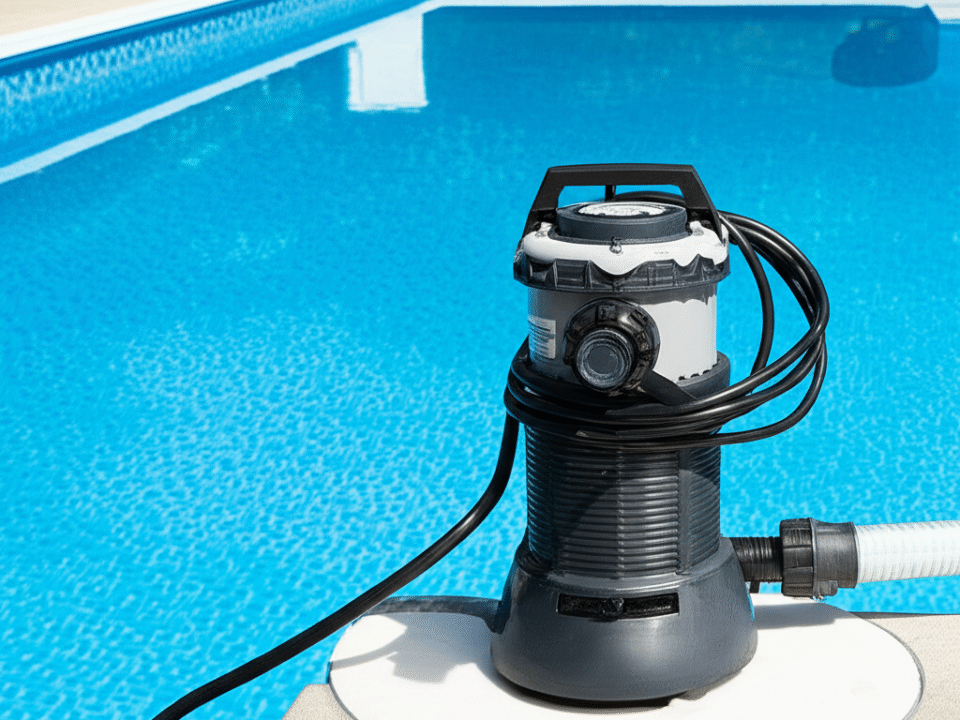
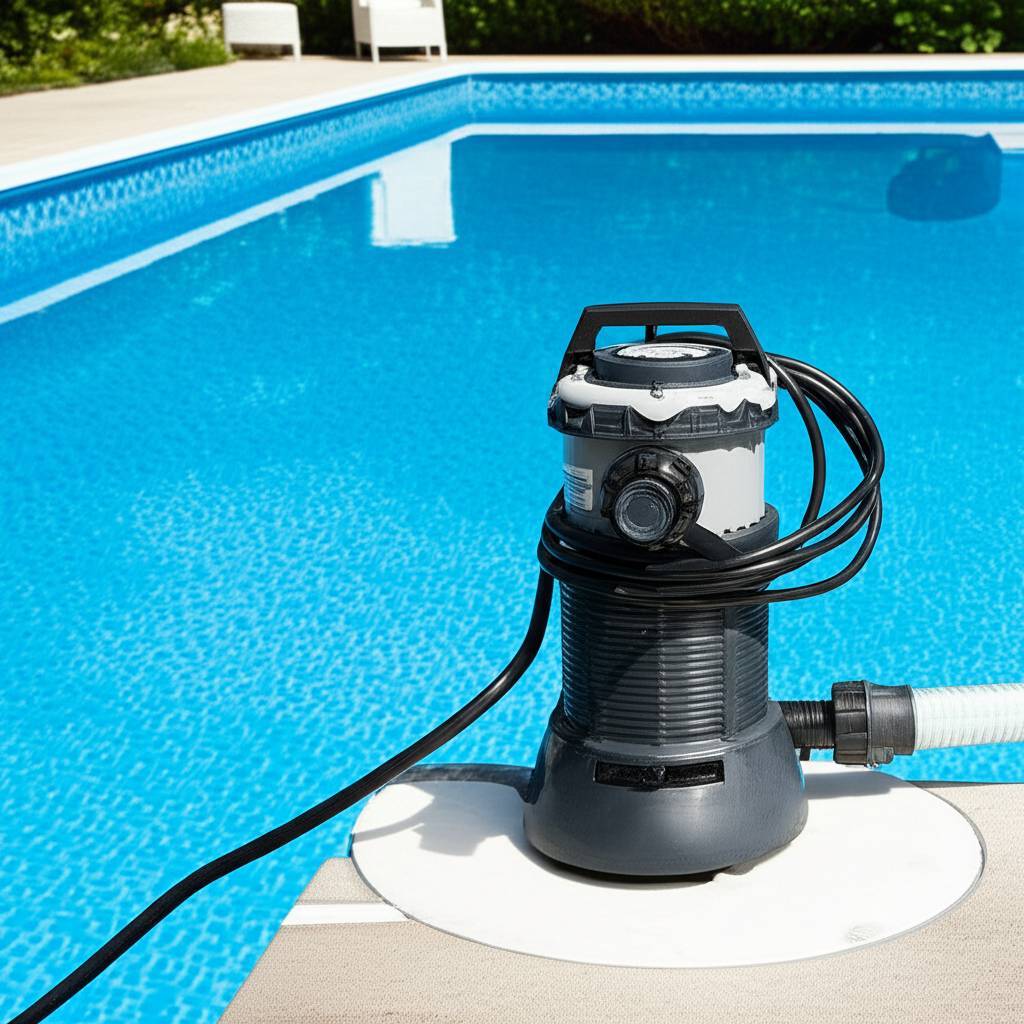
1. The Pump: The workhorse of your system, circulating water through the filter and other equipment. It’s typically placed first in the flow path, after the skimmer and main drain lines. For optimal priming, the pump should ideally be below water level (a “flooded suction” system) or at least as close to pool level as possible.
2. The Filter: Placed after the pump, this crucial piece of equipment cleans the water. Whether it’s a sand, cartridge, or DE filter, ensure sufficient clearance for backwashing, cartridge removal, or grid servicing.
3. The Heater (Gas, Electric, or Solar): Following the filter, the heater warms the water. Gas heaters require specific ventilation and gas line connections. Electric heat pumps need ample air circulation. Solar heaters typically use a diversion valve on the pad, with collector panels located elsewhere.
4. Sanitation System: This could be a traditional chemical feeder (chlorinator/brominator) or a modern salt chlorine generator. These are usually placed after the heater to prevent corrosion of the heater’s internal components.
5. Automation System: If you have one, the control panel is installed in an easily accessible, dry location on the pad or a nearby wall, connecting all the various components for seamless operation.
The general flow of water from the pool should be: Skimmers/Main Drain → Pump → Filter → Heater → Sanitation → Back to Pool Returns. Maintaining this logical sequence optimizes performance and simplifies troubleshooting.
The Art of Concealment and Integration
Making your equipment pad “stunning” involves more than just organization; it’s about intelligent concealment and aesthetic integration:
Strategic Landscaping: Use durable, non-invasive plants and shrubs to create a visual screen around the pad. Remember to leave adequate access for maintenance and prevent foliage from growing too close to equipment, especially heaters or electrical components.
Decorative Fencing/Walls: A low, slatted fence or a decorative wall can provide an attractive barrier, improving security while allowing necessary airflow.
Custom Enclosures: For a more integrated look, consider custom-built, ventilated enclosures that match your home’s exterior. These can also offer noise reduction.
Sound Dampening: For particularly noisy pumps, sound-dampening mats or insulated enclosures can make a significant difference.
Effortless Setup and Maintenance
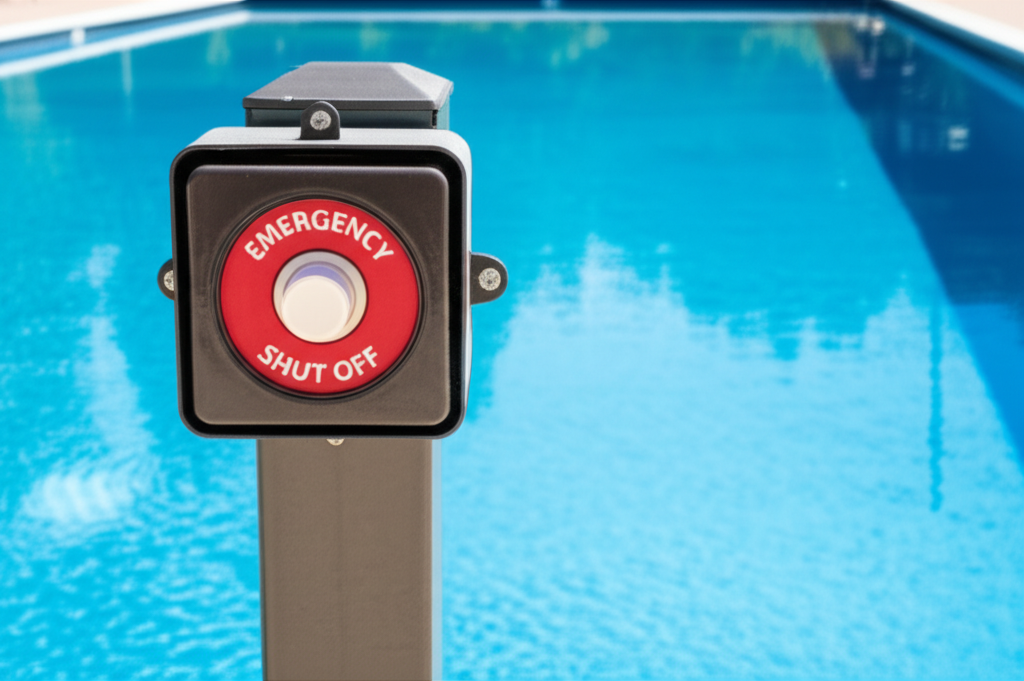
An effortless setup starts with clear planning and, often, professional installation. Organized wiring and plumbing, clearly labeled valves, and easily accessible shut-offs contribute significantly. Once installed, a well-designed pad truly shines in its ease of maintenance. Filter cleaning, chemical balancing, and routine checks become quick tasks, saving you time and frustration. For truly pristine waters and hassle-free operation, consider professional pool cleaning services, which can keep your equipment running smoothly and your water sparkling.
When to Call the Professionals
While a DIY approach might seem appealing, designing and installing a pool equipment pad involves complex plumbing, electrical work, and safety considerations. Professional pool technicians ensure:
Code Compliance: All installations meet local building and safety codes.
Optimal Performance: Systems are correctly sized and configured for maximum efficiency.
Safety: Electrical connections are secure, and potential hazards are mitigated.
Expert Advice: They can guide you on the best equipment for your specific needs and budget.
Ensuring your pool equipment operates perfectly is key to effective pool cleaning and general upkeep. Regular maintenance of your pool machinery, including checking for leaks or inefficiencies, is critical. If you ever need assistance with your pool’s upkeep or require specialized pool cleaning services*, don’t hesitate to reach out to experts like those at California Blue Pool.
Conclusion
A meticulously planned and expertly installed pool equipment pad is an investment that pays dividends in convenience, efficiency, and aesthetic appeal. By focusing on smart equipment pad layout and understanding your pool machinery requirements, you pave the way for a stunning swimming environment that brings effortless enjoyment for years to come.