Vacuum Hose: Must-Have for Easy Pool Cleaning
June 27, 2026
New Pool Pump: Effortless Upgrade, Best Performance
July 1, 2026
- Understanding the Fundamentals of Proper Pool Filter Sizing
- Calculating Your Pool's Required GPM
- The Interplay of Your Pool Filter's GPM Rating and Pump
- Understanding Different Filter Types and Their GPM Implications
- Beyond GPM: Other Factors in Optimal Pool Filter Sizing
- The Benefits of Mastering Pool Filter Sizing and Your GPM Rating
Pool Filter Sizing: Mastering Effortless GPM Rating
Pool Filter Sizing is arguably one of the most critical aspects of maintaining a sparkling clean, healthy, and efficient swimming pool. While often overshadowed by discussions about pumps or heaters, the filter is the unsung hero, constantly working to remove impurities from your water. Getting its size right isn’t just about clear water; it’s about optimizing your entire pool system, saving energy, and extending the life of your equipment. At the heart of proper filter sizing lies understanding your pool’s GPM Rating – a metric that, once mastered, will unlock a new level of effortless pool maintenance.
Understanding the Fundamentals of Proper Pool Filter Sizing
Your pool filter’s job is to continually clean the entire volume of water in your pool within a set period. This continuous circulation and filtration process is what keeps your backyard oasis inviting. If your filter is too small, it will struggle to keep up, leading to cloudy water, necessitating more chemical use, and putting undue strain on your pool pump. Conversely, an oversized filter, while capable, might be an unnecessary expense and isn’t necessarily more efficient beyond a certain point.
The key to unlocking optimal performance lies in the GPM Rating, which stands for Gallons Per Minute. This rating indicates the maximum volume of water your filter can effectively process per minute without compromising filtration quality or creating excessive pressure on the system. It’s a critical figure that directly impacts how quickly and efficiently your entire pool’s volume can be turned over.
Calculating Your Pool’s Required GPM
Before you can choose a filter, you need to know how much water your pool holds and how quickly you want to filter it. This involves a simple calculation:
1. Determine Your Pool Volume (in Gallons):
Rectangular Pools: Length x Width x Average Depth x 7.5 (for gallons)
Round Pools: Pi (3.14) x Radius² x Average Depth x 7.5
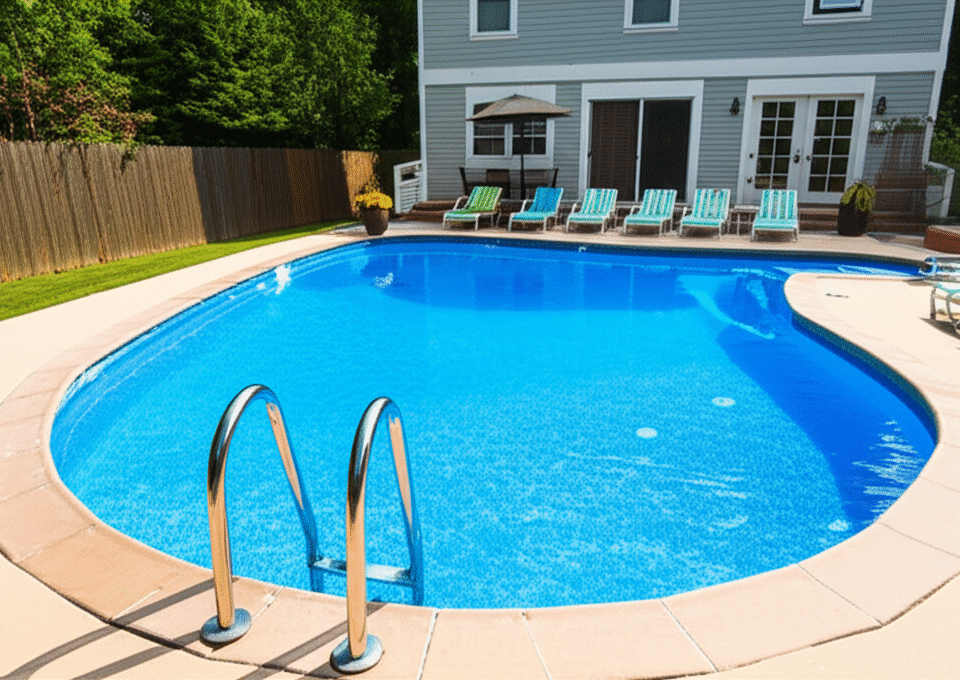
Oval Pools: Length x Width x Average Depth x 5.9
2. Establish Desired Turnover Rate:
The turnover rate is the time it takes for your filter system to process your entire pool’s volume of water. For residential pools, a standard recommendation is to turn over the water once every 8 to 12 hours. For pools with heavy use, slightly shorter turnover times might be beneficial. Let’s use 8 hours for our calculation in this example.
3. Calculate Minimum Required GPM:
Formula: Pool Volume / Turnover Rate (in minutes) = Minimum GPM
Example: A 20,000-gallon pool with an 8-hour turnover rate.
8 hours x 60 minutes/hour = 480 minutes
20,000 gallons / 480 minutes = 41.67 GPM
This calculation tells you the minimum flow rate required to achieve your desired turnover. Your filter and pump should be able to comfortably meet or exceed this GPM.
The Interplay of Your Pool Filter’s GPM Rating and Pump
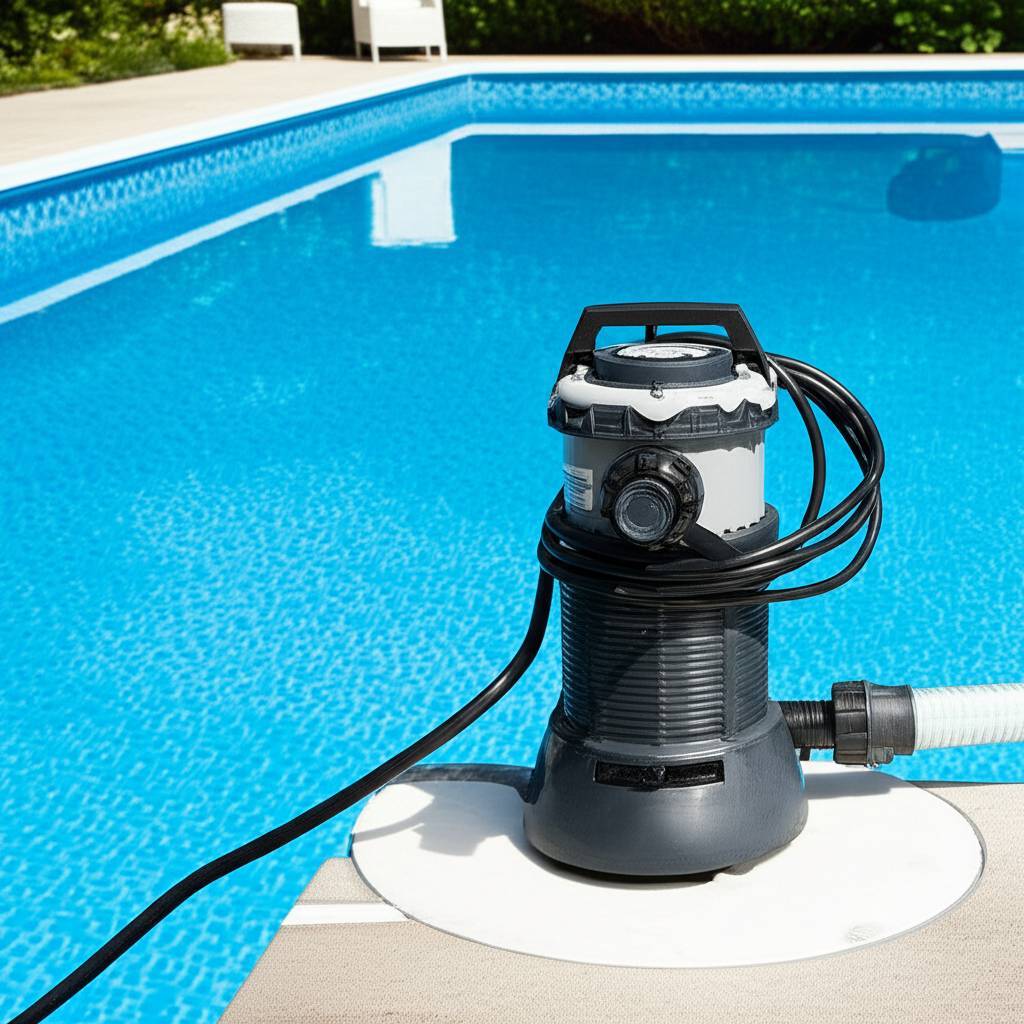
It’s crucial to understand that your filter and pump work as a pair. A high-capacity filter won’t perform optimally if paired with an underpowered pump, and vice-versa. The most common mistake pool owners make is pairing a high-flow pump with a low-GPM filter. This creates excessive pressure, reduces filtration, and can damage your equipment over time.
Your pool pump also has a GPM rating, often expressed as a flow curve (GPM at various head pressures). The goal is to ensure your pump’s operating GPM, considering the resistance in your plumbing (head pressure), does not exceed your chosen filter’s maximum GPM rating. Ideally, your filter’s maximum GPM capacity should be slightly higher than your pump’s actual operating GPM to ensure efficient filtration and prevent excessive back pressure.
For those who prefer to leave the intricacies to experts, a professional pool cleaning service can provide invaluable peace of mind, ensuring all your equipment is perfectly matched and functioning optimally.
Understanding Different Filter Types and Their GPM Implications
Different types of pool filters handle different flow rates and filtration quality:
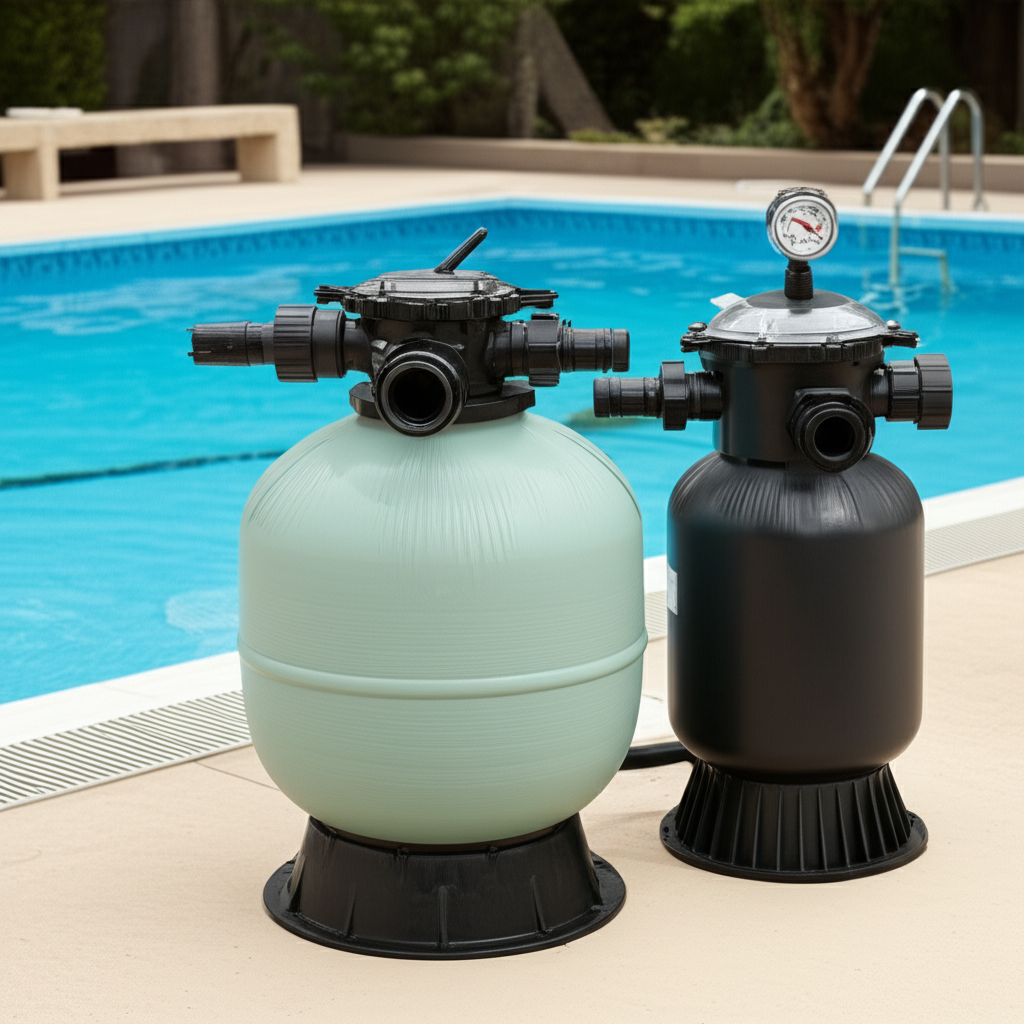
Sand Filters: These are popular for their simplicity and affordability. They filter down to about 20-40 microns. Sand filters typically have a lower GPM capacity per square foot of filter area compared to cartridge or DE filters. They rely on backwashing to clean the sand, which can use a significant amount of water.
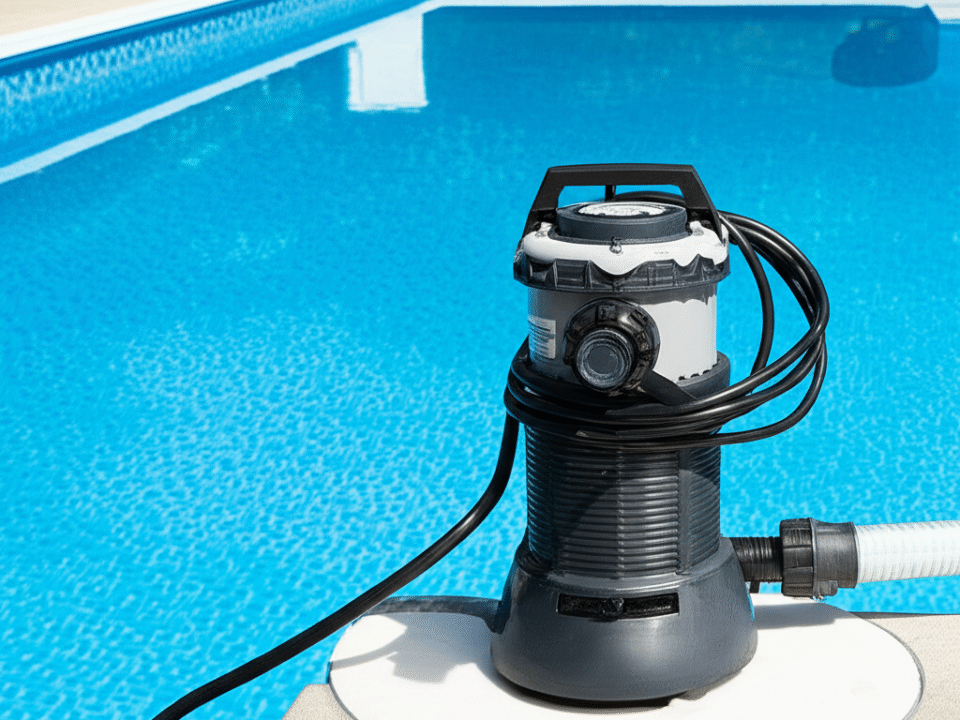
Cartridge Filters: Known for their ease of maintenance (no backwashing, just rinse cartridges), cartridge filters can provide improved filtration (10-25 microns) compared to sand. They generally offer a higher effective GPM for their physical size and less resistance to flow.
Diatomaceous Earth (DE) Filters: Offering the finest filtration (down to 2-5 microns), DE filters deliver the clearest water. They typically have the highest GPM capacity for their size and require backwashing, followed by recharging with new DE powder.
When selecting a filter, always check the manufacturer’s specified maximum GPM rating for that particular model and type.
Beyond GPM: Other Factors in Optimal Pool Filter Sizing
While GPM is paramount, a few other considerations contribute to optimal filter sizing:
Filter Area (Square Footage): This is especially relevant for sand and DE filters. A larger filter area means less resistance to flow and better dirt-holding capacity, reducing the frequency of backwashing or cleaning.
Plumbing Size: Ensure your existing plumbing (pipe diameter) can handle the flow rate generated by your pump and filter without excessive friction loss. Undersized plumbing can significantly reduce actual GPM.
Future-Proofing: If you plan on adding energy-efficient variable-speed pumps or additional water features, consider a filter with a slightly higher GPM capacity to accommodate potential future flow changes.
The Benefits of Mastering Pool Filter Sizing and Your GPM Rating
Getting your pool filter sizing right and understanding its GPM rating yields a cascade of benefits:
Crystal Clear Water: The most obvious benefit. Correct sizing ensures all your pool water is effectively filtered, removing even the smallest particles.
Reduced Chemical Use: A cleaner pool means less need for chemicals to sanitize or clarify the water.
Lower Energy Bills: An efficiently matched pump and filter system operates with less strain, consuming less horsepower and electricity.
Longer Equipment Life: Preventing undue pressure on your pump, filter, and other components significantly extends their lifespan, saving you costly repairs or replacements.
* Less Maintenance: With a system running at peak efficiency, your routine maintenance tasks become simpler and less frequent.
Ensuring proper pool upkeep goes beyond just filtering; it encompasses regular cleaning, chemical balancing, and equipment checks. If you’re ever unsure about your equipment or require professional assistance with any aspect of pool maintenance, including expert pool cleaning services, do not hesitate to reach out.
Mastering pool filter sizing and understanding the GPM rating is not just about technical specifications; it’s about creating a more enjoyable, less strenuous, and more cost-effective pool ownership experience. By taking the time to calculate your needs and match your equipment correctly, you’ll be well on your way to enjoying a perfectly filtered pool all season long.