Swimming Lessons: Ultimate Safety for Happy Kids
July 23, 2026
Vinyl Liner Patch: Quick, Effortless Pool Leak Fix
July 26, 2026
- Pool Leak Detection: Quick & Easy Fixes for a Healthy Pool
- Why Your Pool Might Be Leaking
- Finding a Pool Leak: Your DIY Detective Kit
- 1. The Visual Inspection: Look High and Low
- 2. The Dye Test: Pinpointing The Invisible
- 3. The Bucket Test: Distinguishing Evaporation from a Leak
- Quick & Easy Fixes for Common Leaks
- When Professional Pool Leak Detection and Maintenance is Necessary
- Conclusion
Pool Leak Detection: Quick & Easy Fixes for a Healthy Pool
Pool leak detection is an essential skill for any pool owner concerned about water loss, rising utility bills, and potential structural damage. A healthy swimming pool should not consistently lose more than an inch or two of water per week due to evaporation, splash-out, and backwashing. If you find yourself frequently topping up your pool, it’s a clear sign that a leak might be developing or already present. Identifying and addressing these issues promptly can save you significant money on water, chemicals, and costly repairs down the line. This guide will walk you through common causes of leaks, DIY detection methods, and simple fixes you can implement yourself.
Why Your Pool Might Be Leaking
Before diving into detection, understanding the potential sources of a leak can narrow your search. Pool leaks can occur for various reasons, ranging from minor wear and tear to more significant structural issues:
Age and Wear: Over time, pipes, fittings, and the pool’s surface (plaster, vinyl, fiberglass) can degrade, crack, or become brittle.
Ground Movement: Shifting soil, earthquakes, or even nearby heavy construction can put stress on the pool structure, leading to cracks.
Tree Roots: Aggressive tree roots can grow into underground pipes or even compromise the pool shell.
Improper Installation: Faulty plumbing connections or a poorly applied liner can lead to leaks.
Failed Equipment: Worn gaskets, seals, or cracks in the pump, filter, or heater housing.
Recognizing the signs of a leak is the first step. Besides noticeable water loss, look for unstable chemical levels (chemicals disappearing too quickly), soggy spots or lush vegetation around the pool deck, cracks in the pool shell or liner, or visible drips around the equipment pad.
Finding a Pool Leak: Your DIY Detective Kit
Becoming a pool leak detective involves a systematic approach. Start with the easiest and most visible checks, progressing to more intricate tests.
1. The Visual Inspection: Look High and Low
Grab your goggles and some keen eyesight. Walk around and inside your pool, scrutinizing every inch:
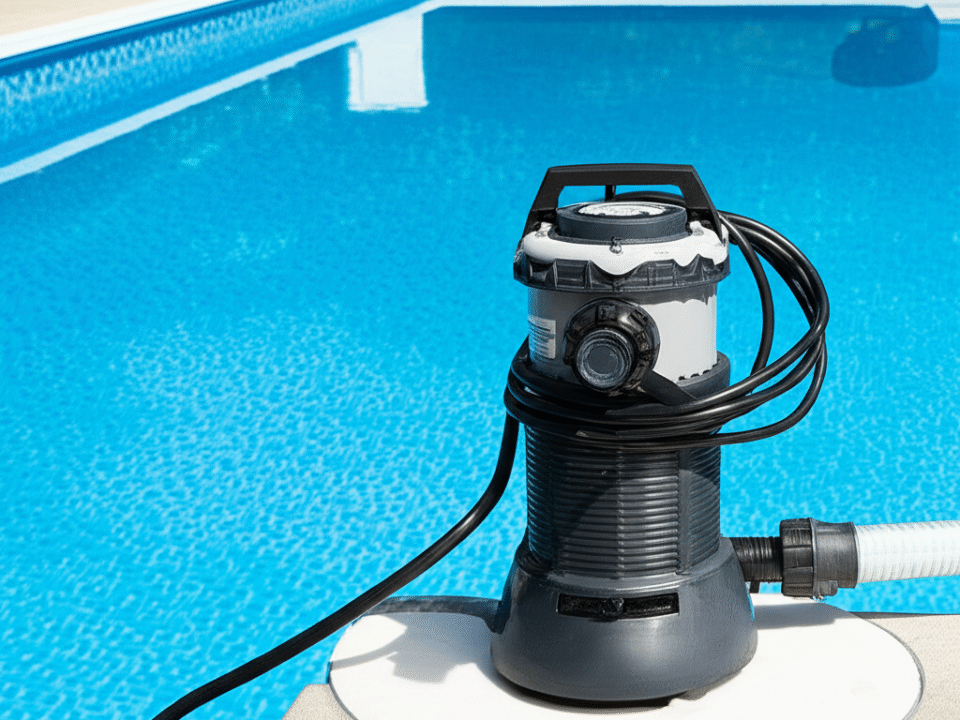
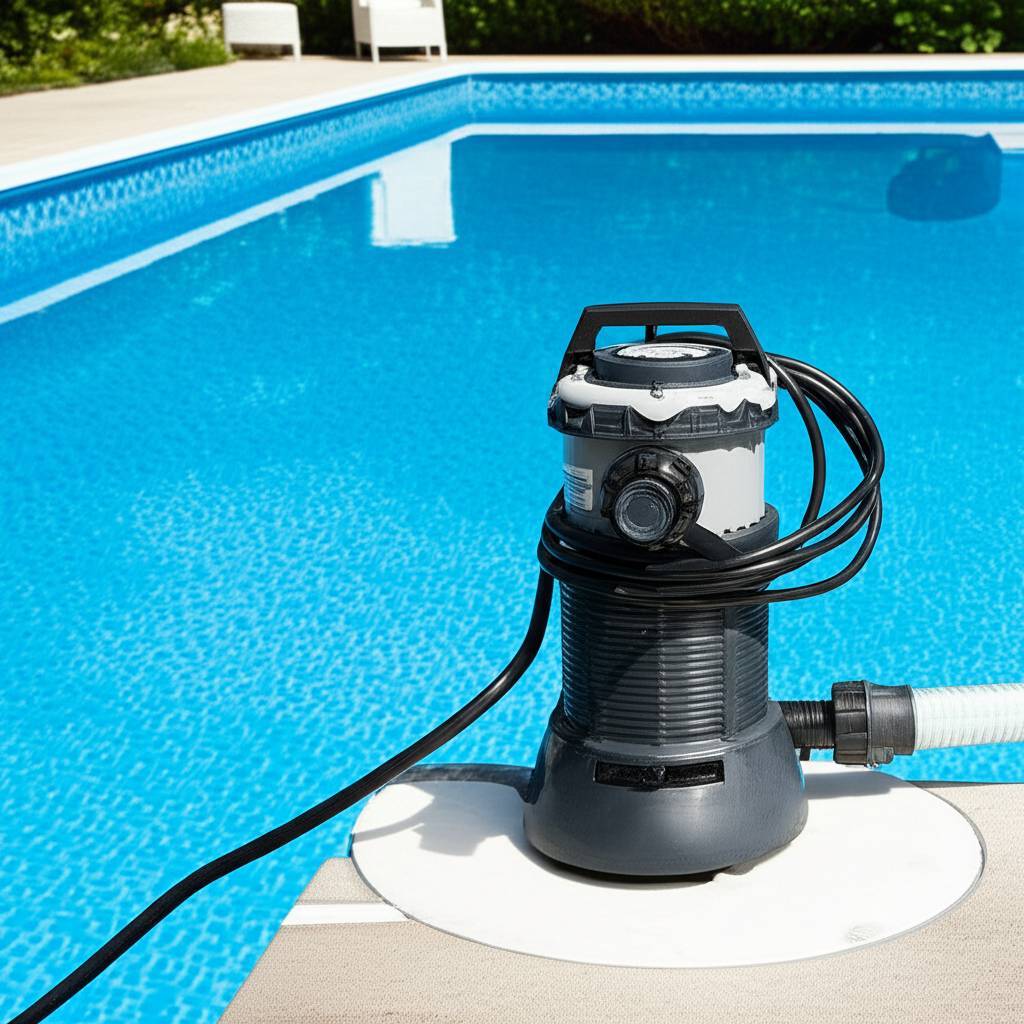
Around the Equipment Pad: Check your pump, filter, heater, and all associated plumbing for visible drips or puddles. Pay close attention to unions, valves, and threaded connections where leaks commonly occur.
Skimmers, Returns, and Lights: These are common culprits. Look for cracks in the skimmer housing, loose fittings around return jets, and any gaps around the pool light niche. Inspect the gaskets on the skimmer weir and return eyeballs.
Pool Walls and Floor: For plaster pools, look for hairline cracks, especially near fittings or expansion joints. For vinyl liner pools, search for small tears or punctures in the liner itself.
Around the Deck: Look for unusually wet areas, sinking patio stones, or overly green patches of grass near the pool’s edge. This could indicate an underground pipe leak.
2. The Dye Test: Pinpointing The Invisible
Once you’ve visually identified a suspect crack or a potential leak site (like around a return jet or light fixture), a dye test can confirm it.
How to Perform a Dye Test:
1. Turn off your pool pump to stop water movement.
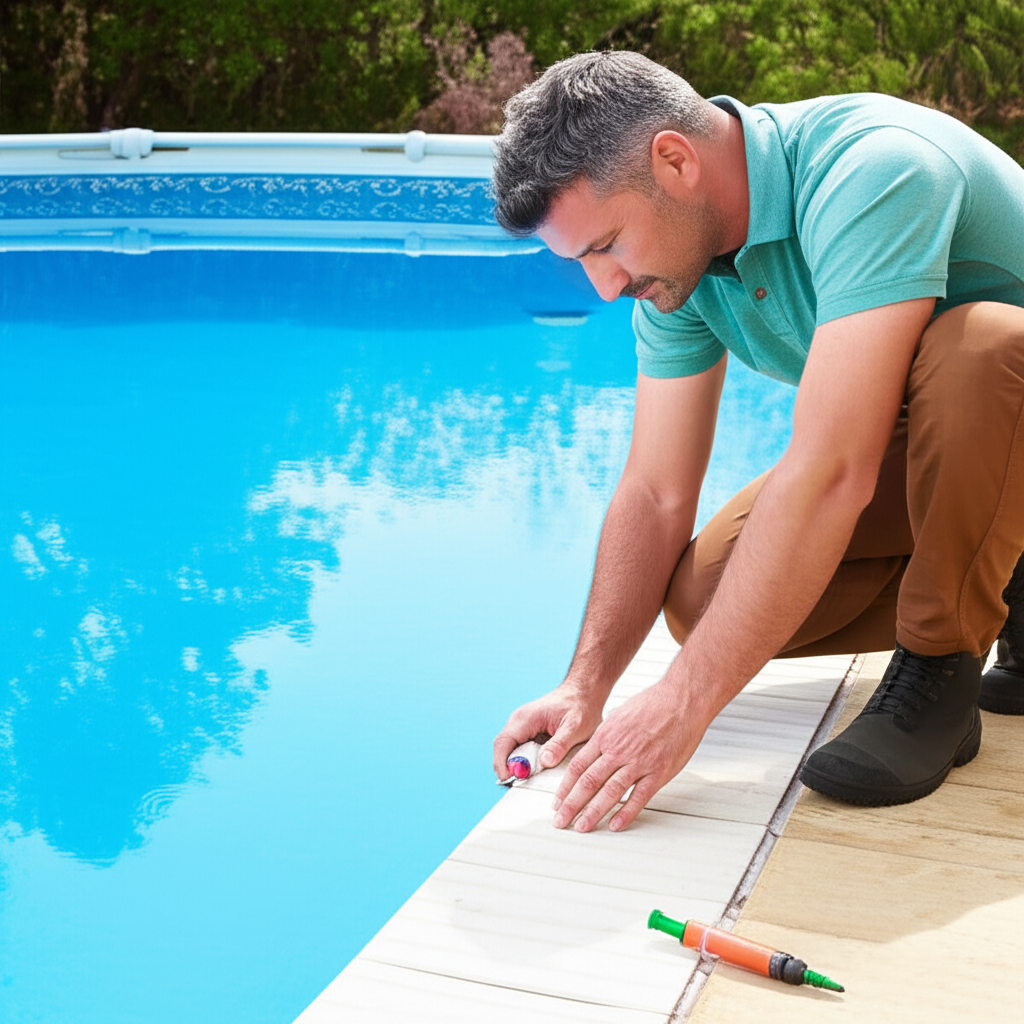
2. Fill a syringe (available at drugstores, often used for infant medicine) with a dark, water-soluble dye (a small bottle of food coloring works well).
3. Carefully approach the suspected area underwater.
4. Gently squirt a small amount of dye near the crack or fitting, without disturbing the water too much.
5. Observe: If there’s a leak, the dye will be drawn into the crack or opening.
This test is excellent for small, surface-level leaks that are visible but not actively gushing water.
3. The Bucket Test: Distinguishing Evaporation from a Leak
The “Bucket Test” is the definitive way to determine if your pool is actually leaking or if you’re just experiencing normal water evaporation.
How to Perform the Bucket Test:
1. Fill the Pool: Bring your pool water level to its normal operating height.
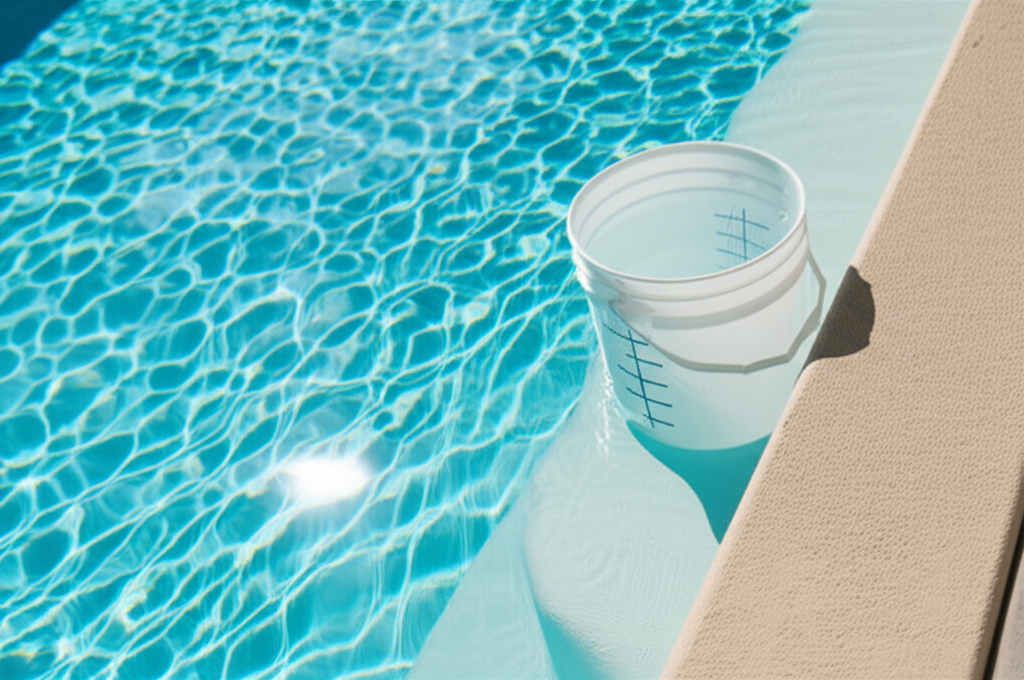
2. Prepare the Bucket: Fill a 5-gallon bucket with pool water to about 2-3 inches from the top.
3. Place the Bucket: Set the bucket on the first or second step of your pool, ensuring it’s submerged enough so the water inside the bucket is at a similar temperature to the pool water.
4. Mark the Levels: Use a permanent marker to draw a line on the inside of the bucket, marking the water level. Then, mark the outside of the bucket at the pool’s water level.
5. Turn Off Equipment: For accurate results, turn off the pool pump, autofill device, and any water features for the duration of the test. This eliminates variables.
6. Wait and Observe: Allow 24 to 48 hours for the test.
7. Compare Levels:
If the water level outside the bucket (pool level) has dropped more than the water level inside the bucket, you likely have a leak.
If both levels have dropped roughly the same amount, your water loss is primarily due to evaporation.
Perform this test again with the pump running if the initial no-pump test suggests a leak. A greater difference with the pump running could indicate a pressure-side leak in your plumbing returning water to the pool.
Quick & Easy Fixes for Common Leaks
Once you’ve identified the source of a minor leak, implementing a quick fix can often prevent further damage and water loss.
Small Cracks in Plaster: For hairline cracks that are not structural, underwater pool putty or epoxy can provide a temporary or even long-term seal. Clean the area thoroughly before application.
Vinyl Liner Tears: Small rips or punctures in a vinyl liner can usually be repaired with a vinyl patch kit, available at pool supply stores. These often include an adhesive that can be applied underwater.
Loose Fittings or Gaskets: Tighten any loose connections around return jets, skimmers, or the main drain. If a gasket or O-ring appears worn or cracked, replacing it can often stop a leak immediately.
* Leaks Around Skimmers: The plastic of the skimmer itself can crack, or the seal between the skimmer and the pool structure can fail. Specialized skimmer patch kits or epoxy can be used for repairs. Ensure the area is clean and dry (if possible) for the best adhesion.
When Professional Pool Leak Detection and Maintenance is Necessary
While many minor leaks can be handled with DIY solutions, complex issues, particularly those involving underground plumbing, significant structural damage, or leaks that persist despite your best efforts, often require professional expertise. Pool professionals have specialized equipment like sonic leak detectors, pressure testing tools, and thermal imaging cameras that can accurately pinpoint hidden leaks without extensive excavation.
Regular pool cleaning services and maintenance can also play a crucial role in early leak detection. During routine visits, experienced technicians can identify early signs of potential issues, such as small cracks, worn equipment, or unusual water loss, preventing them from escalating into major problems. If you’ve exhausted your DIY options or suspect a serious problem, don’t hesitate to seek expert help. For comprehensive pool cleaning services and expert leak detection or repair advice, visit California Blue Pool.
Conclusion
Taking a proactive approach to pool leak detection is key to maintaining a healthy and enjoyable swimming environment. By understanding the common causes of leaks, applying systematic detection methods like the visual inspection, dye test, and especially the invaluable bucket test, you can often pinpoint and resolve minor issues yourself. Remember that knowing when to call in the professionals for more complex or elusive leaks is just as important. With a little vigilance and the right information, you can keep your pool in top condition, enjoying crystal-clear water without worrying about hidden costs or damage.