Weak Jets: Quick Fix for Frustrating Pool Problems
July 31, 2026
Liner Floating? Expert Fixes & Avoid Dreaded Ground Water
August 4, 2026
- The Natural Process of Evaporation
- Signs That Might Point to a Leak
- Distinguishing: Evaporation vs Leak with the Bucket Test
- Pinpointing and Addressing the Leak
- Preventing Excessive Water Loss
- When to Call the Professionals for Pool Water Loss
Evaporation vs Leak: Stop Pool Water Loss Now!
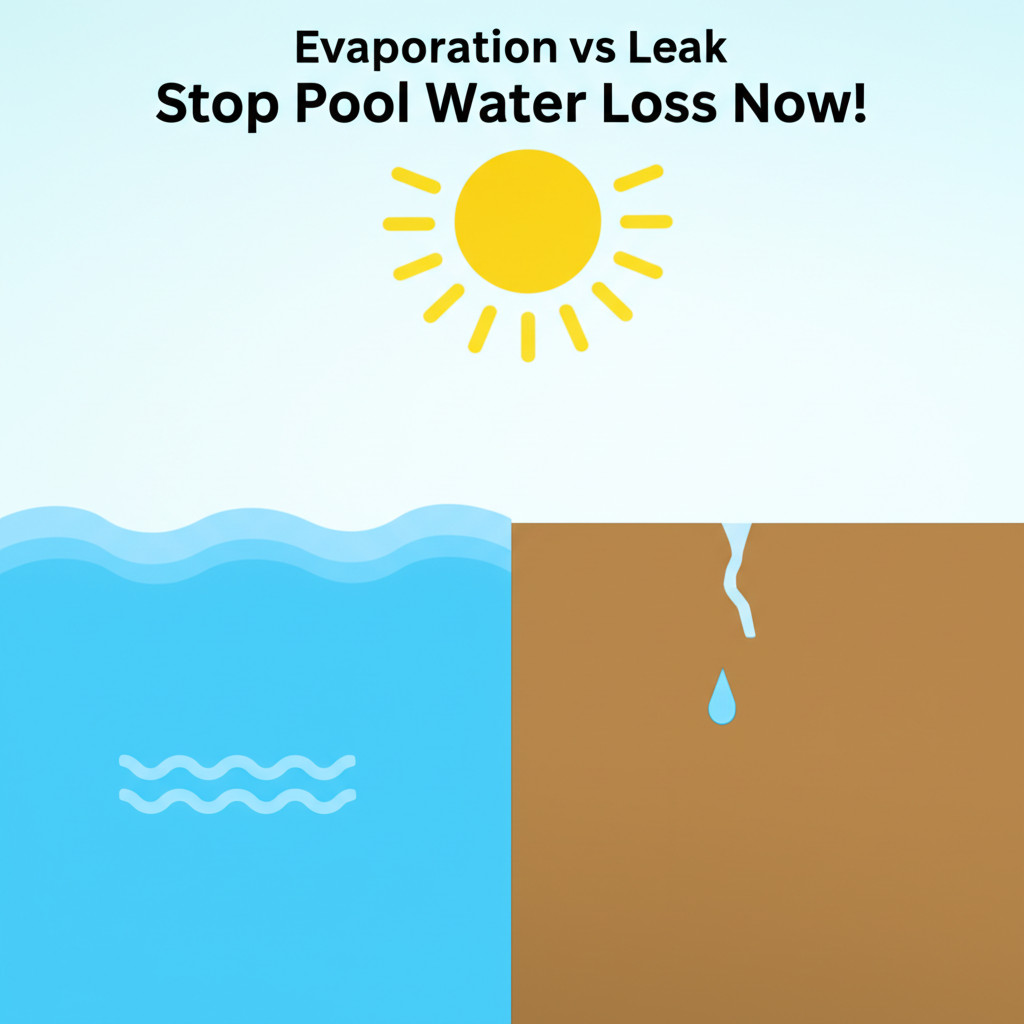
Evaporation vs Leak – this is the fundamental question every pool owner faces when they notice their water level dropping. Discovering that your swimming pool is losing water can be a source of immediate concern. Is it a natural process, or is there a more serious underlying problem? Distinguishing between normal evaporation and an insidious leak is crucial, not only for conserving water and chemicals but also for preventing potential damage to your pool’s structure or surrounding property. Understanding the difference and knowing how to identify the cause will empower you to take prompt and effective action, saving you time, money, and hassle in the long run.
The Natural Process of Evaporation
Let’s begin by understanding evaporation, a perfectly normal and unavoidable phenomenon. Your pool loses water to the atmosphere daily through evaporation, even when not in use. This process is influenced by several environmental factors:
Temperature: Warmer water evaporates faster than cooler water. Ambient air temperature also plays a role; a significant difference between water and air temperature can accelerate evaporation.
Humidity: The drier the air (lower humidity), the more water it can absorb, leading to higher evaporation rates.
Wind: A breezy day can significantly increase evaporation, as wind currents sweep away moist air from the surface, allowing more water molecules to escape.
Surface Area: The larger the surface area of your pool, the greater the potential for water to evaporate.
Activity: Splashing, waterfalls, and water features all increase the surface area and agitation of the water, contributing to higher rates of evaporation.
On average, a pool can lose between 1/8 to 1/4 inch of water per day due to evaporation. During hot, dry, and windy conditions, this can increase significantly, sometimes up to an inch or more. Recognizing these factors helps set a baseline for what’s “normal” water loss.
Signs That Might Point to a Leak
While some water loss is normal, consistently needing to add a significant amount of water to your pool, more than what seems reasonable, is often the first red flag for a leak. Beyond constant refilling, keep an eye out for these tell-tale signs:
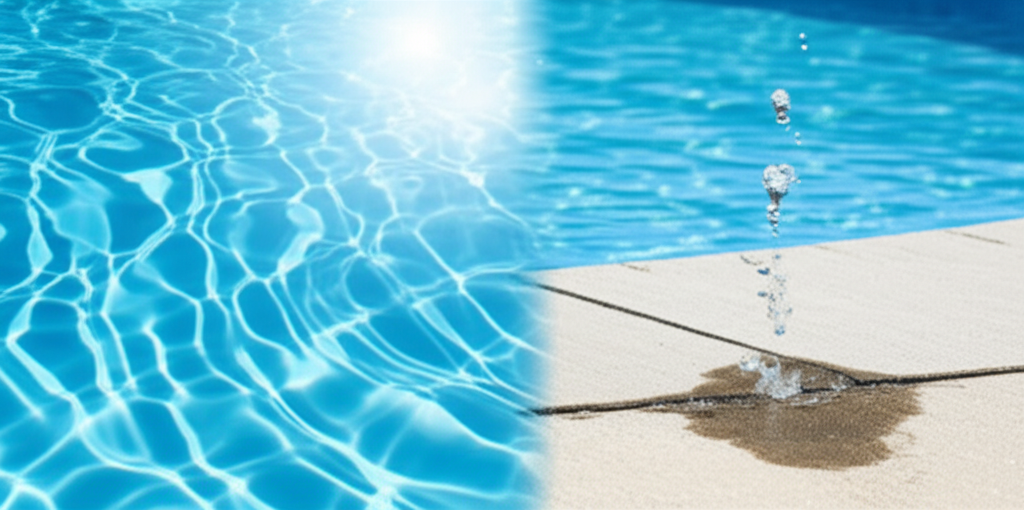
Unexplained Water on the Ground: Puddles or damp spots around the pool deck, equipment pad, or plumbing lines are strong indicators of a leak.
Visible Cracks or Gaps: Inspect the pool’s interior. Look for cracks in the plaster, liner tears, loose tiles, or gaps in the caulking around fittings (skimmer, returns, lights).
Unusual Algae Growth: Frequent or persistent algae blooms can sometimes be linked to the constant introduction of fresh, untreated water to compensate for a leak, disrupting chemical balance.
Settling or Shifting Deck/Landscaping: If water is escaping underground, it can erode the soil beneath the pool deck or surrounding landscape, causing it to settle unevenly.
Changes in Water Chemistry: Constant refilling will dilute your pool chemicals, making it difficult to maintain proper pH, alkalinity, and sanitizer levels, leading to increased chemical consumption.
Distinguishing: Evaporation vs Leak with the Bucket Test
The most reliable DIY method to definitively determine whether your pool is losing water due to evaporation or a leak is the bucket test. This simple test allows you to compare the natural evaporation rate from a controlled water source (the bucket) to the water loss from your pool.
How to Perform the Bucket Test:
1. Prepare the Bucket: Fill a 5-gallon bucket with pool water. Place a heavy rock or brick inside the bucket to weigh it down and prevent it from floating or tipping.
2. Position the Bucket: Place the bucket on the first or second step of your pool, ensuring at least three-quarters of the bucket is submerged in the pool water. This helps equalize water temperature and other environmental factors affecting both the bucket and the pool.
3. Mark the Water Levels: Use a permanent marker to draw two lines: one on the inside of the bucket, marking the water level inside the bucket, and another on the outside of the bucket, marking the pool’s water level. Make sure these two lines are at the exact same height initially.
4. Wait and Observe: Let the bucket sit undisturbed for 24 to 48 hours. Ensure no one uses the pool during this time, and turn off any auto-fill devices.
5. Compare Results: After the waiting period, compare the two marks.
If the water level inside the bucket and the water level outside (in the pool) have dropped by roughly the same amount: Your pool is likely losing water due to normal evaporation.
If the water level in the pool has dropped significantly more than the water level inside the bucket: Your pool likely has a leak. The difference in water loss indicates the amount of water escaping due to a leak.
This test is incredibly effective because it isolates evaporation as a common factor, allowing you to focus on the unique water loss from the pool structure itself.
Pinpointing and Addressing the Leak
Once you’ve confirmed a leak, the next step is to find its location. Start with the easiest, most accessible areas:
Visual Inspection: Closely examine the skimmer housing, return fittings, light fixtures, and main drain cover for cracks or loose connections.
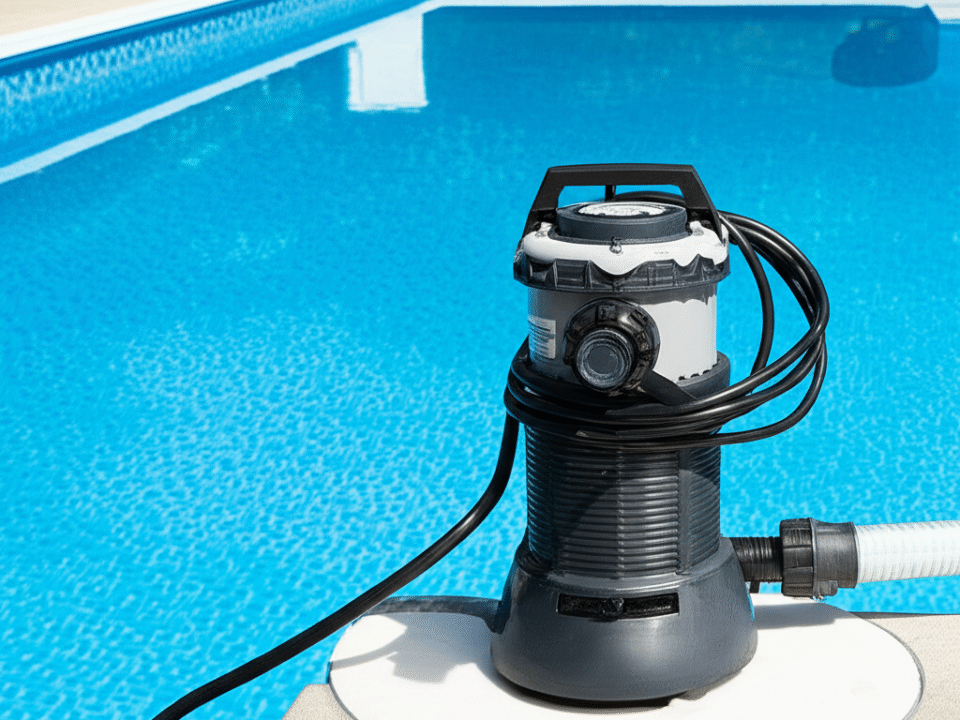
Plumbing Near Equipment: Inspect the filter, pump, heater, and all accessible plumbing lines around your equipment pad. Look for drips, corrosion, or wet spots.
Dye Testing: If you suspect a leak in a specific area (like a crack or around a fitting), you can use a leak detection dye (available at pool supply stores). With the pump off, squirt a small amount of dye near the suspected area. If there’s a leak, the dye will be sucked into the crack or opening.
For more elusive leaks – those in underground plumbing, the main drain, or within the pool shell itself that aren’t visually apparent – professional assistance is often required. Specialists use advanced tools like sonic leak detectors, pressure testing equipment, and even diving equipment to precisely pinpoint the source of water loss. Addressing these leaks promptly, especially with expert repair, can prevent minor issues from becoming major, costly structural problems.
Preventing Excessive Water Loss
Whether you’re dealing with evaporation or a minor leak, implementing good practices can help minimize water loss:
Use a Pool Cover: A solar cover or an automatic pool cover is the most effective way to reduce evaporation by up to 90%. They also help retain heat, saving on heating costs.
Maintain Equipment: Regularly inspect and maintain your pump, filter, and other equipment. Worn O-rings, seals, or cracks in the housing can lead to leaks.
Check Plumbing: Periodically inspect visible plumbing lines for any signs of wear or drips.
Turn Off Water Features: If you have waterfalls, fountains, or deck jets, turn them off when the pool is not in use, as they increase surface agitation and evaporation.
Mind Your Backwashing: Avoid unnecessary or excessive backwashing, as this process expels a significant amount of water from your pool.
When to Call the Professionals for Pool Water Loss
If you’ve completed the bucket test and suspect a leak, or if you simply can’t find the source of persistent water loss despite your best efforts, it’s time to call in the experts. Professional pool care companies offer specialized leak detection services. They have the experience, tools, and expertise to accurately identify and repair leaks, no matter how hidden or complex.
At Californiabluepool.com, our team of dedicated professionals excels in precisely identifying the cause of pool water loss, whether it’s a subtle leak or just high evaporation. We provide comprehensive solutions, from expert repair to regular pool cleaning services and maintenance, ensuring your pool remains in optimal condition. Don’t let pool water loss lead to unnecessary costs or potential damage. Contact Californiabluepool.com today for reliable leak detection and professional pool maintenance expertise.
By understanding the difference between evaporation and a leak, and taking decisive action when needed, you can protect your investment, conserve resources, and enjoy a perfectly maintained swimming pool all season long.