Evaporation vs Leak: Stop Pool Water Loss Now!
August 2, 2026
Pool Liner Wrinkles: Banish Them Effortlessly
August 6, 2026
- What Causes Liner Floating? Unmasking the Culprits
- Ground Water: The Primary Offender
- Other Potential Causes
- The Risks and Consequences of a Floating Liner
- Expert Fixes for a Floating Pool Liner
- Step 1: Identify the Cause of Your Liner Floating
- Step 2: Remove the Water Behind the Liner
- Step 3: Addressing the Root Cause
- Step 4: Re-seating the Liner
- Preventing Liner Floating: Proactive Measures to Avoid Dreaded Ground Water
- When to Call the Professionals
- Conclusion
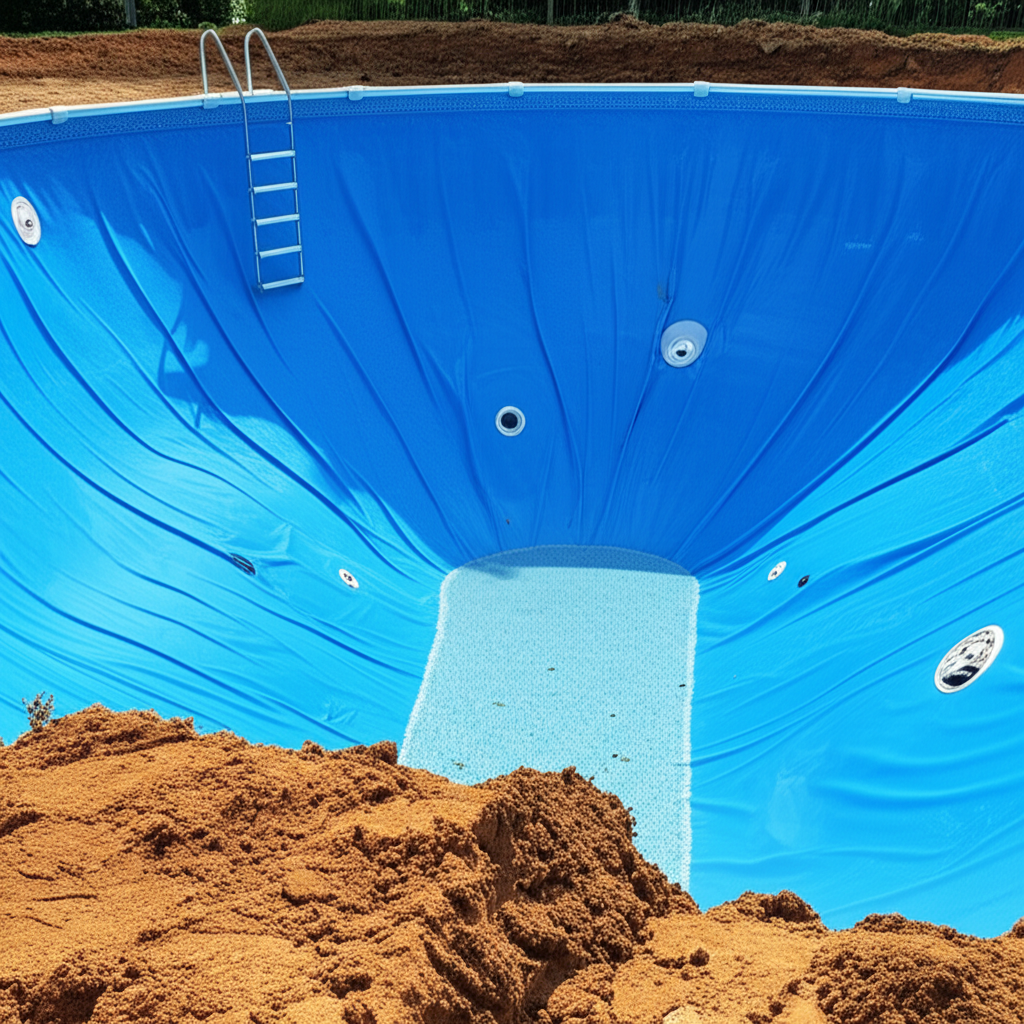
Liner Floating? This perplexing and often alarming phenomenon can quickly turn your backyard oasis into a wrinkled headache. A pool liner that floats off its walls or floor isn’t just an aesthetic issue; it signals a deeper problem, most commonly the presence of water trapped behind the liner, often referred to as hydrostatic pressure or, more simply, dreaded ground water. Understanding why this happens and how to address it effectively is crucial for the longevity and safety of your pool.
What Causes Liner Floating? Unmasking the Culprits
When a pool liner lifts or shifts, it’s a clear indication that a force greater than the liner’s natural weight and the pool water’s pressure is at play. This force is almost always water accumulating in the void between the pool wall/floor and the liner itself.
Ground Water: The Primary Offender
By far, the most common reason for a floating liner is ground water. This occurs when the water table around your pool rises, pushing against the outside of your pool structure. If the external pressure from this groundwater exceeds the internal pressure of the pool water, the liner will be pushed inward, causing it to billow, wrinkle, or even detach.
Heavy Rainfall: Extended periods of rain can saturate the soil around your pool, significantly raising the water table.
High Water Table: Some areas naturally have a higher water table, making them more susceptible to groundwater intrusion, especially during wet seasons.
Poor Drainage: Inadequate grading around the pool, clogged French drains, or missing weeping tiles can prevent surface water from draining away effectively, allowing it to collect and seep into the ground around your pool.
Other Potential Causes
While less common, other factors can contribute to water accumulating behind your liner:
Plumbing Leaks: A slow leak in your pool’s plumbing, even a pinhole, can gradually release water into the backfill material around the pool wall, leading to saturation and pressure buildup.
Improper Pool Draining: Draining your pool completely without proper precautions, especially in areas with a high water table, can create a significant pressure imbalance, causing groundwater to push the liner inward. Never completely drain your pool without consulting an expert, especially if you suspect groundwater issues.
The Risks and Consequences of a Floating Liner
Ignoring a floating liner is not an option. The potential damage extends beyond mere aesthetics:
Permanent Wrinkles: Once a liner has been severely displaced and then resettled, it often retains memory wrinkles that can be impossible to completely smooth out.
Material Stress and Tears: The shifting and stretching of the liner material can weaken it, leading to premature wear, tears, and leaks.
Damage to Pool Structure: Continuous pressure from groundwater can put undue stress on the pool walls and floor, potentially leading to foundational issues over time.
Algae and Mold Growth: The dark, damp space behind a floating liner is an ideal breeding ground for algae, mold, and mildew, which can be difficult to eradicate.
Increased Maintenance Costs: A damaged liner or structural issues will inevitably lead to more frequent and costly repairs. To avoid these issues, regular pool maintenance and inspections are crucial.
Expert Fixes for a Floating Pool Liner
Addressing a floating liner requires a systematic approach, starting with identifying and resolving the underlying cause.
Step 1: Identify the Cause of Your Liner Floating
Before you can fix the problem, you need to understand why it’s happening. Look for:
Recent Heavy Rains: The most obvious sign of groundwater.
Wet Spots Around the Pool Deck: Indicates poor drainage or a leak.
Low Pool Water Level (Without Evaporation): Could point to a leak within the pool system contributing to groundwater.
Pool Water Clarity: A sudden drop in water quality might indicate a hidden leak.
Step 2: Remove the Water Behind the Liner
Once you’ve confirmed water behind the liner (often visible as a bulge or wrinkle), the immediate goal is to remove it.
Sump Pump/Dewatering System: For significant groundwater issues, you might need to insert a small submersible pump (or “weep pump”) through a pre-existing weep hole (if your pool has one) or carefully create a small opening to pump the water out.
Hydrostatic Relief Valve: Some pools are designed with hydrostatic relief valves in their main drains. When groundwater pressure builds, these valves open automatically, allowing groundwater to enter the pool and relieve external pressure. If your pool has one, ensure it’s functioning correctly.
Professional Intervention: If you’re unsure how to safely remove the water or suspect a complex issue, it’s best to call for pool cleaning services or a pool professional. They have the right equipment and expertise to handle this delicate process without damaging your liner or pool structure.
Step 3: Addressing the Root Cause
Simply removing the water is a temporary fix. To prevent recurrence, you must tackle the reason for its accumulation.
Improve Drainage:
Regrade the Landscape: Ensure the ground slopes away from your pool for at least 6-10 feet in all directions.
Install French Drains: These subsurface drainage systems can effectively divert groundwater away from your pool.
Clear Gutters and Downspouts: Ensure rainwater is directed away from the pool area.
Repair Leaks: If a plumbing leak is suspected, a professional will need to locate and repair it. Early detection through regular inspections can prevent major issues. For comprehensive leak detection and repair, consider engaging pool maintenance services.
Step 4: Re-seating the Liner
Once the water behind the liner is removed and the underlying cause addressed, the liner should naturally settle back into place. You can assist this process:
Refill the Pool: As the pool fills, the water weight will press the liner against the walls and floor.
Use a Pool Vacuum: Some installers use a powerful wet/dry vacuum placed strategically to create suction behind the liner, pulling it firmly against the walls as the pool fills.
Gentle Manipulation: For minor wrinkles, sometimes gently smoothing them out by hand or with a soft brush as the pool fills can help.
Preventing Liner Floating: Proactive Measures to Avoid Dreaded Ground Water
Prevention is always better than cure. By taking proactive steps, you can significantly reduce the risk of your vinyl liner floating.
Ensure Proper Grading: Regularly inspect the landscaping around your pool. The ground should always slope away from the pool to direct rainwater run-off.
Maintain Drainage Systems: If you have French drains or other perimeter drainage systems, ensure they are clear of debris and functioning correctly.
Monitor Water Levels: Keep your pool filled to the recommended operating level. This provides sufficient hydrostatic pressure inside the pool to counteract external forces.
Regular Pool Checks: Periodically check your pool for any signs of leaks, especially around fittings, skimmers, and returns. Promptly addressing minor leaks can prevent them from contributing to groundwater issues. For thorough checks and preventative measures, consistent professional pool care is invaluable.
Consult Experts Before Draining: Never fully drain your vinyl liner pool without first consulting a pool professional, especially if your area is prone to high groundwater.
When to Call the Professionals
While some minor issues can be DIY projects, a floating pool liner, particularly one caused by ground water, often warrants professional intervention. Here’s when to call the experts:
Persistent Problem: If the liner continues to float despite your efforts to remove water and address drainage.
Unknown Cause: If you cannot identify why water is accumulating behind your liner.
Complex Drainage Issues: Installing or repairing French drains and grading land can be complex.
Suspected Plumbing Leaks: Locating and repairing pool plumbing leaks requires specialized expertise and equipment.
* Extensive Liner Damage: If your liner is significantly wrinkled, stretched, or torn.
For reliable pool services that can diagnose, fix, and prevent liner floating, don’t hesitate to contact experienced professionals. They possess the knowledge, tools, and experience to protect your investment and keep your pool in pristine condition.
Conclusion
A floating pool liner is a frustrating problem, but it’s one that can be effectively remedied with the right approach. Understanding the role of ground water and taking proactive measures to manage drainage around your pool are key. By acting swiftly to identify the cause, remove accumulated water, and implement preventative strategies, you can restore your pool to its intended beauty and ensure years of trouble-free enjoyment. When in doubt, always remember that expert assistance is available to provide the right solutions for your swimming pool.