When to Drain Your Pool: Essential Steps, Effortless Result
August 11, 2026
Pool Pump Emergency Switch: Essential for Safe Pools
August 14, 2026
- Understanding the Landscape of Pool Liability
- How Homeowners Insurance Protects Against Pool-Related Risks
- Bolstering Your Defense: The Umbrella Policy
- Mitigating Risks: Combining Protection with Prevention
Homeowners Insurance: Safeguarding Your Backyard Oasis
Homeowners insurance is a crucial safeguard for one of your most valuable assets, and for those fortunate enough to have a swimming pool, its role in providing robust liability protection becomes even more critical. While a pool offers endless enjoyment and a perfect escape on hot days, it also introduces unique risks to your property. Understanding how your policy handles potential accidents and injuries on your premises, particularly those involving your pool, is paramount to ensuring true peace of mind.
A swimming pool, by its very nature, is an attractive nuisance. This legal term implies that property owners have a special duty to protect children who might be attracted to a dangerous condition on their property, even if they trespass. Beyond children, any guest, friend, or even a service professional could suffer an injury while using or simply being near your pool. From minor slips and falls on wet surfaces to more severe incidents like diving accidents or even drowning, the potential for claims is significant, and the financial ramifications can be devastating without adequate coverage.
Understanding the Landscape of Pool Liability
The primary concern for any pool owner is pool liability – the legal and financial responsibility for injuries or damages that occur in or around your swimming pool. This can stem from a variety of situations:
Slips and Falls: Wet decks or improperly maintained surrounding areas can lead to falls, causing anything from minor bruises to serious head injuries or broken bones.
Diving Accidents: Shallow-end diving can result in severe spinal cord injuries, paralysis, or even death. Even if you have “no diving” signs, the risk remains.
Drowning or Near-Drowning Incidents: These are the most tragic and financially impactful events, leading to massive medical bills, long-term care, or wrongful death lawsuits.
Equipment Malfunctions: Faulty pumps, filters, or heaters can cause injury or chemical exposure.
Chemical Exposure: Improper chemical balancing or storage can lead to skin irritation, respiratory issues, or eye damage.
Disease Transmission: While less common, poorly maintained water can harbor bacteria or viruses, leading to illness.
Even if you believe an injury was not your fault, you could still be sued for negligence. This is where your homeowners insurance steps in, offering a vital layer of protection.
How Homeowners Insurance Protects Against Pool-Related Risks
Your standard homeowners insurance policy typically includes several key coverages that apply to pool-related incidents:
1. Personal Liability Coverage: This is the cornerstone of your protection. If someone is injured on your property, and you are found legally responsible, this coverage pays for their medical bills, lost wages, and pain and suffering, as well as your legal defense costs. Most standard policies offer limits between $100,000 and $500,000. For a pool owner, it’s advisable to have at least $300,000, if not $500,000, due to the elevated risks.
2. Medical Payments Coverage: This pays for immediate medical expenses for guests injured on your property, regardless of who is at fault. It’s often a smaller amount (e.g., $1,000 to $10,000) and is intended to cover minor injuries without the need for a full liability claim. This can be particularly useful for small incidents around the pool.
3. Damage to Property of Others: While less common with pools directly, this coverage can pay for damage you or a family member accidentally cause to someone else’s property. For example, if your pool overflowed and caused damage to a neighbor’s fence.
It’s crucial to understand the exclusions in your policy. Some policies might have specific exclusions related to certain types of pools (e.g., inflatable pools beyond a certain size, or pools not installed by a professional). Always review your policy and discuss any concerns with your insurance provider. You might also find that operating a business from your home (like a swim school) could void your personal liability coverage for pool incidents if not specifically endorsed.
Bolstering Your Defense: The Umbrella Policy
Even with robust personal liability limits on your homeowners policy, the financial implications of a severe pool-related accident can easily exceed standard coverage amounts. Lawsuits involving catastrophic injuries or wrongful death can reach into the millions. This is where a personal umbrella policy becomes an indispensable addition for any pool owner.
An umbrella policy kicks in after the liability limits of your homeowners insurance (and auto insurance) have been exhausted. It provides an additional layer of liability protection, typically starting at $1 million and going much higher, for a relatively low annual premium. For homeowners with significant assets, or those simply seeking maximum protection against potentially life-altering lawsuits, an umbrella policy is not just recommended, it’s virtually essential.
Mitigating Risks: Combining Protection with Prevention
While comprehensive insurance is vital, proactive risk management is equally important in preventing accidents and reducing your liability.
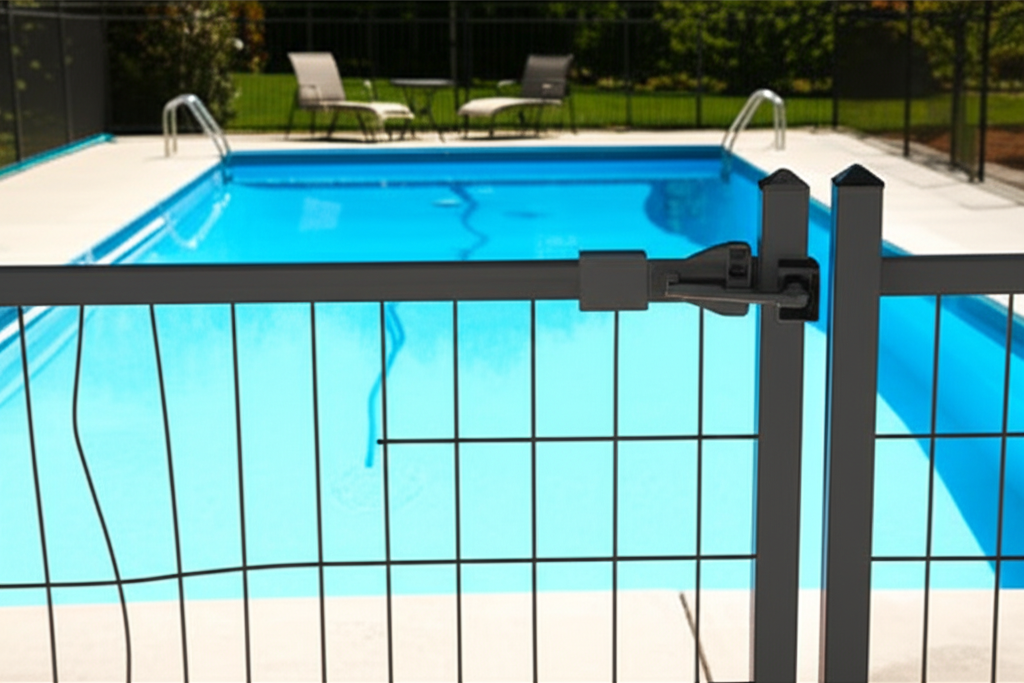
1. Secure Your Pool: Install sturdy fences (at least 4 feet high) with self-closing, self-latching gates. Consider alarms on gates and even submerged alarms that detect unsupervised entry into the water. Pool covers are another excellent safety measure.
2. Establish and Enforce Rules: Clearly communicate and enforce rules like “no running,” “no diving in shallow end,” and always swimming with a buddy. Consider posting these rules visibly.
3. Supervision is Key: Never leave children unsupervised near the pool, even for a moment. Appoint a designated “water watcher.”
4. Maintain Your Pool Regularly: A well-maintained pool is a safer pool. This includes keeping the water clear so swimmers can see the bottom, ensuring proper chemical balance, and regularly inspecting equipment for wear and tear. Having a professional routine for pool cleaning services and maintenance ensures chemicals are balanced, filters are clean, and the pool environment is sanitary and safe. A pristine pool not only looks inviting but also significantly reduces health risks and the chance of equipment failure.
5. Remove Hazards: Keep toys, furniture, and other attractive nuisances away from the pool edge when not in use. Clear the deck of clutter.
6. Learn CPR: Knowing CPR can be the difference between life and death in a drowning incident. Encourage all adults in the household to get certified.
7. Adequate Lighting: Ensure your pool area is well-lit for evening use to prevent slips and falls.
8. Regular Inspections: Periodically check your pool deck, coping, and equipment for repairs. Address any cracks, loose tiles, or faulty wiring immediately.
By combining robust homeowners insurance and an umbrella policy with diligent safety practices and professional pool maintenance, you can transform your backyard oasis into a secure haven, minimizing the risks and maximizing your enjoyment, knowing you are well-protected against unforeseen circumstances. Always consult with your insurance agent to ensure your coverage aligns with your specific pool type and personal risk profile.