
Homeowners Insurance: Best Pool Liability Protection
August 13, 2026
- What is a Pool Pump Emergency Switch?
- Why the Pool Pump Emergency Switch is So Crucial
- Uncompromising Safety For Swimmers and Users
- Protecting Your Pool Equipment and Property
- Enhancing Safety During Pool Maintenance and Pool Cleaning Services
- Compliance with Electrical Codes and Standards
- Proper Placement and Installation of Your Pool Pump Emergency Switch
- Operating and Regularly Testing Your Emergency Switch
- Beyond the Switch: Comprehensive Pool Safety
- When to Call the Professionals
Pool Pump Emergency Switch: The unsung hero of your backyard oasis, this critical safety device stands as an essential safeguard for anyone enjoying or maintaining a swimming pool. More than just a convenience, it’s a non-negotiable component designed to rapidly cut power to your pool pump, preventing potential hazards ranging from electrical accidents to equipment damage. Understanding its function, proper installation, and regular testing is paramount for every pool owner committed to maintaining a safe and secure swimming environment.
What is a Pool Pump Emergency Switch?
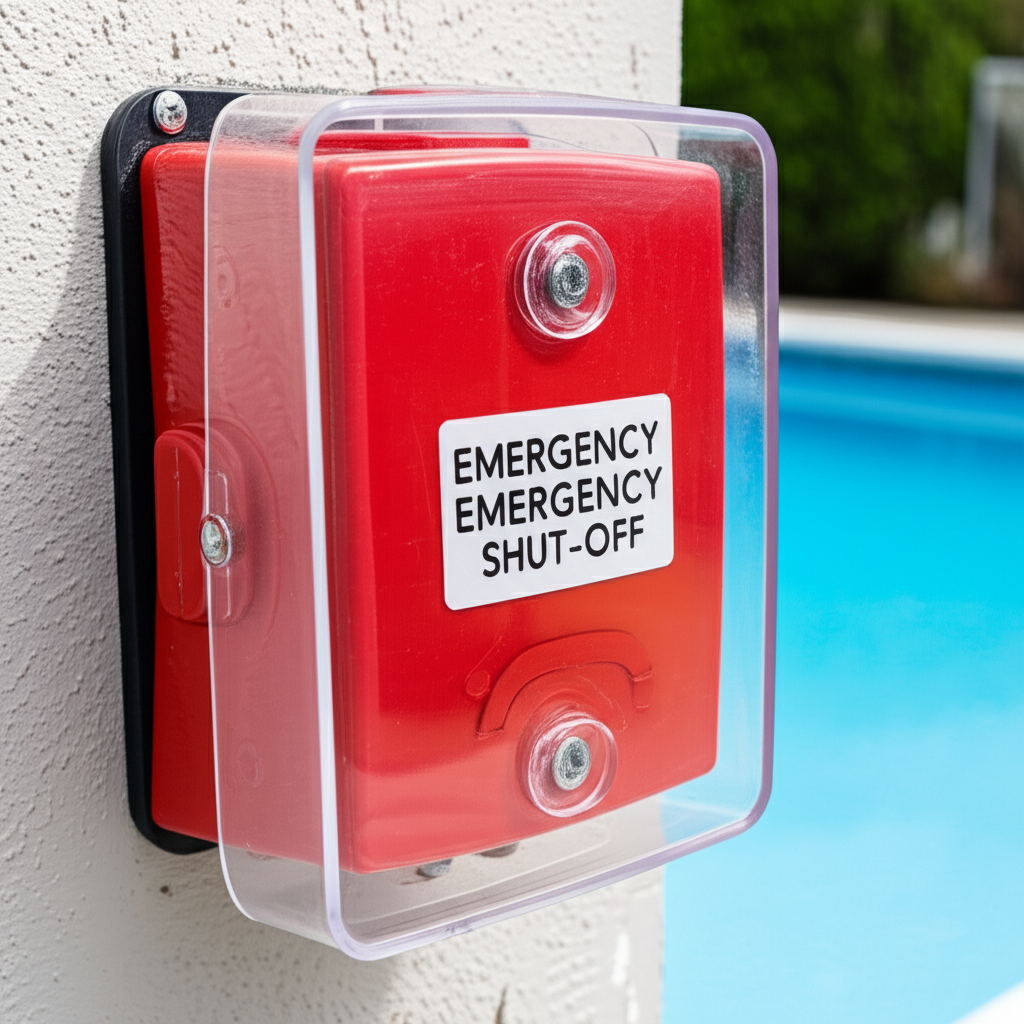
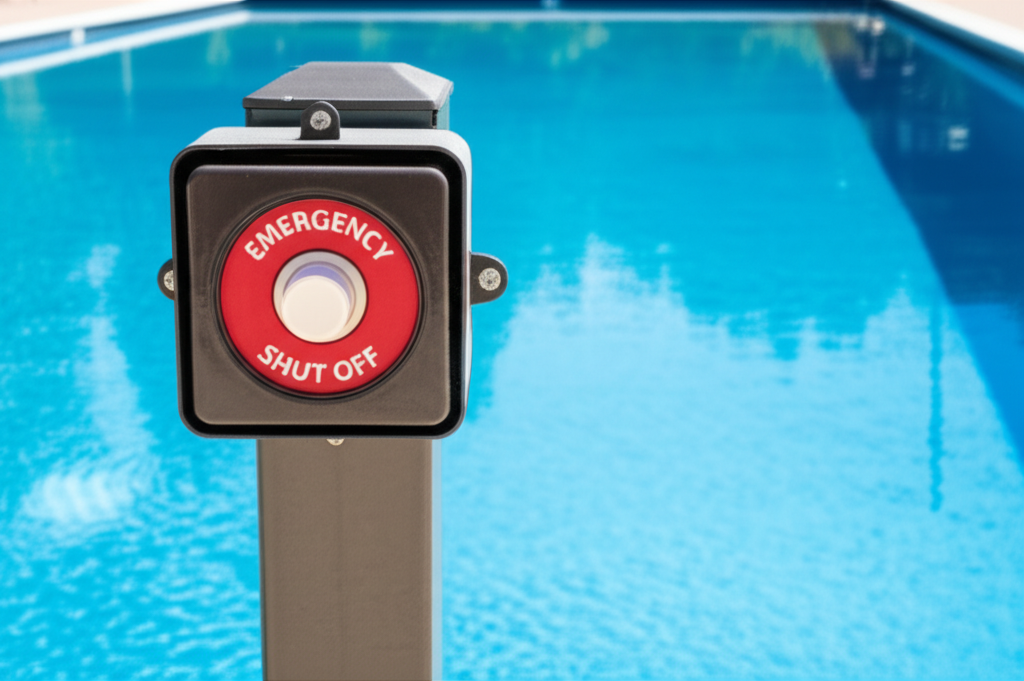
At its core, a pool pump emergency switch is a dedicated shut-off mechanism that allows for the immediate disconnection of electrical power to your pool pump. Unlike the standard circuit breaker found in your home’s main panel, which protects the entire circuit, this switch is specifically placed to isolate the pool pump’s power supply quickly and conveniently. It’s typically a clearly marked, easily accessible red “mushroom” button or a toggle switch, designed for swift activation in an urgent situation. Its purpose is twofold: to protect people from potential electrical shock or injury, and to prevent serious damage to the pool pump or connected equipment in the event of a malfunction.
Why the Pool Pump Emergency Switch is So Crucial
The importance of this seemingly simple device cannot be overstated. It plays a pivotal role in ensuring the safety and longevity of your pool system.
Uncompromising Safety For Swimmers and Users
The primary reason for the emergency switch is human safety. Water and electricity are a dangerous combination. Should there be an electrical fault in the pump, wiring, or any part of the pool’s circulation system, an immediate power cut can prevent severe electrical shock or even electrocution. This is especially vital in situations where someone might be in the pool or manipulating equipment when a fault occurs. A readily available emergency switch provides precious seconds to avert a tragedy.
Protecting Your Pool Equipment and Property
Beyond personal safety, the emergency switch also safeguards your investment. A malfunctioning pool pump can overheat, seize up, or even catch fire. The ability to rapidly cut power can prevent further damage to the pump itself, surrounding equipment, and even your home. Imagine a scenario where a pump is running dry or making unusual noises – hitting the emergency switch immediately can prevent a minor issue from becoming a costly repair or a dangerous electrical fire.
Enhancing Safety During Pool Maintenance and Pool Cleaning Services
For routine maintenance or more complex repairs, the emergency switch is indispensable. Before performing any work on the pump, filter, heater, or any part of the plumbing system that might be under pressure, it is crucial to ensure all power is completely disconnected. Relying solely on a circuit breaker inside a panel often located far from the pool equipment pad is inconvenient and less safe. The proximity and immediate action of an emergency switch mean that anyone performing tasks, whether it’s adjusting valves, emptying strainers, or providing specialized pool cleaning services, can do so with greater peace of mind, knowing the power can be cut instantly.
Compliance with Electrical Codes and Standards
Many local and national electrical codes, such as the National Electrical Code (NEC) in the United States, mandate the installation of a readily accessible emergency switch for pool pumps. These regulations are put in place to ensure a minimum standard of safety. Failing to comply can not only pose a significant hazard but also lead to fines or issues with insurance coverage if an incident occurs.
Proper Placement and Installation of Your Pool Pump Emergency Switch
The effectiveness of a Pool Pump Emergency Switch hinges on its correct placement and professional installation.
1. Accessibility and Visibility: The switch must be easily accessible and clearly visible from the pool equipment pad. It should be within line of sight of the pump and often within a specific distance (e.g., 5 to 50 feet according to some codes) from the pool’s edge, but not so close as to be reachable by someone submerged in the pool.
2. Weatherproof Enclosure: Given its outdoor location, the switch must be housed in a weatherproof enclosure designed to withstand the elements, protecting its internal components from rain, dust, and UV exposure.
3. Clear Labeling: The switch should be prominently labeled “POOL PUMP EMERGENCY SHUTOFF” or similar, so anyone—from family members to maintenance personnel—understands its function.
4. Professional Installation: Electrical work around a pool is inherently risky and requires specialized knowledge. Always hire a licensed and experienced electrician to install or service your emergency switch. They will ensure it meets all local codes and is wired correctly, protecting both your property and your loved ones.
Operating and Regularly Testing Your Emergency Switch
Knowing how to use the emergency switch is as important as having one. In an emergency, simply push the button or flip the switch to the “OFF” position. It should immediately cut power to the pump.
Regular testing is vital to ensure the switch remains operational. Aim to test it monthly or at least quarterly:
1. Turn on your pool pump.
2. Press or flip the emergency switch. The pump should instantly shut off.
3. Reset the switch and turn the pump back on.
If the pump does not shut off, or if the switch feels stiff or appears damaged, do not use your pool and contact a qualified electrician immediately.
Beyond the Switch: Comprehensive Pool Safety
While the pool pump emergency switch is a cornerstone of pool safety, it’s part of a larger safety ecosystem. Other essential measures include:
Ground-Fault Circuit Interrupter (GFCI) protection: Ensures that all electrical outlets and circuits near the pool are protected against ground faults.
Proper Grounding and Bonding: All metal components around the pool should be correctly grounded and bonded to prevent electrical shock.
Secure Fencing and Gates: To prevent unsupervised access to the pool, especially by young children.
Swimming Lessons and CPR Knowledge: Essential life-saving skills for all pool users and homeowners.
* Regular Pool Maintenance: Entrusting your pool maintenance to professionals ensures that all equipment is running efficiently and safely. A well-maintained system is less likely to develop faults.
When to Call the Professionals
Never attempt to troubleshoot electrical issues with your pool pump or emergency switch yourself unless you are a qualified electrician. If you suspect any wiring problems, notice unusual smells, see sparks, or if the emergency switch fails its test, immediately shut off power at the main breaker (if safe to do so) and call a professional. For comprehensive pool service, including checks on electrical components and ensuring your system is running optimally, don’t hesitate to reach out to experts. They can provide essential oversight that DIY approaches simply cannot match.
In conclusion, the Pool Pump Emergency Switch is far more than a regulatory requirement; it’s a critical component of a safe and responsible pool ownership strategy. By understanding its purpose, ensuring proper installation, and committing to regular testing, you provide an invaluable layer of protection for everyone who enjoys your pool, transforming a potential hazard into a haven of relaxation and fun.