Calcium Hardness: Essential Fix for Perfect Pools
March 13, 2026
Green Pool Algae Treatment: Rapid & Effortless
March 16, 2026
- Understanding Cyanuric Acid: The Sunscreen for Your Chlorine
- Why Your Pool Needs This Essential Pool Stabilizer
- Finding the Sweet Spot: Optimal CYA Levels
- How High Cyanuric Acid Can Impact Your Pool
- Managing Your Cyanuric Acid Levels
- Professional Pool Care and Your Pool Stabilizer
- Conclusion
Cyanuric Acid: Essential Pool Stabilizer Insights
Cyanuric acid is an unsung hero in the world of pool maintenance, a chemical compound often overlooked but absolutely critical for anyone wanting to keep their pool sparkling clean and efficiently sanitized. Often referred to as a “conditioner” or “stabilizer,” its primary role is to protect chlorine from the destructive effects of the sun’s ultraviolet (UV) rays. Without it, your chlorine would vanish rapidly, leading to endless frustration, increased chemical costs, and a constant battle against algae and bacteria. Understanding how this essential pool stabilizer works and how to manage its levels is key to a beautiful, trouble-free swimming experience.
—
Understanding Cyanuric Acid: The Sunscreen for Your Chlorine
At its core, cyanuric acid (CYA) is a chemical compound that forms a temporary, weak bond with chlorine molecules in your pool water. This bond acts like a shield, absorbing the UV radiation that would otherwise break down free chlorine into inactive forms. When the chlorine is needed to sanitize contaminants, it is released from the CYA bond, ready to work. Think of CYA as sunscreen for your chlorine; it doesn’t prevent the chlorine from working, but it dramatically extends its lifespan in outdoor pools.
Without CYA, the sun can burn off up to 90% of your pool’s chlorine in just a couple of hours on a sunny day. This rapid depletion means you’re constantly adding more chlorine, often struggling to maintain a consistent sanitizer level, making your pool vulnerable to algae blooms and bacterial growth. For homeowners who manage their own pools or rely on professional pool cleaning services, stable chlorine levels are paramount for effective sanitation.
—
Why Your Pool Needs This Essential Pool Stabilizer
The benefits of maintaining proper cyanuric acid levels are numerous and directly impact the health, clarity, and cost-effectiveness of your pool.
Chlorine Longevity: This is the most significant benefit. CYA drastically slows down chlorine degradation, ensuring your sanitizer remains active for longer periods. This means less chlorine evaporation and more consistent sanitation.
Cost Savings: By extending chlorine’s life, you’ll purchase and use less chlorine over time. This can lead to substantial savings on your annual pool chemical budget.
Stable Sanitation: Consistent chlorine levels mean your pool is constantly protected against contaminants. This reduces the risk of cloudy water, algae growth, and harmful bacteria.
Reduced Workload: With a stable chlorine residual, the need for frequent shocking or continuous chlorine additions is reduced, simplifying your pool maintenance routine.
—
Finding the Sweet Spot: Optimal CYA Levels
While important, too much or too little CYA can cause problems. The recommended range for cyanuric acid in most residential swimming pools is between 30-50 parts per million (ppm). For saltwater pools, some experts recommend slightly higher levels, around 50-70 ppm, due to the continuous chlorine generation.
Below 30 ppm: Your chlorine will be highly susceptible to UV degradation, leading to rapid depletion and inefficient sanitization. You’ll struggle to maintain a free chlorine residual.
Above 50 ppm: This is where issues can arise. While CYA protects chlorine, too much can actually lock up the chlorine, making it less effective and slower to sanitize. This phenomenon is often referred to as “chlorine lock” not because the chlorine is gone, but because it’s too bound by the CYA to do its job quickly and effectively.
Regular testing of your CYA levels is crucial, especially if you use stabilized chlorine products (like dichlor or trichlor) which contain CYA. Test kits or strips readily available at pool supply stores can help you monitor this level.
—
How High Cyanuric Acid Can Impact Your Pool
When CYA levels climb too high, typically over 70 ppm, the challenges become noticeable:
Diminished Chlorine Effectiveness: Chlorine takes longer to kill bacteria and algae because it’s tightly bound to the excessive CYA. This means you might need significantly higher free chlorine levels (up to 7.5% of your CYA level to be effective) to achieve proper sanitation, which can be irritating to swimmers’ eyes and skin, and corrosive to pool equipment.
Difficulty in Algae Control: Even with seemingly adequate chlorine levels, stubborn algae can appear because the chlorine isn’t working efficiently enough.
Cloudy Water: Ineffective sanitation can lead to a build-up of organic material, resulting in cloudy or dull water.
—
Managing Your Cyanuric Acid Levels
Managing CYA involves both adding it when needed and reducing it when levels climb too high.
Adding CYA:
If your CYA levels are below the recommended range, you have a few options:
1. Stabilized Chlorine: Dichlor and trichlor contain CYA. Using these products will slowly raise your CYA levels over time. Be mindful, however, that continuous use can push levels too high.
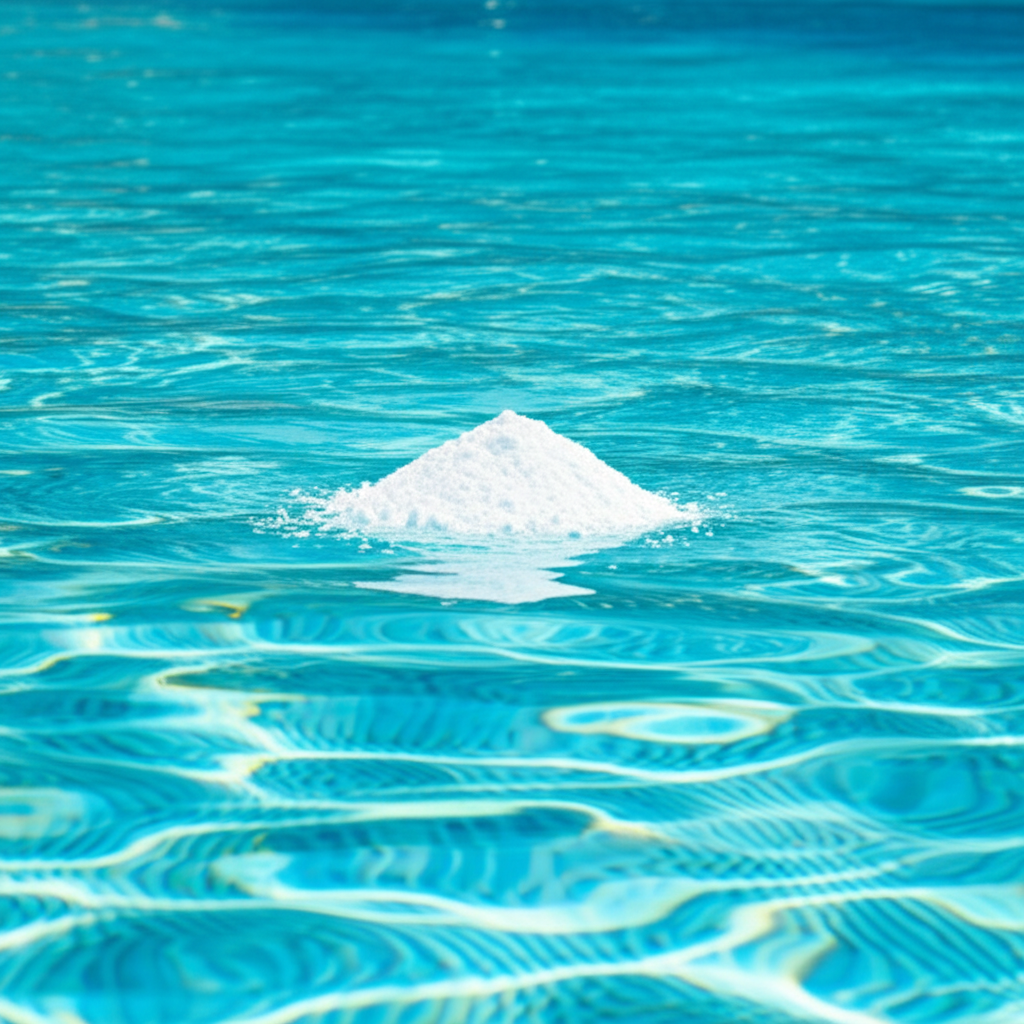
2. Granular Cyanuric Acid: You can purchase granular CYA separately. It’s usually added by placing it in a skimmer sock or directly into the skimmer. It dissolves slowly, so it’s best to add it gradually and retest after a few days. Always follow manufacturer instructions for dosing.
Lowering CYA:
Unfortunately, reducing high CYA levels is a straightforward but somewhat inconvenient process:
Dilution: The only effective way to lower CYA is by draining a portion of your pool water and refilling it with fresh, unstabilized water. For example, draining 50% of your pool and refilling it will roughly halve your CYA level. For stubborn cases, a partial drain and multiple refills may be necessary.
* Backwashing and Evaporation: Regular backwashing of sand or diatomaceous earth (DE) filters, along with water loss from evaporation and splash-out that is replaced by fresh water, will contribute very slowly to lowering CYA over the long term, but it’s not a rapid solution for high levels.
—
Professional Pool Care and Your Pool Stabilizer
For many pool owners, maintaining the perfect chemical balance, including optimal cyanuric acid levels, can feel like a complex science project. If you find yourself struggling with fluctuating chlorine, persistent algae, or just want the peace of mind that comes with expert care, professional pool cleaning and maintenance services like those offered by California Blue Pool can be invaluable. Experienced technicians understand the intricate relationship between all pool chemicals, including how to properly manage your pool’s stabilizer. They can perform accurate water testing, advise on the best products for your specific pool, and ensure all parameters, including CYA, are perfectly balanced for pristine water quality. Let the professionals handle the complexities so you can simply enjoy your pool.
—
Conclusion
Cyanuric acid is far more than just another chemical in your pool; it’s a fundamental component of effective and efficient pool care. By acting as a sunscreen for your chlorine, this essential pool stabilizer ensures your sanitiser lasts longer, saving you money and effort, while keeping your water clean and safe. Regular testing and proactive management of your CYA levels are imperative for a healthy and enjoyable swimming season. Master your CYA, and you’ll master one of the most critical aspects of maintaining a beautiful, crystal-clear swimming pool.