Cyanuric Acid: Essential Pool Stabilizer Insights
March 14, 2026
Mustard Algae: Banish Stubborn Yellow Algae
March 18, 2026
- Why Your Pool Turns Green: Understanding the Algae Invasion
- The Urgent Need for Rapid Green Pool Algae Treatment
- Rapid & Effortless Green Pool Algae Treatment Steps
- Preventing Future Green Pool Outbreaks
- When to Call the Professionals
- Reclaim Your Sparkling Oasis
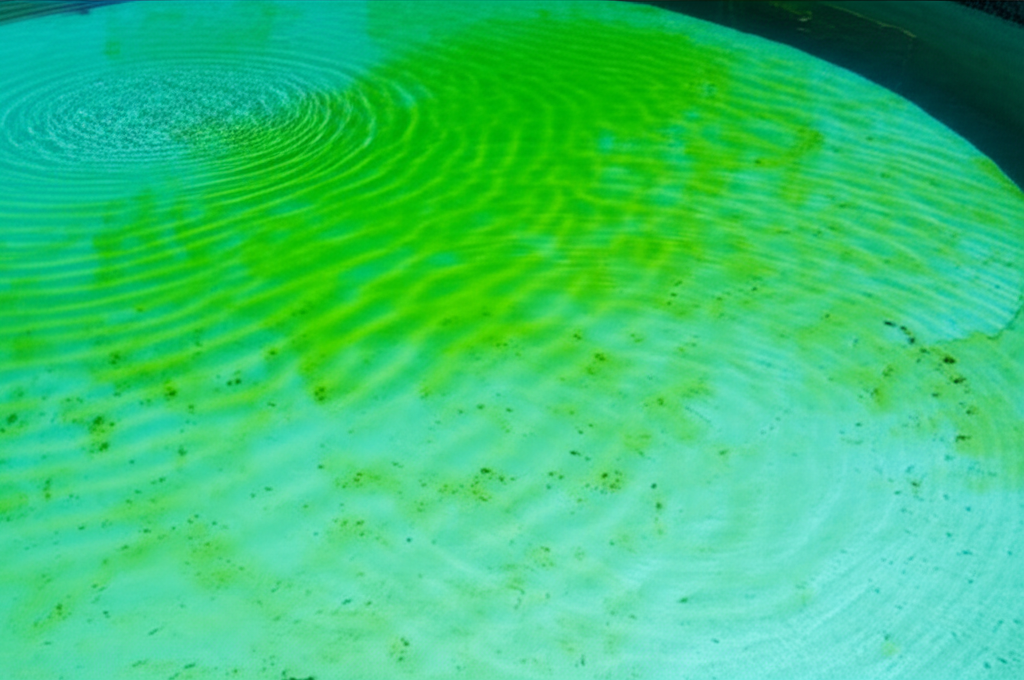
Green Pool woes are a common nightmare for pool owners, transforming a sparkling oasis into an murky, uninviting swamp. The culprits? Microscopic algae multiplying rapidly, turning your water an unsightly shade of green, and often making it unsafe for swimming. While the sight of a green pool can be discouraging, the good news is that algae treatment can be rapid and surprisingly effortless if you follow the right steps.
Why Your Pool Turns Green: Understanding the Algae Invasion
Before tackling the solution, it’s crucial to understand why algae decide to call your pool home. Algae spores are pervasive and constantly entering your pool, carried by wind, rain, or even swimwear. They thrive in specific conditions, primarily:
Low Chlorine Levels: Chlorine acts as your pool’s primary sanitizer, killing algae and bacteria. Insufficient chlorine allows algae to proliferate unchecked.
Poor Circulation/Filtration: A malfunctioning pump or clogged filter prevents pool chemicals from distributing effectively and fails to remove algae spores.
Imbalanced Water Chemistry: Incorrect pH, alkalinity, or cyanuric acid (CYA) levels can render your chlorine less effective, creating an ideal breeding ground for algae.
Warm Temperatures & Sunlight: Algae love warmth and sunlight, which accelerate their growth.
Excess Nutrients: Leaves, dirt, pollen, and even swimmer contaminants introduce phosphates and nitrates – favorite food sources for algae.
Ignoring these issues allows a simple green tint to quickly escalate into a thick, slimy green pool that can harbor bacteria and damage your pool equipment over time.
The Urgent Need for Rapid Green Pool Algae Treatment
Beyond the unsightliness, a green pool poses several problems:
Health Risks: Algae can host bacteria and other pathogens, leading to skin irritations, ear infections, and gastrointestinal issues.
Equipment Damage: Algae growth can clog filters, strain pumps, and even leave unsightly stains on your pool liner or plaster.
Increased Costs: The longer you neglect a green pool, the more chemicals and effort it will take to restore it, significantly increasing your cleaning expenses.
Acting quickly can save you time, money, and ensure a healthy swimming environment.
Rapid & Effortless Green Pool Algae Treatment Steps
Bringing your pool back to crystal clear condition often involves a methodical, yet straightforward, approach. Here’s how to tackle a green pool rapidly:
Step 1: Assess and Test Your Water
The first crucial step is to understand your pool’s current chemical balance. Use a reliable test kit or strips to measure:
pH: Ideal range is 7.4-7.6.
Alkalinity: Ideal range is 80-120 ppm.
Chlorine: Free chlorine should be 1-3 ppm. Green pools will often show 0 ppm.
Cyanuric Acid (CYA): Ideal range is 30-50 ppm. Too high can reduce chlorine’s effectiveness.
Knowing these numbers will guide your treatment plan.
Step 2: Manual Cleaning & Debris Removal
Remove any large debris from the surface with a skimmer net. Then, using a sturdy pool brush, vigorously brush the walls, floor, steps, and any other surfaces of your pool. This physically dislodges algae from surfaces, allowing chemicals to reach them more effectively. Don’t skip this step – it’s vital for a thorough cleaning. If your pool is overwhelmed with debris, considering professional pool cleaning services can jumpstart the process, especially if you lack the right tools or time.
Step 3: Super-Chlorination (Shock Treatment)
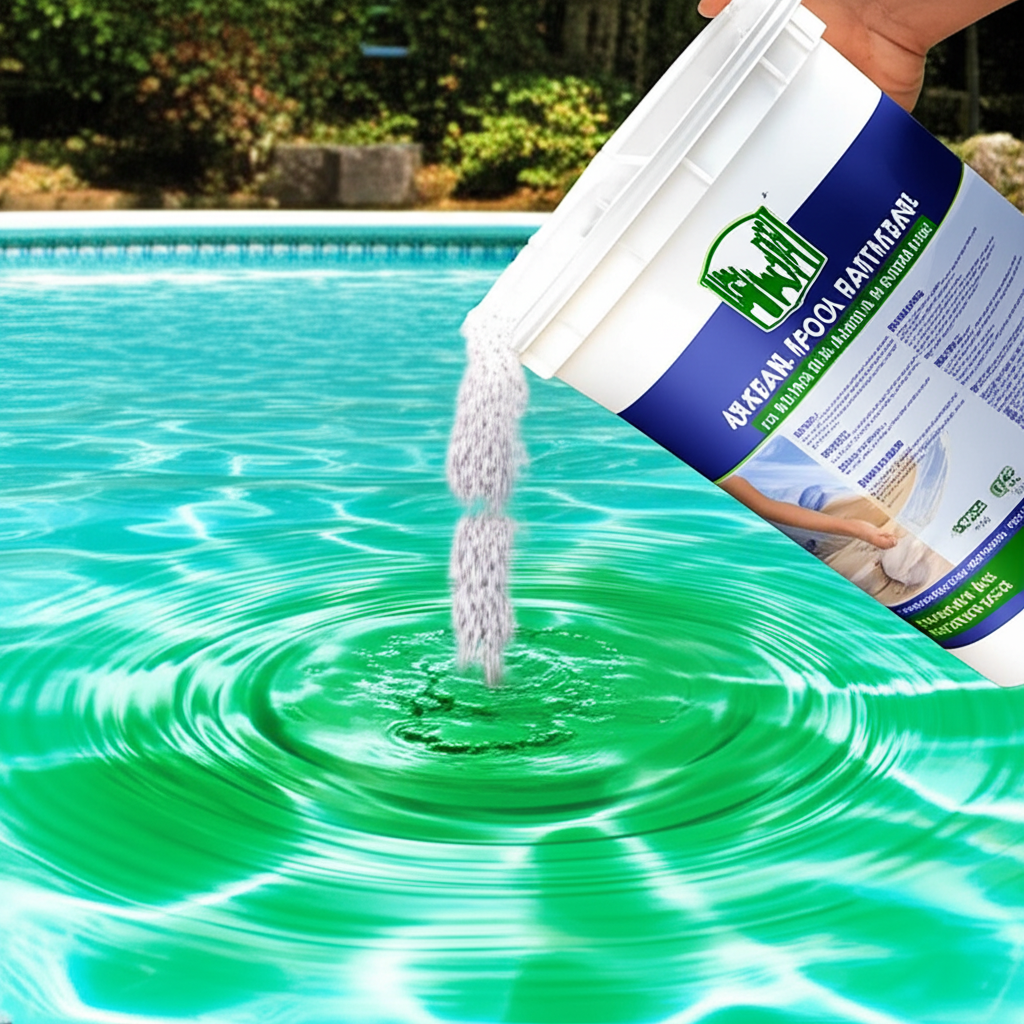
This is the most critical step for algae treatment. You need to ‘shock’ your pool, meaning you’ll add a significantly higher dose of chlorine than usual to kill the algae.
Determine Dose: For a light green pool, you might need 3 times the normal chlorine dose. For a dark green or black pool, it could be 5-10 times. Always follow the manufacturer’s instructions on your chosen shock product. Calcium hypochlorite (cal-hypo) or sodium hypochlorite (liquid chlorine) are common choices.
Application: Add the shock product in the evening or at night, as sunlight degrades chlorine rapidly. Dilute granular shock in a bucket of water before slowly pouring it around the perimeter of the pool.
Safety: Wear appropriate safety gear (gloves, eye protection) and never mix different types of chlorine products.
Step 4: Run Your Filter Continuously
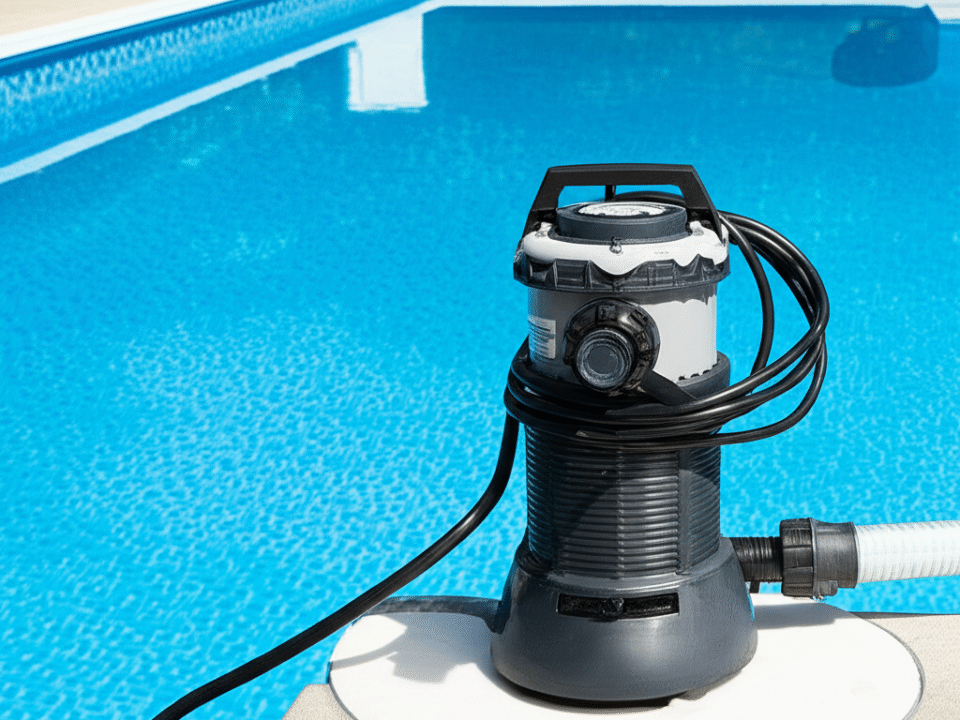
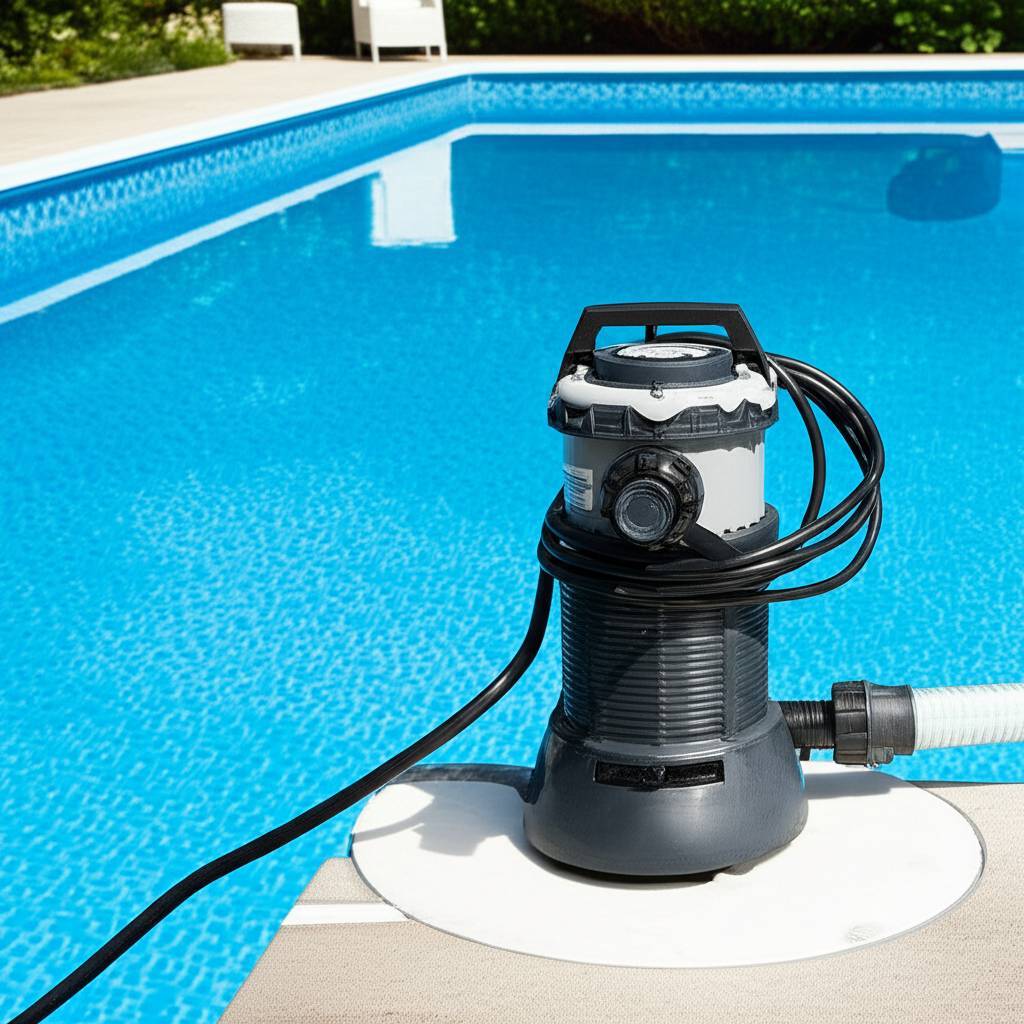
After shocking, run your pool filter (pump) 24 hours a day. The filter removes the dead algae particles, which will turn your water from green to cloudy grey, and then to clear. Backwash or clean your filter frequently – sometimes multiple times a day – as it will quickly become clogged with dead algae. Make sure your filter pressure remains within normal operating range. If you find your pump or filter struggling, it might be time to consult pool cleaning services for equipment inspection and maintenance.
Step 5: Apply Algaecide (If Necessary)
For persistent or stubborn algae, or as a preventative measure for certain types of algae (like mustard or black algae, though green algae is most common), an algaecide can be a helpful supplement. Algaecides work by preventing algae cells from photosynthesizing or by destroying their cell walls. Ensure the algaecide you choose is compatible with your pool type and other chemicals.
Step 6: Re-test and Balance Your Water
Once the water starts clearing (often within 24-48 hours), re-test your water chemistry. Adjust pH, alkalinity, and chlorine levels back to their ideal ranges. You may need to add more shock or chlorine if the algae persists. It’s also wise to check for phosphates and consider a phosphate remover if levels are high, as these fuel algae growth.
Preventing Future Green Pool Outbreaks
Maintaining a crystal-clear pool after a successful algae treatment is far easier than battling a full-blown invasion. Here are key preventative measures:
Consistent Water Testing: Test your water at least weekly. Regular testing allows you to catch imbalances before they become major problems.
Maintain Proper Chlorine Levels: Keep your free chlorine between 1-3 ppm at all times.
Run Your Filter Daily: Aim for 8-12 hours of filtration daily, depending on your pool size and usage.
Regular Cleaning: Skim debris daily, and brush your pool at least weekly to prevent algae from attaching and growing. Consider scheduling regular visits from pool cleaning services to ensure consistent maintenance.
Shock Routinely: A weekly or bi-weekly shock treatment can prevent algae from taking hold, especially during warm weather or heavy use.
Consider a Pool Cover: A pool cover can reduce sunlight exposure, minimize debris entry, and help maintain chemical levels.
When to Call the Professionals
While many green pool cases can be resolved with DIY efforts, sometimes professional help is invaluable. If you’re facing:
Extremely Severe Algae: Such as black algae or a dangerously murky green pool with zero visibility.
Persistent Green Pool Issues: You’ve tried everything, but the algae keeps coming back.
Equipment Malfunctions: Your pump isn’t working, or your filter is damaged.
* Lack of Time or Expertise: You’d rather leave it to the experts.
Professional pool cleaning services from companies like California Blue Pool have the industrial-strength chemicals, specialized equipment, and expertise to handle even the toughest green pool challenges, restoring your pool to perfection quickly and efficiently.
Reclaim Your Sparkling Oasis
Don’t let a green pool dampen your spirits. With a systematic approach to algae treatment, you can transform your murky water back into a sparkling, inviting pool rapidly and effectively. Consistent maintenance is your best defense against future outbreaks, ensuring your backyard remains an enjoyable retreat for relaxation and recreation.