
Langelier Saturation Index: Unlock Optimal Water Balance
April 5, 2026
Pool Flocculant vs Clarifier: Unlock Clear Water
April 9, 2026
- What are Iron Stains and Why Do They Appear?
- Pinpointing Your Problem: Testing for Iron Stains
- Ultimate Removal: How to Vanquish Iron Stains in Your Pool
- 1. Ascorbic Acid Treatment: The Go-To for Most Iron Stains
- 2. Commercial Stain Removers
- 3. Acid Washing (For Severe Cases Only)
- An Easy Fix for the Future: Preventing Iron Stains Pool-Side
- Addressing Copper Stains: A Different Kind of Discoloration
- When to Call the Professionals
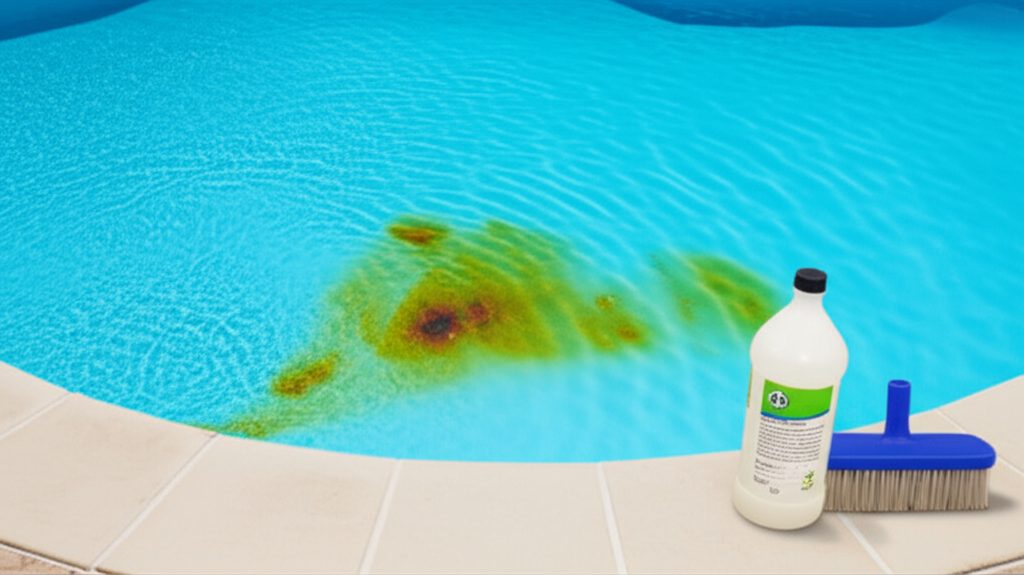
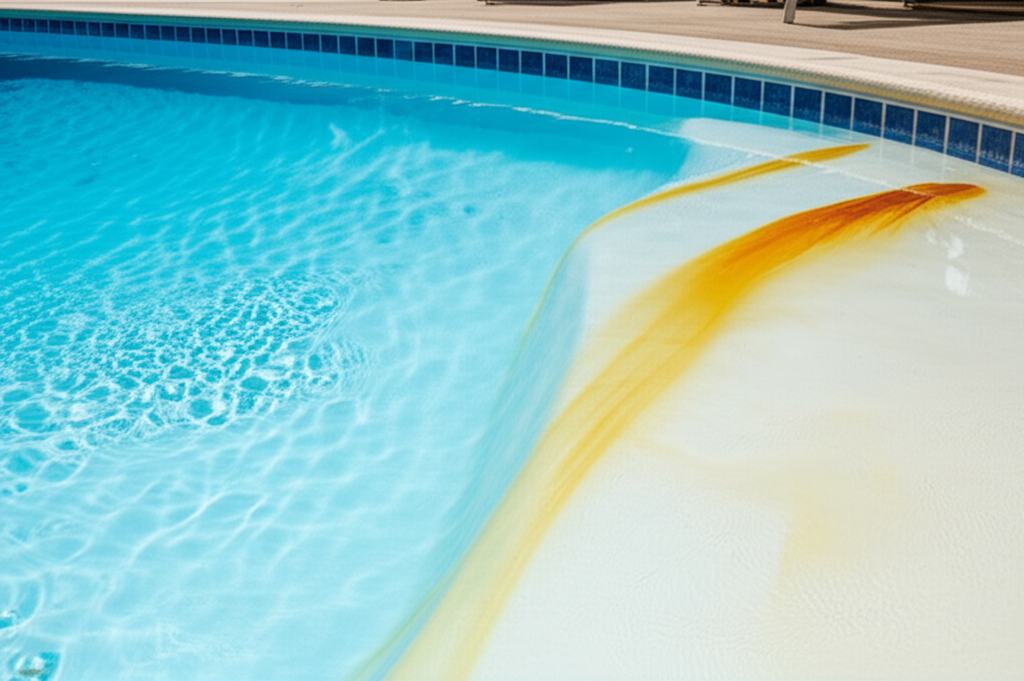
Iron Stains Pool: the very phrase can send a shiver down the spine of any pool owner. Those unsightly reddish-brown, orange, or even dark rust-colored marks marring your beautiful blue oasis are not just an aesthetic nuisance – they’re a signal that something in your water chemistry or environment needs attention. Fortunately, understanding the source and applying the right techniques can transform this frustrating problem into an entirely manageable task, yielding ultimate removal and an easy fix for the future.
What are Iron Stains and Why Do They Appear?
Iron stains are typically caused by oxidized iron particles that settle and adhere to the surfaces of your pool, including the plaster, tile, or fiberglass. These stains can appear as streaks, spots, or large discolored areas, dramatically impacting the look of your pool. The most common culprits for these stubborn blemishes include:
Well Water: If your pool is filled using well water, it’s highly likely to contain dissolved iron. When this iron comes into contact with chlorine (an oxidizer), it precipitates out of solution and stains the pool surfaces.
Metallic Objects: Dropped hairpins, nails, screws, tools, rebar from construction, or even rusted toys left in the pool can directly cause iron rust stains where they sit.
Corroding Pool Equipment: Metal components within your pool heater, pump, or filter that are rusting can leach iron into the water.
Fertilizers: Some lawn and garden fertilizers contain iron and can be accidentally introduced into the pool, especially after rain or wind.
It’s crucial to correctly identify an iron stain, as its treatment differs significantly from other types, like organic stains or the equally frustrating copper stains.
Pinpointing Your Problem: Testing for Iron Stains
Before you attempt any treatment, confirm that what you’re seeing are indeed iron stains. A simple, at-home test can provide clarity:
1. Lower your pool’s chlorine level: Ascorbic acid (Vitamin C) works best in low-chlorine environments. Get your chlorine down to 1 ppm or less, if possible, by stopping chlorination for a day or using a chlorine neutralizer.
2. The Ascorbic Acid Test: Take a Vitamin C tablet (pure ascorbic acid) and hold it directly against a small, inconspicuous stained area of your pool.
3. Observe: If the stain begins to lighten or disappear within 30-60 seconds, you’ve got yourself an iron stain. This quick reaction is a strong indicator and points you toward the correct treatment path.
Ultimate Removal: How to Vanquish Iron Stains in Your Pool
Once you’ve confirmed you’re dealing with iron, you can proceed with one of these effective removal methods.
1. Ascorbic Acid Treatment: The Go-To for Most Iron Stains
Ascorbic acid acts as a chelating agent, binding with the oxidized iron particles and making them soluble again, so they can be filtered out.
Step-by-Step Guide:
1. Lower Chlorine: As mentioned, reduce chlorine levels to 1 ppm or less. High chlorine will oxidize the ascorbic acid too quickly, rendering it ineffective.
2. Adjust pH: Aim for a pH between 7.2-7.8.
3. Apply Ascorbic Acid: For widespread stains, distribute granular ascorbic acid over the stained areas. A general guideline is 1 pound per 10,000 gallons, but you may need more for heavy staining. For isolated spots, you can target the application more precisely. You can broadcast it over the surface or dissolve it in a bucket of water and pour it over the affected areas.
4. Wait and Observe: Allow the ascorbic acid to work its magic for 24-48 hours. Many stains will lighten or disappear entirely during this period.
5. Brush: Lightly brush the treated areas to help dislodge any remaining stain particles.
6. Run Filter: Keep your pump and filter running continuously to help remove the chelated iron from the water.
7. Rebalance Chemistry: After the stains are gone, you’ll need to slowly raise your chlorine levels back to normal and rebalance your pool’s chemistry (pH, alkalinity, calcium hardness). Add a metal sequestrant (see prevention section) to prevent the now dissolved iron from re-oxidizing and staining again.
2. Commercial Stain Removers
Several commercial pool stain removers are specifically formulated to tackle metal stains. These often contain similar chelating agents to ascorbic acid but may have additional ingredients for enhanced efficacy. Always follow the manufacturer’s instructions carefully.
3. Acid Washing (For Severe Cases Only)
For extremely heavy, widespread, or deep-set iron stains on plaster pools, acid washing might be considered. This involves draining the pool and applying a diluted muriatic acid solution to etch off a thin layer of the pool’s surface, effectively removing the stains. This is a highly aggressive and dangerous procedure that should ONLY be performed by experienced professionals due to the corrosive nature of the chemicals involved. If your stains are this severe, consider reaching out to a company like California Blue Pool for expert pool cleaning services and stain removal solutions.
An Easy Fix for the Future: Preventing Iron Stains Pool-Side
Prevention is always better than cure. Once you’ve successfully removed those pesky iron stains, implement these strategies to keep your pool sparkling clean:
Use a Metal Sequestering Agent Regularly: This is arguably the most important preventive measure. A good quality sequestering agent binds with dissolved metals (like iron and copper) in your water, keeping them suspended in solution so they can’t oxidize and stain your pool surfaces. Add it regularly, especially after adding fresh water or if you use well water.
Test Your Source Water: If you fill your pool with well water, have it tested for iron content. Consider installing a whole-house filter or a pre-filter specifically designed to remove iron before it enters your pool.
Promptly Remove Metallic Objects: Be diligent about removing any metal items that fall into your pool. Don’t let screws, nails, or children’s toys sit for extended periods.
Maintain Proper Water Chemistry: Consistently balancing your pH, alkalinity, and sanitizer levels creates an environment less conducive to staining and reduces corrosion of metal pool components.
Regular Pool Cleaning Services: Regular brushing, skimming, and vacuuming, whether done by you or a professional team providing pool cleaning services, helps remove potential stain-causing particles before they can settle and adhere. For comprehensive maintenance and preventative care tailored to your pool, consider services from California Blue Pool.
Addressing Copper Stains: A Different Kind of Discoloration
While this article focuses on how to banish iron stains, it’s important to briefly touch upon copper stains as they are often confused. Copper stains typically appear as blue, green, teal, black, or even gray discolorations. They commonly originate from:
Copper-based algaecides: Overdosing or frequent use can lead to copper buildup.
Copper ionizers: These devices intentionally introduce copper ions to sanitize the water.
Corroding heat exchangers: If your pool heater (especially older models) has a copper heat exchanger and your water chemistry is off (low pH, high chlorine), copper can leach into the water.
Treating copper stains also involves sequestering agents, but you’ll need one specifically formulated for copper. Ascorbic acid may lighten some copper stains, but it’s generally more effective on iron. Always test your water for metals (both iron and copper) to understand the exact nature of your stain problem.
When to Call the Professionals
While many pool stain issues can be tackled by a diligent DIYer, there are times when professional help is invaluable:
Persistent or Returning Stains: If your efforts aren’t yielding results, or the stains quickly return, a professional can conduct more advanced testing to pinpoint the exact cause.
Unknown Stain Source: If you can’t identify why your pool is staining, an expert can diagnose the problem.
Acid Washing: As discussed, this is a job for trained professionals.
Lack of Time or Expertise: If you’re overwhelmed or simply prefer to leave the complex chemistry to others, a reliable professional pool cleaning service like California Blue Pool can provide comprehensive pool cleaning services, including specialized stain removal and tailored maintenance plans.
Don’t let iron stains diminish the beauty of your swimming pool. With the right approach to removal and a commitment to preventative care, you can enjoy a crystal-clear, inviting pool all season long.