Building a Pool: Ultimate Effortless Guide
April 17, 2026
Fiberglass Pool: Ultimate Pros & Cons Guide
April 20, 2026
Inground Pool Cost: Stunning Savings Unveiled
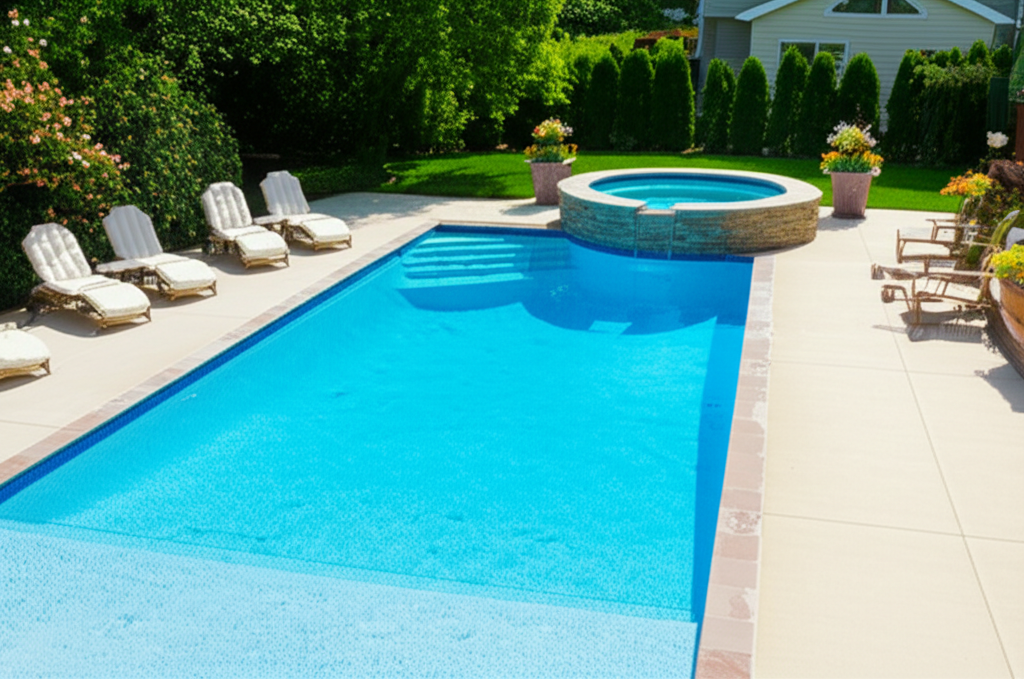
Inground pool cost is a significant consideration for many homeowners dreaming of a backyard oasis. While the idea of a crystal-clear haven just steps from your door is enticing, the sticker shock associated with installation and ongoing maintenance can often deter even the most enthusiastic prospective owner. However, with careful planning, strategic choices, and a keen understanding of both initial outlay and long-term upkeep, significant savings can be unearthed, making the dream of an inground pool more attainable and affordable than you might think.
Deconstructing the Inground Pool Cost: Initial Investment
The initial inground pool cost is typically what first comes to mind. This encompasses everything from excavation to the final touches of your new aquatic feature. It’s a multi-faceted expense, and understanding each component is crucial for crafting a realistic pool budget.
1. Pool Type: The material and construction method greatly influence the upfront price.
Fiberglass Pools: Generally the quickest to install and often a mid-range initial cost. They arrive pre-formed and require less labor on-site.
Vinyl Liner Pools: Often the most budget-friendly option initially. They consist of a steel or polymer wall system lined with a custom-fit vinyl membrane.
Concrete (Gunite/Shotcrete) Pools: While the most customizable and durable, these typically represent the highest initial investment due to intensive labor, material costs, and longer construction times.
2. Size and Shape: Larger pools naturally require more materials and labor. Complex, custom shapes also drive up the price compared to standard rectangles or ovals.
3. Features and Accessories: This is where personal preferences can significantly impact your pool budget.
Decking: Materials like concrete, pavers, or natural stone range widely in price.
Water Features: Waterfalls, jets, and slides add aesthetic appeal but also cost.
Lighting: Standard lighting versus LED or fiber optic systems.
Heating: Gas heaters, electric heat pumps, or solar systems each have different installation and operating costs.
Automation Systems: Smart controls for pumps, lights, and sanitation offer convenience but add to the initial investment.
4. Permits and Site Preparation: Don’t forget local building permits, excavation, and any necessary grading or landscaping around the pool area.
Beyond Installation: Understanding Ongoing Inground Pool Cost
The initial build is just one piece of the financial puzzle. Ongoing expenses are crucial for a truly sustainable pool budget. Many pool owners underestimate these costs, leading to unexpected financial strain down the line.
1. Utilities:
Electricity: Powering the pump, filter, heater, and lights. Energy-efficient equipment can make a substantial difference here.
Water: Filling the pool and topping it off due to evaporation or splash-out.
2. Chemicals: Maintaining water balance and sanitation (chlorine, pH adjusters, alkalinity increasers, shock treatments) is a constant expense.
3. Maintenance and Cleaning: This is a recurring task that can either be a time commitment or a financial one. Regular brushing, skimming, vacuuming, and filter cleaning are essential. If you prefer professional assistance, scheduling consistent pool cleaning services can ensure your pool remains pristine and healthy. A well-maintained pool often prevents more costly future repairs.
4. Repairs and Replacements: Equipment breaks down. Liners need replacing. Pumps wear out. Having a contingency fund for these unexpected repairs is a smart move.
5. Insurance: Your homeowner’s insurance policy may increase once an inground pool is added, reflecting the increased liability.
Smart Strategies for Stunning Savings on Your Pool Budget
Now for the exciting part: how to significantly reduce both your initial and ongoing inground pool cost.
1. Strategic Planning and Design:
Choose the Right Type: If budget is paramount, vinyl liner pools offer excellent value. For a long-term investment with less maintenance, fiberglass might be a better fit, even if the upfront cost is slightly higher than vinyl.
Simplify Features: While tempting, every bell and whistle adds to the cost. Prioritize features that genuinely enhance your experience and avoid those that are purely aesthetic if you’re on a tight pool budget.
Optimal Sizing and Location: A smaller pool requires less water, fewer chemicals, and less electricity. Consider solar exposure for natural heating and reducing the need for costly heaters.
DIY Where Possible (Safely): If you’re handy, you might tackle some landscaping or fencing yourself, saving on labor costs. However, always leave critical plumbing, electrical, and structural work to professionals.
2. Optimizing Ongoing Expenses with Smart Choices:
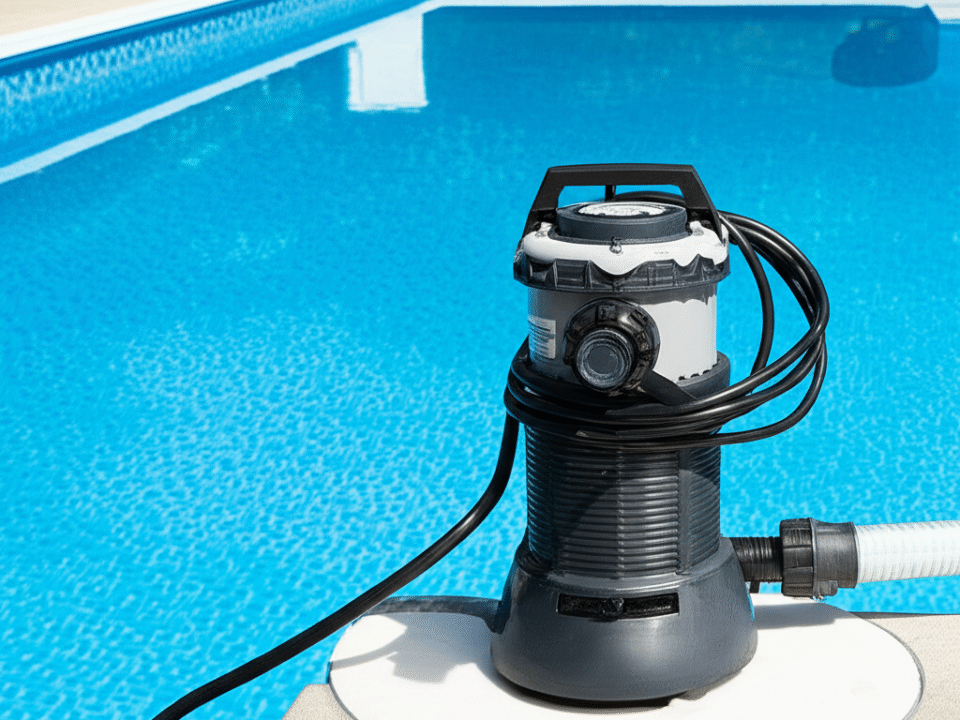
Energy-Efficient Equipment: Invest in a variable-speed pump, a larger filter to reduce run times, and an efficient heater (or even a solar cover). The slightly higher upfront cost for these items will pay dividends in lower utility bills over the pool’s lifespan.
Smart Chemical Management: Use a test kit regularly to avoid over-dosing chemicals. Automatic chemical feeders can also help maintain balance more efficiently. Proper chemistry not only saves money but also extends the life of your pool equipment and surface.
Regular, Proactive Maintenance: This is perhaps one of the most significant areas for long-term savings. Ignoring pool cleaning services and minor issues can quickly escalate into major, expensive repairs. Whether you do it yourself or hire professionals, consistent care prevents problems. For comprehensive and reliable pool cleaning services that can keep your pool in top condition, consider entrusting your pool care to experts who can handle everything from routine cleaning to chemical balancing. This proactive approach saves money in the long run by preventing serious issues.
Pool Cover: A good solid or automatic safety cover drastically reduces evaporation (saving water and chemicals) and heat loss, significantly cutting heating costs and keeping debris out.
Beyond the Numbers: The Value of an Inground Pool
While inground pool cost is a primary concern, it’s vital to remember the immense value an inground pool adds. It enhances your lifestyle, providing a convenient escape for relaxation, exercise, and quality family time. It can also significantly increase your property value and curb appeal, often yielding a good return on investment when you decide to sell your home.
In conclusion, turning the dream of an inground pool into a reality doesn’t have to break the bank. By meticulously planning your pool budget, making intelligent choices about materials and features, and committing to proactive, energy-efficient maintenance, you can reveal stunning savings and enjoy your aquatic paradise for years to come.