Pool Equipment Pad: Stunning & Effortless Setup
July 2, 2026
Poolside Shade: Stunning, Effortless Style
July 8, 2026
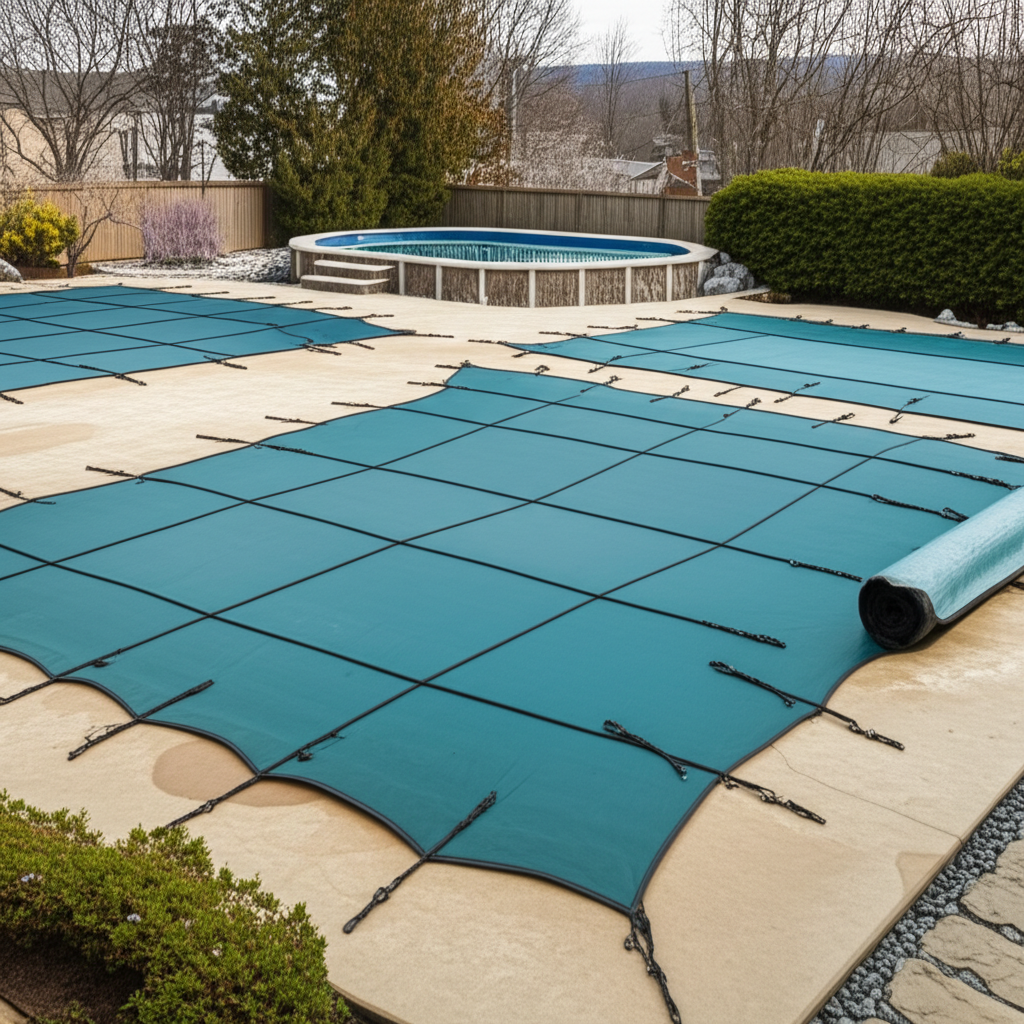
- Why Winterize Your Pool? The Foundation of Safety
- The Importance of Pool Cover Types for Enhanced Winter Safety
- 1. Mesh Safety Covers
- 2. Solid Safety Covers
- 3. Automatic Pool Covers
- 4. Winter Tarps (Basic Winter Covers)
- 5. Solar Covers (Not for Winter Safety)
- Choosing the Right Pool Cover for Your Winter Safety Needs
- Beyond the Cover: Comprehensive Winter Pool Care
Pool Cover Types are more than just accessories; they are critical components in ensuring the safety and longevity of your swimming pool, especially during the harsh winter months. As temperatures drop and the swimming season ends, properly securing your pool becomes paramount for safeguarding loved ones, protecting your pool’s structure, and maintaining water quality. This comprehensive guide will explore the various types of pool covers available and highlight their unique benefits for ultimate winter safety and protection.
Why Winterize Your Pool? The Foundation of Safety
Winterizing your pool isn’t just about closing it down; it’s a strategic move to protect your investment and ensure a smooth reopening in spring. Without proper winterization, freezing water can damage plumbing, filters, and the pool shell itself, leading to costly repairs. More critically, an uncovered or poorly covered pool poses a significant safety hazard, especially for children and pets, who might accidentally fall in. A high-quality winter pool cover acts as the primary line of defense against these dangers, offering peace of mind throughout the off-season.
The Importance of Pool Cover Types for Enhanced Winter Safety
Choosing the right pool cover is crucial for effective winter safety. Not all covers are created equal, and understanding their differences will help you make an informed decision for your specific needs and local climate.
1. Mesh Safety Covers
Mesh safety covers are engineered with tightly woven mesh material that allows water to drain through but keeps debris out. Their key feature is their strong, trampoline-like design, which is anchored securely into the deck with springs and straps.
Pros: Exceptional safety, preventing accidental drowning by creating a taut barrier strong enough to support the weight of a person or animal. They are lightweight, easy to store, and allow melted snow to pass through, avoiding large water accumulation on the surface.
Cons: Because they allow water through, sunlight can also penetrate, potentially leading to algae growth in the pool water over winter. This means your initial pool cleaning in spring might require a bit more effort.
Ideal For: Families with children or pets, homeowners prioritizing robust safety over pristine water clarity, and those in areas with heavy snowfall.
2. Solid Safety Covers
Solid safety covers are similar in design to mesh covers, featuring the same secure anchoring system, but they are made from a solid vinyl material.
Pros: Offer superior protection against debris, dirt, and sunlight. By blocking UV rays, they significantly reduce algae growth, leading to clearer water and less intensive pool cleaning when spring arrives. They also prevent any water or melted snow from entering the pool.
Cons: Since water cannot drain through, solid covers typically come with a submersible pump to remove standing water, leaves, and debris that accumulate on top. This requires occasional monitoring and maintenance throughout the winter.
Ideal For: Those who want to prevent algae growth and minimize spring startup efforts, and anyone looking for the highest level of debris protection.
3. Automatic Pool Covers
Automatic covers are the most convenient and luxurious option, offering year-round protection activated with the push of a button. These covers typically consist of a durable vinyl material that glides on tracks along the pool’s edge.
Pros: Unparalleled convenience and top-tier safety. When closed, they form a solid barrier that prevents accidental entry, keeps debris out, and significantly reduces evaporation. This helps maintain consistent water levels and chemical balance. They provide excellent winterization benefits by sealing off the pool entirely.
Cons: Higher initial investment and potential for mechanical issues, though modern systems are highly reliable.
Ideal For: Homeowners seeking maximum convenience, daily safety, and energy savings, willing to invest in a premium solution.
4. Winter Tarps (Basic Winter Covers)
These are often the most economical option, typically made from polyethylene material and secured with water bags or anchors around the perimeter of the pool.
Pros: Affordable and effective at keeping large debris out of the pool water.
Cons: They are not considered safety covers as they cannot support significant weight and pose a drowning risk if someone falls onto them. They also tend to sag under the weight of rain and snow, often requiring a pool pump to remove accumulated water. Their lifespan is generally shorter than safety covers.
Ideal For: Those on a strict budget who understand their limitations regarding safety, and who are willing to manually manage water accumulation on the cover.
5. Solar Covers (Not for Winter Safety)
It’s important to clarify that while solar covers are excellent for heating water and reducing evaporation during the swimming season, they offer no winter safety or debris protection. They are simply floating sheets of bubble-wrap-like material and should be removed and stored before winterizing your pool.
Choosing the Right Pool Cover for Your Winter Safety Needs
When deciding among the various pool cover types, consider the following factors:
Safety Priority: If you have children, pets, or frequent visitors, a mesh or solid safety cover (or an automatic cover) is non-negotiable.
Budget: Basic winter tarps are cheapest, followed by mesh and solid safety covers, with automatic covers being the largest investment.
Climate & Debris: If you live in an area with heavy leaves or abundant debris, a solid cover will keep your water cleaner. If you have significant snowfall, a mesh cover might be easier to manage as it allows snowmelt to pass through.
Maintenance Level: How much effort are you willing to put into maintaining the cover over winter? Solid covers with pumps require more attention than mesh covers.
* Ease of Use: Automatic covers offer unparalleled ease, while traditional safety covers require manual installation and removal.
Beyond the Cover: Comprehensive Winter Pool Care
While selecting the appropriate pool cover is the cornerstone of winter safety, it’s part of a larger winterization strategy. Proper water chemistry balancing, draining of plumbing lines, and winterizing pool equipment are all vital steps.
If you’re unsure about the best approach for your pool or need assistance with professional pool cleaning services, don’t hesitate to reach out to experts. For comprehensive pool cleaning services and expert winterization advice, visit https://californiabluepool.com. Our team can help ensure your pool is properly prepared for the off-season, protecting your investment and ensuring a sparkling, safe start next spring. Engaging professionals for tasks like professional pool maintenance and winterization can save you time, effort, and potential repair costs in the long run.
Ultimately, investing in the right pool cover is an investment in peace of mind. By carefully considering the different pool cover types and their benefits for winter safety, you can ensure your pool remains secure, protected, and ready to welcome another season of enjoyment when warm weather returns.