CPR: Crucial Poolside First Aid Saves Lives
July 22, 2026
Pool Leak Detection: Quick & Easy Fixes
July 25, 2026
- Why Swimming Lessons Are Non-Negotiable for Child Safety
- The Journey Begins: Water Acclimation
- Core Skills Taught in Comprehensive Swimming Lessons
- Beyond the Basics: Advanced Skills and Continued Water Safety
- Choosing the Right Program for Swimming Lessons
- The Lifelong Impact: Happy and Safe Kids
Swimming Lessons: The Foundation for Lifelong Water Safety and Joy
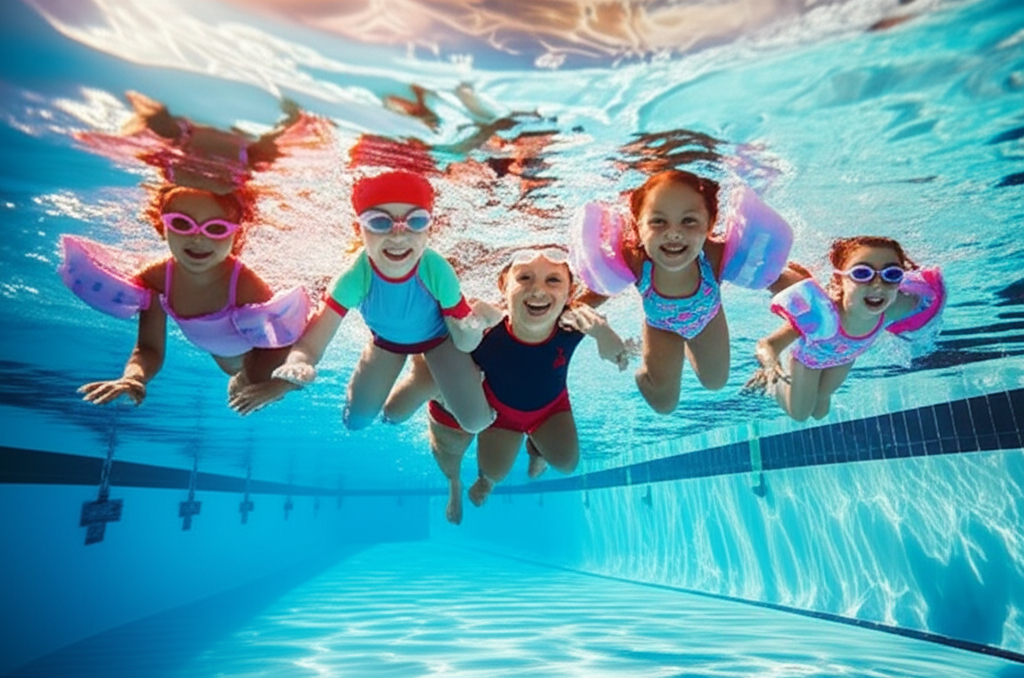
Swimming Lessons are unequivocally one of the most vital investments parents can make in their child’s safety and development. In a world where water activities are a significant part of recreation, equipping children with the skills and confidence to navigate aquatic environments is paramount. More than just a leisure activity, learning to swim is a life skill that drastically reduces the risk of drowning, which remains a leading cause of accidental death in young children. Beyond safety, swimming fosters physical fitness, builds confidence, and introduces children to a world of fun and healthy recreation.
Why Swimming Lessons Are Non-Negotiable for Child Safety
The statistics surrounding childhood drowning are sobering, highlighting the critical need for proactive measures. Drowning can happen silently and quickly, even in shallow water. Formal swimming lessons provide children with the essential skills to react safely if they unexpectedly fall into water or find themselves in a challenging situation. These lessons teach vital techniques such as breath control, floating, treading water, and how to reach safety, which are foundational for survival. Early exposure, even for infants, can significantly reduce the risk.
The Journey Begins: Water Acclimation
One of the first and most critical steps in any swimming program is Water Acclimation. This gentle introduction helps children become comfortable and confident in the water before they even begin to learn formal strokes. For many children, their first experience with a large body of water can be intimidating. Water acclimation focuses on making the aquatic environment a positive and familiar place.
During water acclimation, children learn basic yet crucial concepts like:
Getting comfortable with their face in the water: Blowing bubbles, dunking their heads, and opening their eyes underwater are all part of building comfort.
Understanding buoyancy: Learning to float on their front and back with support, helping them feel secure in the water.
Entering and exiting the water safely: Teaching them how to get in and out of the pool independently and securely.
Developing breath control: Mastering the ability to hold their breath and breathe out systematically.
This initial phase is about fostering a sense of ease and overcoming any apprehension, laying a strong psychological foundation for the more complex skills that follow in Swimming Lessons. Without proper acclimation, children may struggle with fear, hindering their ability to learn and progress effectively.
Core Skills Taught in Comprehensive Swimming Lessons
Once a child is comfortable with water acclimation, swimming lessons progress to teaching a range of practical skills designed for safety and proficiency:
Rhythmic Breathing: Moving beyond simply holding breath, children learn to coordinate their breathing with their strokes, which is essential for endurance and comfort in the water.
Floating (Front and Back): The ability to float comfortably without aid is a crucial survival skill, allowing a child to rest and conserve energy if they become tired or disoriented.
Submersion and Streamlining: Learning to submerge fully and push off underwater with good body position helps with initial propulsion and efficiency.
Entry and Exit Techniques: Reinforcing safe ways to enter the water (e.g., sitting and sliding, using steps) and exit independently.
Propulsion Techniques: Developing arm and leg movements (kicking, pulling) to move through the water effectively.
Basic Strokes: Typically, children begin with fundamental strokes like freestyle (front crawl) and backstroke, which are excellent for developing coordination and strength.
Water Safety Rules: Understanding rules like never swimming alone, asking for permission, and knowing where the shallow and deep ends are.
Beyond the Basics: Advanced Skills and Continued Water Safety
Swimming lessons aren’t a one-and-done experience. As children grow and their abilities develop, advanced lessons offer further benefits. These might include learning additional strokes like breaststroke and butterfly, improving stamina and endurance for longer swims, and even introductory rescue skills (like reaching and throwing aids without entering the water, appropriate for older children).
It’s vital for parents to remember that even after formal lessons, constant adult supervision is non-negotiable whenever children are in or near water. Swimming skills are a layer of protection, not a substitute for vigilant oversight.
Choosing the Right Program for Swimming Lessons
Selecting the right swimming program is crucial for a positive and effective learning experience. Here are key factors to consider:
Qualified and Certified Instructors: Ensure instructors are certified in CPR, First Aid, and have specific training in teaching children’s swimming. Experience and a patient, engaging teaching style are also important.
Age-Appropriate Curriculum: A good program will offer classes tailored to different age groups and skill levels, recognizing that learning paces vary.
Small Class Sizes: Smaller groups allow for more individualized attention and feedback from the instructor.
Facility Environment: Look for a comfortable and safe environment. This includes appropriate water temperature, clear signage, and necessary safety equipment readily available. Choosing a facility with a well-maintained and clean pool is also paramount for health and safety. Facilities that prioritize regular pool cleaning services ensure a hygienic environment for all learners, preventing waterborne illnesses and maintaining optimal water quality.
Parental Involvement: Some programs encourage or require parental presence, especially for very young children, fostering a sense of security and allowing parents to reinforce skills.
The Lifelong Impact: Happy and Safe Kids
The benefits of Swimming Lessons extend far beyond safety. They contribute significantly to a child’s overall well-being. Physically, swimming is a full-body workout that improves cardiovascular health, strength, and coordination without impact stress. Mentally, mastering new skills builds self-esteem, perseverance, and discipline. The ability to swim opens doors to a wide array of aquatic sports and activities, from snorkeling and surfing to competitive swimming, enriching a child’s life with healthy hobbies and social opportunities.
In conclusion, enrolling children in comprehensive swimming lessons, starting with crucial water acclimation, is an act of love and foresight. It provides them with an essential safety net, fosters physical and mental development, and opens the door to a lifetime of water enjoyment. By prioritizing these lessons, parents empower their children to be confident, competent, and ultimately, happy and safe in and around water.