VGB Act Compliance: Crucial Drain Safety
July 19, 2026Swimming Lessons: Ultimate Safety for Happy Kids
July 23, 2026
- The Silent Threat: Understanding Drowning and Its Urgency
- Understanding CPR: The Core of Poolside First Aid
- Beyond CPR: Essential Poolside First Aid Skills
- Preparation is Key: Creating a Safe Pool Environment
- Getting Trained: Empower Yourself
- Conclusion
CPR, or Cardiopulmonary Resuscitation, is a fundamental life-saving technique that can make the difference between life and death in an emergency, especially around water. When someone collapses, stops breathing, or suffers a cardiac arrest, immediate action is paramount. Around pools, where drowning is a constant, silent threat, knowing how to perform poolside first aid including CPR isn’t just a good idea – it’s an essential skill that saves lives. This article delves into the critical importance of CPR and other vital first aid knowledge for anyone who owns, uses, or supervises a pool.
The Silent Threat: Understanding Drowning and Its Urgency
Drowning isn’t always the dramatic, splashing event depicted in movies. Often, it’s silent and quick, especially with children. A person struggling to breathe underwater may be unable to call for help or wave their arms. Brain damage can occur in just a few minutes after oxygen deprivation, making immediate intervention the key to a positive outcome. Poolside incidents can range from accidental falls and slips to more severe medical emergencies like heart attacks, but drowning remains the most significant concern. Learning to recognize the signs of distress quickly and having a plan of action is the first step in effective poolside safety.
Understanding CPR: The Core of Poolside First Aid
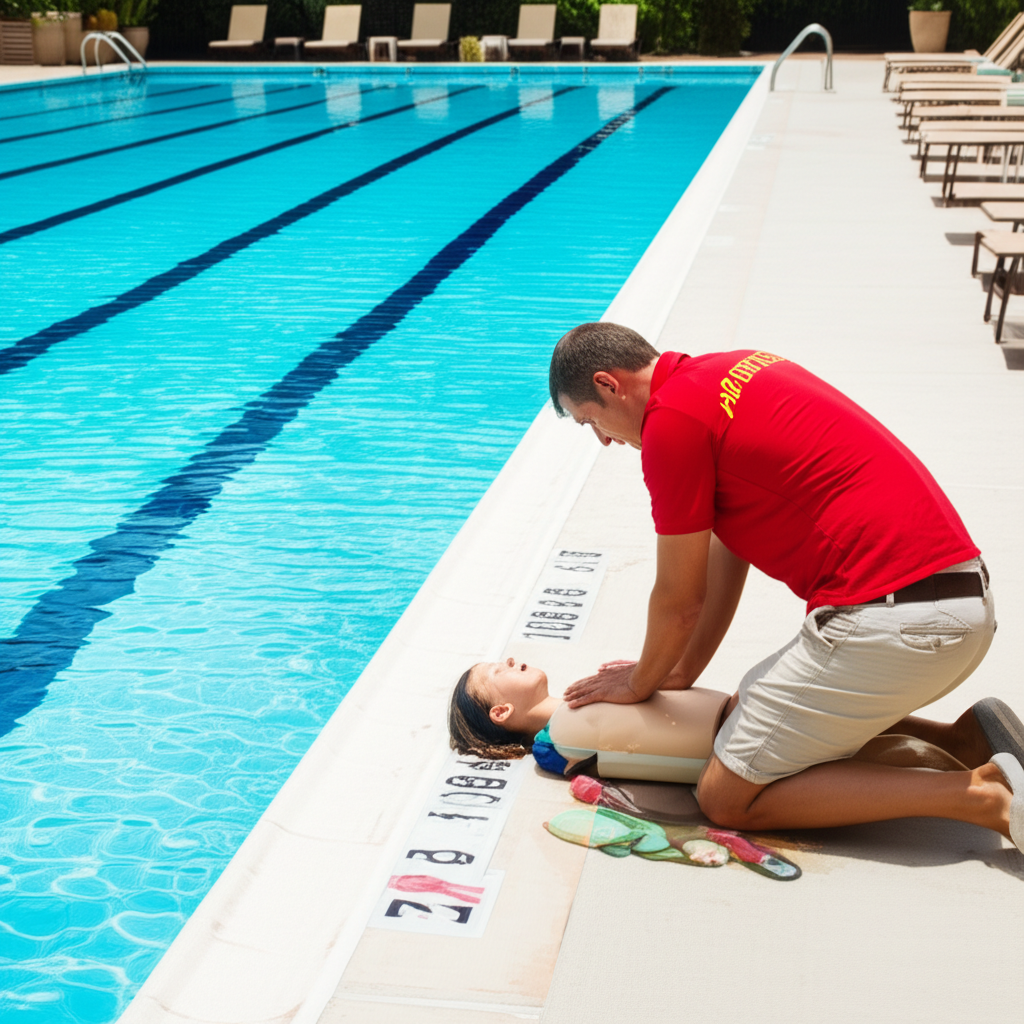
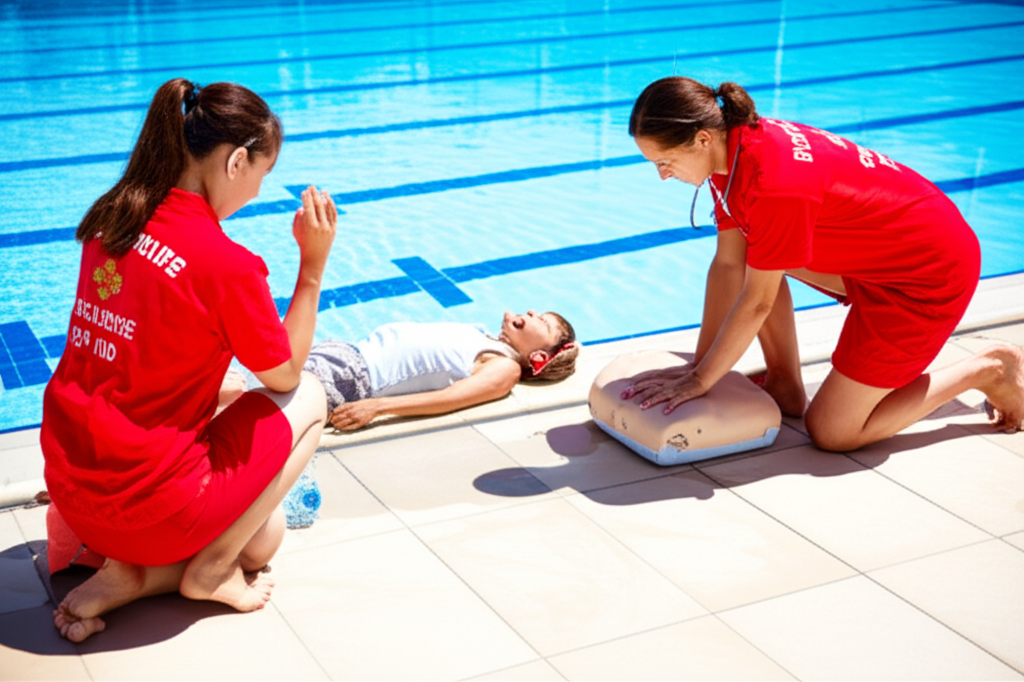
CPR is a critical emergency procedure that combines chest compressions with artificial ventilation to maintain brain function until further measures are taken. For drowning victims, who suffer from oxygen deprivation, the prompt delivery of oxygen (via rescue breaths) combined with blood circulation (via chest compressions) is absolutely vital.
Here’s a basic overview of what CPR entails and why it’s so important in a poolside emergency:
Assessment: The very first step is to check for responsiveness and breathing. Tap the person and shout. Look, listen, and feel for breath. If they are unresponsive and not breathing normally (or only gasping), it’s time to act.
Call for Help: Immediately dial 911 (or your local emergency number). If there’s another person present, designate them to make the call and retrieve an AED if one is available.
Compressions: Begin chest compressions without delay. Place the heel of one hand on the center of the chest, then place the heel of your other hand on top of the first. Push hard and fast, at a rate of 100-120 compressions per minute, to a depth of at least 2 inches for adults. For children, the depth is about 1.5-2 inches, and for infants, about 1.5 inches using two fingers.
Rescue Breaths (for conventional CPR): After 30 compressions, deliver two rescue breaths. Tilt the head back slightly, lift the chin, pinch the nose shut, and make a complete seal over the person’s mouth. Each breath should last about one second and make the chest rise. For drowning victims, rescue breaths are particularly important because the primary problem is a lack of oxygen.
Continue: Alternate 30 compressions with 2 breaths until emergency medical services arrive, the person shows signs of life, or an AED is ready to use.
While hands-only CPR (compressions only) is effective for sudden cardiac arrest, conventional CPR with rescue breaths is specifically recommended for drowning victims and children, as oxygen deprivation is the initial cause of their emergency. Getting proper training will teach you the nuances and optimal techniques for each scenario.
Beyond CPR: Essential Poolside First Aid Skills
While CPR is paramount, a comprehensive approach to poolside first aid involves knowledge beyond just resuscitation:
Recognizing Other Emergencies: Be aware of signs of heatstroke (red, hot, dry skin; altered mental state), allergic reactions, cuts, scrapes, and head or spinal injuries (especially if someone falls or dives incorrectly).
Stabilizing Injuries: If a spinal injury is suspected (e.g., from a dive into shallow water), it’s crucial to minimize movement of the head, neck, and back while awaiting professional help.
Managing Bleeding: Minor cuts are common around pools. Know how to apply direct pressure and elevate the wound to control bleeding. Keep a well-stocked first-aid kit readily accessible.
Hypothermia/Hyperthermia: Be prepared for both extreme cold and heat. Ensure easy access to shade, water, and towels.
Preparation is Key: Creating a Safe Pool Environment
Effective poolside first aid starts long before an emergency occurs. A proactive approach to safety significantly reduces risks:
Active Supervision: Never leave children unattended, even for a moment. Designate a “water watcher” who is solely responsible for supervision. Avoid distractions like phones or books.
Secure Fencing and Gates: Install a four-sided fence around your pool with self-latching, self-closing gates at least 4 feet high.
Safety Equipment: Keep life rings, rescue tubes, or a shepherd’s crook readily accessible. These tools can help you reach someone in distress without entering the water yourself.
Clear and Clean Surroundings: Maintain a clear, uncluttered pool deck to prevent tripping hazards. Ensure pool surfaces are clean to reduce slippery spots. Regular pool cleaning services not only ensure hygienic water but also contribute to overall safety by keeping surrounding areas free from algae and debris that can cause slips and falls, a service that professional experts like those at California Blue Pool excel at. Having your pool professionally serviced can prevent many issues before they become emergencies.
Emergency Contact Information: Post emergency numbers near the pool phone or have them programmed into your mobile device.
First-Aid Kit: A waterproof, comprehensive first-aid kit should be easily accessible, containing bandages, antiseptic wipes, pain relievers, and any personal medications.
Getting Trained: Empower Yourself
The single most empowering step you can take is to get certified in CPR and first aid. Organizations like the American Red Cross and the American Heart Association offer courses that provide hands-on training and critical knowledge. These courses cover:
Recognizing emergencies.
Performing CPR for adults, children, and infants.
Using an Automated External Defibrillator (AED).
Administering first aid for common injuries and illnesses.
Choking relief techniques.
Regular refresher courses are essential to keep your skills sharp and up-to-date with the latest guidelines. The confidence gained from knowing you can act decisively in a crisis is immeasurable.
Conclusion
The presence of a pool brings immense joy and relaxation, but it also carries significant responsibilities. Equipping yourself with the knowledge of CPR and comprehensive poolside first aid is not just an option; it’s a moral imperative for anyone who spends time around water. By understanding the urgent nature of drowning, mastering core life-saving techniques, preparing your pool environment with proper safety measures and maintaining it with professional attention, and committing to ongoing training, you become a crucial link in the chain of survival. Your quick thinking and skilled action have the power to turn a potential tragedy into a successful rescue, truly fulfilling the promise that crucial poolside first aid saves lives.