
Vinyl Liner Patch: Quick, Effortless Pool Leak Fix
July 26, 2026
- The Vital Role of Your Pump Motor
- Identifying Common Motor Issues
- Expert Solutions for Pump Troubleshooting
- 1. Always Start with the Power Supply
- 2. Investigating Capacitor Problems
- 3. Addressing Internal Motor Issues
- 4. The Impact of Pump-Side Problems on the Motor
- When to Call the Professionals for Your Pool Pump
- Preventing Future Motor Issues: Proactive Maintenance
Pump Troubleshooting can be a daunting task, especially when faced with persistent motor issues that hinder your system’s performance. Whether it’s a pool pump, an irrigation system, or any other application relying on a robust pump, a malfunctioning motor can quickly turn a minor inconvenience into a major headache. Understanding the common culprits behind these failures and knowing how to approach them can save you time, money, and frustration. This guide will delve into expert solutions for getting your pump back in prime working condition.
The Vital Role of Your Pump Motor
The motor is the heart of any pump system, converting electrical energy into mechanical energy to drive the impeller and move water or other fluids. In many homes, particularly those with swimming pools, the pump motor works tirelessly to circulate water, facilitating filtration and chemical distribution, which are crucial for maintaining water quality. When this essential component malfunctions, it impacts the entire system. Understanding the signs of a struggling motor is the first step in effective diagnosis and repair.
Identifying Common Motor Issues
Various symptoms can indicate your pump motor is experiencing problems. Recognizing these signs early can prevent more severe damage and costly repairs.
Failure to Start: The pump simply won’t turn on, or it may hum loudly without any rotation of the impeller. This is a classic sign of an electrical or mechanical blockage.
Overheating Motor: The motor casing feels excessively hot to the touch, or the motor might sporadically shut down due to its thermal overload protector.
Loud Noises or Vibrations: Unusual grinding, humming, squealing, or rattling sounds, along with excessive vibration, often point to internal mechanical wear or obstructions.
Tripping Circuit Breaker: The pump causes the circuit breaker to trip repeatedly, indicating an electrical overload or a short circuit within the motor or wiring.
Loss of Power or Intermittent Operation: The pump runs erratically, loses power during operation, or struggles to maintain its normal flow rate.
Expert Solutions for Pump Troubleshooting
Once you’ve identified a symptom, the next step is to methodically troubleshoot the underlying cause. Here are some expert solutions for common motor issues:
1. Always Start with the Power Supply
Before diving into complex diagnostics, always check the basics.
Check the Circuit Breaker: A tripped breaker is the most common reason for a pump not starting. Reset it. If it trips again immediately, there’s likely an electrical fault that needs professional attention.
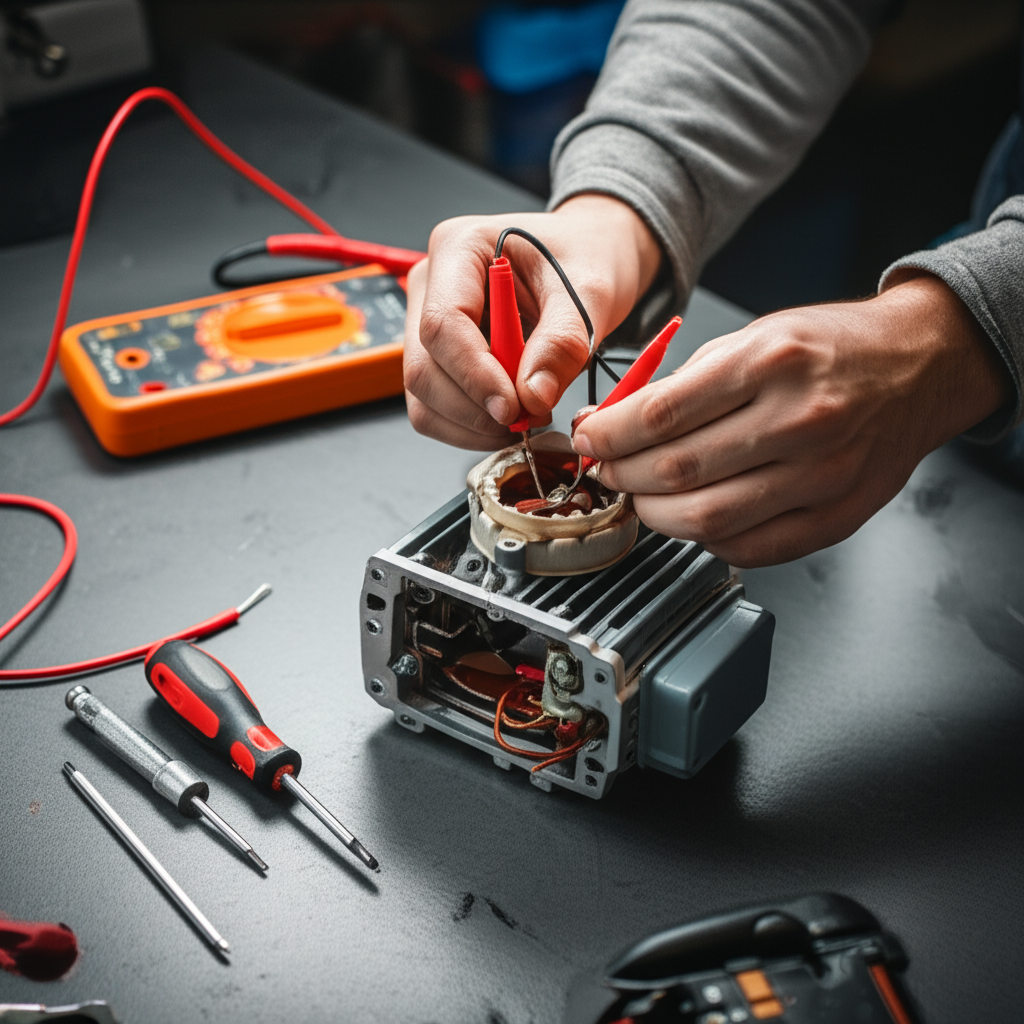
Verify Voltage: Use a multimeter to ensure the pump is receiving the correct voltage at the terminals. Incorrect voltage (too high or too low) can damage the motor.
Inspect Wiring Connections: Loose or corroded wiring connections can prevent power from reaching the motor or create resistance, leading to overheating. Always ensure the power is off before inspecting wiring.
2. Investigating Capacitor Problems
Capacitors are vital electrical components in many pump motors, providing a boost to start the motor and maintain its efficiency.
Start Capacitor Failure: If the motor hums but doesn’t start, a faulty start capacitor is a common culprit. These look like small cylindrical components attached to the motor. A bulging or leaky capacitor is a strong indicator of failure and needs replacement.
Run Capacitor Problems: Some motors also have run capacitors, which help maintain efficient operation. A failing run capacitor can lead to overheating or reduced performance. Replacing capacitors should be done with care, as they can store a significant electrical charge even when the power is off.
3. Addressing Internal Motor Issues
Deeping inside the motor itself requires more mechanical expertise.
Bearing Failure: Grinding, squealing, or rattling noises often point to worn-out bearings. These allow the motor’s rotor to spin smoothly. Over time, bearings can wear out, especially if exposed to moisture or extreme heat. Replacing bearings is a delicate process, often requiring specialized tools.
Motor Overload & Thermal Cutout: If your motor frequently shuts off after running for a while, it’s likely hitting its thermal overload protector. This can be due to poor ventilation, restricted water flow (causing the motor to work harder), or internal electrical problems that cause excessive heat. Ensure the motor has adequate airflow and check for any blockages in the pump’s plumbing that might be overworking the motor.
Winding Issues: Less common but more severe, internal winding shorts or failures can cause immediate breaker trips, excessive heat, or complete motor failure. Diagnosing winding issues typically requires specialized equipment and expertise.
4. The Impact of Pump-Side Problems on the Motor
Sometimes, the motor issues stem from problems within the pump assembly itself.
Impeller Obstructions: Debris caught in the impeller (leaves, hair, small stones) can prevent it from spinning freely, forcing the motor to work harder. This increased load can cause overheating or even prevent the motor from starting. Always turn off power before inspecting the impeller.
Shaft Seal Leaks: A leaking shaft seal allows water to seep into the motor’s wet end, potentially damaging bearings and other internal components. If you notice water dripping from beneath the motor, an immediate seal replacement is necessary to protect the motor.
When to Call the Professionals for Your Pool Pump
While some basic troubleshooting can be performed by a homeowner, many motor issues involve high voltage electricity, specialized tools, and intricate mechanical repairs. Attempting complex repairs without proper knowledge and experience can be dangerous and lead to further damage.
If you’re dealing with consistent electrical problems, persistent overheating, or if you’re uncomfortable performing any of the diagnostic steps, it’s always best to consult with experts. For homeowners with swimming pools, ensuring your pool pump operates efficiently is vital for clean and hygienic water. Seeking professional assistance for any significant pump or motor issue not only ensures safety but also guarantees the repair is done correctly, prolonging the life of your equipment. For reliable and expert solutions related to your pool’s performance, considering professional pool cleaning services or pump repair specialists can provide peace of mind and maintain your oasis.
Preventing Future Motor Issues: Proactive Maintenance
Prevention is always better than cure. Regular maintenance can significantly extend the life of your pump motor.
Keep the Motor Clean: Ensure the motor’s exterior is free from dirt, dust, and debris that can impede airflow and lead to overheating.
Ensure Proper Ventilation: Make sure the motor has plenty of space around it for air circulation. Do not enclose it in tight, unventilated spaces.
Monitor Water Flow: Regularly check that your pump’s basket and skimmer are clean to ensure unrestricted water flow. Low flow can overwork the motor.
Address Leaks Promptly: Fix any leaks around the pump or plumbing immediately to prevent water intrusion into the motor.
Annual Check-ups: Consider having a professional conduct an annual inspection of your pump and motor, especially for critical systems like pool pumps or well pumps.
By understanding the common signs of motor issues, systematically troubleshooting problems, and knowing when to call in the experts, you can ensure your pump systems run efficiently and reliably for years to come. Proactive maintenance truly is the key to longevity.