Pump Troubleshooting: Expert Solutions for Motor Issues
July 28, 2026Weak Jets: Quick Fix for Frustrating Pool Problems
July 31, 2026
- Why Your Pool Heater is a Must-Have
- Common Signs Your Pool Heater Needs Attention
- Before You Begin: Safety First and Basic Checks
- Heater Troubleshooting: Pilot Light Issues & Other Common Problems
- 1. Pilot Light and Ignition System (Gas Heaters)
- 2. Insufficient Water Flow (Applicable to All Heaters)
- 3. Thermostat and Control Panel Issues
- 4. Ignition Problems (For Gas Heaters with Electronic Ignition)
- 5. Air in the System
- When to Call a Professional
- Preventative Maintenance to Keep Your Heater Running Smoothly
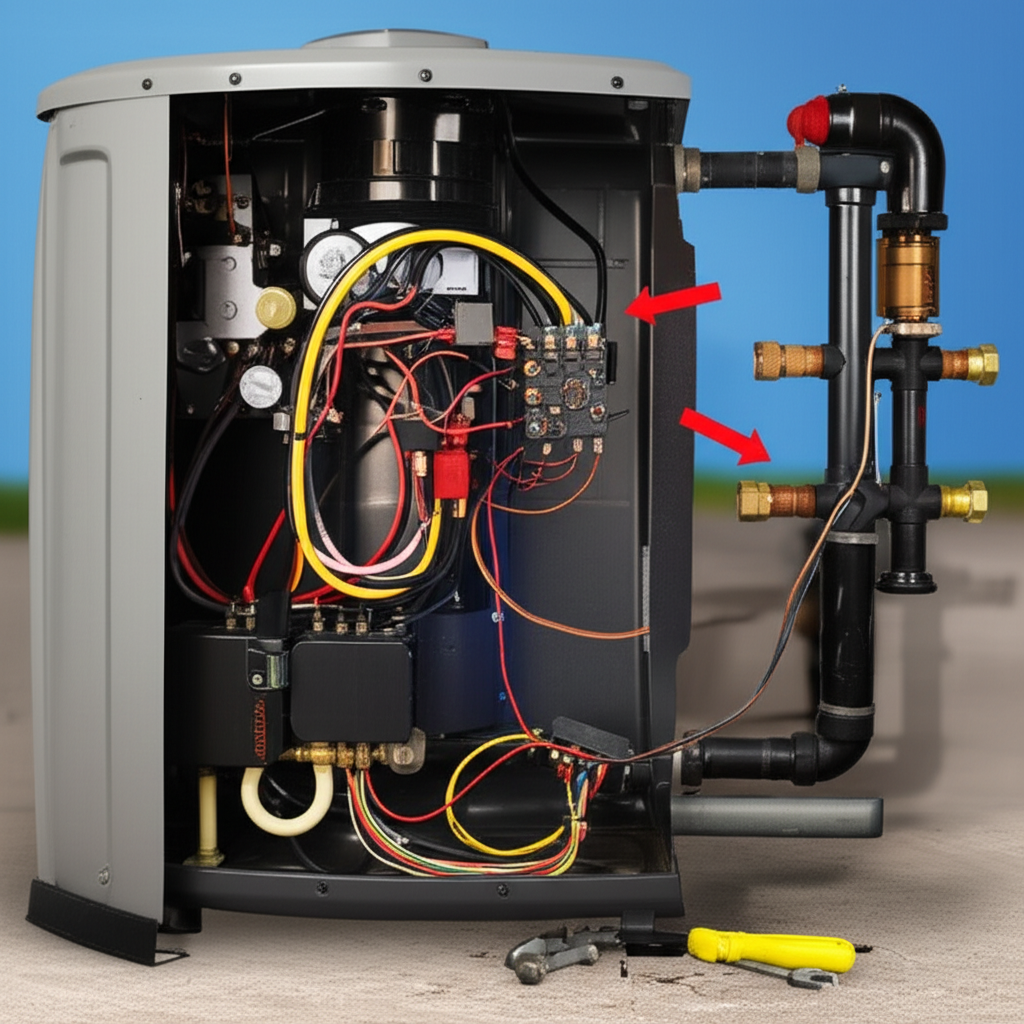
Heater Troubleshooting can often feel like a daunting task for any pool owner when their warm oasis suddenly turns chilly. A malfunctioning pool heater not only puts a damper on your swimming plans but can also be a source of frustration and unexpected expense. Before you reach for the phone to call a professional, many common pool heater issues have surprisingly simple solutions you can tackle yourself. This guide will walk you through essential, easy fixes to get your pool heater back in top shape, saving you time and money.
Why Your Pool Heater is a Must-Have
For many, a swimming pool is an investment in relaxation and leisure. While a cold dip can be invigorating for some, the true joy of a pool often comes from its inviting warmth, especially during cooler months or early mornings. A well-functioning pool heater extends your swimming season, enhances comfort, and maximizes your enjoyment. When it falters, understanding the basics of diagnosis can make all the difference.
Common Signs Your Pool Heater Needs Attention
Before diving into fixes, it’s helpful to recognize the symptoms of a troubled heater:
No Heat Production: The most obvious sign – your pool simply isn’t getting warm.
Insufficient Heating: The heater runs, but the water doesn’t reach the desired temperature.
The Pilot Light Repeatedly Goes Out (Gas Heaters): This is a specific and frustrating issue that often points to a few common culprits.
Error Codes on the Digital Display: Your heater might be trying to tell you something with a specific alphanumeric code.
Unusual Noises: Clicks, hums, or grinding sounds that weren’t there before.
Frequent Cycling On and Off: The heater starts, runs for a short period, then shuts down.
Before You Begin: Safety First and Basic Checks
Always prioritize safety. Before attempting any troubleshooting, ensure the following:
1. Turn Off Power: For electric heaters, switch off the breaker at your main electrical panel. For gas heaters, turn off the gas supply valve and the heater’s main power switch.
2. Inspect Gas Supply (Gas Heaters): Ensure the gas valve leading to the heater is fully open. Sometimes, a partially closed valve can starve the heater of fuel.
3. Check Breaker (Electric Heaters): Verify that the circuit breaker for your pool heater hasn’t tripped.
4. Confirm Water Flow: Your heater requires sufficient water flow to operate safely. Ensure your pump is running, skimmer and pump baskets are clear, and the filter isn’t excessively dirty.
5. Thermostat Settings: Double-check that your desired temperature is set correctly and the heater is in the “pool” or “spa” mode, depending on your system.
Heater Troubleshooting: Pilot Light Issues & Other Common Problems
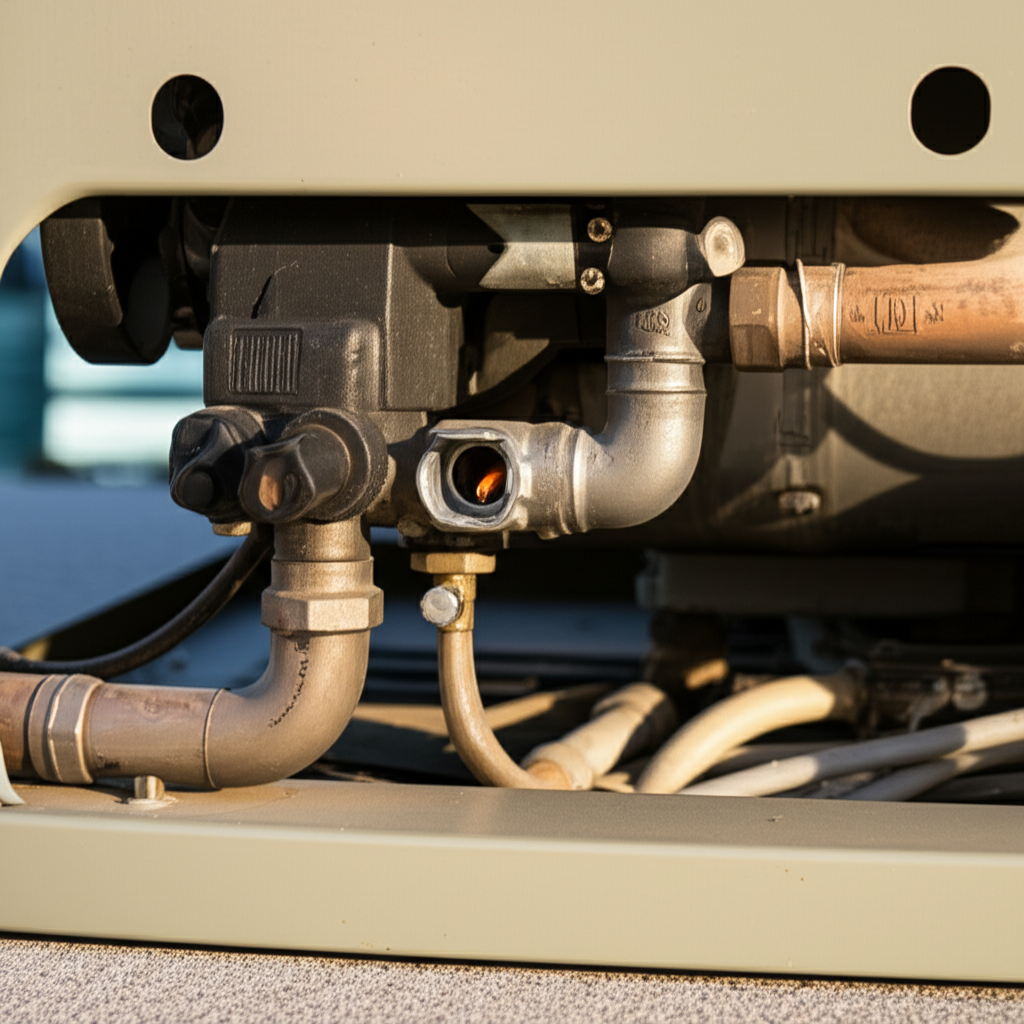
One of the most frequent complaints with gas heaters is a flickering or extinguished pilot light. If your pilot light won’t stay lit, or struggles to ignite, here’s what to check:
1. Pilot Light and Ignition System (Gas Heaters)
Reignite Manually: Many older heaters have a manual ignition process. Follow your owner’s manual precisely. If it ignites but won’t stay lit, proceed to the next steps.
Clean the Thermocouple/Thermopile: This small, rod-like sensor sits in the pilot light flame. Its job is to generate a small electrical current that tells the gas valve it’s safe to remain open. If it’s dirty, corroded, or bent, it won’t sense the flame properly. Carefully clean it with a fine-grade sandpaper or emery cloth. If damaged, it may need replacement.
Check for Drafts: Strong winds or drafts can extinguish a pilot light. Ensure the heater’s ventilation is clear but not overly exposed.
Insufficient Gas Pressure: While less common for a pilot light specifically, low overall gas pressure can affect ignition. This usually requires a professional.
2. Insufficient Water Flow (Applicable to All Heaters)
Most pool heaters are equipped with a “flow switch” or “pressure switch” that prevents the heater from running dry and overheating. If there’s not enough water flowing through the heater, it won’t activate or will shut down quickly.
Clean Skimmer and Pump Baskets: Clogged baskets severely restrict water flow to your pump and, consequently, your heater.
Backwash or Clean Filter: A dirty pool filter (sand, cartridge, or D.E.) can significantly reduce water pressure. Regularly backwash sand or D.E. filters, or clean/replace cartridges as needed. If you require assistance with professional pool cleaning services or filter maintenance, consider contacting experts who specialize in pool cleaning services.
Open All Valves: Ensure all valves leading to and from the heater are fully open. Sometimes, a valve can be accidentally partially closed during other maintenance.
Check Water Level: If your pool’s water level is too low, the skimmer might be sucking in air, affecting pump prime and flow.
3. Thermostat and Control Panel Issues
Sometimes, the problem isn’t with the heating element itself, but with the controls.
Check Temperature Setting: It sounds basic, but ensure the desired temperature is set higher than the current pool water temperature.
Reset the Heater: Many digital heaters have a reset button or sequence. Consult your manual. A simple reset can clear temporary glitches.
Interpret Error Codes: If your heater displays an error code, note it down. Your owner’s manual typically has a troubleshooting section that explains what these codes mean and how to address them. Common codes relate to flow issues, temperature sensors, or ignition failures.
4. Ignition Problems (For Gas Heaters with Electronic Ignition)
If your heater uses electronic ignition instead of a standing pilot light, issues can arise:
Dirty Ignitor: The ignitor (hot surface ignitor or spark ignitor) can accumulate soot or debris. Gently clean it according to your manual’s instructions.
Gas Valve Issues: If you hear the ignitor trying to light but no gas flows, or you don’t smell gas, there might be an issue with the gas valve itself. This is best left to a professional.
5. Air in the System
Air trapped in your plumbing lines can interfere with proper water flow and pressure, tricking the flow switch into thinking there’s insufficient flow.
Bleed Air: Ensure all air is purged from your pump, filter, and heater lines. This usually involves opening air relief valves on your filter and ensuring the pump is properly primed.
When to Call a Professional
While these easy fixes cover many common problems, there are times when professional help is essential.
Persistent Issues: If you’ve tried all the troubleshooting steps and your heater still isn’t working, it’s time to call in an expert.
Gas or Electrical Problems: Never attempt to repair complex gas lines or electrical components unless you are a qualified professional. These pose significant safety risks.
Internal Component Failure: Issues like a faulty heating element, heat exchanger, or sophisticated control board usually require specialized knowledge and tools.
Regular Maintenance and Complex Repairs: For comprehensive pool cleaning services, routine maintenance, or if you’re uncomfortable performing any of these steps, a professional company can provide reliable solutions and ensure your pool equipment operates efficiently and safely.
Preventative Maintenance to Keep Your Heater Running Smoothly
Many heater problems can be avoided with regular upkeep:
Routine Water Chemistry: Balanced pool chemistry prevents corrosion and scale buildup within your heater.
Keep Equipment Area Clean: Ensure no debris, leaves, or pests obstruct the heater’s vents or components.
Annual Professional Inspection: Have your pool heater serviced annually by a qualified technician. They can spot potential issues before they become major problems.
Regular Filter Maintenance: A clean filter is fundamental to good water flow, protecting all your pool equipment.
By understanding these essential troubleshooting steps, you can often diagnose and resolve common pool heater issues quickly. While it’s empowering to fix problems yourself, knowing when to call in the professionals is equally important to ensure the safety and longevity of your valuable pool heater.