Pool Heater Troubleshooting: Essential Easy Fixes
July 30, 2026
Evaporation vs Leak: Stop Pool Water Loss Now!
August 2, 2026
- Why Your Pool's Jets Matter More Than You Think
- Unraveling the Mystery: Common Causes of Weak Jets
- Troubleshooting Your Weak Jets: A Step-by-Step Guide
- When to Call the Professionals: Addressing Persistent Circulation Problems
- Conclusion
Weak Jets in your swimming pool can quickly turn a refreshing dip into a frustrating dilemma. These seemingly minor issues are often the first tell-tale sign of underlying circulation problems that, if left unaddressed, can lead to a host of more significant and costly issues for your pool’s health and your enjoyment. Understanding the common causes of weak jets and knowing how to quickly troubleshoot them can save you time, money, and the headache of a cloudy, unhealthy pool.
Why Your Pool’s Jets Matter More Than You Think
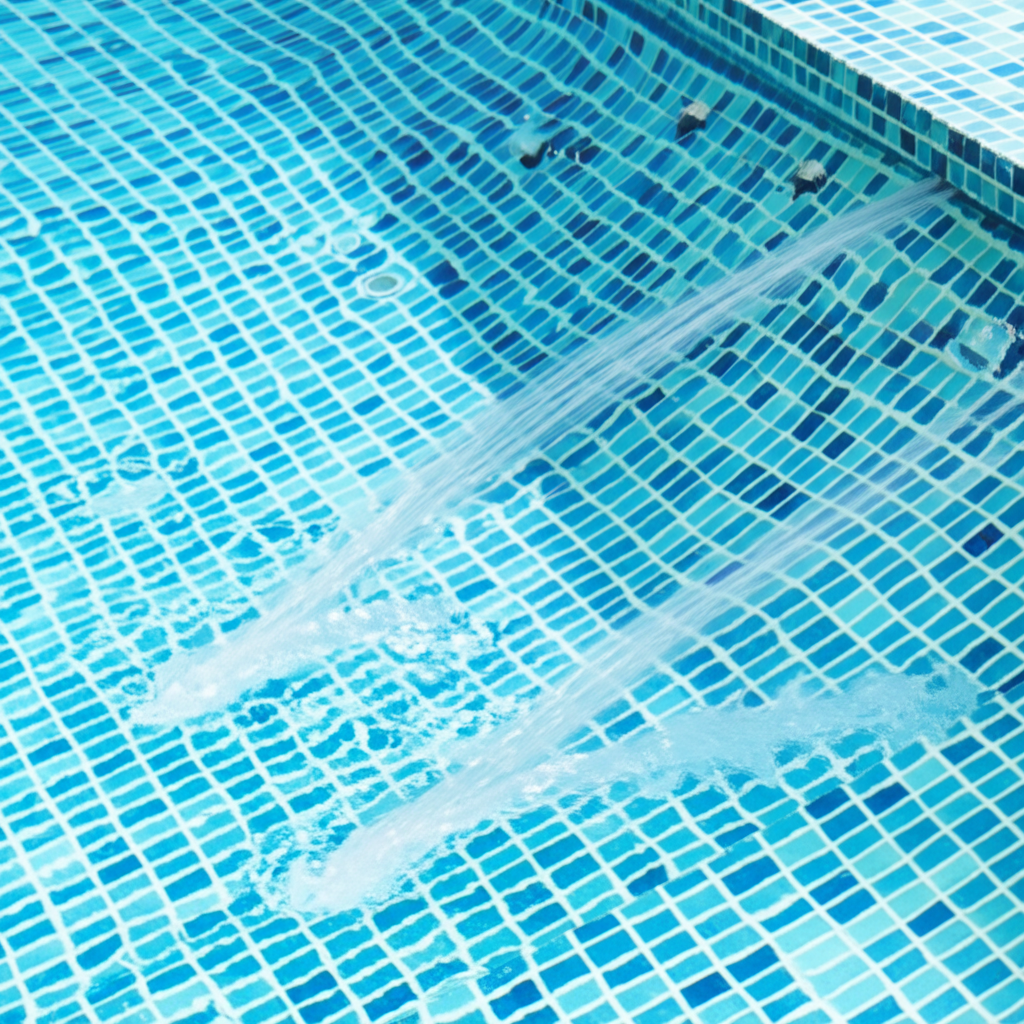
The jets in your pool, also known as return jets, play a critical role in maintaining water quality and overall pool health. They are responsible for pushing filtered and heated water back into the pool, creating essential water movement. This circulation is vital for:
Even Chemical Distribution: Without proper flow, sanitizers like chlorine won’t disperse effectively, leading to hot spots of chemicals and stagnant areas prone to algae growth.
Preventing Algae Growth: Constant water movement discourages algae spores from settling and multiplying, keeping your pool sparkling clean.
Heating Efficiency: If you heat your pool, good circulation ensures that the warmed water is distributed evenly throughout, rather than creating cold spots.
Filtering Effectiveness: The jets push water towards the skimmers and main drains, ensuring impurities are drawn into the filtration system.
When your jets are weak, it’s a clear indicator that something is hindering the flow within this vital circulatory system.
Unraveling the Mystery: Common Causes of Weak Jets
Identifying the root cause of weak jets often involves a methodical check of your pool’s equipment. Here are the most frequent culprits:
1. Clogged Skimmer or Pump Baskets: This is by far the most common and easiest fix. Debris like leaves, twigs, toys, or even small animals can restrict water flow at the very beginning of the suction line.
2. Dirty or Clogged Filter: Your pool’s filter is designed to trap impurities. Over time, it accumulates dirt, oils, and other particles, which can reduce its efficiency and restrict water flow. This applies to sand, cartridge, and DE filters alike. A high-pressure reading on your filter gauge signals it’s time for cleaning or backwashing.
3. Low Water Level: If the water level in your pool drops below the halfway point of your skimmer mouth, the skimmer can start sucking air into the system. This introduces air into the pump, reducing its ability to push water effectively through the jets.
4. Air Leak in the Suction Line: Air leaks can happen anywhere from the skimmer and main drain lines up to the pump. A common sign is small bubbles continuously coming out of your return jets or visible air trapped in the pump’s lid.
5. Closed or Partially Closed Valves: Your pool system usually has several valves that control water flow from the main drain, skimmers, and return lines. If a valve on the suction side (before the pump) is partially closed or a return valve (after the pump) is restricting flow, it can cause the jets to weaken.
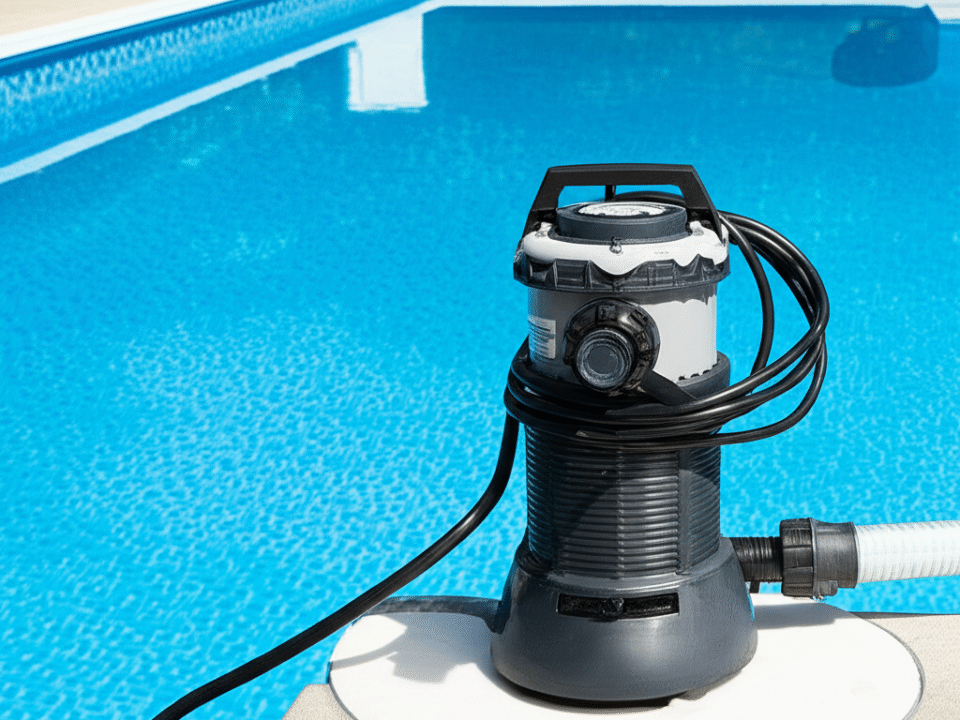
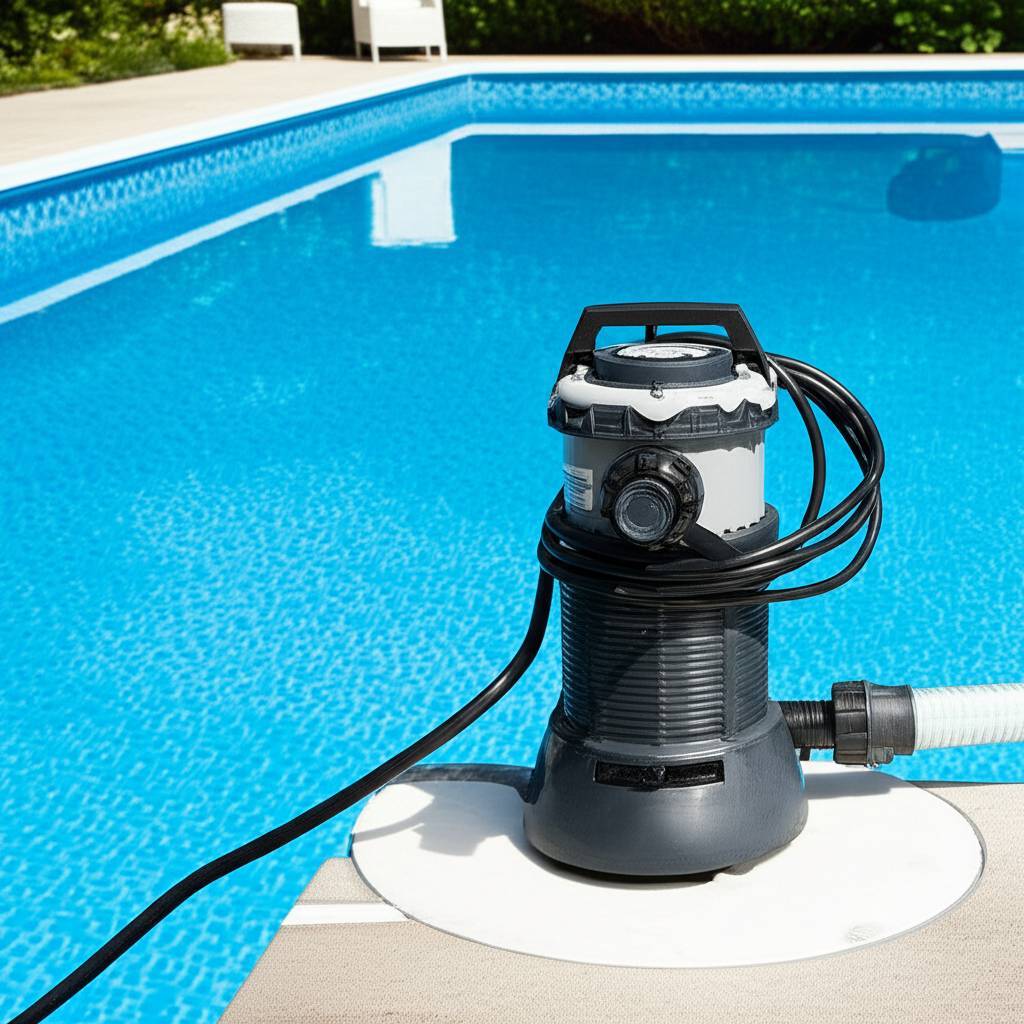
6. Impeller Obstruction: Inside your pool pump, the impeller is a spinning fan-like component that creates the suction and pressure needed to move water. If it becomes clogged with hair, string, or other small debris, its efficiency plummets, leading to weak jets.
7. Failing Pool Pump Motor: While less common than the above, an aging or failing pump motor might not be capable of producing the necessary power to drive the water through the system effectively, resulting in weak jet pressure.
Troubleshooting Your Weak Jets: A Step-by-Step Guide
Don’t panic! Many of these issues can be resolved with a little DIY effort. Follow these steps:
1. Check Water Level and Skimmer Baskets:
Ensure your pool’s water level is at least halfway up the skimmer opening. Top up if needed.
Turn off your pool pump.
Remove and empty both skimmer baskets. Rinse them clean.
2. Inspect the Pump Basket:
Turn off the pump and close any suction line valves to prevent water backflow.
Twist off the pump lid and remove the large pump basket. Empty any debris and rinse thoroughly.
While the lid is off, look for water dripping or air bubbles around the lid’s O-ring. A damaged O-ring can cause an air leak. Lubricate or replace it if necessary.
3. Evaluate Your Filter:
Note the current pressure reading on your filter gauge. If it’s 8-10 PSI higher than its clean operating pressure, your filter needs attention.
For Sand Filters: Backwash the filter until the water runs clear.
For Cartridge Filters: Remove the cartridge(s) and clean them thoroughly with a hose. Consider a chemical cartridge cleaner for stubborn buildup.
For DE Filters: Backwash and then recharge with new DE powder.
4. Verify Valve Positions:
Ensure all relevant valves are fully open. On the suction side, make sure the skimmer and main drain valves are open to allow full flow. On the return side, ensure the valves leading to your jets are open.
5. Look for Air Leaks:
With the pump running, observe the clear lid for continuous large bubbles.
Check for visible leaks around the pump’s unions, valve connections, or any exposed plumbing on the suction side. You can also try pouring water over suspected leak areas; if the bubbles stop, you’ve found the spot.
6. Address an Impeller Obstruction:
This is a more advanced step and may require tools.
ALWAYS TURN OFF THE BREAKER TO THE PUMP BEFORE ATTEMPTING THIS.
Remove the pump basket and look into the opening towards the impeller. Carefully use a small, non-metal tool (like a straightened coat hanger) to dislodge any visible debris. Never put your fingers near the impeller.
When to Call the Professionals: Addressing Persistent Circulation Problems
While many weak jet issues are DIY-friendly, some problems require expert intervention. If you’ve gone through the troubleshooting steps and your jets are still weak, or if you suspect a more complex issue like a major underground leak, a failing pump motor, or significant plumbing damage, it’s time to call in the experts.
Professional pool cleaning services and pool maintenance technicians have the specialized tools and experience to diagnose intricate problems quickly and efficiently. They can pinpoint hidden leaks, repair or replace faulty equipment, and ensure your pool’s circulation system is running optimally. Regular professional pool service can also prevent these issues from happening in the first place, ensuring your pool stays healthy and hassle-free.
Conclusion
Weak jets don’t just reduce your pool’s aesthetics; they are a warning sign of underlying circulation problems that can compromise water quality, increase chemical consumption, and potentially lead to more expensive repairs down the line. By understanding the common causes and following a systematic troubleshooting approach, you can often quickly restore your pool to full health. However, don’t hesitate to reach out to a reputable professional pool service if you encounter persistent issues, ensuring your pool remains a source of relaxation and enjoyment rather than frustration. Regular attention to your pool’s circulatory system is key to its longevity and your swimming pleasure.