Pool Plaster Delamination: Ultimate Guide to Easy Repairs
August 7, 2026
When to Drain Your Pool: Essential Steps, Effortless Result
August 11, 2026
- Why Your Pool Gets Cloudy After Shocking
- Immediate Steps to Tackle a Cloudy Pool Post-Shock
- 1. Test Your Water – The Crucial First Step
- 2. Ensure Proper Filtration: Your First Line of Defense
- 3. Introduce a Pool Clarifier
- 4. Re-evaluate and Balance Chemical Levels (After Chlorine Drops)
- Preventing Future Post-Shock Problems
- When to Call the Professionals
- Conclusion
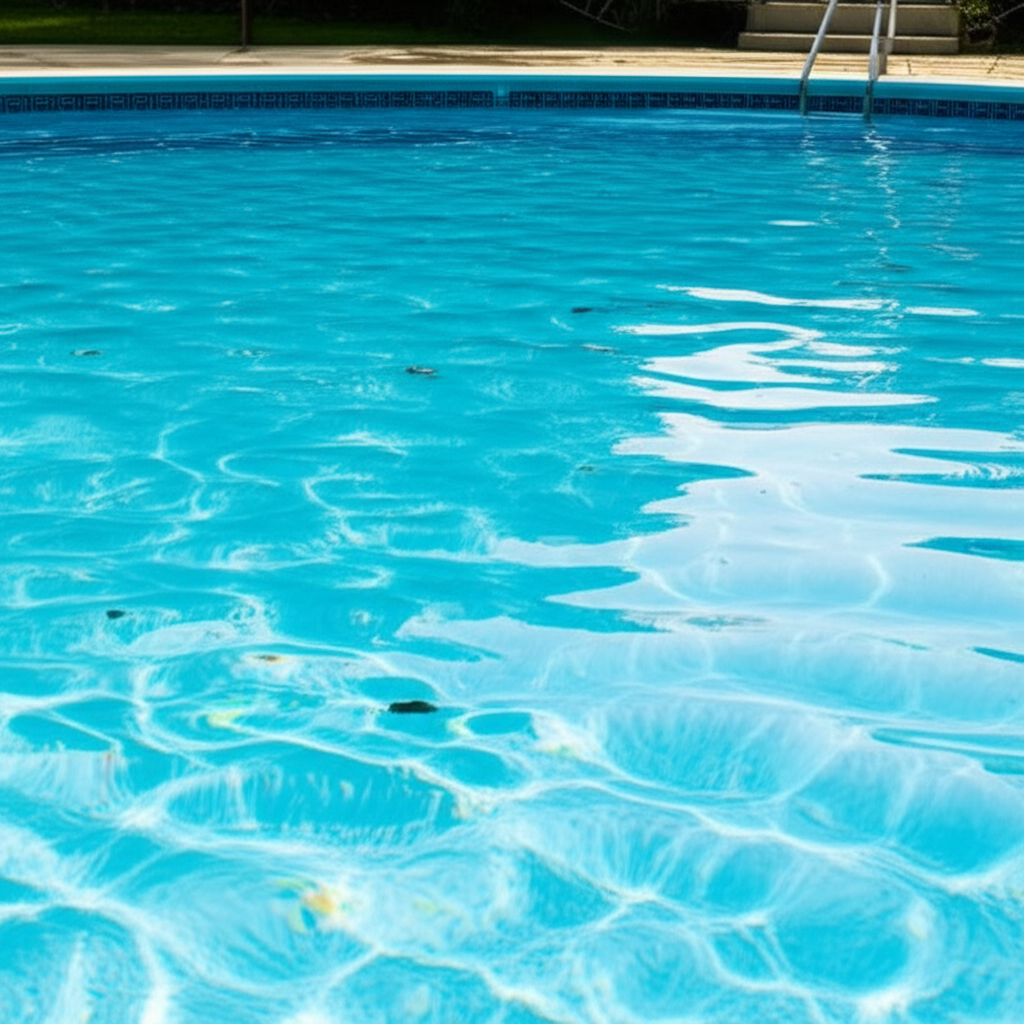
Cloudy Pool water after shocking can be one of the most frustrating sights for any pool owner. You’ve just put in the effort to sanitize and purify your pool, expecting sparkling clear results, only to be greeted by a murky, hazy appearance. This common scenario, often referred to as post-shock problems, thankfully has straightforward solutions. Understanding why your pool goes cloudy after a shock treatment, and knowing the right steps to take, will quickly restore your pool to its pristine condition.
Why Your Pool Gets Cloudy After Shocking
When you shock your pool, you’re introducing a concentrated dose of chlorine or non-chlorine oxidizer designed to kill bacteria, algae, and break down organic contaminants. While the goal is clarity, the process itself can sometimes lead to temporary cloudiness for several reasons:
1. Dead Contaminants: The shock treatment effectively kills off algae, bacteria, and other microscopic organisms. These dead particles don’t simply vanish; they become suspended in the water, making it appear cloudy. Your filter needs time to process and remove them.
2. Chemical Reactions: Shock treatments, particularly calcium hypochlorite (cal-hypo), can introduce calcium into the water. If your water’s calcium hardness is already high, or if the pH is also high, this can lead to calcium precipitating out of solution, causing cloudiness.
3. Oxidation Byproducts: The powerful oxidation process can break down organic matter into very fine particles that are too small for your standard filter to efficiently catch immediately.
4. Improper Dosing or Application: Adding too much shock, or not dissolving granular shock properly before adding it to the pool, can also contribute to chemical imbalances or undissolved particles that cause cloudiness.
5. Filter Issues: An overworked, dirty, or inefficient filter system will struggle to remove the sudden influx of microscopic particles after shocking, prolonging the cloudy appearance.
Immediate Steps to Tackle a Cloudy Pool Post-Shock
Don’t despair! Addressing these post-shock problems is usually a systematic process that yields quick results.
1. Test Your Water – The Crucial First Step
Before adding more chemicals aimlessly, always test your pool water. Use a reliable test kit or strips to check:
pH: Ideally between 7.4 and 7.6. High pH can contribute to calcium precipitation and reduce chlorine effectiveness.
Total Alkalinity (TA): Between 80-120 ppm. This acts as a buffer for pH.
Calcium Hardness: 200-400 ppm. Levels too high or low can cause problems.
Free Chlorine: After shocking, your free chlorine level will be very high (often above 10 ppm). You typically need to wait for it to drop back into the ideal range (1-3 ppm) before comprehensive rebalancing.
Cyanuric Acid (CYA): 30-50 ppm. This stabilizes chlorine but too much can lead to “chlorine lock.”
Correcting pH and alkalinity imbalances after high chlorine levels subside is essential for overall water clarity and chemical efficiency.
2. Ensure Proper Filtration: Your First Line of Defense
Your filter is the workhorse in clearing a cloudy pool.
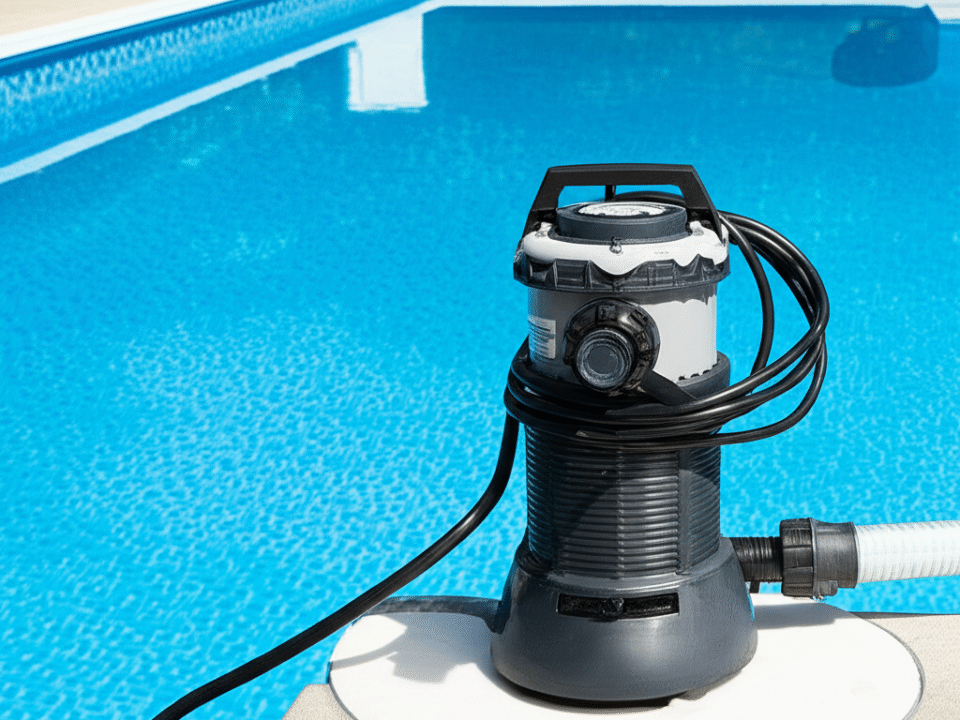
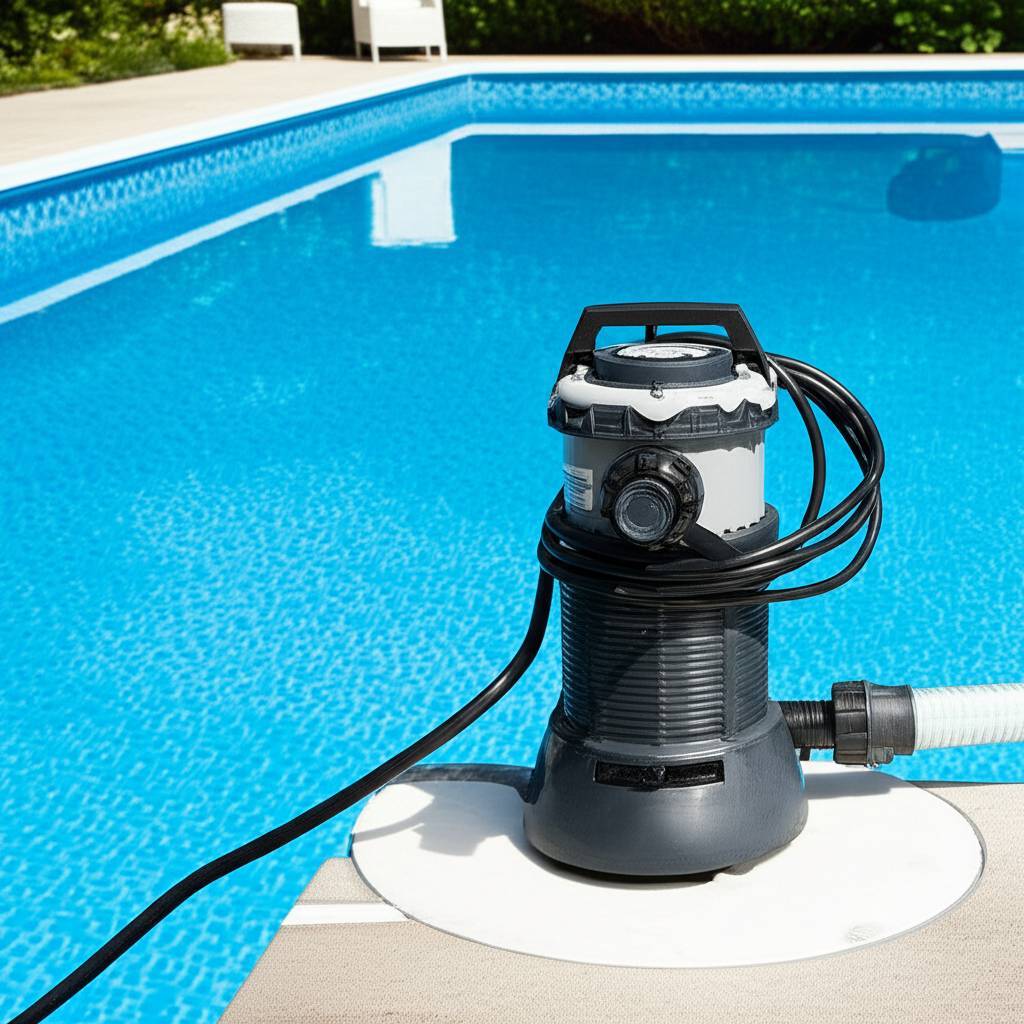
Run Your Filter Continuously: After shocking, run your pump and filter 24/7. This maximizes the water turnover and particle removal.
Backwash or Clean Your Filter Regularly: As your filter collects the dead particles, its efficiency will decrease. Check your filter pressure gauge; if it’s 8-10 psi above its clean starting pressure, it’s time to backwash your sand or D.E. filter, or clean your cartridge filter.
Check Filter Media: Ensure your filter media (sand, D.E., cartridges) is in good condition and not past its service life. Worn-out media won’t filter effectively.
3. Introduce a Pool Clarifier
A pool clarifier is an excellent tool for a cloudy pool. These products work by coagulating (clumping together) the tiny suspended particles into larger ones that your filter can more easily capture.
Follow Directions Carefully: Always use clarifiers according to the manufacturer’s instructions. Overdosing can sometimes worsen the problem or make your filter gummy.
Types: Liquid clarifiers are common for a gradual effect. Flocculants are more aggressive but require vacuuming the settled debris to waste, bypassing your filter.
4. Re-evaluate and Balance Chemical Levels (After Chlorine Drops)
Once your free chlorine levels have dropped to the normal 1-3 ppm range (this might take 24-48 hours with the filter running), re-test your water. Now you can safely adjust:
pH and Total Alkalinity: Adjust these first, as they influence all other chemical balances.
Calcium Hardness: If it was found to be very high, a clarifier will help, but in extreme cases, dilution (draining some water and refilling) might be considered, though rarely needed for temporary post-shock cloudiness.
Preventing Future Post-Shock Problems
Prevention is always better than cure. Here’s how to minimize the chances of a cloudy pool after shocking:
Regular Maintenance: Consistency is key. Routinely testing your water, balancing chemicals, and running your filter adequately will keep your pool healthier overall.
Proper Shocking Techniques:
Always shock at dusk or night to minimize UV degradation of chlorine.
Pre-dissolve granular shock in a bucket of pool water before adding it to the pool, especially in vinyl liner pools, to prevent bleaching or undissolved particles.
Know your pool’s volume to ensure correct dosing; avoid over-shocking.
Good Filtration Habits: Ensure your filter runs enough hours daily (8-12 hours for most pools) even when the water looks clear. A clean, well-functioning filter is your best defense.
Address Algae Quickly: Don’t let algae blooms get out of control. Addressing them early means less dead algae for your filter to deal with after shocking.
Regular Pool Cleaning Services: For recurring issues, or if you simply lack the time or expertise, engaging professional pool cleaning services can make a significant difference. Experts in pool cleaning service can properly balance your water chemistry, inspect your equipment, and recommend optimal maintenance routines. For comprehensive pool cleaning services and maintenance, consider visiting https://californiabluepool.com.
When to Call the Professionals
While most cases of post-shock cloudiness can be resolved with the steps above, sometimes professional assistance is warranted. Consider calling a professional pool cleaning service if:
The cloudiness persists for more than 72 hours despite your best efforts.
You suspect equipment malfunctions (e.g., your pump isn’t running effectively, or your filter is damaged).
You find it difficult to maintain proper water chemistry balance consistently.
You simply prefer to delegate the task to experts.
A qualified pool cleaning service can quickly diagnose hidden issues, ensure all your equipment is functioning optimally, and provide ongoing pool maintenance to keep your water crystal clear year-round.
Conclusion
A cloudy pool after shocking is a temporary setback, not a permanent problem. By understanding the causes and systematically applying the right solutions – proper water testing, diligent filtration, careful use of clarifiers, and consistent chemical balancing – you can quickly restore your pool’s inviting sparkle. Proactive maintenance and, when needed, the assistance of professional pool cleaning services, will ensure that your pool remains a source of enjoyment, not frustration.