Does a Pool Add Value? Unlock Smart Home Resale
June 2, 2026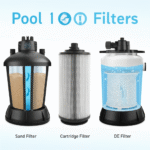
Pool Filters: Ultimate Guide to Sand, Cartridge, DE
June 6, 2026
- Pool Inspection: Your Essential Buying Guide for Homes with Pools
- Why a Dedicated Pool Inspection Is Non-Negotiable
- What Does a Comprehensive Pool Inspection Cover?
- Choosing the Right Pool Inspector
- Interpreting Your Pool Inspection Report
- Beyond the Purchase: Ongoing Pool Maintenance
- Final Thoughts
Pool Inspection: Your Essential Buying Guide for Homes with Pools
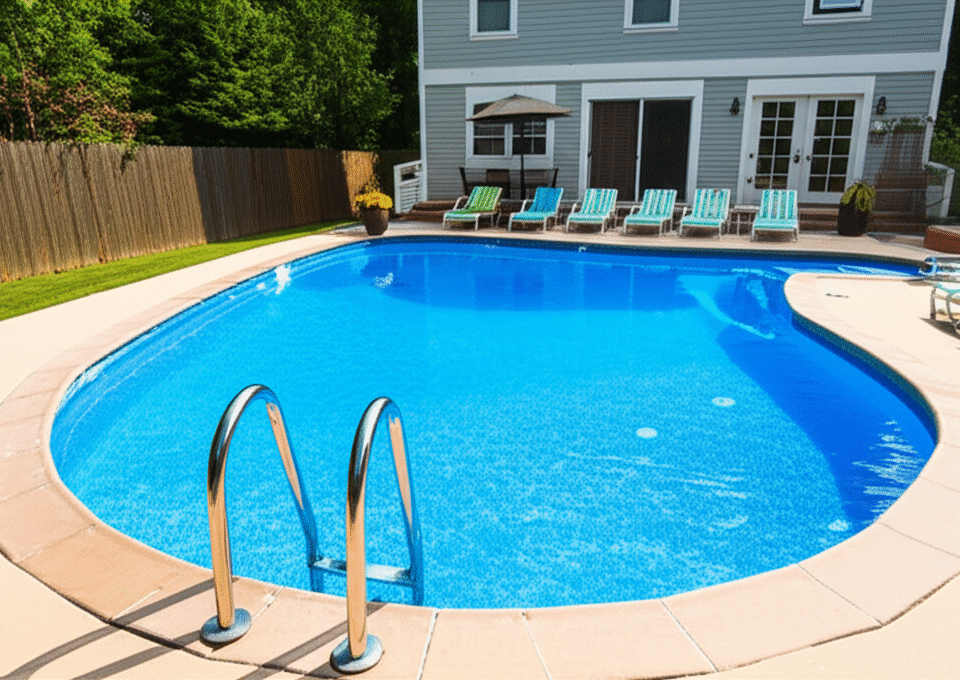
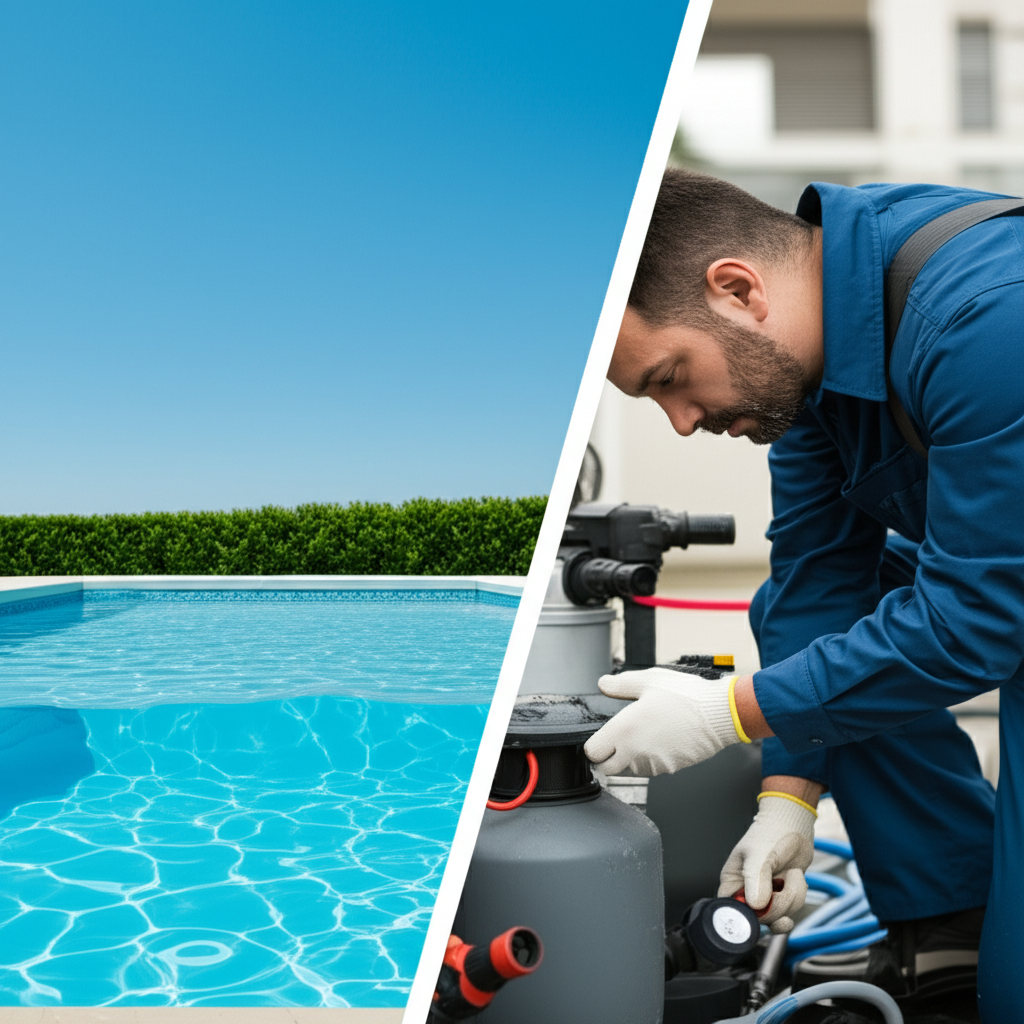
Pool Inspection is a critical step often overlooked by eager homebuyers, but it’s an absolute necessity when you’re buying a home with a pool. While the allure of a sparkling backyard oasis can be powerful, it’s imperative to gaze beyond the shimmering surface and understand the true condition of this complex amenity. Much like a home inspection covers the major systems of a house, a dedicated pool inspection delves into the intricate workings of your potential new pool, uncovering potential issues that could save you thousands in unexpected repairs or ongoing maintenance headaches.
Why a Dedicated Pool Inspection Is Non-Negotiable
A swimming pool is a significant investment, both for the seller and potentially for you, the buyer. Skipping a professional pool inspection might seem like a way to save money or expedite the closing process, but it’s a gamble with high stakes. Hidden leaks, faulty equipment, outdated safety features, or structural damage can turn your dream pool into a financial burden. These issues are often not visible to the untrained eye and can lead to immediate repair costs ranging from hundreds to tens of thousands of dollars. An independent evaluation provides peace of mind and crucial leverage during purchase negotiations.
What Does a Comprehensive Pool Inspection Cover?
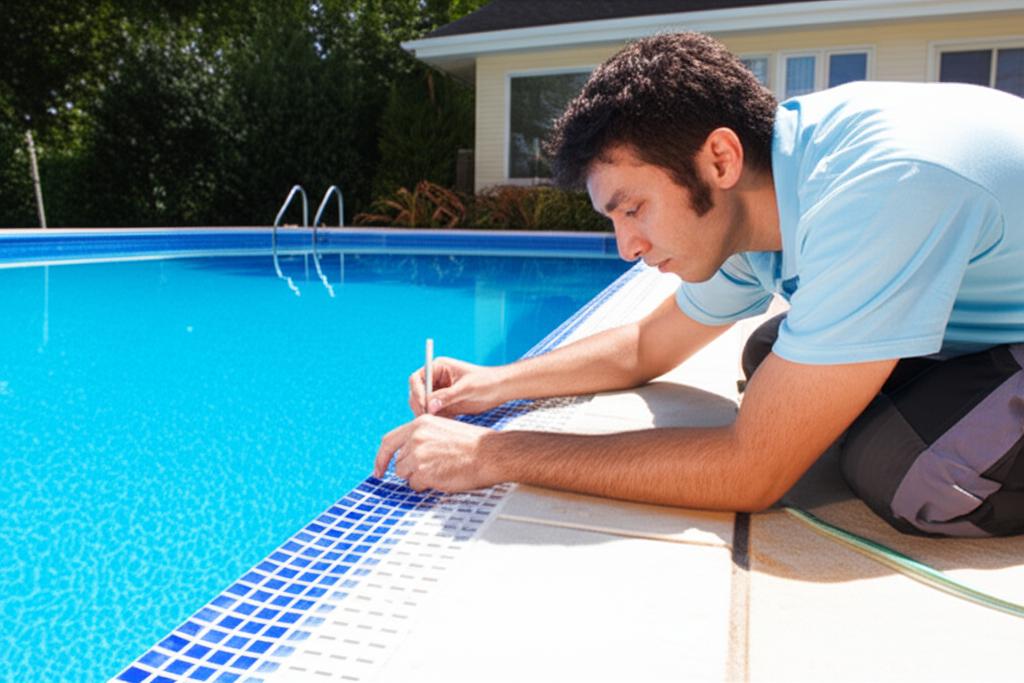
A thorough pool inspection goes far beyond a quick visual check. A certified pool inspector meticulously examines every component, typically including:
1. Structural Integrity:
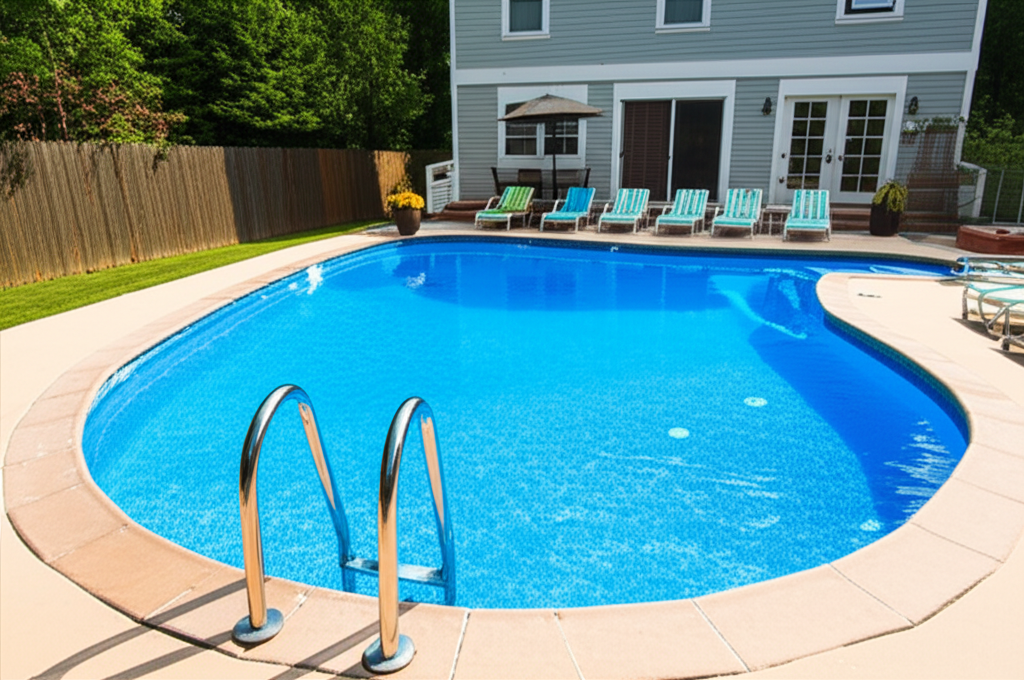
Pool Shell: The inspector will look for cracks, bulges, staining, or evidence of leaks in the plaster, tile, vinyl liner, or fiberglass surface.
Coping and Decking: Examination of the coping (the material around the pool’s edge) and surrounding deck area for cracks, unevenness, trip hazards, and proper drainage.
Tile and Grout: Assessment of tile adhesion and grout condition for deterioration or missing sections.
2. Equipment Condition and Operation:
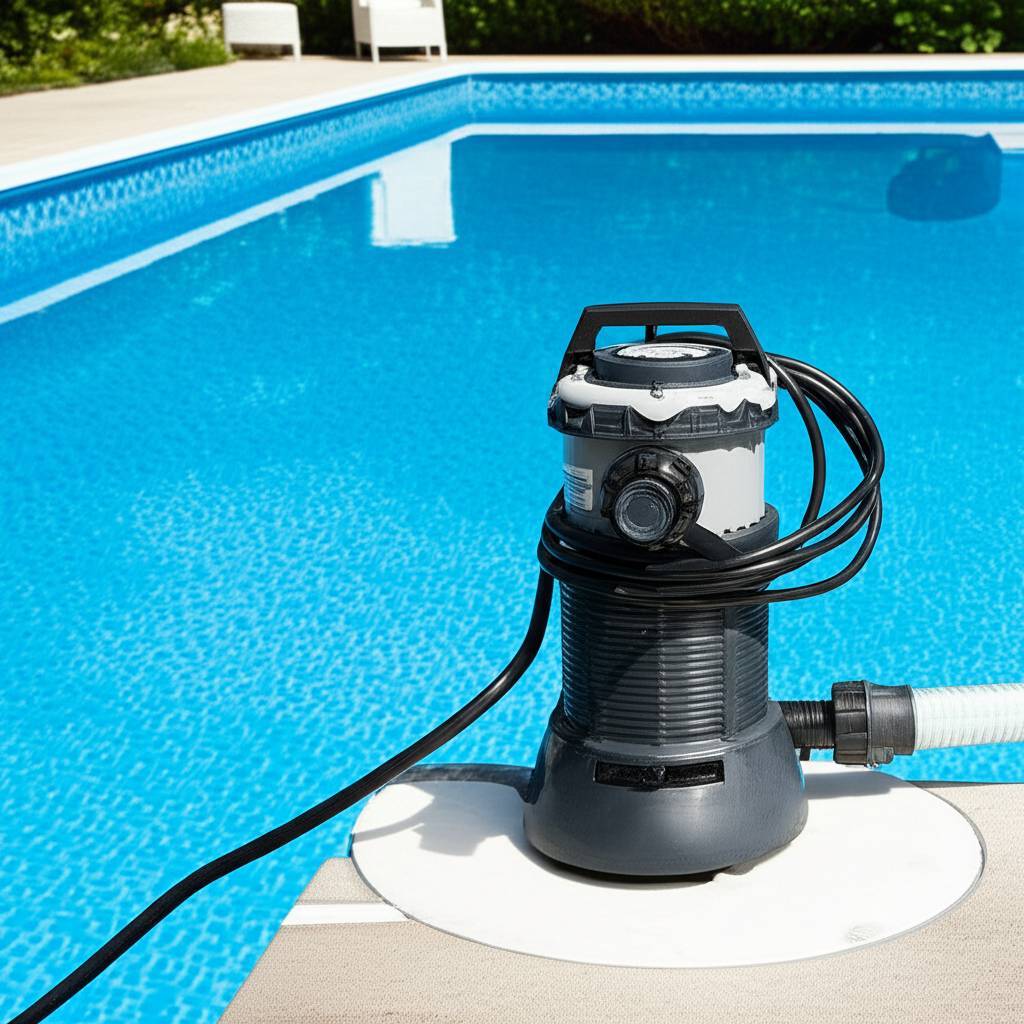
Pump and Motor: Checking for proper operation, unusual noises, leaks, and overall efficiency.
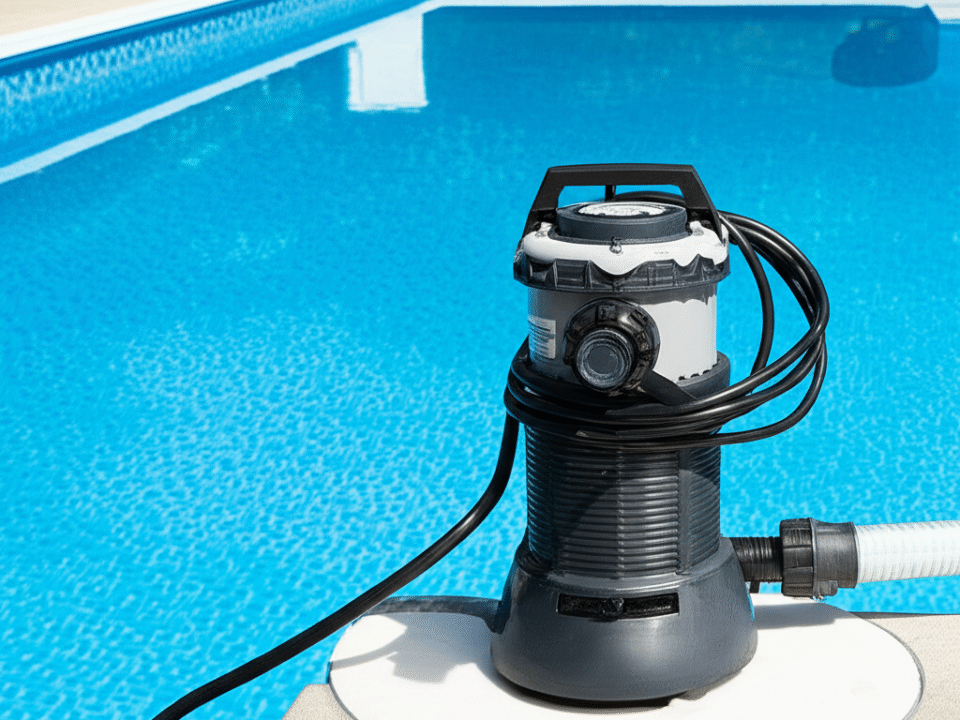
Filter System: Inspecting the type (sand, cartridge, DE), its cleanliness, and whether it’s functioning effectively.
Heater: If present, testing its functionality, fuel source (gas, electric, solar), and age.
Automatic Cleaners: Verifying that any built-in or robotic cleaners are operational.
Saltwater Generators: If applicable, assessing the cell and control unit.
Automation Systems: Testing any smart pool controls or automation.
3. Plumbing and Electrical Systems:
Pipes and Valves: Looking for leaks, corrosion, proper sealing, and correct valve operation.
Skimmers and Returns: Checking for proper suction and flow, foreign objects, or damage.
Electrical Wiring: Ensuring all wiring, grounded outlets, and GFCI (Ground Fault Circuit Interrupter) protection meet current safety standards. This is particularly crucial around water.
4. Safety Features:
Fencing and Gates: Verifying that fences meet local codes for height and material, and gates are self-latching and open outwards.
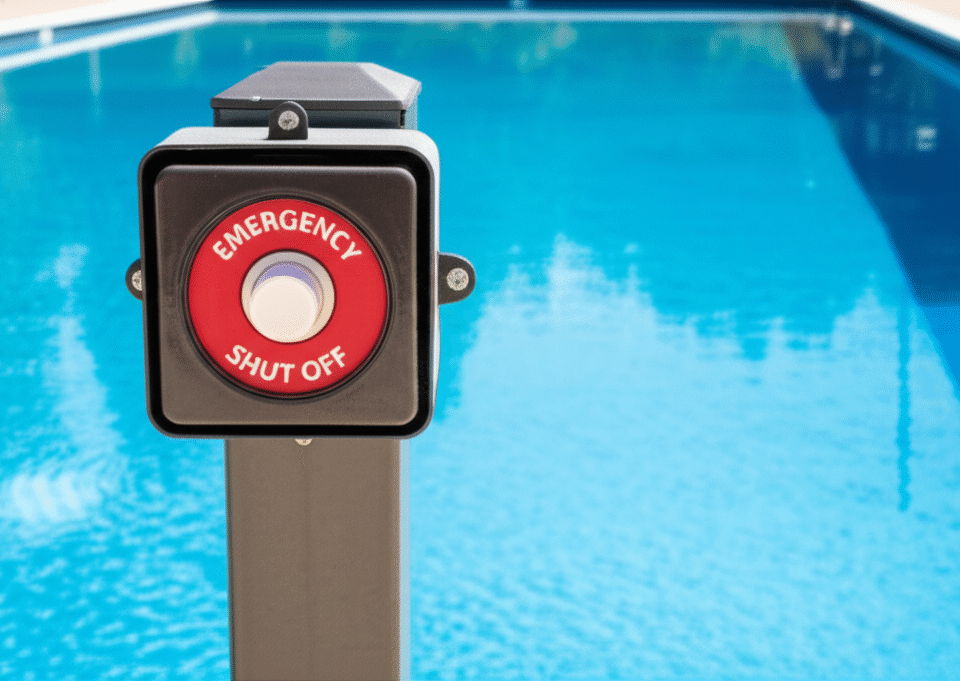
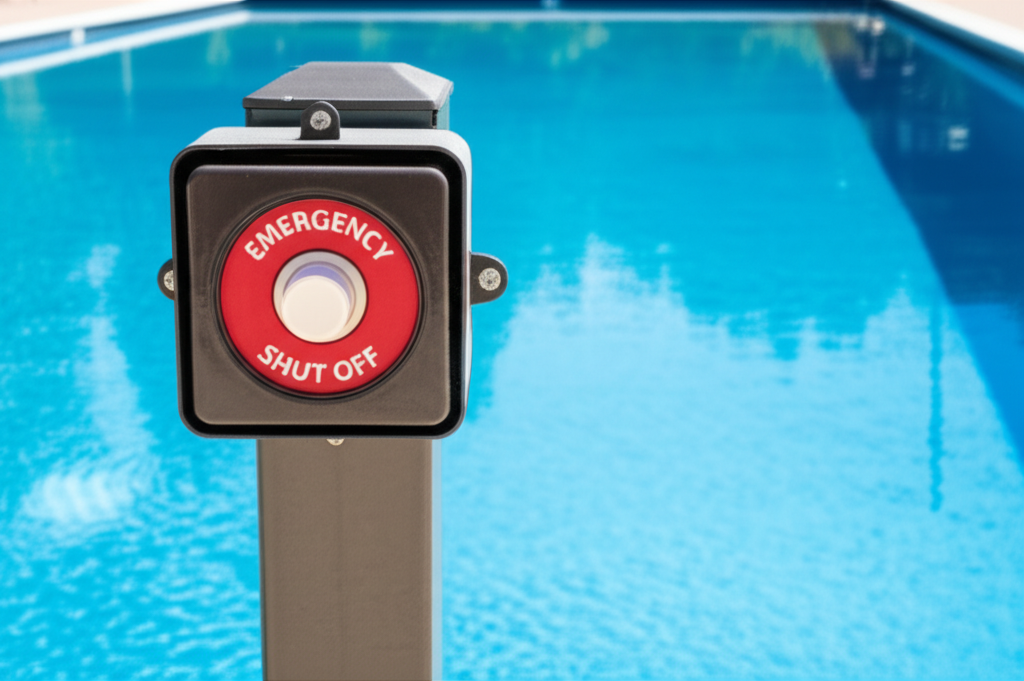
Alarms: Checking pool alarms on gates or doors leading to the pool area, if installed.
Drain Covers: Ensuring anti-entrapment drain covers are in place and compliant.
Lighting: Testing all underwater and perimeter lighting.
5. Ancillary Components:
Water Features: Cascades, fountains, or slides are checked for functionality and leaks.
Diving Boards/Slides: Inspections for structural integrity and safe installation.
Water Chemistry (briefly): While not a deep dive into chemical balance, the inspector checks for extreme conditions that might indicate underlying issues or damage to components.
Choosing the Right Pool Inspector
When seeking a professional for your pool inspection, prioritize experience and certification. Look for inspectors who:
Are certified by reputable organizations (e.g., National Swimming Pool Foundation – NSPF, now NSPF/PHTA).
Specialize in pools, or are highly experienced home inspectors with specific pool expertise.
Have positive reviews and can provide references.
Are insured and bonded.
Provide a detailed, written report with photos and clear explanations.
Don’t hesitate to ask about their process and what their inspection includes. A good inspector will welcome your questions and be transparent about their services.
Interpreting Your Pool Inspection Report
Once the inspection is complete, you’ll receive a detailed report outlining their findings. This document categorizes issues, often differentiating between minor cosmetic flaws and significant structural or mechanical problems.
Minor Issues: Small cracks in the decking, worn O-rings, or a dirty filter may be simple fixes. While worth noting, they are unlikely to be deal-breakers.
Major Issues: A leaking pool shell, a failing pump motor, significant electrical hazards, or code violations often require substantial financial outlay to repair.
Use this report as a basis for further discussion with the seller. If major issues are found, you may be able to negotiate for repairs, a price reduction, or a credit at closing. Ignoring these findings could lead to immediate, costly repairs after you take possession of the home.
Beyond the Purchase: Ongoing Pool Maintenance
Even if your new pool passes its inspection with flying colors, remember that a pool requires consistent care to remain healthy and enjoyable. Beyond the initial inspection, preserving your pool’s condition requires consistent care. This includes regular skimming, vacuuming, brushing, and chemical balancing – tasks often best handled by professional pool cleaning services. Investing in routine pool maintenance ensures efficient operation, prevents minor issues from escalating, and prolongs the life of your pool and its equipment. Consider California Blue Pool for your ongoing pool service needs after you move in.
Final Thoughts
Buying a home with a pool is an exciting prospect, promising endless days of enjoyment and relaxation. However, the excitement should be tempered with due diligence. A professional pool inspection is an invaluable investment that provides clarity on the pool’s current condition, potential future expenses, and crucial safety considerations. It’s not just about identifying problems, but about empowering you with the information needed to make a smart, informed decision about your new home and its aquatic centerpiece. Don’t let your dream pool turn into a financial headache – insist on a thorough inspection.