
Pool Construction Timeline: Ultimate, Fast Guide
May 15, 2026
Poolside Kitchen: Stunning & Effortless Outdoor Living
May 18, 2026
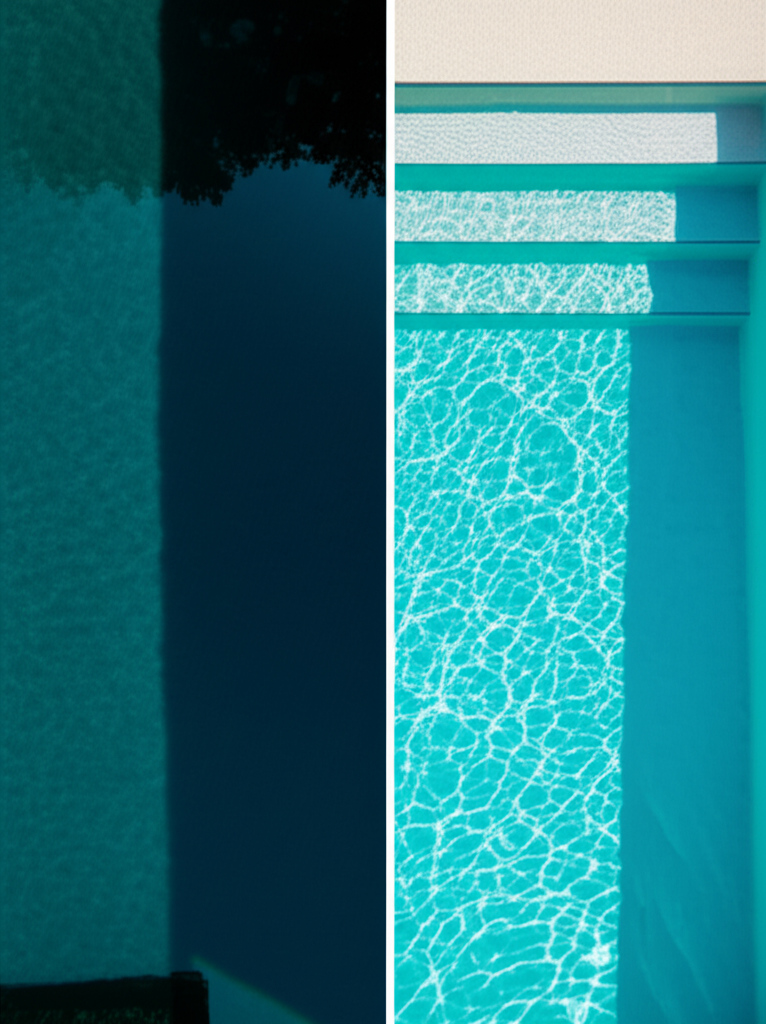
- The Allure of Dark Pool Colors: Depth, Drama, and Distinction
- The Timeless Elegance of Light Pool Colors: Brightness, Clarity, and Classic Charm
- Deciphering Your Ideal Pool Color: Key Considerations
- The True Water Color: A Symphony of Elements
Pool Color is one of the most significant design decisions you’ll make when planning a new swimming pool or renovating an existing one. Far more than just an aesthetic choice, the color of your pool’s interior finish dramatically influences the entire mood, perceived depth, and even the temperature of your swimming oasis. The long-standing debate between dark and light pool finishes often boils down to aesthetics, maintenance, and the overall desired ambiance. Understanding the nuances of each can help you create the perfect backyard retreat.
The Allure of Dark Pool Colors: Depth, Drama, and Distinction
Choosing a dark finish for your swimming pool, such as deep blue, gray, or black, creates an undeniably striking visual statement. These colors are often favored in modern and minimalist designs, offering a sophisticated and dramatic look that truly stands out.
Aesthetic Impact:
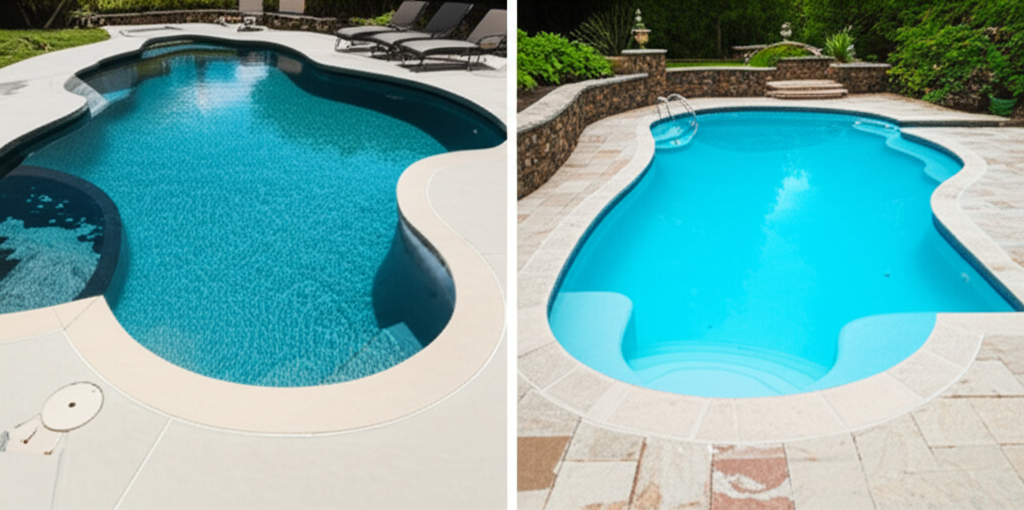
Dark pools immediately evoke a sense of tranquility and luxury. With a dark finish, your pool transforms into a shimmering mirror, reflecting the sky, surrounding landscaping, and architectural elements with stunning clarity. This creates an illusion of greater depth, making even a shallower pool appear deeper and more expansive. The water itself takes on a rich, lagoon-like hue, often appearing deep indigo, emerald green, or even a mysterious black, especially at night or in overcast conditions. This naturalistic aesthetic blends seamlessly with lush gardens and stone hardscaping, mimicking the look of natural lakes or deep springs.
Practical Considerations:
One of the most touted benefits of dark pool colors is their ability to absorb and retain heat from the sun. This can lead to warmer water temperatures, potentially extending your swimming season or reducing heating costs. For those in cooler climates, this natural warming effect can be a significant advantage. However, in extremely hot climates, the water might become too warm for comfortable swimming, requiring more shade or cooling solutions.
Maintenance Perception:
It’s often believed that dark pools hide dirt and debris better than light pools. While large, light-colored debris like leaves might be less obvious against a dark background, fine dust, pollen, and chemical residue can stand out more prominently. Stains, particularly those from organic matter or calcium, can also be more noticeable on dark surfaces. Regular and efficient pool cleaning is essential to maintain the pristine look of a dark-bottomed pool. Professional pool services can help ensure your dark pool retains its stunning clarity and sparkle.
The Timeless Elegance of Light Pool Colors: Brightness, Clarity, and Classic Charm
Conversely, light pool finishes, including white, light blue, or sand tones, evoke a completely different sensation. They are the quintessential choice for those seeking a bright, sparkling, and traditionally inviting swimming environment.
Aesthetic Impact:
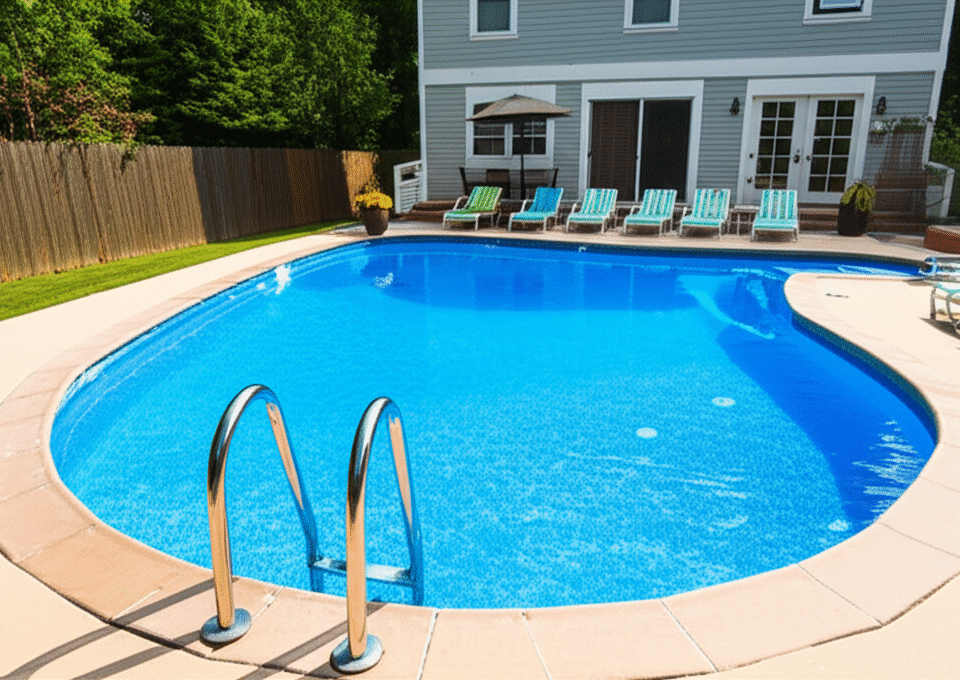
Light pool color finishes are synonymous with the classic, tropical, and resort-style look. They make the water appear jewel-toned – a brilliant sky blue, shimmering turquoise, or a soft, sandy hue like a shallow beach. Light colors maximize light reflectivity, making the water appear exceptionally clear and inviting. This brightness creates an illusion of openness and spaciousness, perfect for smaller backyards or to enhance the airy feel of a space. The vibrant blue is often achieved not just by the plaster itself, but also by the reflection of the sky, intensified by the light finish.
Practical Considerations:
A significant advantage of light-colored pools is their tendency to keep the water cooler. By reflecting sunlight rather than absorbing it, they can provide a more refreshing swim, which is particularly desirable in hot, sunny climates. This can be a boon for families with young children or anyone who prefers a cooler dip. However, in cooler regions, this might mean a shorter swimming season unless supplemental heating is used.
Maintenance Perception:
Compared to their darker counterparts, light pools tend to reveal dirt, leaves, and other debris more readily. While this might seem like a disadvantage, it also means you’re more likely to spot issues early, prompting timely pool cleaning. Algae, a common pool woe, tends to be more visible against lighter backdrops, making it crucial to maintain proper water chemistry and regular maintenance. However, stains from calcium or rust might blend in more with a light surface than a dark one. Maintaining the brilliant clarity of a light pool often benefits from comprehensive pool care solutions.
Deciphering Your Ideal Pool Color: Key Considerations
Choosing between a dark or light water color for your pool involves more than just personal preference; it requires considering various factors that will impact your long-term enjoyment and maintenance.
1. Climate: In hot climates, lighter pools offer cooler water, while darker pools might be preferred in cooler regions for their heat-absorbing properties.
2. Surrounding Landscape and Architecture: Does your home lean modern, traditional, Mediterranean, or tropical? A dark pool complements minimalist and natural landscapes, while a light pool enhances bright, open, and resort-style settings.
3. Desired Mood: Do you envision a serene, contemplative oasis (dark) or a vibrant, playful haven (light)?
4. Perceived Depth: Darker finishes create an illusion of greater depth, while lighter finishes make the water appear shallower and more inviting.
5. Maintenance Expectations: Both types of pools require consistent pool cleaning services to remain pristine. However, what type of debris or discoloration bothers you most might influence your choice. For thorough and hassle-free pool maintenance, don’t hesitate to reach out to experts like those at California Blue Pool.
6. Budget: While specific color costs can vary by finish material (plaster, pebbletec, tile), some dark finishes, especially those mimicking natural stone, can come at a premium.
The True Water Color: A Symphony of Elements
It’s important to remember that the final perceived water color in your pool isn’t solely determined by the finish. It’s an intricate interplay of several elements: the actual color of the plaster or tile, the depth of the water, the time of day, weather conditions, surrounding landscaping, and most importantly, the reflection of the sky. A light blue finish will often appear a vivid azure on a sunny day, while a dark gray finish might appear black under a cloudy sky. Understanding this synergy helps manage expectations and fully appreciate the dynamic beauty of your chosen pool.
In conclusion, both dark and light pool finishes offer distinct advantages and create entirely different atmospheres. Dark pools exude sophistication and mystery, potentially offering warmer water and blending seamlessly with natural settings. Light pools radiate brightness and classic charm, keeping water cooler and creating a vibrant, inviting look. By carefully weighing the aesthetic, practical, and maintenance implications, you can confidently select the perfect pool color that transforms your backyard into the swimming paradise of your dreams.