Solar Blanket: Must-Have for Best Pool Temperature
June 13, 2026Diving Board: Ultimate Safe Pool Fun
June 16, 2026
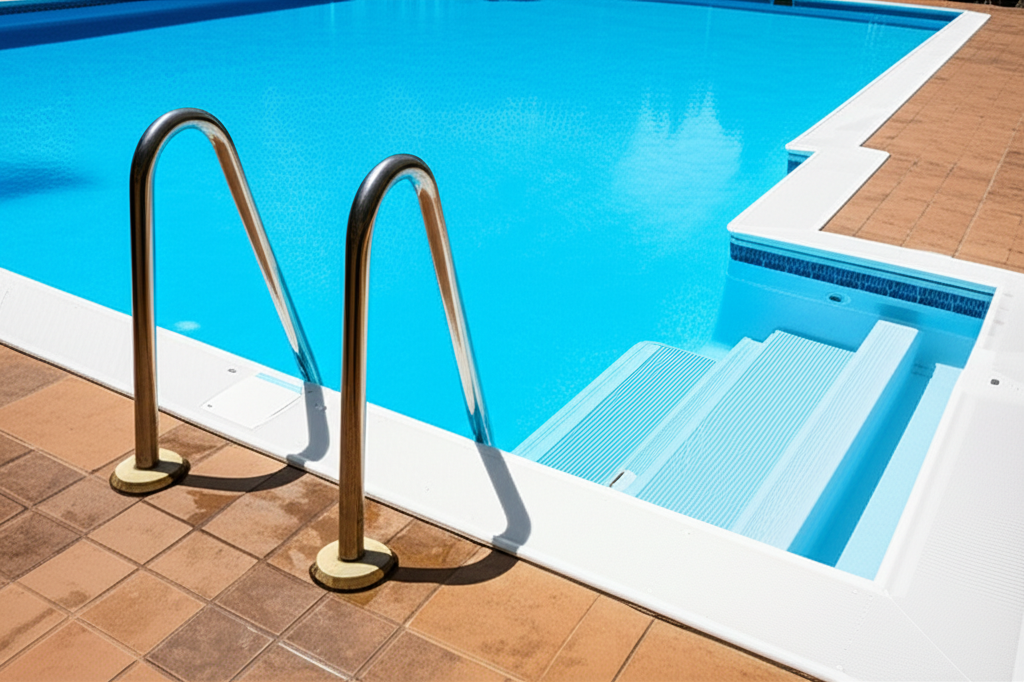
- The Unsung Heroes of Pool Safety
- Diverse Designs for Every Pool Entry
- Choosing the Right Pool Ladder for Your Pool Entry
- Installation and Maintenance: Ensuring Longevity and Safety
- Beyond Basic Ladders: Enhancing the Pool Entry Experience
Pool Ladders: More than just a way to get in and out of the water, they are a fundamental component of pool safety, accessibility, and overall enjoyment. Often overlooked in the grand scheme of pool design, the right pool ladder ensures that every swimmer, regardless of age or mobility, can enter and exit the water with confidence and ease. From the simplest two-step models to elaborate stair systems, understanding the various types and their essential roles is key to a safe and user-friendly aquatic experience.
The Unsung Heroes of Pool Safety
At their core, pool ladders are critical safety devices. Slippery pool decks and sudden drops into the water can be hazardous, especially for children, the elderly, or individuals with mobility challenges. A sturdy, well-installed ladder provides a secure point of contact, minimizing the risk of slips, falls, and accidents. They offer a controlled pool entry and exit, preventing strained muscles or more serious injuries that can occur when struggling to climb out of the water. For instances of emergency, a clearly visible and accessible ladder can be the difference between a swift exit and a dangerous situation.
Diverse Designs for Every Pool Entry
The world of pool ladders offers a surprising variety, each designed to cater to specific pool types and user needs. Choosing the right one depends heavily on whether you have an in-ground or above-ground pool, the depth of your pool, and the primary users.
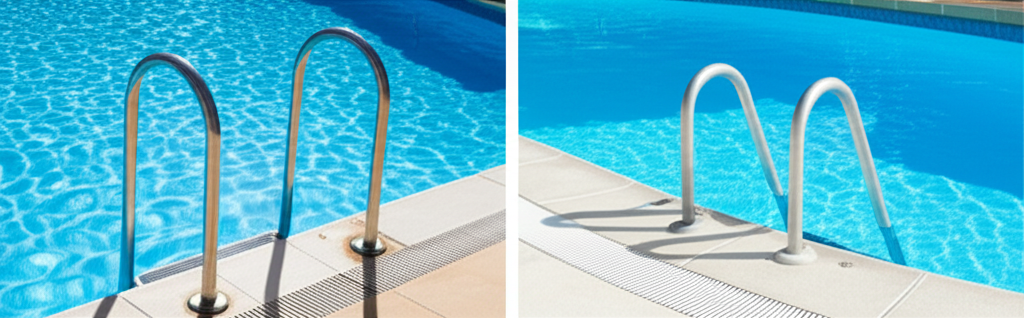
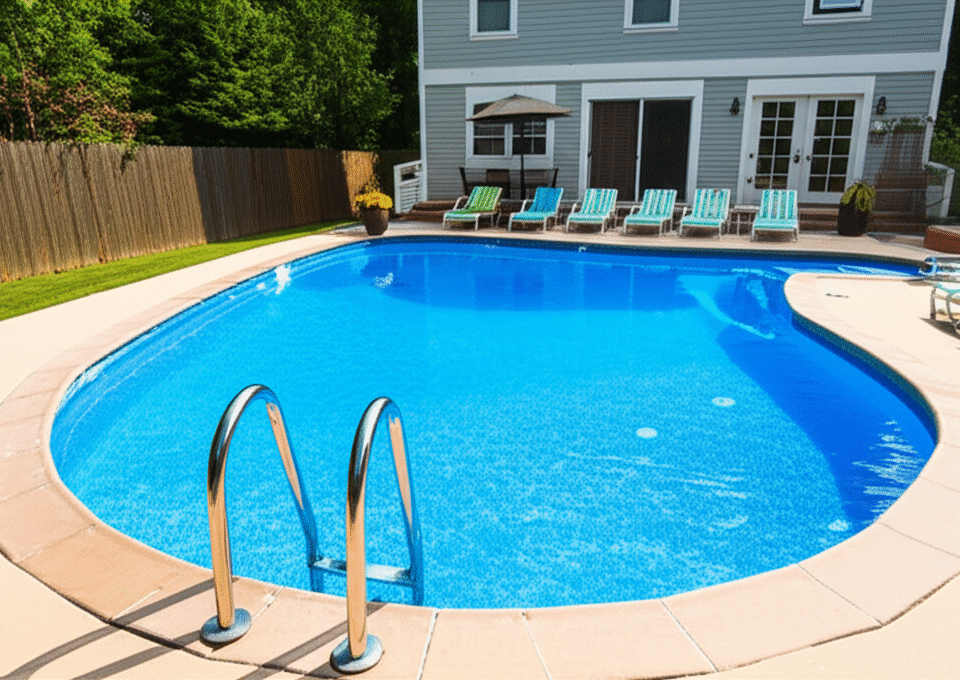
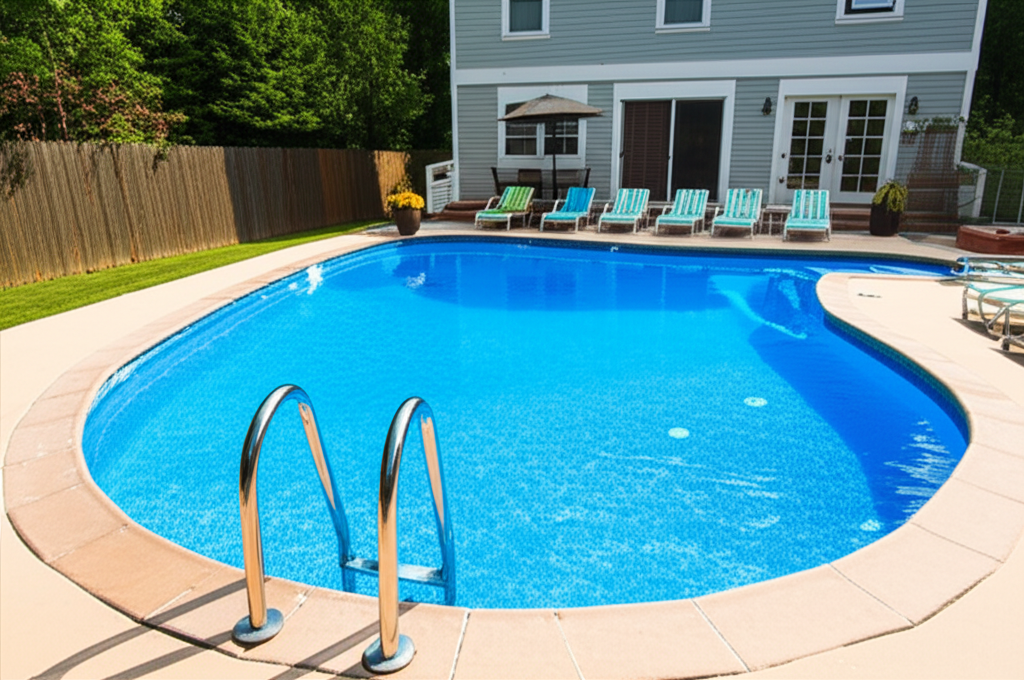
In-Ground Pool Ladders: Typically crafted from stainless steel or durable plastic, these ladders are mounted to the pool deck and extend into the water. They often feature two to four steps and are known for their sleek, unobtrusive design. Their minimalist footprint is ideal for pools where space is a premium.
Above-Ground Pool Ladders: Designed to bridge the gap between the deck (or ground) and the top of the pool wall, these often come in an “A-frame” configuration for standalone pools or a deck-to-pool style if you have a surrounding deck. Safety barriers and locking mechanisms are common features to prevent unsupervised access by children.
A-Frame Ladders: Specifically for above-ground pools without a deck, these freestanding units straddle the pool wall, providing steps on both the inside and outside. Many come with added safety features like barrier gates or removable outer steps to secure the pool when not in use.
In-Pool Steps (or Wedding Cake Steps): A popular alternative to traditional ladders, in-pool steps offer a gentler, more gradual entry and exit. These wide, often curved steps extend into the pool, mimicking a staircase. They are exceptionally user-friendly, particularly for young children, the elderly, or those requiring extra stability. Their broad treads and often integrated handrails provide a more relaxed and comfortable transition into the water, making them excellent for extended lounging or teaching swimming.
Deck-Mount Ladders: These are similar to in-ground ladders but are specifically designed to attach to a surrounding deck, providing a secure pathway into the water. They often feature sturdy handrails and non-slip treads for added safety.
Choosing the Right Pool Ladder for Your Pool Entry
Selecting the ideal pool ladder requires thoughtful consideration of several factors beyond just aesthetics. Making an informed decision ensures optimal safety, functionality, and longevity.
Pool Type: This is the primary determinant. An above-ground pool will require a different ladder solution than an in-ground one.
User Demographics: Consider who will be using the pool most frequently. If you have young children, elderly family members, or individuals with mobility issues, in-pool steps or ladders with wider, non-slip treads and sturdy handrails are paramount.
Deck Configuration: How does your pool interact with its surrounding deck? Is there a deck at all? This will dictate whether you need a deck-mount, A-frame, or drop-in style ladder.
Material and Durability: Stainless steel is highly durable and resistant to corrosion, making it a popular choice. High-quality plastic or resin ladders are also available, particularly for above-ground pools, offering lightweight and often more affordable options.
Weight Capacity: Always check the maximum weight capacity of any ladder you consider to ensure it can safely support all users.
Installation: Some ladders require professional installation, while others are designed for DIY setup. Ensure proper anchoring for maximum stability and safety.
Installation and Maintenance: Ensuring Longevity and Safety
Once you’ve selected the perfect ladder, correct installation and regular maintenance are crucial to prolong its life and, most importantly, ensure continued safety.
Proper Installation: Follow the manufacturer’s instructions precisely. For deck-mounted or in-ground ladders, secure anchoring is non-negotiable. Loose ladders can shift, creating a significant hazard.
Regular Inspection: Periodically check all components. Look for loose bolts, cracks in steps, signs of corrosion, or wear on non-slip treads. Ensure handrails are firm and stable. If anything looks compromised, repair or replace it immediately. Regular inspection and maintenance are paramount not just for ladders, but for the entire pool. For comprehensive pool care and to ensure your aquatic oasis remains pristine and safe, consider consulting professionals. Learn more about excellent pool cleaning services and maintenance solutions that can help keep your pool in top condition.
Cleaning: Keep the ladder clean to prevent slippery build-up of algae or dirt. Use appropriate pool-safe cleaners.
Winterization: If you live in a climate with freezing temperatures, remove and store your pool ladder indoors or follow manufacturer instructions for winterizing it to prevent damage from ice expansion.
Beyond Basic Ladders: Enhancing the Pool Entry Experience
Modern pool ladder designs often incorporate features that go beyond basic functionality, enhancing both safety and user comfort.
Non-Slip Treads: While standard on most ladders, some offer enhanced textured surfaces or rubberized grips for superior traction.
Extended Handrails: Longer or more ergonomically designed handrails provide better support for users, especially those with limited mobility.
Integrated Lighting: Subtly lit steps can improve visibility for night swimming, adding a touch of elegance and an extra layer of safety.
* Aesthetics: Ladders and in-pool steps are now available in a multitude of colors and designs, allowing them to complement your pool’s overall aesthetic.
In conclusion, a pool ladder is far more than a simple accessory; it’s a vital piece of equipment that directly impacts the safety, accessibility, and enjoyment of your swimming pool. By carefully considering the various types, your specific needs, and committing to proper installation and regular maintenance, you can ensure your pool remains a safe, welcoming, and accessible haven for everyone.