Pool Skimmer: Best Types for Effortless Cleaning
June 21, 2026
Pool Accessories: Ultimate Fun & Games
June 25, 2026
- What is a Spa Blower and How Does It Work?
- The Therapeutic Power of the Air Blower
- Choosing the Best Spa Blower for Your Needs
- Horsepower (HP) and Airflow
- Noise Levels
- Heated vs. Non-Heated Air Blowers
- Durability and Installation
- Maintaining Your Spa Blower and Overall Spa Health
- Maximizing Your Luxurious Soak
Spa Blower: the unsung hero of a truly luxurious soak. For anyone who cherishes the immersive relaxation of a warm, bubbling spa, understanding the role and power of an air blower is paramount. This dedicated component is responsible for transforming still water into a dynamic, effervescent haven, filling your spa with an invigorating cascade of millions of soothing bubbles, creating that signature hydrotherapy experience we all crave.
Far more than just creating visual appeal, a high-quality spa air blower elevates your hot tub experience from enjoyable to extraordinary. It’s what delivers the therapeutic massage feel, helps relax tense muscles, and contributes significantly to stress relief after a long day. But what exactly is a spa blower, how does it work, and what should you consider when choosing the best one for your personal sanctuary?
What is a Spa Blower and How Does It Work?
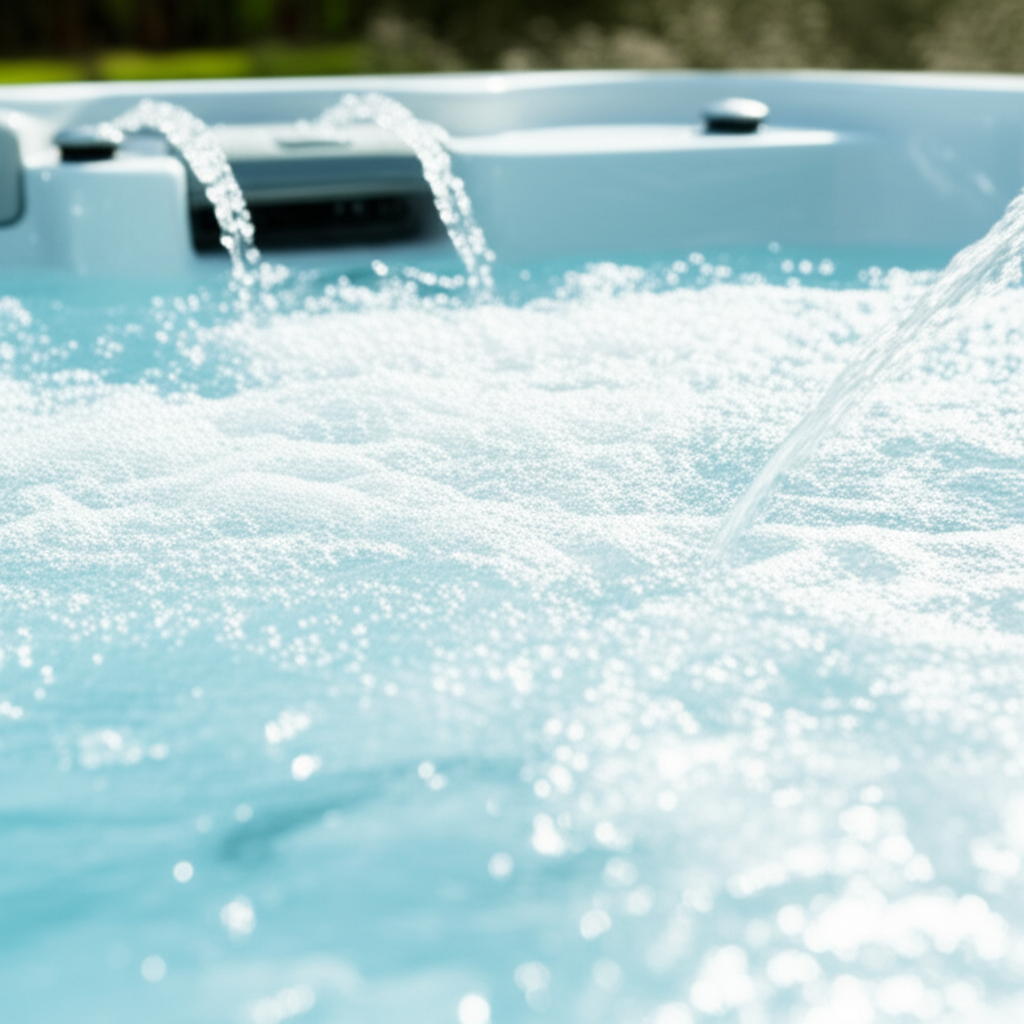
At its core, a spa blower is an electrical device designed to push a significant volume of air through a network of jets located at the bottom or sides of your spa. Unlike a spa jet pump, which circulates water and mixes it with ambient air, the air blower focuses exclusively on air delivery, creating those distinct, foamy bubbles.
The typical spa blower consists of a robust motor encased in a durable housing, along with an impeller that draws in ambient air. This air is then compressed and forced through a manifold system, ultimately exiting through the air jets into the spa water. Many modern spa blowers also feature a heating element, which warms the incoming air slightly before it enters the water. This is crucial for avoiding a noticeable drop in water temperature, especially during prolonged soaks, ensuring your comfort isn’t compromised by cool air.
The sheer volume and force of air produced by a dedicated air blower are what differentiate the therapeutic bubble sensation from mere aeration. It’s the difference between a gentle fizz and a powerful, effervescent embrace.
The Therapeutic Power of the Air Blower
The sensation of millions of tiny bubbles enveloping your body is more than just pleasant; it offers genuine therapeutic benefits. The ceaseless stream of air bubbles delivers a soft tissue massage that can:
Relieve Muscle Tension: The gentle pressure and movement created by the bubbles can help to loosen tight muscles and ease soreness, similar to a light massage.
Improve Circulation: The massaging action can stimulate blood flow to the skin and underlying tissues, contributing to better overall circulation.
Reduce Stress and Promote Relaxation: The sensory experience of warm water and effervescent bubbles, combined with the calming sounds, creates an ideal environment for mental relaxation and stress reduction. It’s a sensory escape that encourages mindfulness.
Aid Sleep: Regular spa use, particularly in the evening, can help promote better sleep patterns by signaling to your body that it’s time to wind down.
For those seeking a full hydrotherapy experience, a powerful and reliable spa blower is an indispensable component.
Choosing the Best Spa Blower for Your Needs
Selecting the right spa blower involves considering several key factors to ensure it meets your performance expectations and seamlessly integrates with your spa system.
Horsepower (HP) and Airflow
Spa blowers come in various horsepower ratings, typically ranging from 1 HP to 3 HP. A higher HP generally translates to more powerful airflow and a greater volume of bubbles.
1 HP: Suitable for smaller spas or those who prefer a gentler bubble action.
1.5 – 2 HP: The most common range, offering a good balance of power and efficiency for most residential spas.
2.5 – 3 HP: Ideal for larger spas or those desiring the most vigorous and intense bubble massage.
Consider the size of your spa and the number of air jets it features. A larger spa with more jets will benefit from a higher HP air blower to ensure consistent and powerful bubbling across all outlets.
Noise Levels
As blowers contain a motor, they will naturally produce some noise. Newer models often incorporate noise reduction technologies, making them significantly quieter. Look for blowers with decibel (dB) ratings if manufacturer specifications are available. While a powerful blower will always make some sound, investing in a quieter model can greatly enhance your relaxation experience.
Heated vs. Non-Heated Air Blowers
As mentioned, some air blowers include an internal heating element. This is a crucial feature, especially if you live in a cooler climate or enjoy extended soaks. Without a heater, the continuous influx of ambient, cooler air can gradually reduce your spa’s water temperature, forcing your main heater to work harder or leading to a less comfortable experience. A heated spa blower ensures the air entering the water is pre-warmed, maintaining your spa’s comfortable temperature.
Durability and Installation
Look for blowers constructed with robust, corrosion-resistant materials. The environment around a spa is often humid and can be corrosive, so durability is key. Proper installation is also critical for both performance and safety. While many homeowners are DIY-savvy, it’s often advisable to use professional spa maintenance or pool and spa professionals for installation to ensure correct wiring, plumbing connections, and earthing, particularly if electrical work is involved. Ensuring your overall pool maintenance services are up to par can prevent many common issues that might impact your spa. For reliable pool cleaning services, remember to check out resources like California Blue Pool.
Maintaining Your Spa Blower and Overall Spa Health
While spa blowers are generally low-maintenance, a few practices can extend their lifespan and ensure optimal performance:
Ensure Proper Ventilation: The blower draws in ambient air. Make sure its intake isn’t obstructed and that it has adequate space for ventilation to prevent overheating.
Keep the Area Clean: Dust and debris can be drawn into the blower, potentially affecting its motor. Regularly clean the area around the unit.
Regular Spa Cleaning: Maintaining clean spa water helps prevent scaling and buildup in the air jets, which can impede airflow. For comprehensive spa and pool cleaning, professional services can be invaluable in ensuring crystal clear water and optimal system function.
Should your spa blower experience issues like reduced airflow, unusual noises, or complete failure, it’s often best to consult with expert pool care technicians. They can diagnose the problem accurately and recommend whether repair or replacement is the most cost-effective solution.
Maximizing Your Luxurious Soak
A high-performance spa blower is the cornerstone of a truly luxurious soaking experience, providing that invigorating, therapeutic bubble massage. When combined with other elements like soothing lighting, aromatherapy, and impeccable water quality, your spa becomes a personal oasis designed for ultimate relaxation and rejuvenation. Investing in a quality air blower and maintaining it properly will ensure countless hours of bubbling bliss, transforming your daily routine into a lavish escape.