Pool Fence Laws: Essential Guide to Safety Barriers
July 18, 2026
CPR: Crucial Poolside First Aid Saves Lives
July 22, 2026
- Understanding the Virginia Graeme Baker Act (VGB Act)
- The Tragic Origin and Its Lasting Impact
- Key Components of VGB Act Compliance for Drain Safety
- Who Needs to Comply?
- Why VGB Act Compliance Is Non-Negotiable
- Conclusion
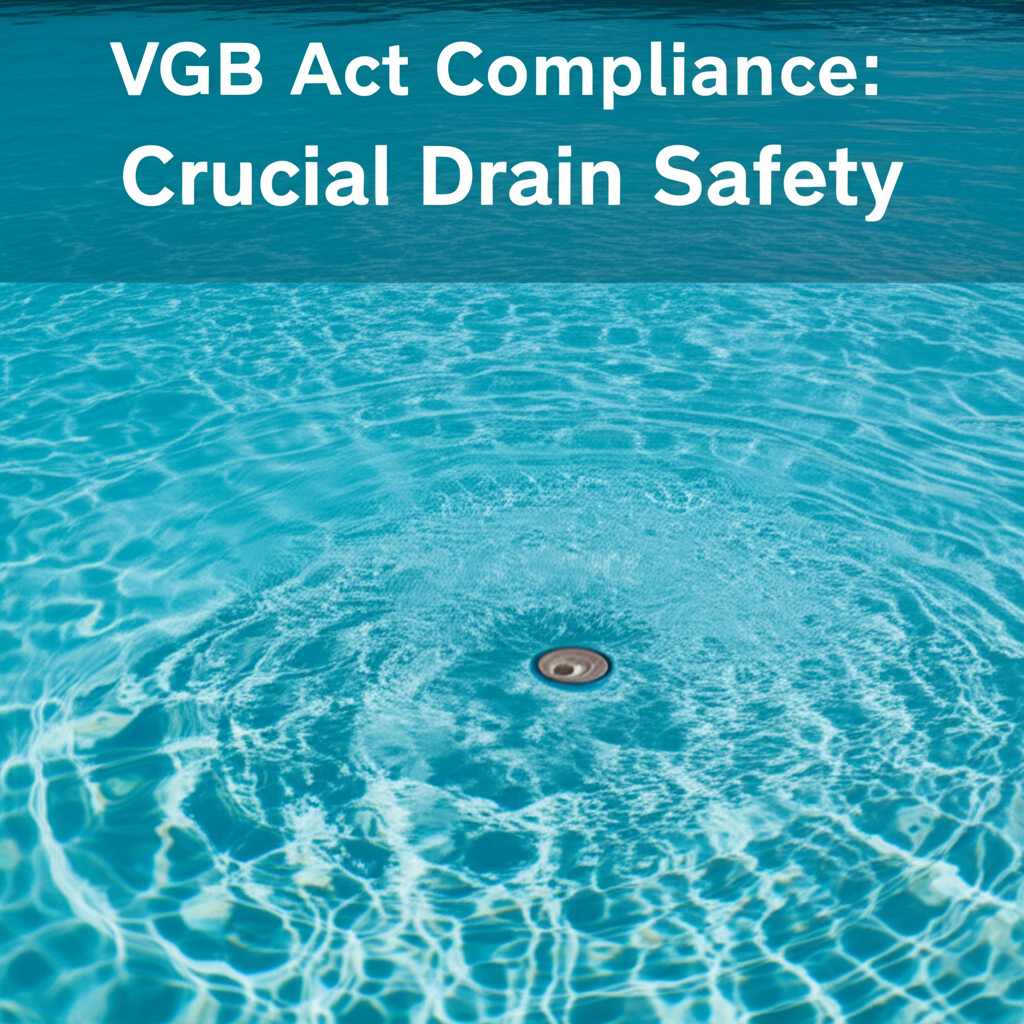
The Virginia Graeme Baker Act stands as a landmark piece of legislation, fundamentally transforming pool and spa safety across the United States. Enacted in December 2007, this federal law emerged from a tragic necessity, aimed squarely at preventing drain entrapment incidents—a peril that, though rare, can have devastating and often fatal consequences. For every pool and spa owner, operator, and even swimmer, understanding and adhering to the VGB Act is not just a matter of legal compliance, but a commitment to crucial drain safety, ensuring that water recreation remains a source of joy, not potential danger.
Understanding the Virginia Graeme Baker Act (VGB Act)
At its core, the Virginia Graeme Baker Pool and Spa Safety Act mandates strict requirements for suction outlets (drains) in public and commercial pools and spas nationwide. Named after 7-year-old Graeme Baker, who died in 2002 due to an unblockable drain entrapment in a hot tub, the Act was a direct response to a preventable tragedy. It established national standards designed to eliminate the risk of bathers being entrapped by the powerful suction of pool and spa drains.
The VGB Act’s primary requirements revolve around comprehensive layers of protection:
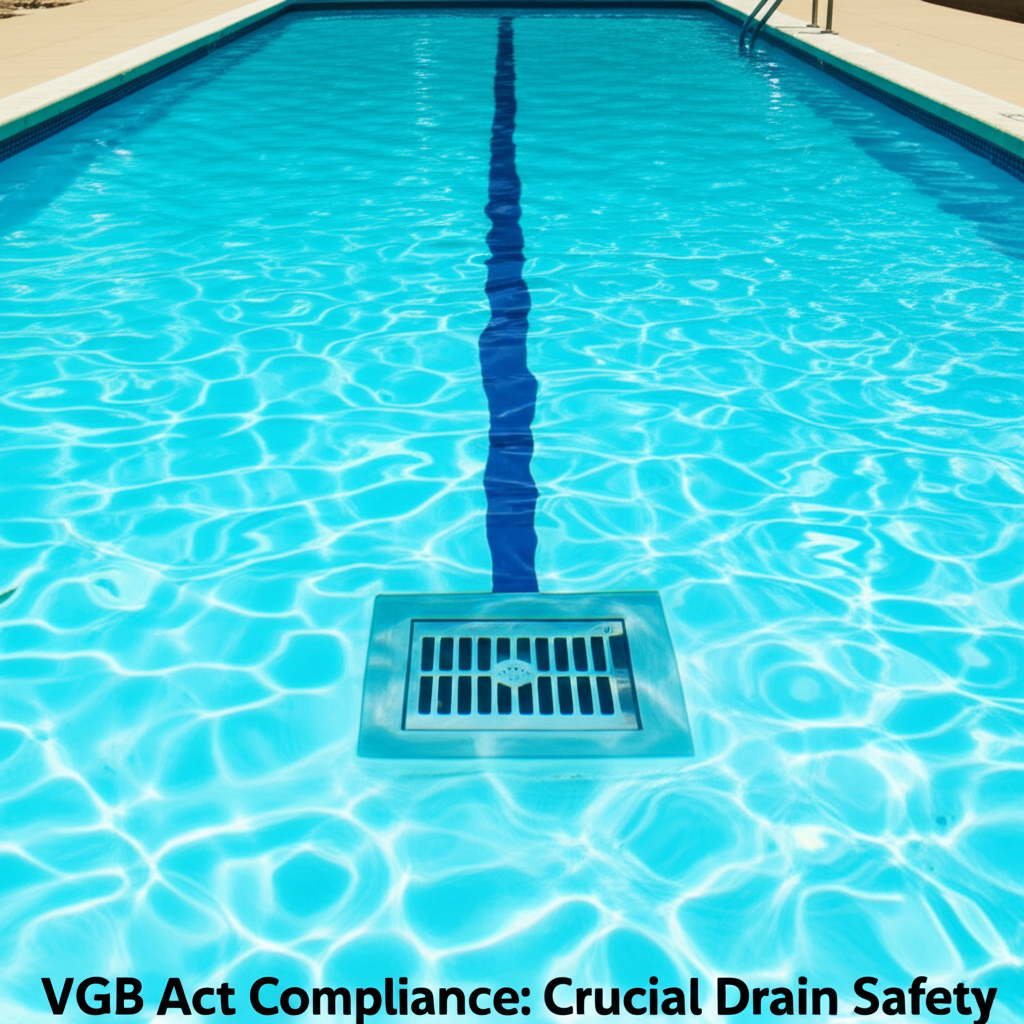
Anti-Entrapment Drain Covers: All pool and spa drains must be equipped with covers that comply with ASME/ANSI A112.19.8-2007 or more recent standards. These covers are specifically designed to be anti-entrapment, preventing body parts or hair from being caught by suction.
Multiple Main Drains or Unblockable Drains: Pools and spas must feature either multiple main drains (at least two) that are spaced a minimum of 3 feet apart, or a single “unblockable” main drain that is too large for a person to completely obstruct. This redundancy or design prevents dangerous single-point suction.
Secondary Safety Systems: In addition to compliant drain covers and multiple/unblockable drains, the VGB Act mandates secondary anti-entrapment systems. These typically include:
Safety Vacuum Release Systems (SVRS): Devices that detect a blockage and quickly shut off the pump or reverse the flow, releasing the vacuum immediately.
Automatic Pump Shut-Off Systems: Timed or sensor-based systems that cease pump operation under certain conditions.
Gravity Drainage Systems: Where water flows into a collector tank before being pumped, eliminating direct suction from the drain.
These interconnected measures work in concert to create a robust defense against the various forms of drain entrapment, which can include hair entanglement, limb entrapment, body suction, and evisceration.
The Tragic Origin and Its Lasting Impact
The story of Virginia Graeme Baker is central to the legislation’s existence. Graeme was a vibrant young girl who, during a family gathering, became entrapped by the powerful suction of a spa drain. Despite heroic efforts, the suction was so intense that she could not be freed, leading to her drowning. Her parents, fiercely committed to preventing similar tragedies, spearheaded a nationwide advocacy effort that culminated in the VGB Act.
Before the Act, numerous incidents of drain entrapment, though often underreported, highlighted a critical flaw in pool and spa design. The intense suction generated by a pool pump, when concentrated by a single, blockable main drain, can exert hundreds of pounds of force—far more than an adult can overcome. The VGB Act, signed into law by President George W. Bush, was a monumental bipartisan achievement that transformed pool safety from a patchwork of state and local regulations into a consistent national standard. It made it clear that safety could not be compromised, drawing a line in the sand against preventable pool and spa injuries and fatalities.
Key Components of VGB Act Compliance for Drain Safety
Ensuring ongoing compliance is a multi-faceted responsibility for pool and spa owners and operators. It begins with the correct installation of certified equipment and extends to vigilant maintenance and regular inspections.
Certified Drain Covers: Choosing and installing the correct drain covers is paramount. These covers are rated for specific flow rates and have a defined lifespan, typically five to seven years. They must be securely fastened and inspected regularly for cracks, damage, or dislodgement.
Proper Drain Configurations: For pools with traditional main drains, ensuring they are configured as dual drains, spaced safely apart, is critical. For single main drains, they must be demonstrably “unblockable,” meaning their size and design prevent a person from creating a complete seal over the outlet.
Functional Secondary Systems: SVRS units, gravity drainage, or automatic pump shut-off systems must be installed, regularly tested, and properly maintained. These are the critical backup systems that provide immediate relief should a primary drain cover fail or inadvertently be obstructed. Regular professional checking of these systems is crucial to ensure they are ready to act in an emergency. For comprehensive pool care, including safety checks and routine maintenance, consider contacting professional pool cleaning and service providers. This helps ensure all components, especially those related to crucial drain safety, are functioning correctly.
Who Needs to Comply?
The VGB Act primarily applies to all public pools and spas. This includes:
Commercial pools (hotels, motels, resorts)
Community pools (apartments, condominiums, homeowner associations)
Institutional pools (schools, universities, hospitals)
Municipal pools (city, county facilities)
Fitness clubs and health spas
While the federal VGB Act does not directly apply to single-family residential pools, many states and local jurisdictions have adopted similar mandates or best practices. Additionally, the spirit of the Act—prioritizing drain safety—should guide all pool owners, regardless of their pool’s classification. When it comes to maintaining your pool’s compliance and overall health, professional pool cleaning services can offer invaluable assistance, ensuring proper function and longevity of your safety equipment.
Why VGB Act Compliance Is Non-Negotiable
Beyond the legal ramifications, which can include hefty fines and facility shutdowns, the profound moral imperative behind the VGB Act makes compliance absolutely non-negotiable.
Saving Lives: The most important reason is simply to prevent injuries and save lives. Every layer of protection added by VGB compliance reduces the risk of a child or adult suffering a debilitating or fatal entrapment.
Mitigating Liability: For pool operators and owners, non-compliance carries significant legal liability. In the event of an incident, failure to adhere to VGB standards can result in severe financial penalties, lawsuits, and damage to reputation.
* Providing Peace of Mind: Knowing that a pool or spa is VGB compliant offers peace of mind to both operators and patrons. It assures them that rigorous safety measures are in place to mitigate potential hazards.
Maintaining a safe pool environment requires continuous vigilance. Regular inspection of drain covers for wear and tear, ensuring that secondary safety systems are operational, and educating facility users about pool safety are all vital. Enlisting a reliable pool service for routine pool cleaning and safety checks ensures all aspects of your pool remain compliant and safe for everyone to enjoy.
Conclusion
The Virginia Graeme Baker Act serves as a permanent reminder of the power of advocacy and the critical importance of safety in recreational water. Its requirements for anti-entrapment drain covers, multiple main drains, and secondary safety systems have unequivocally made pools and spas safer across the nation. For every individual involved with a pool or spa, understanding, implementing, and continually upholding the standards of the VGB Act is an essential responsibility—a testament to the fact that crucial drain safety is the bedrock upon which safe and enjoyable aquatic experiences are built.