Green Pool Algae Treatment: Rapid & Effortless
March 16, 2026
Pink Slime: Quick, Easy Pink Algae Removal
March 19, 2026
- Understanding Mustard Algae: The Stubborn Yellow Pool Algae
- The Comprehensive Strategy to Banish Yellow Pool Algae
- Step 1: Prepare and Test Your Water
- Step 2: Brush Every Single Surface
- Step 3: Super Shock Treatment
- Step 4: Run the Filter and Backwash Frequently
- Step 5: Decontaminate ALL Pool Equipment and Accessories
- Step 6: Use a Specialized Algaecide (Optional, but Recommended)
- Step 7: Continuous Monitoring and Filtering
- Prevention is Better Than Cure: Keeping Yellow Pool Algae Away
- When to Call the Professionals
Mustard Algae: Banish Stubborn Yellow Algae
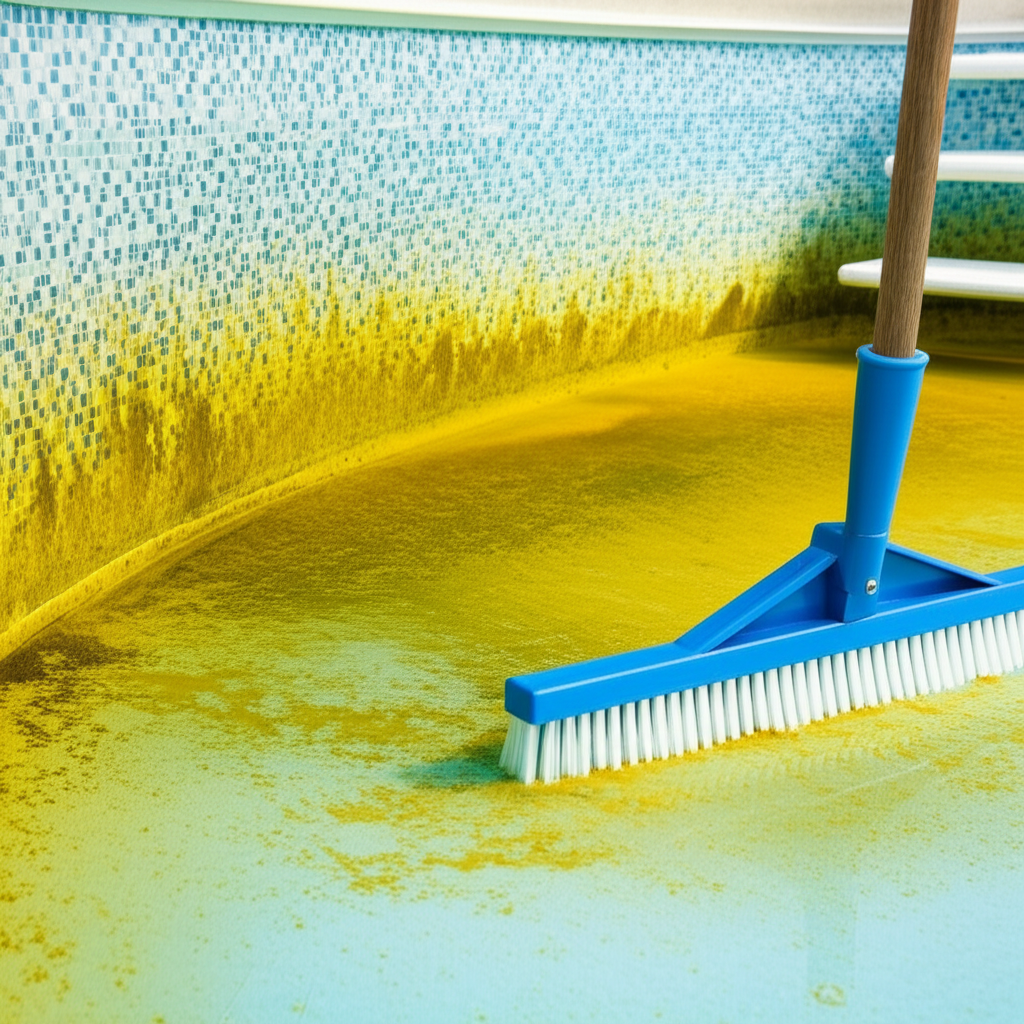
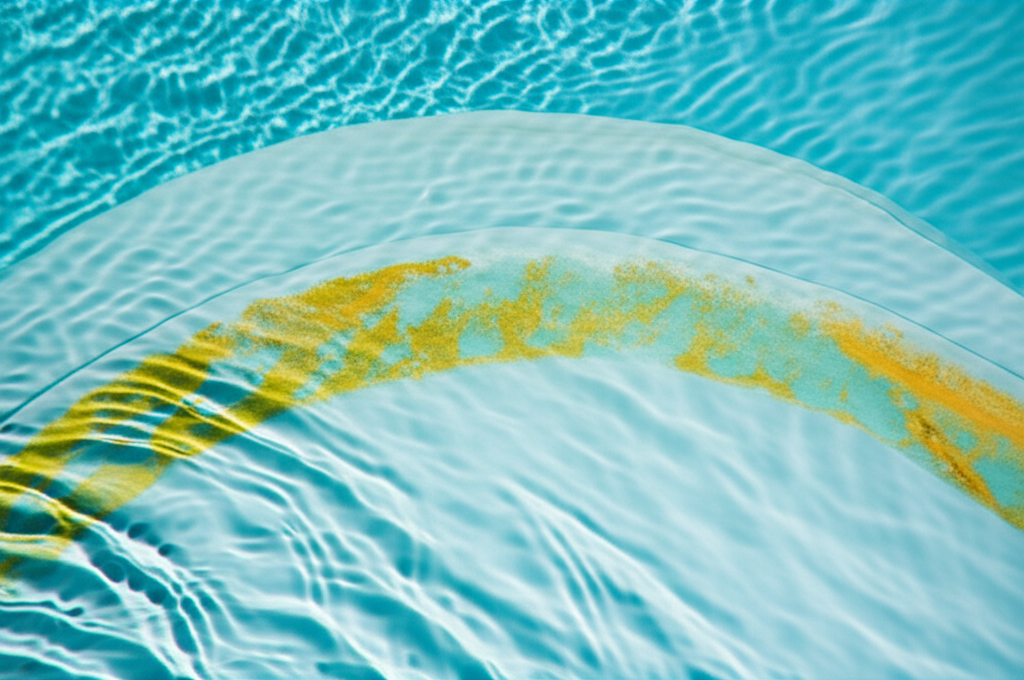
Mustard algae, also commonly known as yellow pool algae, is a truly unwelcome guest in any swimming pool. Unlike its greener cousins, this variety doesn’t typically indicate poor sanitation; instead, it’s a super-resilient microbe that often appears even in relatively well-maintained pools. Its dusty, yellowish-brown appearance can cling tenaciously to pool walls, floors, steps, and even equipment, giving your sparkling oasis an unsightly, unkempt look. More than just an aesthetic issue, mustard algae is incredibly difficult to eradicate and can quickly return if not dealt with thoroughly. This guide will walk you through the precise steps needed to not only banish this stubborn yellow algae but also keep it from spoiling your swimming season again.
Understanding Mustard Algae: The Stubborn Yellow Pool Algae
Unlike green algae, which floats freely in the water and makes it cloudy, mustard algae prefers to settle on surfaces. It often mimics dirt or sand, but a quick brush reveals its true nature – it easily dislodges but quickly resettles. The reason for its persistence lies in its unique protective layer, which makes it resistant to standard chlorine levels and many common algaecides. It can also survive outside the pool environment, hitching rides on pool toys, cleaning equipment, and even swimwear, ready to re-infect your pool at the slightest opportunity. Due to its tenacity, a multi-faceted approach is essential for complete eradication.
The Comprehensive Strategy to Banish Yellow Pool Algae
Successfully removing mustard algae requires dedication, a systematic approach, and a bit more effort than simply adding extra chlorine. Here’s a step-by-step battle plan:
Step 1: Prepare and Test Your Water
Before you begin, ensure your pool’s chemistry is balanced. Test your pH, alkalinity, and calcium hardness. Adjust them to their ideal ranges (pH: 7.4-7.6, Alkalinity: 80-120 ppm, Calcium Hardness: 200-400 ppm). Algae treatments are far more effective in balanced water. Clear your pool area of any objects that might hinder brushing or cleaning.
Step 2: Brush Every Single Surface
This is arguably the most critical step. Using a good quality pool brush, scrub every inch of your pool – walls, floor, steps, ladders, diving boards, skimmers, and return jets. Don’t miss any crevices or shaded areas. Pay extra attention to areas where you see existing mustard algae. Brushing breaks down the algae’s protective layer, making it vulnerable to chemical treatment.
Step 3: Super Shock Treatment
Mustard algae requires a very aggressive shocking. You’ll typically need to use 3-5 times the normal amount of granular chlorine shock. Always follow the manufacturer’s instructions for dissolving and adding the shock. Perform this treatment at dusk or night to prevent the sun from burning off the chlorine. Ensure your filter is running continuously during and after shocking. The goal is to reach a very high chlorine level (10-20 ppm) and maintain it for at least 24-48 hours.
Step 4: Run the Filter and Backwash Frequently
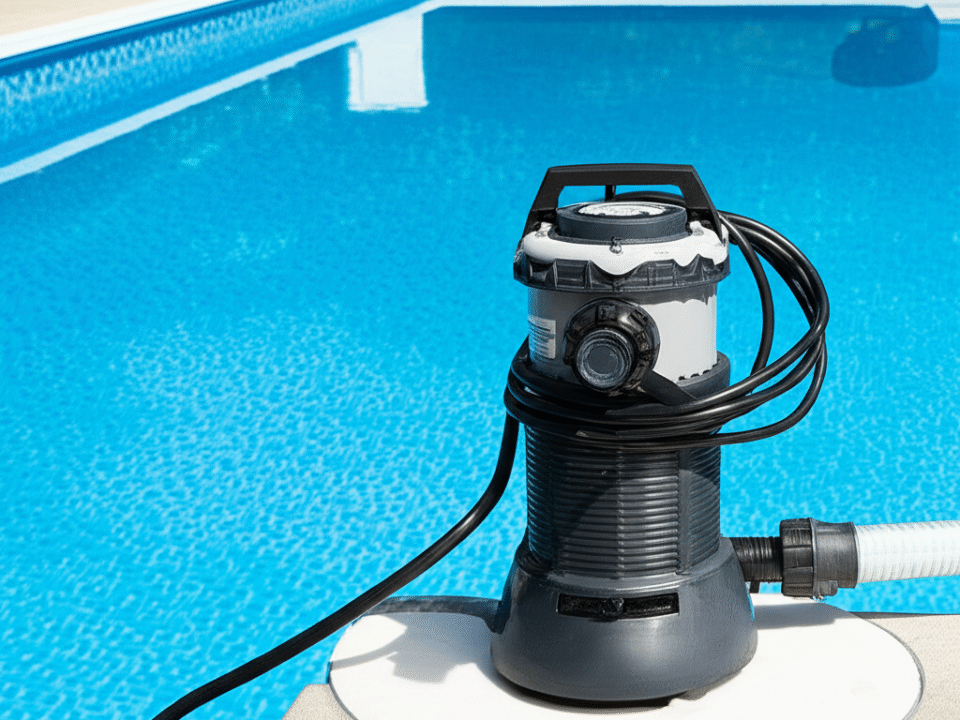
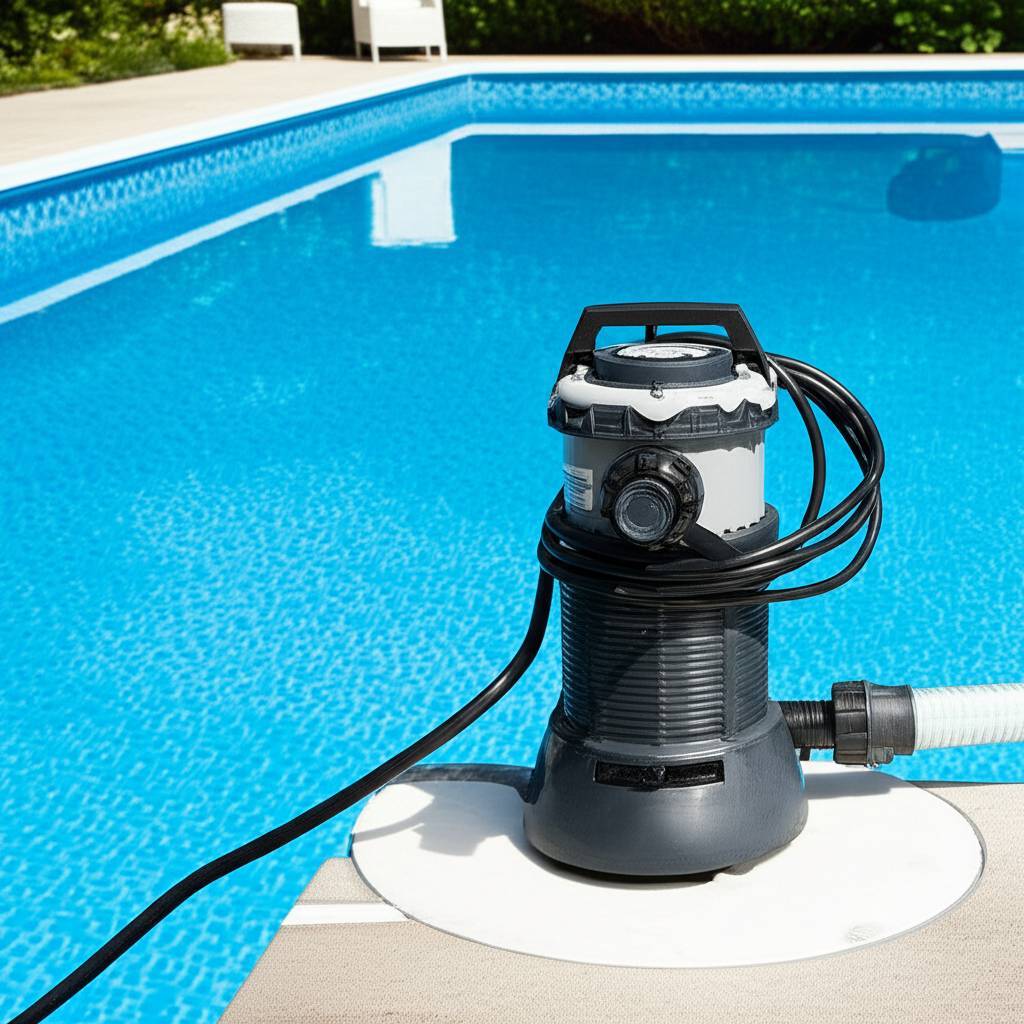
After shocking, you need to filter out the dead algae and contaminants. Run your pool filter continuously for at least 24-48 hours, or until the water is clear. During this period, backwash (for sand or D.E. filters) or clean your cartridge filter regularly – typically once or twice a day, or whenever your pressure gauge indicates it’s needed. This removes the algae particles from your system.
Step 5: Decontaminate ALL Pool Equipment and Accessories
Remember, mustard algae can live outside the pool. This step is crucial for preventing re-infection.
Pool Toys & Floats: Soak them in a strong chlorine solution (e.g., a bucket of water with a few capfuls of liquid chlorine) for several hours.
Cleaning Equipment: Submerge brushes, nets, vacuum heads, hoses, and even your automatic pool cleaner in chlorinated pool water.
Swimwear: Wash all swimsuits and towels in hot water with laundry detergent and a cup of bleach (if safe for fabrics).
Deck & Patio: Pressure wash or scrub down surrounding deck areas that might have come into contact with pool water or algae.
Step 6: Use a Specialized Algaecide (Optional, but Recommended)
For stubborn mustard algae, incorporate a quad-strength or yellow-specific algaecide into your treatment plan. These products are designed to penetrate the algae’s protective shell. Always follow the product’s instructions carefully regarding dosage and application. Add the algaecide after shocking and allow it to circulate thoroughly before retesting.
Step 7: Continuous Monitoring and Filtering
Once the initial treatment is complete and your water is sparkling, continue to run your filter for several days and test your chlorine levels daily. Maintain a slightly elevated chlorine level (3-5 ppm) for at least a week to ensure any lingering spores are eradicated. Continue to brush your pool daily during this period.
Prevention is Better Than Cure: Keeping Yellow Pool Algae Away
Once you’ve successfully banished mustard algae, vigilance is key to preventing its return.
Regular Brushing: Make daily or bi-weekly brushing a habit, even if you don’t see algae.
Maintain Chemical Balance: Consistently test and balance your water chemistry.
Consistent Filtration: Run your filter for 8-12 hours daily, or longer during heavy use periods.
Routine Shocking: Shock your pool weekly or bi-weekly, especially after heavy use or rain.
Cleanliness Protocol: Always clean pool toys, equipment, and swimsuits between uses, particularly if they’ve been used in another body of water.
Invest in Professional Pool Care: Regular professional pool cleaning services can significantly reduce the risk of algae outbreaks. Experts can spot early signs, ensure proper chemical balance, and provide thorough cleaning that might be missed in routine DIY maintenance.
When to Call the Professionals
While a diligent DIY approach can often solve the problem, there are times when professional help is invaluable. If you find your efforts aren’t yielding results, if the algae keeps returning despite your best efforts, or if you simply don’t have the time or expertise to manage the process, don’t hesitate to reach out. Professional pool cleaning services have access to stronger chemicals, specialized equipment, and the extensive knowledge required to troubleshoot complex algae issues and implement comprehensive solutions. They can provide thorough algae removal programs and ongoing pool maintenance solutions to ensure your pool remains an inviting, algae-free haven. You can find reliable assistance for expert cleaning and comprehensive care by visiting https://californiabluepool.com.
Successfully eradicating mustard algae requires patience, persistence, and a multi-pronged approach. By following these steps diligently and maintaining a proactive prevention strategy, you can enjoy a crystal-clear, algae-free pool all season long.